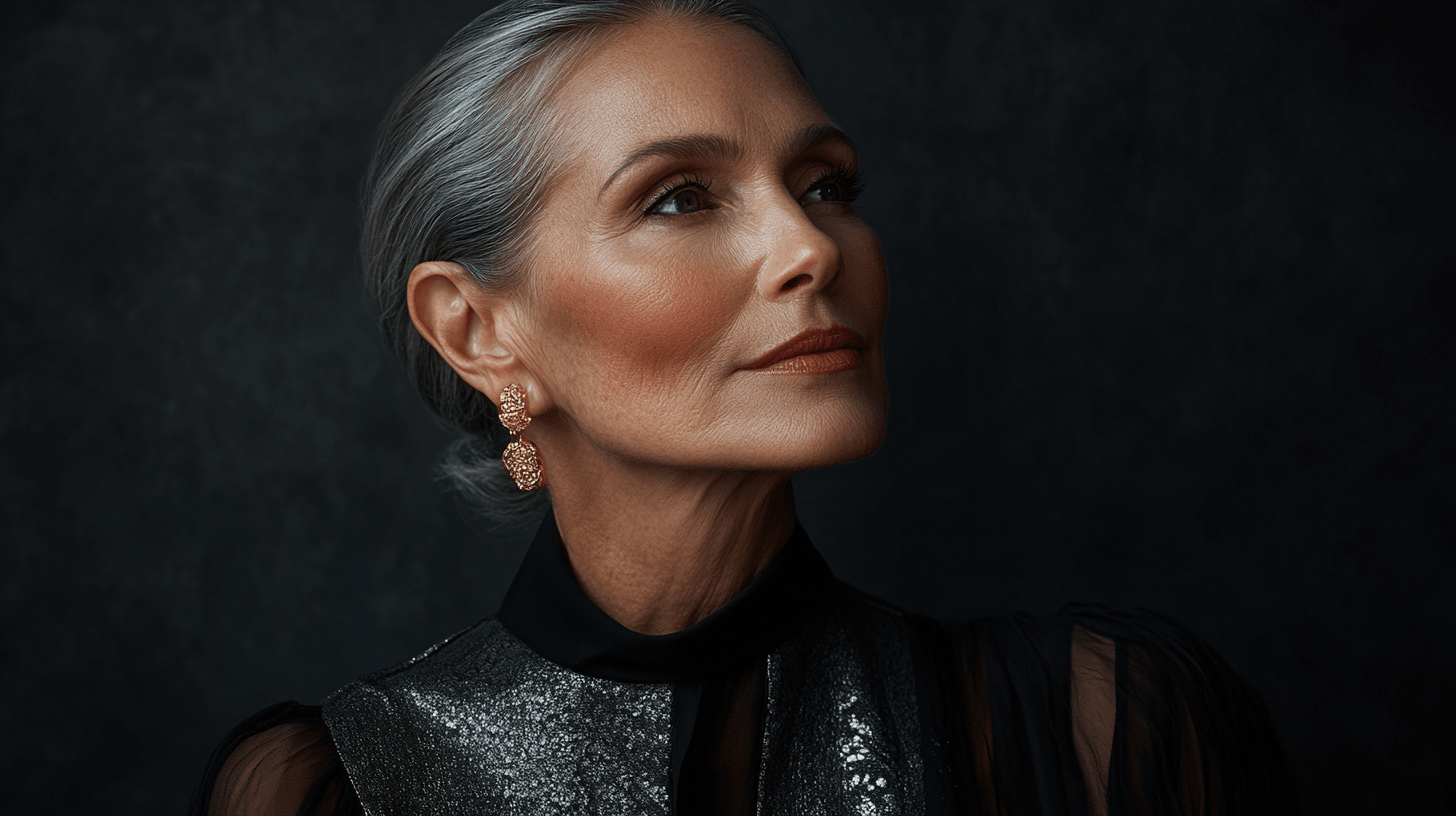
Skin after 40: the anti-ageing and firming routine
Skin Transformations After 40: Understanding the Changes
After 40, skin enters a phase of visible transformation, accompanied by progressive changes that alter its appearance and comfort. These changes are not the result of sudden degradation, but a gradual evolution that modifies the appearance of all skin layers. Understanding these evolutions allows for targeted and adapted responses.
The first transformation concerns the appearance of firmness. The dermis gives the skin its firm appearance and visible elasticity, and collagen—primarily types I and III—plays a significant role. Over the years, we often observe skin laxity, the appearance of fine lines, and a visible loss of tone, accentuated by UV exposure and external aggressions. Maintaining the skin's firm and plump appearance then requires a regular and adapted routine.
Elastin, associated with the skin's bounce-back capacity, also sees its appearance evolve. The most sun-exposed areas—forehead, cheeks, décolleté—are where the relaxed and wrinkled appearance becomes most perceptible over time. These areas deserve special attention in the routine.
Facial volumes also evolve after 40. The appearance of the temples, cheeks, and eye contour can change, while the lower face sometimes gives an impression of sagging. This phenomenon, linked to peri-menopause changes, often becomes more noticeable from 45-50 years old.
Role of Hormones and Collagen: What You Need to Know
The decade from 40-50 years old is marked by peri-menopause, a period of hormonal fluctuations before the definitive cessation of menstruation. These variations in estrogen have visible repercussions on the skin, particularly on its firm and plump appearance.
With age, the appearance of dermal collagen gradually evolves, resulting in a visible loss of firmness over the decades. This observation illustrates the value of a preventive approach started early rather than a corrective one started late.
This evolution often accentuates at the time of menopause, a period during which the skin's firm appearance can change more rapidly. This change is readily associated with a drop in estrogen. A regular cosmetic routine then makes perfect sense to support the skin and help preserve its firm and plump appearance.
Hyaluronic acid, a molecule known for its ability to retain water, is naturally present in large quantities in young skin. After 40, the skin's appearance may seem more dehydrated, with a loss of facial volume and more pronounced fine lines. Providing generous hydration helps maintain the skin's comfort and plump appearance.
Finally, age and accumulated UV often lead to the appearance of pigment spots after 40—"age spots" or solar lentigines. These visible marks, located on the most sun-exposed areas over the years, can have their appearance reduced thanks to an adapted routine and daily sun protection.
Skincare Protocol Adapted for Skin After 40
A skincare protocol adapted for mature skin benefits from simultaneously addressing several appearance objectives: firm and plump appearance, comfort and hydration, radiance and unified complexion. This multi-faceted approach calls for a structured and personalized routine.
Morning: Gentle, sulfate-free cleansing. Application of an antioxidant serum based on stabilized vitamin C (15-20%) to help preserve skin radiance against UV and pollution, and support the skin's firm appearance. Moisturizer enriched with peptides and hyaluronic acid. Indispensable SPF 30-50. For mature skin, an SPF in an all-in-one moisturizing cream formula limits the number of layers and facilitates daily use.
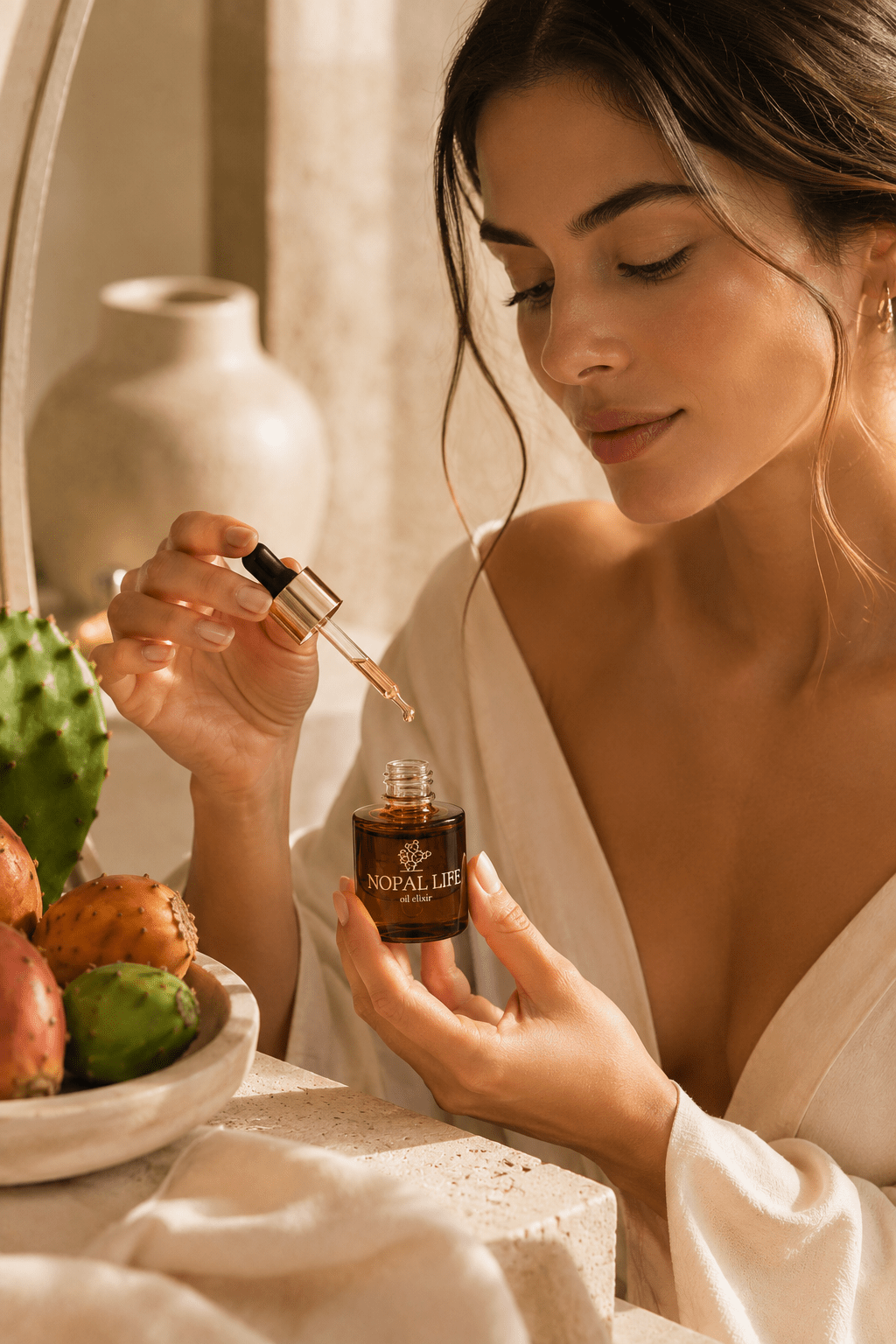
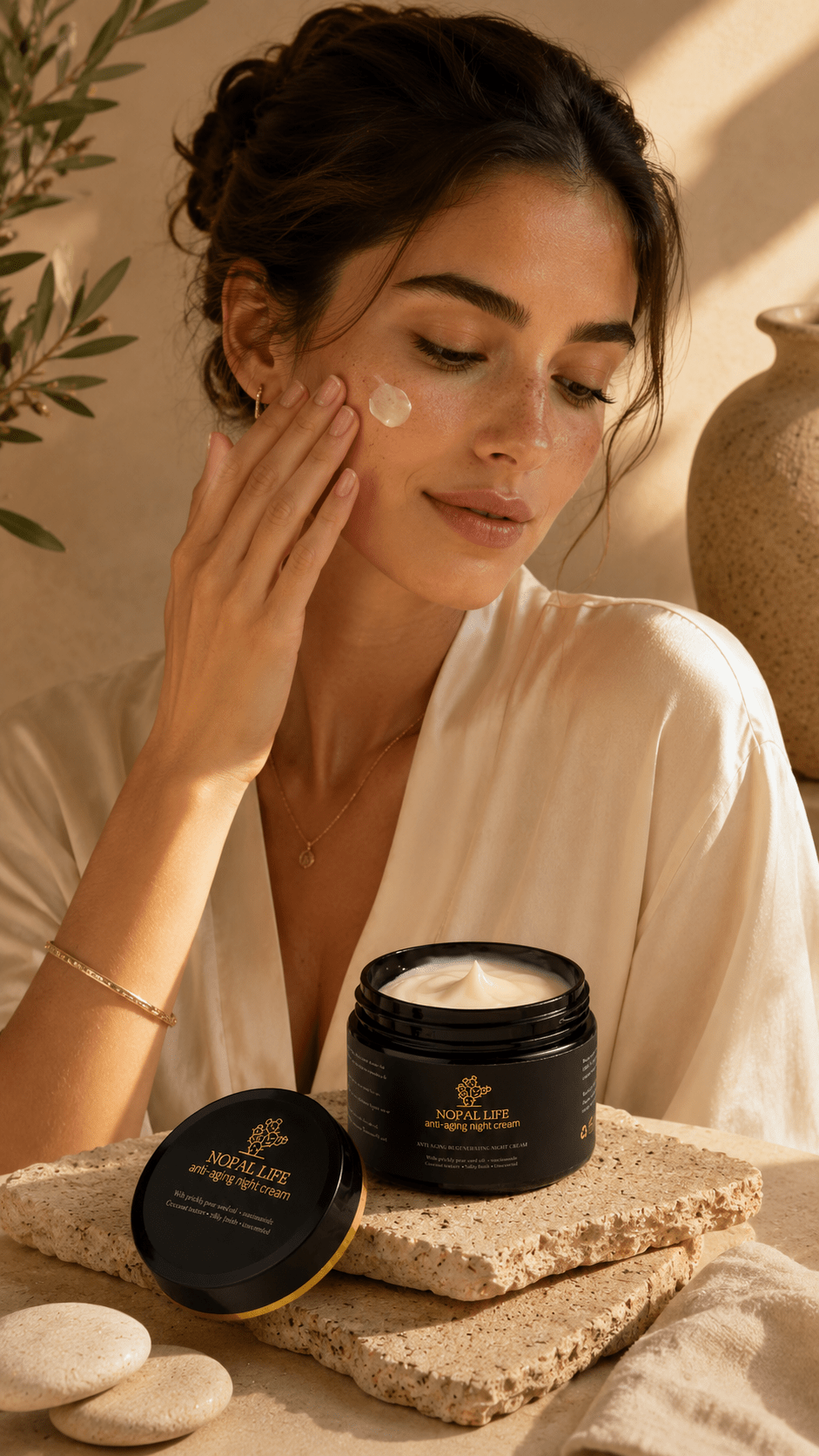
Evening: Double cleansing. Retinol or retinaldehyde at a progressive dose (start at 0.025%, increase over 3-6 months to 0.05-0.1%) to support natural skin renewal and help preserve the firm and smooth appearance of the complexion. Pure prickly pear seed oil as a final treatment to nourish, comfort the skin barrier, and provide antioxidant tocopherols. The oil is applied last, after the cream or retinol, to seal in the treatment.
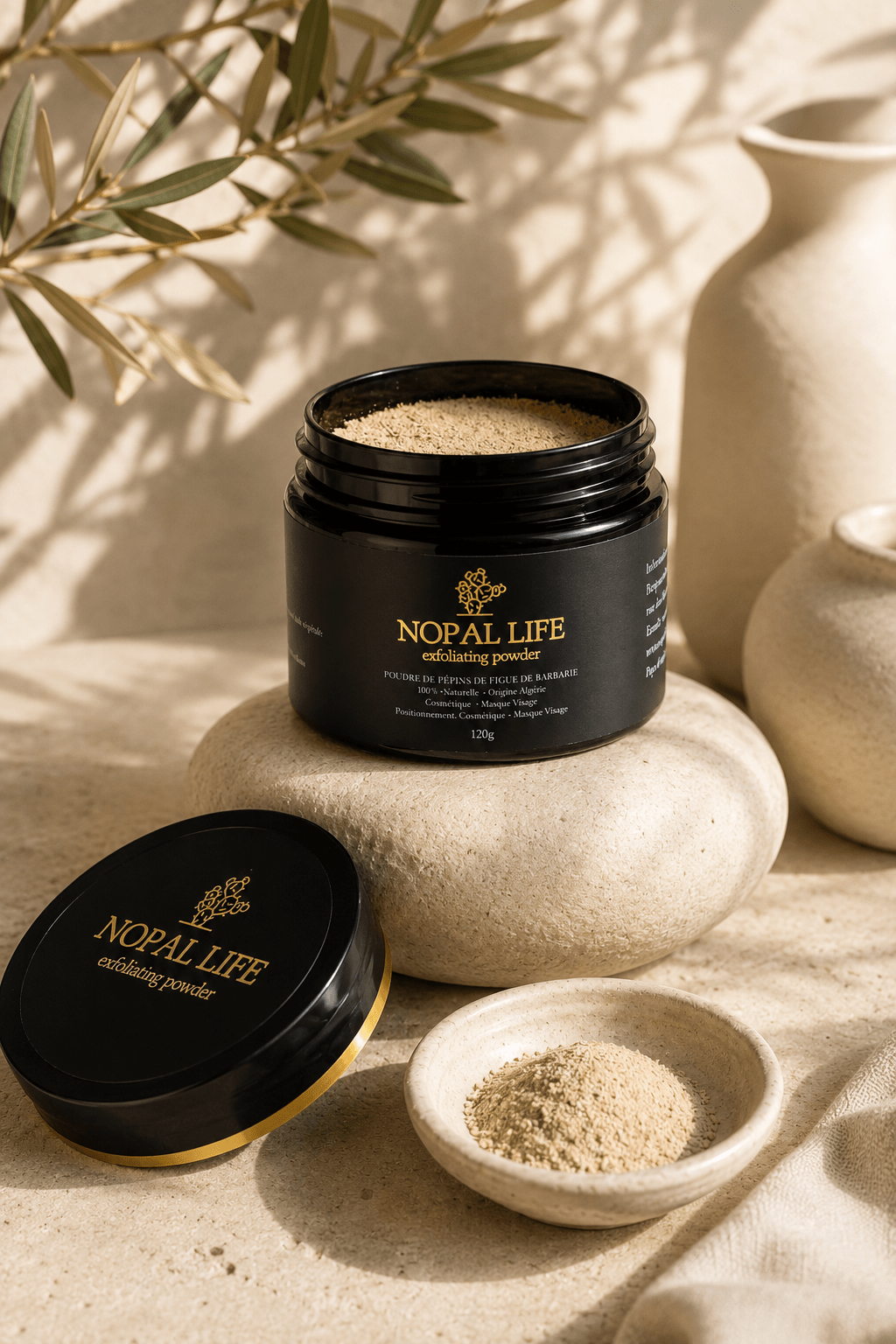
Twice a week: Gentle chemical exfoliant (AHA 5-8% or fruit enzyme) to support natural skin renewal and refine skin texture. Soft clay or honey mask once a week to help unify the appearance of the complexion.
Mistakes to Avoid on Mature Skin After 40
The care of mature skin often leads to errors due to overzealousness or the application of unsuitable protocols, inherited from young skin care. These errors can accentuate the visible signs of aging instead of reducing them.
Introducing retinol too quickly: This is the most common mistake. Retinol introduced at too high a dose from the start causes uncomfortable "retinization"—flaking, redness, sensitivity—which often leads to abandonment. For mature skin, start at 0.025%, use every other night for the first two weeks, then increase very gradually over several months.
Neglecting hydration for fear of shine: After 40, skin that was combination tends to lack hydration. Maintaining generous hydration does not create shine if the formulas are adapted (gel-cream or light emulsions). Poorly hydrated skin accentuates the appearance of dehydration lines.
Over-relying on pigment correctors without SPF: Active ingredients that help unify the complexion (niacinamide, arbutin, vitamin C) yield few visible results if not combined with daily sun protection. Without SPF, any effort to reduce the appearance of spots is compromised by daily sun exposure.
Ignoring the décolleté and hands: These areas reflect the same visible aging as the face but are often forgotten in the routine. Daily application of the same moisturizer and SPF on the décolleté, and a rich cream on the hands, helps maintain overall aesthetic consistency.
Multiplying active ingredients without order or logic: The disorganized stacking of serums, oils, and creams can impair their comfort of use or cause incompatibilities (retinol + vitamin C at acidic pH = instability of both ingredients). Build a simple but coherent routine, even if it means alternating certain active ingredients on different nights.
Personalized Approach According to Mature Skin Profile
Not all mature skin after 40 is identical. The skin profile inherited from previous decades—oily, combination, dry, or sensitive skin—persists and influences formulation choices, even if characteristics evolve with age.
Mature skin that was formerly oily: These skins often become less shiny but potentially more dehydrated. Maintain a light cleanser, introduce richer moisturizers than before, but remain vigilant about the comedogenicity of the chosen vegetable oils.
Mature dry skin: Prioritize rich textures, occlusives (squalane, shea butter), and emollients (prickly pear seed oil). Retinol benefits from being used as retinaldehyde or encapsulated retinol to limit discomfort on already fragile skin.
Mature sensitive skin: Avoid high concentrations of pure vitamin C (prefer derivatives), high-percentage AHAs, and non-encapsulated retinol. Niacinamide at 4-5% is the best-tolerated active ingredient for radiance and visible firmness for this profile.
With age, and even more so during menopause, the firm appearance of the skin can change. This observation illustrates why adapting the cosmetic routine should be done proactively from age 40, to best support the appearance of the skin over time.
Nopal Life's Solution for Mature Skin
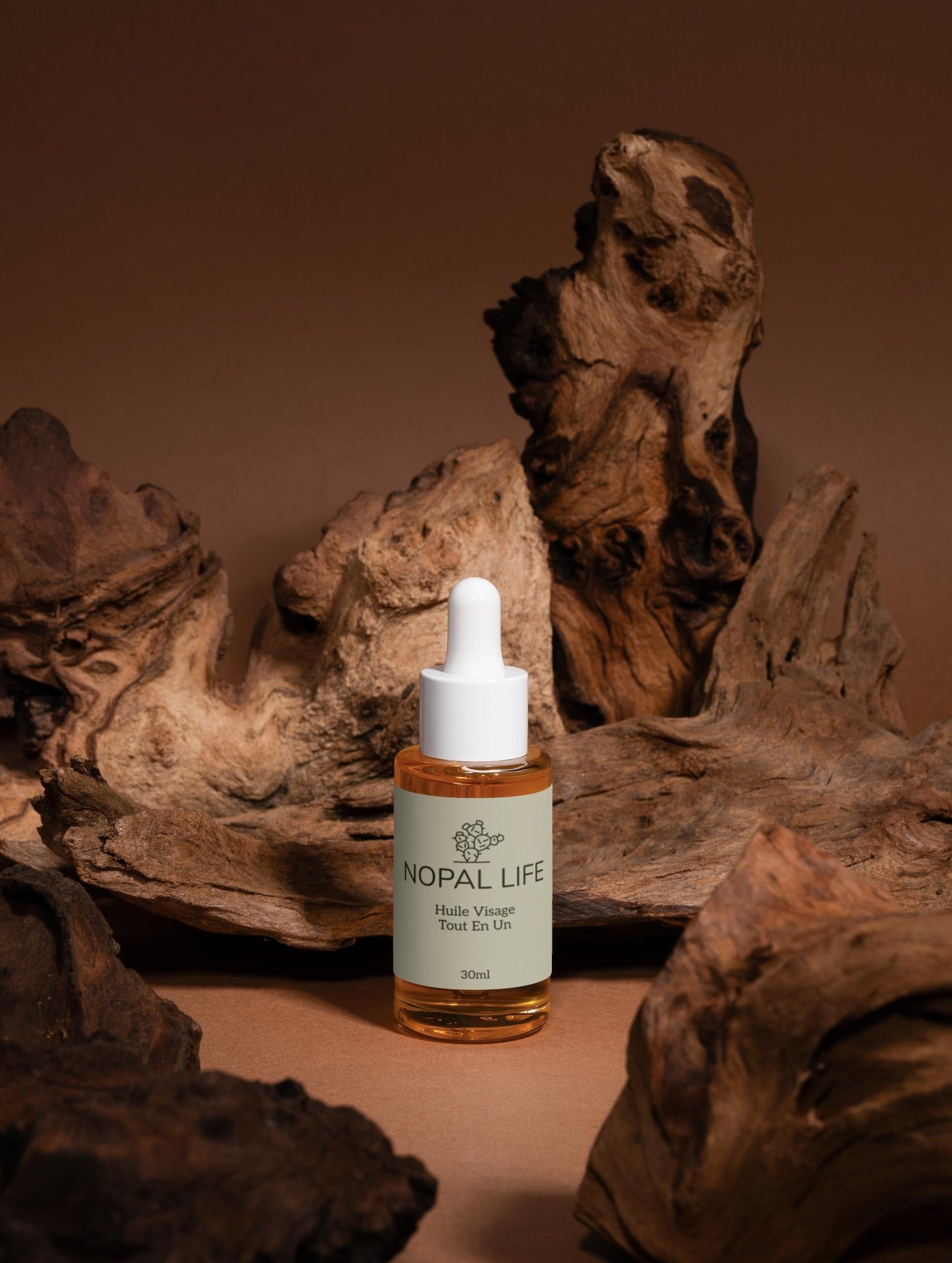
Nopal Life's Pure Prickly Pear Seed Oil finds an ideal application in supporting skin after 40, due to its composition particularly suited to the needs of mature skin.
Its essential fatty acid profile—rich in linoleic acid (omega-6) and oleic acid (omega-9)—provides valuable lipids to help preserve the comfort of the skin barrier, often challenged after 40. Linoleic acid is a prized component in skincare for mature skin seeking suppleness and comfort.
Its record concentration of natural vitamin E (tocopherols)—among the highest of vegetable oils—provides primary antioxidant protection against free radicals generated by accumulated UV. On mature skin, this protection helps preserve the radiant appearance of the complexion over time.
Light, non-comedogenic, and fast-absorbing, prickly pear seed oil integrates seamlessly into a nighttime routine for mature skin: applied after retinol or after night cream, it seals in active ingredients, nourishes the skin, and provides comfort throughout the night. Regular use for 8 to 12 weeks allows for a visible improvement in skin texture, hydration, and overall radiance.
Frequently Asked Questions
Q: At what age should one start adapting their routine for mature skin?
A: Ideally from 35-38 years old, before the first visible losses of firmness. Preventive active ingredients like vitamin C, daily SPF, and peptides provide more noticeable benefits when introduced before visible signs of aging (loss of firmness, fine lines) are pronounced.
Q: Is retinol really essential after 40?
A: Retinol is one of the most popular active ingredients for radiance and visible firmness to support natural skin renewal and reduce the appearance of fine lines. However, it is not essential if the skin does not tolerate it. Alternatives (bakuchiol, retinaldehyde, peptides) offer interesting results with less discomfort.
Q: Can food supplements help preserve the appearance of the skin?
A: Hydrolyzed collagen peptides (2.5-10 g/day) are valued as a complement to a routine to support the skin's supple and plump appearance over weeks. Vitamin C, zinc, and omega-3 are also nutrients frequently associated with healthy-looking skin, as part of a balanced diet.
Q: Are visible radiance and firming treatments effective or just marketing?
A: Treatments containing recognized active ingredients (retinol, hyaluronic acid, peptides, niacinamide, AHAs, SPF) provide noticeable visible results. However, many formulas rely on too low concentrations. Reading INCI and checking that the active ingredient is among the first 10 ingredients is a quality criterion.
Q: How can the appearance of pigment spots after 40 be reduced?
A: Prevention primarily involves daily SPF 30 minimum and wearing a hat in summer. To reduce the visible appearance of existing spots, active ingredients that help unify the complexion (niacinamide 5%, azelaic acid 10-20%, arbutin) must be used in conjunction with sun protection, without which no treatment will yield visible results.
Q: Is it too late to start a visible radiance and firming routine at 50?
A: No, it's never too late. Skin retains its ability to benefit from adapted care at any age. Retinol, vitamin C, and AHAs provide visible improvements even on mature skin aged 55-60. The intensity of the results is proportional to the regularity and duration of use.
Q: Is prickly pear seed oil suitable for skin after 40 that tends to be combination?
A: Yes. Prickly pear seed oil is particularly well tolerated on combination skin thanks to its high linoleic acid content (non-comedogenic) and its light, fast-absorbing texture. After 40, formerly combination skin often lacks hydration in the T-zone, making the oil even more suitable.
Q: Do UV rays have more impact on mature skin than on young skin?
A: Yes. Mature skin is more sensitive to UV: its appearance is more easily marked, and areas already weakened are further affected. Daily sun protection is therefore even more valuable after 40 than at 25 to preserve the skin's appearance.
RECOMMENDED TREATMENT
Pure Prickly Pear Seed Oil
Natural Formula · Origin Algeria
DISCOVER THIS TREATMENT →PERSONALIZED ROUTINE
Nopal Life Skin Intelligence™
Free Diagnostic · 2 minutes
DISCOVER MY ROUTINE →This content is informative and educational; it does not replace medical advice, diagnosis, or dermatological consultation. In case of doubt or persistent skin problems, consult a qualified healthcare professional.
Our anti-aging treatments