Mature skin: the radiance and comfort routine
As the years go by, skin tells a story — and it deserves proper care. Mature skin: here's a guide to understanding what's at play and acting effectively, combining recognized active ingredients and precious nutrition from prickly pear seed oil.
Mechanisms of aging in dry mature skin: understanding to act better
Dry mature skin is the result of the convergence of two distinct but interconnected processes: intrinsic aging, genetically programmed and inevitable, and extrinsic aging, linked to environmental aggressions and largely avoidable. Intrinsic aging is accompanied by a progressive slowdown in skin activity: natural renewal occurs more slowly, the skin appears less dense, and the amount of sebum produced decreases over time. This overall slowdown contributes to the increasing sensation of dryness, the visible decrease in radiance, and the weakening of the skin barrier's appearance. For dry skin specifically, the drop in sebum is particularly noticeable: with a depleted hydrolipidic film, the skin retains water less effectively and gradually becomes drier, thinner in appearance, and more uncomfortable. With age, the dermis appears thinner, which characterizes the appearance of mature skin.
Comfort and skin dryness: specific causes of mature skin after 50
From the age of 50, skin dryness on mature skin sets in due to several cumulative factors that mutually reinforce their effects. First, the decrease in sebum quantity deprives the skin of its natural emollient: without the protective lipid film normally present on the surface, water evaporates more easily and the skin dehydrates more rapidly. The reduced presence of natural moisturizing factors, naturally present on the surface (amino acids, urea), diminishes the skin's ability to retain atmospheric water. Hormonal changes related to menopause often accompany this process: they are associated with a rapid and pronounced loss of volume and hydration, resulting in more marked dryness and sensations of discomfort. Finally, the modification of the lipid composition of the superficial layer contributes to a less comfortable-looking skin barrier. All these simultaneous modifications create a lasting state of dryness that requires a specific, comprehensive, and constant care strategy.
Complete skincare protocol for dry mature skin: comfort and radiance
A skincare protocol adapted to dry mature skin focuses on three simultaneous objectives: preserving and maintaining hydration, supporting the comfort of the lipid barrier, and assisting the skin's natural renewal. For hydration, the "occlusive over humectant" principle is fundamental: first apply a humectant serum (multi-weight hyaluronic acid, glycerin, betaine) that draws water to the skin's surface, then seal this hydration with an emollient-occlusive (rich cream with ceramides, vegetable oil, squalane) that limits evaporation. For barrier comfort, ceramides, essential fatty acids (linolenic, linoleic), and phytosterols contribute to the supple and comfortable appearance of the superficial layer. To support natural renewal, a low-concentration retinol (0.025 to 0.1%) used two to three times a week in the evening, in an oily texture to limit discomfort, is appreciated for helping to preserve the skin's firm and plump appearance. This protocol adapts to the seasons: more occlusive in winter (add a layer of vegetable oil over the cream), lighter in summer while strictly maintaining SPF 50 sun protection.
Mistakes to avoid for dry mature skin
The first mistake is using overly aggressive cleansers (foaming gels with sulfates, alkaline soaps) that disturb the skin's slightly acidic pH and deplete the little hydrolipidic film present on dry mature skin. For this skin type, cleansing should be done with cleansing milks, balms, or oils, or sulfate-free syndet (synthetic detergent) formulas. The second mistake is using very hot water to wash the face: hot water dissolves surface lipids and accentuates dryness; lukewarm or cool water is preferable. Third mistake: neglecting sun protection under the pretext that "mature skin appears less protected." It is precisely for this reason that sun protection is even more important for mature skin: with a seemingly less effective barrier, it is better to protect the skin daily. Fourth mistake: settling for a single layer of light cream, thinking it's enough. On dry mature skin, a multi-layered routine (hydrating serum + rich cream + vegetable oil in the evening) is often necessary to maintain a satisfactory level of hydration, especially in cold weather or air-conditioned environments.
Skin radiance and density: what the appearance of skin reveals over the years
The radiance of dry mature skin is directly related to the dense and smooth appearance of the skin. With age, the skin gradually loses its apparent firmness, which changes how light interacts with the skin's surface. Skin that appears dense and well-hydrated has a plump and smooth appearance that reflects light uniformly — this is what we call radiance. Skin that looks depleted and dehydrated has a micro-irregular surface that diffuses light randomly, giving a dull complexion. Helping to restore radiance therefore involves careful care, beyond simple surface hydration. Biomimetic peptides (palmitoyl pentapeptide, matrikine), vitamin C in cosmetics, and minerals like copper, zinc, and silicon are among the most popular active ingredients for helping to preserve the skin's firm appearance and visible radiance.
The Nopal Life response: targeted care for dry mature skin
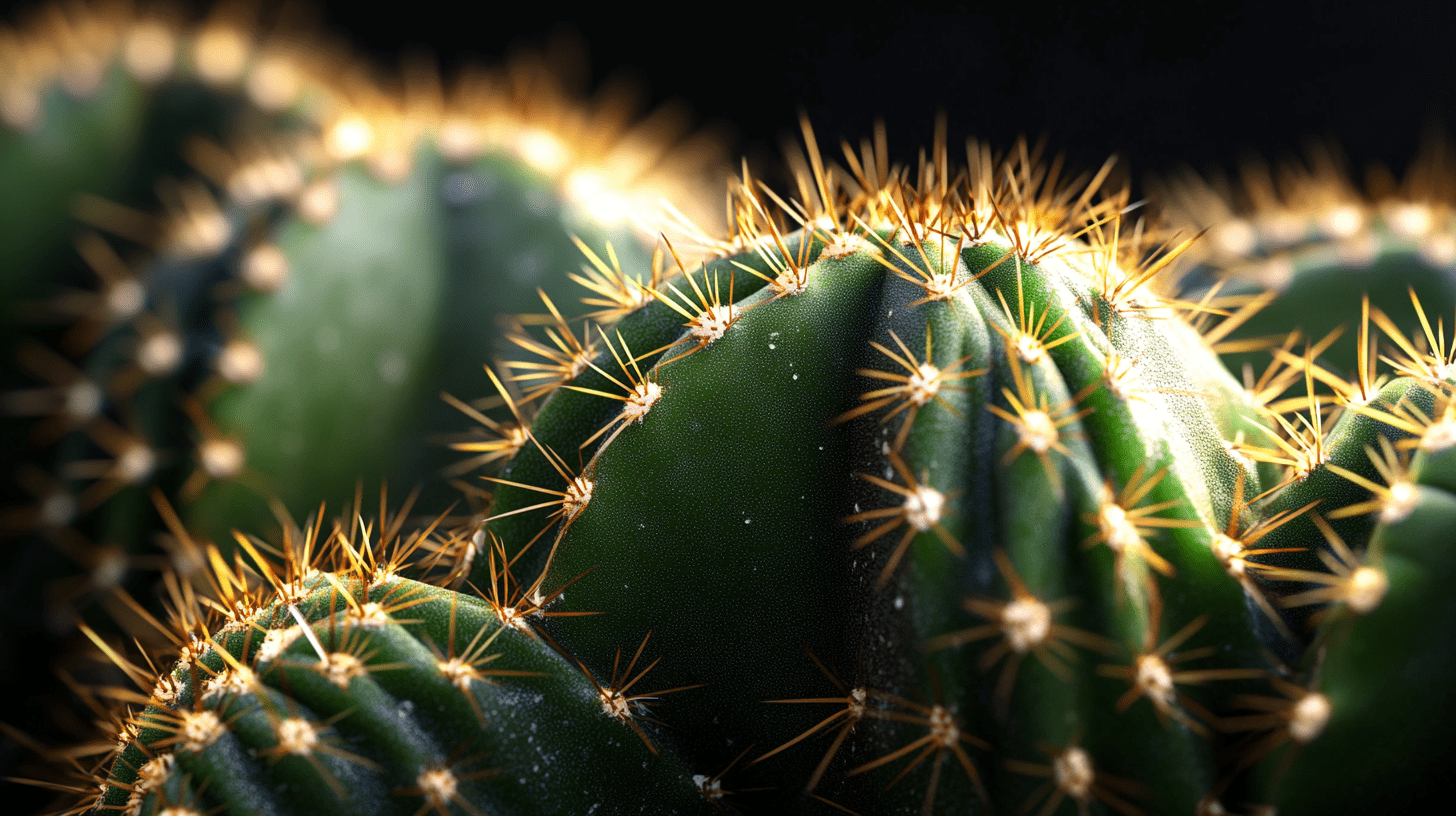
Dry mature skin has nutritional, comfort, and protection needs that go beyond what most conventional cosmetic formulas offer. Nopal Life's Pure Prickly Pear Seed Oil is one of the few natural active ingredients capable of simultaneously addressing these three dimensions. Its remarkable composition — among the richest in vitamin E of commonly used vegetable oils in cosmetics, a high content of linoleic acid appreciated for skin barrier comfort, and plant sterols — makes it an ideal care oil for dry mature skin. From a sensory perspective, its dry, non-greasy feel is particularly appreciated by skin that needs nourishment without a feeling of occlusion. It penetrates quickly and leaves the skin supple, nourished, and visibly brighter from the first applications. Incorporated every evening into the skincare protocol, as a concentrated treatment or to enrich night cream, it is a cornerstone of the comfort-radiance strategy for dry mature skin. For a complete and personalized approach, Nopal Life's Skin Intelligence helps identify the exact routine suited to your skin profile.
Frequently Asked Questions
Q: What's the difference between dry skin and dehydrated skin on mature skin?
A: Dry skin is a constitutional skin type linked to a low amount of sebum. Dehydrated skin is a temporary or lasting condition related to a lack of water in the skin, regardless of its origin. On mature skin, both often coexist: it is necessary to both nourish (lipids) and hydrate (water + humectant active ingredients) for comprehensive care.
Q: Does menopause necessarily worsen skin dryness?
A: For many women, the skin does indeed appear drier during this period. Hormonal changes are accompanied by more marked dryness and a loss of comfort within a few years around menopause. An adaptation of the routine (richer formulas, double hydration, vegetable oil) is often helpful during this time.
Q: Can prickly pear seed oil replace night cream on dry mature skin?
A: It can enrich or complement it, but not entirely replace it. A night cream contains aqueous active ingredients (humectants, peptides, comfort active ingredients) that oil cannot provide. The ideal is to apply the oil over the still slightly damp cream to create a complete occlusive-nourishing barrier.
Q: How often should a hydrating mask be used on dry mature skin?
A: A rich hydrating mask (shea butter, hyaluronic, ceramides) can be used two to three times a week in the evening, replacing night cream. During winter or periods of intense dryness, daily application for a week can be useful to provide comfort to the skin.
Q: Are eye contour creams essential for dry mature skin?
A: They are very useful because the periorbital skin is extremely thin (0.5 mm), has few sebaceous glands, and is particularly exposed to repeated movements. Eye contour formulas are dosed differently from face creams (more concentrated active ingredients, more delicate textures) for this specific area. Prickly pear seed oil can also be used here with caution.
Q: Can retinol be used on sensitive dry mature skin?
A: Yes, with precautions. Choose a very low concentration formula (0.025%) in an oily base (oil or rich cream). Introduce gradually: one night out of four for a month, then every other night. Always apply to clean, dry skin, never to wet skin (accentuates penetration and discomfort). Hydrate generously the next morning.
Q: What signs indicate that my routine is not suitable for my dry mature skin?
A: Warning signs are: persistent tightness 30 minutes after cleansing, reactive redness after applying skincare products, appearance of dry or flaky patches, burning or stinging sensation with usually tolerated formulas, or a dull complexion that does not improve after 6 weeks of a regular routine. These signs indicate that you need to simplify and strengthen the barrier care before anything else. In case of doubt, the advice of a healthcare professional is recommended.
Read more
Information provided for cosmetic and educational purposes; it does not constitute medical advice.


Go further than this article
Get our skincare guides by email — and start with your free skin diagnostic: 2 minutes, advice tailored to your skin. We ship to the US, UK, Canada, Australia and 27 European countries; somewhere else? Sign up and you will be the first to know when we deliver to your country.
By signing up, you agree to our privacy policy. Unsubscribe in one click.