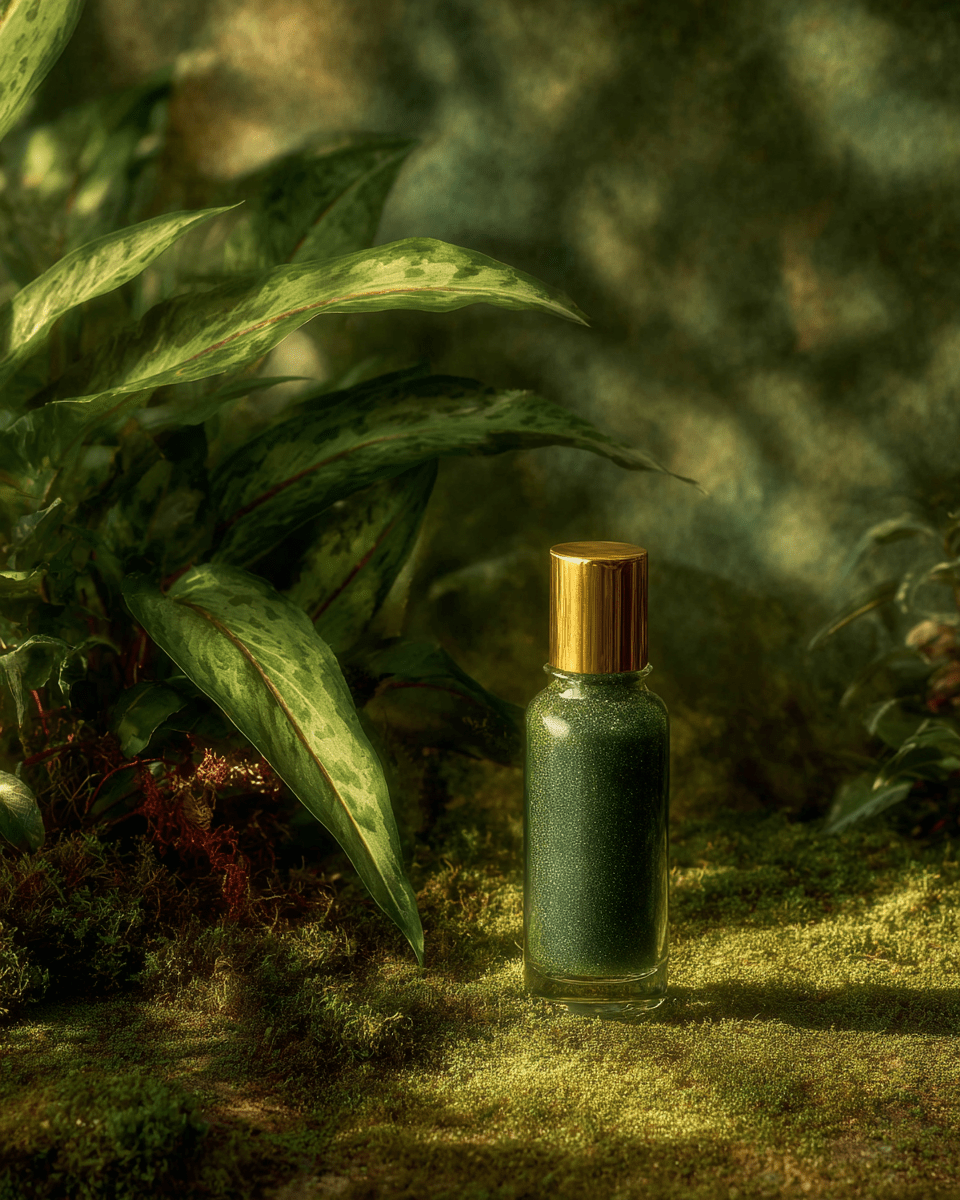
Anti-aging prevention: radiance and refined texture for dull and combination skin
Why start anti-aging prevention before the first visible signs
Skin aging is a process that gradually begins long before its effects become visible. From the age of 25, the skin naturally changes, and its need for care becomes more specific. Waiting for the first wrinkles to appear to react means letting a precious window of opportunity pass. Anti-aging prevention is based on a simple principle: it is easier to support healthy skin than to intervene late. Over time, the skin's comfort and appearance change, which highlights the importance of antioxidant intake from the late twenties. This preventive window, between 25 and 35 years old, is a period where every skincare gesture counts: the skin still responds very well to active ingredients, and the habits taken now form the skin capital for the following decades. Prevention is not a superficial aesthetic approach: it is a regular and careful routine that contributes to preserving the skin's appearance quality in the long term.
Understanding skin aging and its visible factors
Skin aging is linked to two distinct but complementary types of factors: intrinsic aging (related to time) and extrinsic aging (related to the environment). Intrinsic aging follows each individual's natural rhythm and, over the years, results in an evolution of the skin's apparent firmness and hydration. Extrinsic aging is the most avoidable form: sun exposure is its major cause. UV radiation is among the primary causes of the premature appearance of signs of aging on the skin. It can dull the complexion's radiance and emphasize the appearance of fine lines over time. Atmospheric pollution (fine particles, ozone), smoking, and excessive sugar also contribute to this extrinsic aging. The good news: all these factors largely depend on lifestyle choices and care, making extrinsic aging largely preventable.
Photoprotection: the first anti-aging step in any routine
No anti-aging care replaces rigorous photoprotection in terms of prevention. An SPF 30 applied daily, even on cloudy days, helps protect the skin from UVB and, when combined with broad-spectrum filters (UVA/UVB), from UVA. UVA, which has a longer wavelength, can accentuate the visible appearance of signs of aging. Daily application of SPF from a young age is one of the best-recognized preventive measures in cosmetics. The ideal is an SPF 30 to 50 formulated with antioxidants (vitamin C, resveratrol, niacinamide) for a dual approach: protection and comfort against external aggressions. The recommended amount is about 1/4 teaspoon for the face and neck (approximately 1.5 ml). Insufficient quantity significantly reduces the actual effectiveness of the product. Reapplication every 2 hours in case of direct exposure is essential.
Mistakes to avoid in a preventive anti-aging routine
The first mistake is neglecting SPF on cloudy days or in winter: a large part of UV passes through clouds, and car windows filter UVB but not UVA. The second mistake is believing that the age of starting prevention matters little: each year without daily SPF allows effects to accumulate that will manifest later as apparent pigment spots, marked wrinkles, and visible loss of firmness. The third mistake is accumulating non-complementary anti-aging active ingredients without a structured protocol: adding retinol, vitamin C, AHA, niacinamide, and peptides in the same routine without understanding their interactions can create discomfort and instability. The fourth mistake is ignoring the neck and décolleté, areas that often show signs of aging faster than the face and betray age. Extending every product to the décolleté is a simple habit with a strong impact. The fifth mistake is overestimating the effects of cosmetics without addressing lifestyle factors: lack of sleep, smoking, an unbalanced diet, and a sedentary lifestyle accentuate the visible signs of aging to the point of making skincare insufficient to compensate.
Essential antioxidant active ingredients to support skin radiance
Over time, the balance between external aggressions and skin comfort evolves, and an intake of antioxidants becomes fully relevant from the age of thirty. Vitamin C (L-ascorbic acid) is a reference antioxidant: it helps preserve complexion radiance against external aggressions and supports a more even-looking skin. It is readily used in the morning to help the skin cope with daily UV and pollution. Vitamin E (tocopherol) is fat-soluble and contributes to the skin's comfort and apparent suppleness. Coenzyme Q10 (ubiquinol) is a valued antioxidant in skincare whose natural presence in the skin evolves with age. Resveratrol is a plant active ingredient recognized for its antioxidant contribution. Prickly pear seed oil is naturally rich in tocopherols and polyunsaturated fatty acids that contribute to the skin's suppleness and comfort against oxidative stress.
Building a Nopal Life preventive routine from age 30
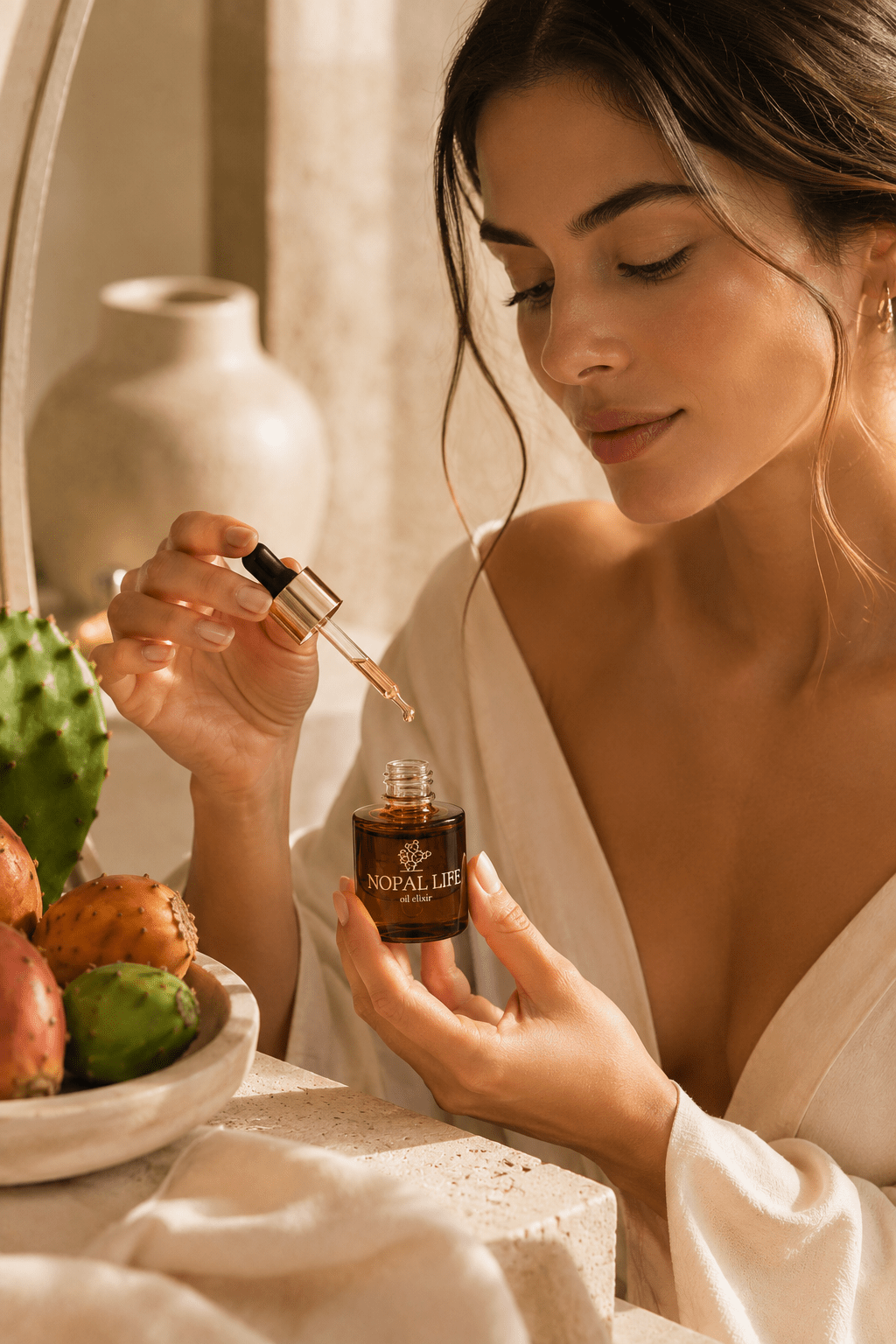
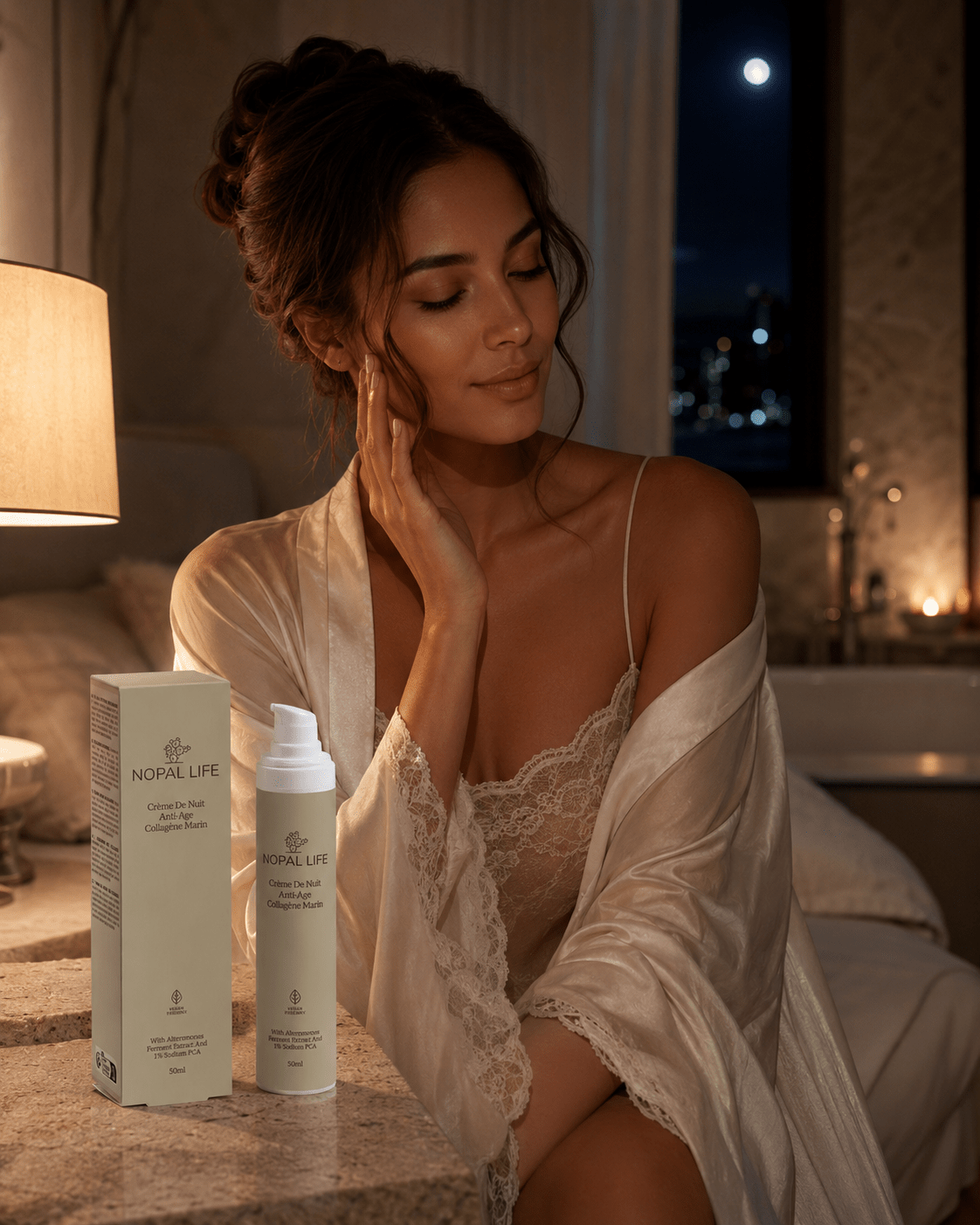
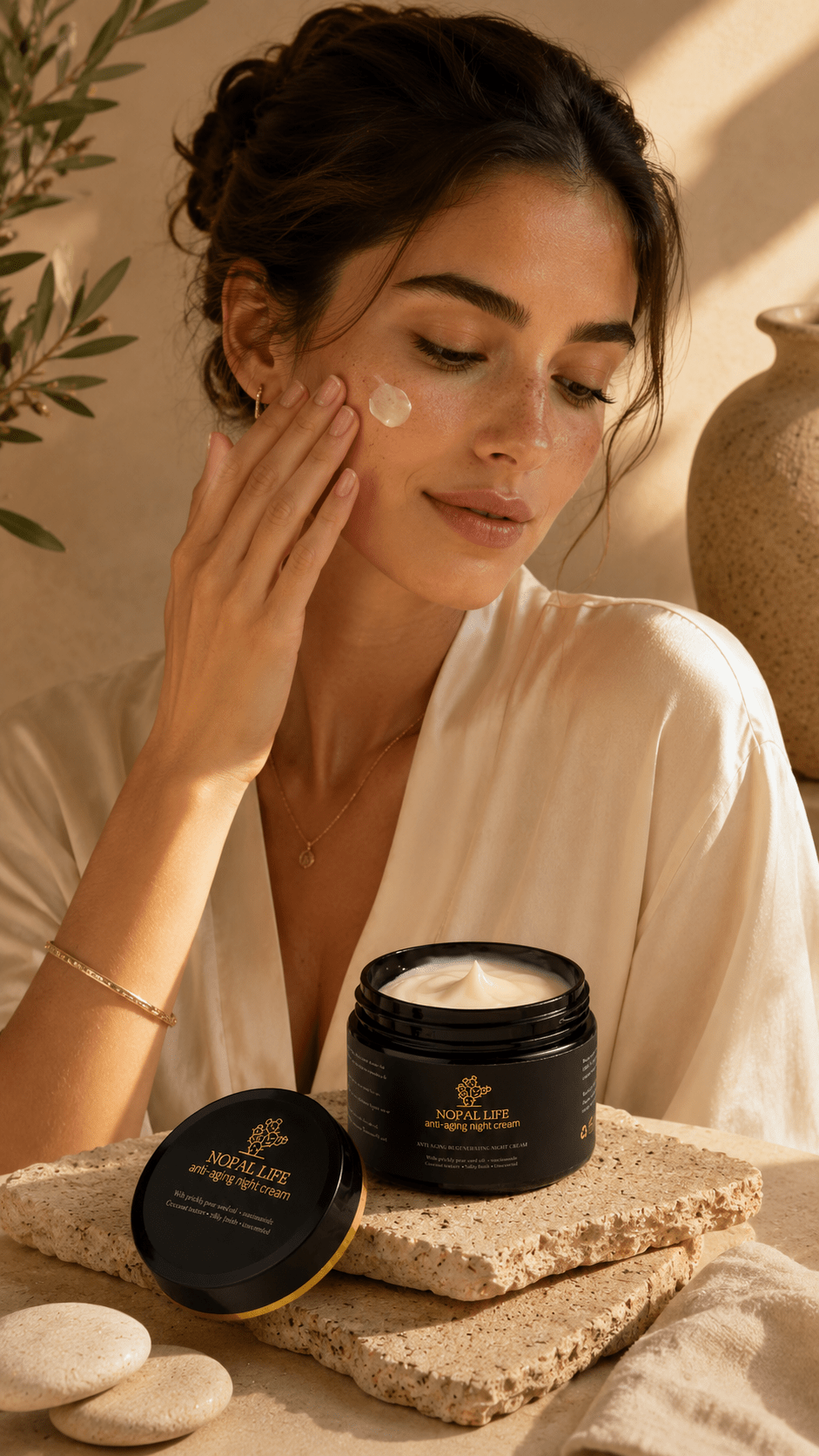
An effective preventive anti-aging routine doesn't need to be complex. Morning: gentle cleansing, 10-15% vitamin C serum, light hydrating cream with niacinamide, SPF 30-50. Evening: double cleansing (if wearing makeup), a few drops of pure Nopal Life prickly pear seed oil to nourish and provide skin comfort, followed 2 to 3 times a week by a renewal active ingredient (lactic acid or low-dose retinol alternately). Regularity takes precedence over complexity. This basic routine covers the three pillars of prevention: protection (SPF + antioxidants), hydration (NMF + hyaluronic acid), and night care (nutritive oil + renewal active ingredient). Prickly pear seed oil, with its richness in omega-6 and vitamin E, perfectly integrates into the nutrition aspect: applied in the evening on slightly damp skin, it is quickly absorbed without leaving a greasy film and helps preserve skin comfort after the aggressions of the day. Our Skin Intelligence diagnosis allows for refining this base according to your skin profile, age, and anti-aging priorities.
Frequently Asked Questions
Q: At what age should I start retinol for prevention?
A: Between 28 and 35, a low-dose retinol (0.025%-0.05%) 1 to 2 times a week is an excellent starting point. Gradually increase the dose according to tolerance.
Q: Is mineral SPF better than chemical for daily use?
A: Both are effective. Mineral SPF (zinc oxide, titanium dioxide) is often preferred for sensitive skin. Chemical SPF generally has a more elegant texture for daily use under makeup.
Q: Do antioxidant dietary supplements replace topical care?
A: No, they are complementary. Oral antioxidants (vitamin C, E, astaxanthin) support the body from within, while products applied directly to the skin act on its appearance and comfort.
Q: Does pollution accentuate the signs of aging as much as the sun?
A: The sun remains the primary cause of visible extrinsic aging. But pollution (fine particles) is often cited as the second factor, especially for urban skin. An antioxidant serum in the morning helps protect against both.
Q: Can a vegetable oil be used as the sole anti-aging treatment at night?
A: For young skin (25-30 years old), yes. For skin over 40, vegetable oil alone may be insufficient: combine it with a renewal active ingredient (retinol, AHA) or peptides.
Q: Does excess sugar accentuate the visible signs of aging?
A: A diet very rich in fast sugars is often associated with skin that shows more signs over time. Limiting fast sugars can have a real impact on skin appearance.
Q: Does smoking affect the skin enough to be worth quitting after 40?
A: Absolutely. Smokers often have a duller complexion and more pronounced signs of aging. When smoking is stopped, the skin's appearance gradually regains radiance and suppleness.
This content is informative and educational; it does not replace medical advice, diagnosis, or dermatological consultation. In case of doubt or persistent skin problems, consult a qualified health professional.
Our anti-aging treatments