Soothing sensitive skin: 6 gentle active ingredients and protocol
To soothe sensitive skin, four gentle active ingredients are essential: aloe vera, centella asiatica, bisabolol, and panthenol, known for supporting skin comfort and reducing the appearance of redness. You can also add shea butter and well-tolerated vegetable oils like prickly pear seed oil. Here are their properties, usual cosmetic concentrations, and a concrete protocol for integrating them into your facial routine.
Understanding sensitive skin before choosing active ingredients
Sensitive skin is characterized by a more fragile skin barrier and increased reactivity: tightness, temporary redness after cleansing, from hard water, or cold. The epidermis then loses more water and tolerates formulas too rich in irritants poorly. Good ingredients do not "treat" sensitivity: they help to hydrate and limit daily discomfort, through well-tolerated products, without aggressive perfumes or denatured alcohol. Our guide how to recognize sensitive skin details the signs to observe.
The table of reference soothing active ingredients
To help you navigate, here are the main soothing active ingredients, their origin, what they bring to the appearance and comfort of the skin, as well as their usual cosmetic concentration in a well-tolerated formula.
| Active Ingredient | Origin | Benefits | Usual Concentration | Ideal Time |
|---|---|---|---|---|
| Aloe vera (gel) | Aloe barbadensis leaf | Immediate freshness, light hydration | Aqueous base, high proportion | Morning and evening |
| Centella asiatica | Plant (gotu kola) | Comfort for fragile skin | Extract 0.1 to 1 % | Serum, day or night |
| Bisabolol | Chamomile (or reproduced) | Softness, good tolerance | 0.1 to 1 % | Cream, day or night |
| Panthenol (B5) | Provitamin B5 | Suppleness, feeling of comfort | 1 to 5 % | Serum or cream |
| Shea butter | Shea nut | Emollient effect, protective film | 1 to 5 % | Balm, night care |
| Prickly pear seed oil | Prickly pear seeds | Light nourishment, dry finish | 2 to 3 drops at the end of routine | Especially in the evening |
These benchmarks correspond to common cosmetic uses; they help in reading an INCI list with an informed eye.
Aloe vera: hydration and freshness
Aloe vera gel is rich in water and polysaccharides (like acemannan) which help to hydrate and provide an immediate sensation of freshness. Traditionally used topically for centuries, it is appreciated for its light texture and comfort on tight skin, on the face as well as on the body. It is found at the heart of several of our products, such as the Aloe Vera Gentle Cleansing Foam and the Aloe Vera Hydrating Day Cream. To go further, see aloe vera: hydration and soothing.
Centella asiatica: the ally for fragile skin
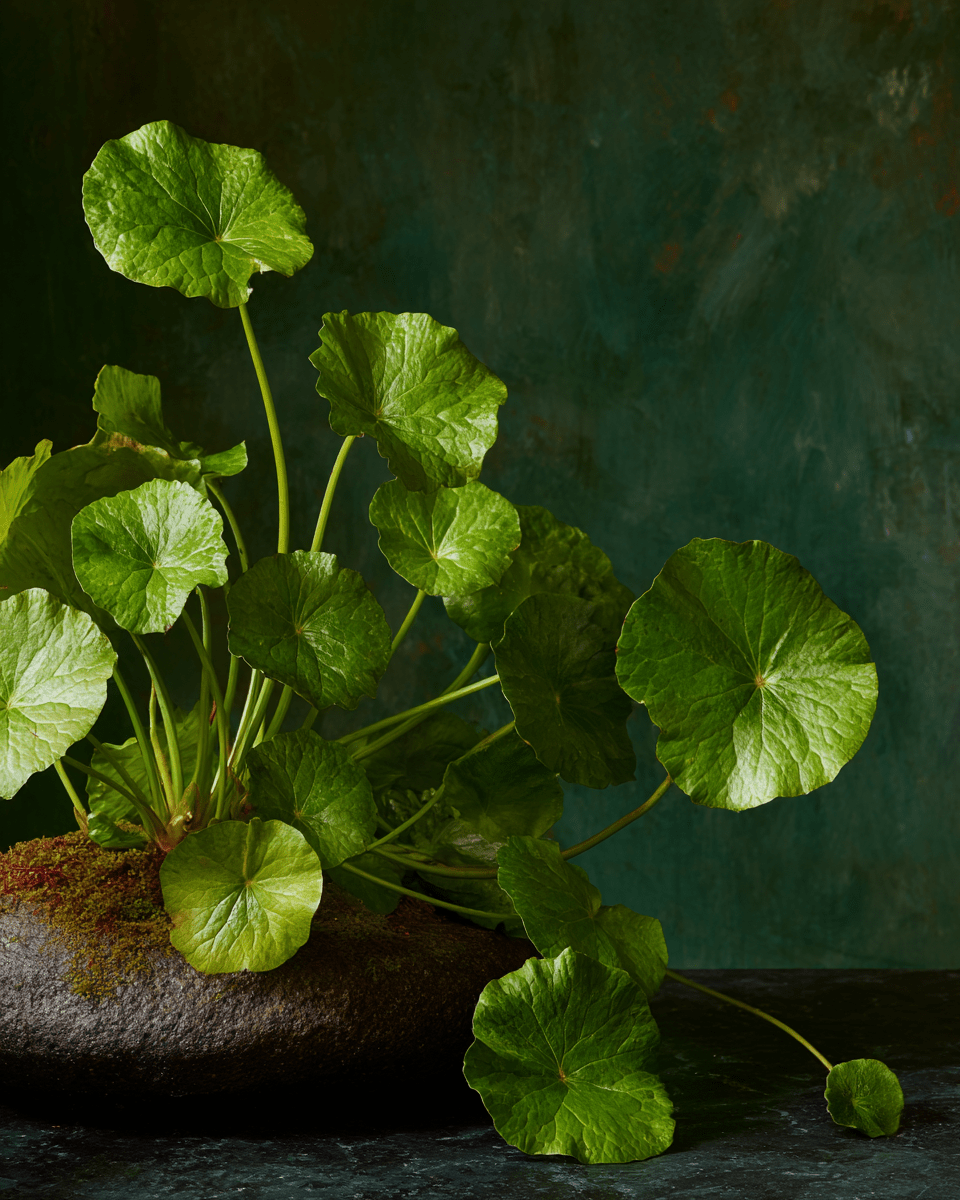
Centella asiatica, also called gotu kola, is a plant long used in traditional medicine. In cosmetics, it is highly valued for fragile skin, which gives it a prominent place among so-called "soothing" ingredients. It integrates well into minimalist routines, often in serum form. Our article centella asiatica: soothing delves deeper into the subject.
Bisabolol: the softness of chamomile
Bisabolol is an active ingredient extracted notably from chamomile. Known for its great gentleness and good tolerance, it has long been used in cosmetics for reactive skin. Its presence in a formula generally indicates a quest for tolerance. Discover: natural bisabolol.
Panthenol: comfort and suppleness
Panthenol (provitamin B5) easily penetrates the epidermis, where it is converted into pantothenic acid. It helps maintain suppleness and limit tightness, making it an excellent ingredient for skin with temporary redness. It pairs very well with aloe vera in the same product, as shown in our guide combining panthenol and aloe vera.
Shea butter and prickly pear seed oil: nourishing without heaviness
Beyond aqueous active ingredients, two well-tolerated fatty substances complete a soothing routine. Shea butter provides an emollient effect and a protective film that limits water evaporation; it readily incorporates into a balm or night care (see shea butter and nourishment). Prickly pear seed oil, a signature of Nopal Life, is particularly interesting for reactive skin: very rich in linoleic acid (about 60% of its fatty acids) and natural vitamin E (tocopherols), it offers a dry, non-greasy finish that absorbs quickly. A few drops of prickly pear oil at the end of the routine are enough to seal in hydration without a heavy feel. To combine it, read combining rose water and prickly pear seed oil.
Gentle vegetable oils
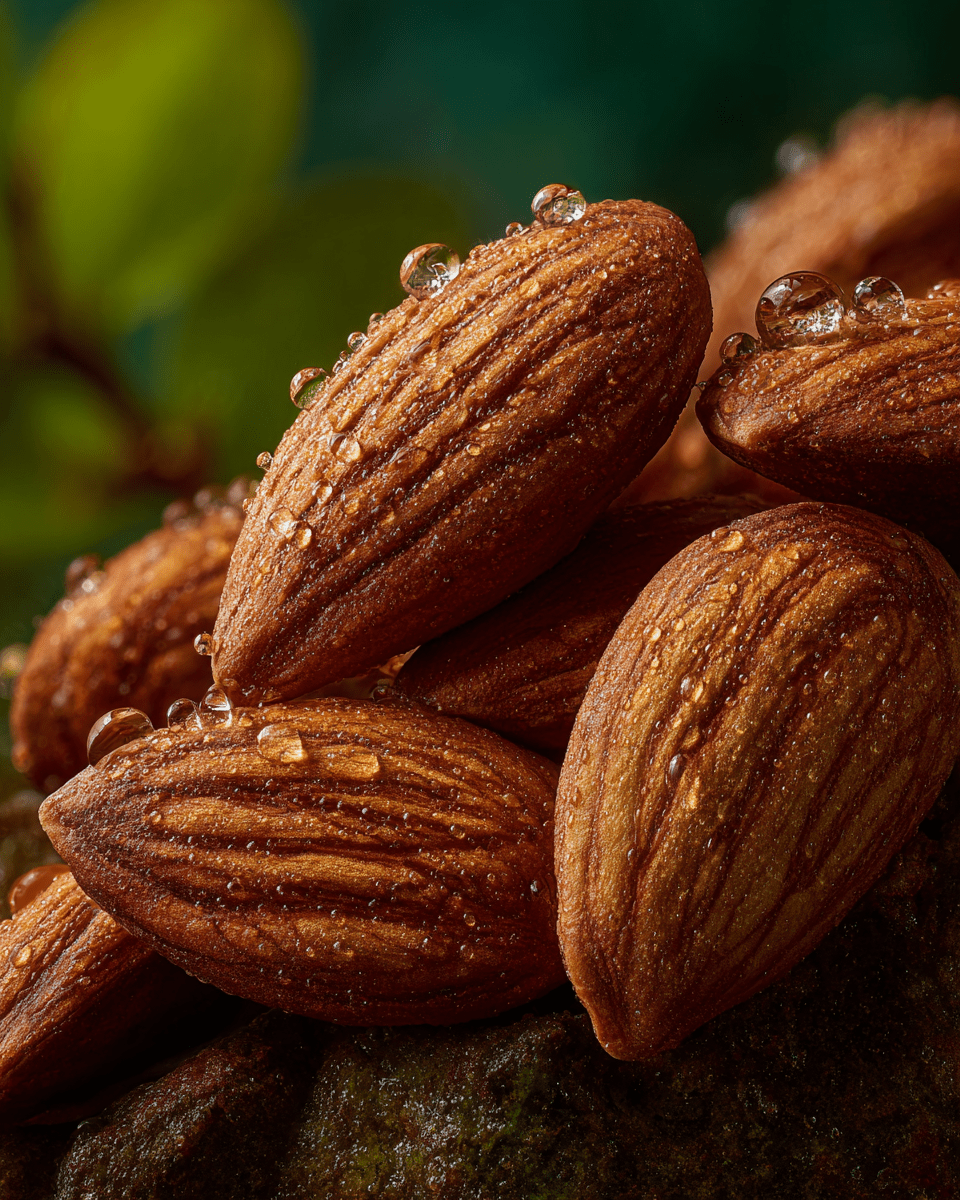
Beyond shea butter, a few light, non-comedogenic vegetable oils complete the routine. Jojoba, similar to sebum, helps restore the hydrolipidic film; sweet almond soothes tightness; prickly pear seed oil, rich in essential fatty acids, nourishes without a greasy effect. Chosen virgin, they are used in very small quantities, alone or mixed with cream, and prolong hydration on skin that feels tight in winter.
Serum, cream, mist or mask: which texture?
Texture matters as much as the active ingredient. A light serum concentrates aloe vera, panthenol, or centella and absorbs quickly; a more enveloping cream seals in hydration. A mist or floral water (rose water) refreshes during the day; a mask applied for 5 to 10 minutes, once or twice a week, prolongs the effect. The application order of serum, cream, and oil details the ideal sequence.
The soothing protocol in 4 steps
Here is a concrete sequence, morning and evening. Each step remains minimalist: fewer ingredients, better tolerated.
- Gentle cleansing — a gentle foam or milk, with lukewarm water (around 30 °C, never hot), for a maximum of 30 seconds. Rinse without rubbing.
- Refresh — 2 to 3 sprays of a soothing mist to prepare the skin. The Gentle Prebiotic Mist hydrates and soothes the appearance during the day.
- Hydrate — a serum or cream combining aloe vera, panthenol, bisabolol or centella, in a thin layer.
- Seal (in the evening) — 2 to 3 drops of prickly pear seed oil, or a small amount of a richer product like the Ceramide Night Cream, which supports the comfort of the skin barrier throughout the night.
Golden rule: introduce only one new product at a time, leaving it for 3 to 4 days before adding another, to easily identify what works.
Ingredients to limit on reactive skin
Avoiding irritants is as important as choosing the right active ingredients. It's best to limit strong synthetic fragrances, denatured alcohol, concentrated essential oils, and abrasive scrubs, which can exacerbate irritation. Opt for short formulas, gentle hydrating agents (vegetable glycerin, ceramides, prebiotics), and non-irritating textures. Our guide ingredients to avoid on sensitive skin reviews this.
On the body too, skin can feel tight after showering or in winter: the same principles apply, with a lotion or shea balm to restore the hydrolipidic film.
To find out which active ingredients are best suited for your skin, take our Skin Intelligence diagnosis: it will guide you to a routine adapted to your profile.
FAQ on soothing ingredients
Are these ingredients suitable for all sensitive skin types?
They are generally well-tolerated, but every skin is unique. In case of known allergies or doubts, perform a patch test on the crook of your elbow 24 to 48 hours beforehand, and seek advice.
Can aloe vera replace a moisturizer?
It provides freshness and light hydration, but a more complete treatment is preferable to sustainably support the skin barrier, especially in winter.
Are centella and bisabolol natural active ingredients?
Centella is of plant origin; bisabolol can be extracted from chamomile or reproduced identically. In both cases, they are appreciated for their gentleness.
Is panthenol suitable for reactive skin?
Yes, it is known for its good tolerance and comforting effect on tight skin, at a usual concentration of 1 to 5%.
Are these active ingredients sufficient for persistent redness?
They can be used daily, but persistent redness or lasting discomfort should be evaluated by a dermatologist for appropriate management.
In summary
Aloe vera, centella asiatica, bisabolol, and panthenol form a gentle active ingredient quartet; shea butter and prickly pear seed oil complete the set for nourishment. The entire routine consists of 4 steps, to be personalized. To build a tailor-made routine, take our Skin Intelligence diagnosis. Next, read: sensitive skin and redness: the guide to soothing your skin.
Sources: Proksch E., de Bony R., Trapp S., Boudon S., "Topical use of dexpanthenol: a 70th anniversary article", Journal of Dermatological Treatment, 2017;28(8):766-773 (on panthenol). The mentioned concentrations reflect common cosmetic uses and not a prescribed dosage.
Information provided for cosmetic and educational purposes; it does not constitute medical advice.
The "How to Choose Your Products and Active Ingredients" Series
What to look for on a label, and what truly distinguishes two similar formulas.
- Organic facial care: natural, organic or clean?
- Natural moisturizing ingredients: how to choose them well
- Plant-based hyaluronic acid: how to choose and apply it
- Women's hydrating face cream: choosing according to your skin
- Donkey milk face cream: composition and choice
- Enzymatic papaya: natural skincare benefits and routine P1
Our anti-aging treatments