Sensitive mature skin: the radiance and comfort routine
Redness, tightness, reactivity to the slightest change: sensitive skin requires gentleness and discernment. This guide on mature skin will help you find lasting relief, with carefully chosen active ingredients and the delicate touch of a NOPAL LIFE routine.
Mature skin and sensitive skin: when two fragilities combine
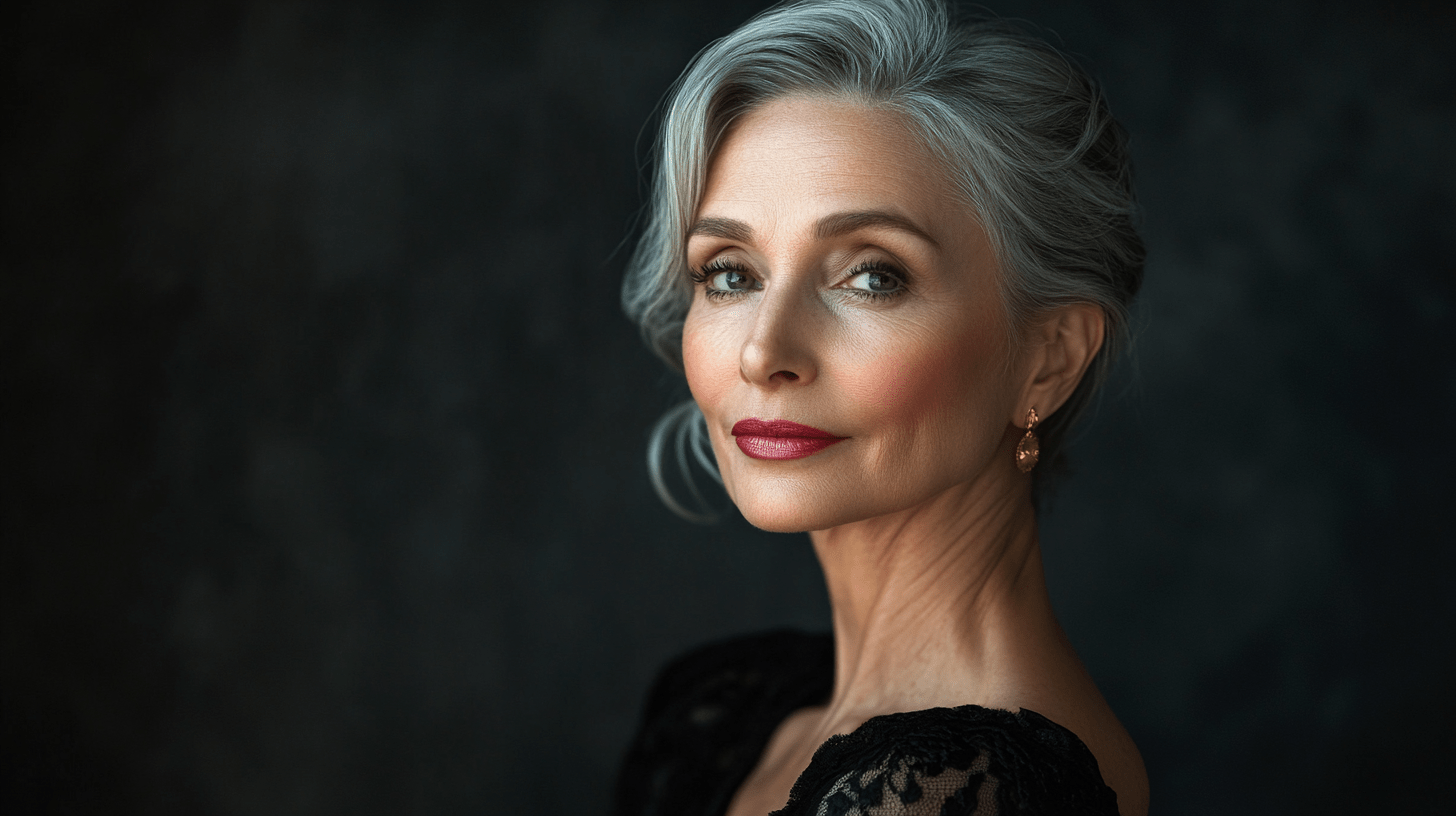
Dry, sensitive mature skin is one of the most delicate skin profiles to manage, as it combines distinct, intertwined problems. Skin maturity is accompanied by visible transformations: natural skin renewal slows down, there is less collagen and elastin, the skin appears less rich in ceramides and lipids, and the skin layers appear thinner. Over the years, the skin gradually appears less firm, less plump, with more pronounced wrinkles. Against this backdrop of skin maturity, sensitivity adds visible skin reactivity: redness, tightness, tingling upon contact with many active ingredients or environmental factors. This double fragility calls for a thoughtful approach where each product choice must simultaneously preserve sensitivity, nourish an impoverished barrier, and support skin whose appearance changes with age.
Understanding mature dryness: beyond simply a lack of water
Dryness in mature skin is not limited to a lack of water—it reflects several facets of skin hydration comfort. Three aspects are at play: an impoverished lipid skin barrier (skin that appears less rich in ceramides, fatty acids, and surface lipids), a reduced presence of natural moisturizing factor (NMF—composed of amino acids, pyrrolidone carboxylic acid, and urocanic acid), and a decreased ability of the skin to retain water on its surface (hyaluronic acid and glycosaminoglycans are less present). Added to this is reduced sebaceous gland activity with age, which leaves the skin with a thinner hydrolipidic film on the surface. The result: skin that quickly absorbs products without ever seeming "satisfied," that flakes, shows dehydration fine lines, and reacts uncomfortably to temperature changes or external agents. Understanding these aspects allows for adapting a hydration strategy that not only provides water but also supports the overall comfort and hydrated appearance of the skin.
Key active ingredients for the radiance and comfort of dry, sensitive mature skin
The radiance-comfort protocol for dry, sensitive mature skin relies on a selection of complementary active ingredients, each chosen for its contribution to skin comfort. Ceramides and essential fatty acids (especially linoleic acid from prickly pear seed oil) help maintain the appearance of a preserved lipid barrier. Low molecular weight hyaluronic acid helps the skin maintain a hydrated appearance, while high molecular weight molecules form a comfortable surface film. Niacinamide (vitamin B3) at 2-5% is particularly popular for sensitive mature skin: it helps unify skin tone, maintain the comfort of the skin barrier, and provides a soothing sensation that is gentle on reactive skin. Peptides (Matrixyl, Argireline) are known to be gentle and well-tolerated, unlike retinol. Prickly pear seed oil, with its plant sterols (beta-sitosterol) and vitamin E tocopherol, completes this panel by providing antioxidant comfort, lipid nourishment, and support for a firm appearance—with excellent tolerance, even on the most reactive skin.
Mistakes to avoid with dry, sensitive mature skin
The first mistake is trying to "correct everything at once" with formulas too loaded with strong active ingredients. Retinols, high-concentration AHAs, pure vitamin C (ascorbic acid), and frequent scrubs can, even at low doses, trigger intolerance reactions on sensitive mature skin. The golden rule is to introduce only one new active ingredient at a time, observing the reaction for at least two weeks. The second mistake is under-hydrating for fear of shine or oiliness: dry mature skin absolutely needs emollients and occlusives to remain comfortable. Light, "oil-free" textures are not enough. The third mistake is neglecting chronic sun exposure: even on cloudy days, UVA rays penetrate windows and, over time, contribute to the appearance of signs of aging and an uneven complexion. The fourth mistake is using micellar waters based on strong surfactants as the only makeup remover: they leave residues that can discomfort sensitive skin and alter the feel of the barrier. Double cleansing with oil then milk remains the gentlest method. Finally, never rub mature skin with exfoliating gloves or sponges—aggressive mechanical movements are unnecessary and uncomfortable for seemingly thinned epidermis.
Building a radiance-comfort protocol: morning and evening routine for sensitive mature skin
The morning protocol begins with a sulfate-free cleanser (cleansing milk or oil), followed by a hyaluronic acid serum applied to damp skin, a nourishing cream with ceramides and fatty acids, and is completed by an essential SPF50 with a mineral filter (titanium dioxide or zinc oxide) to respect sensitive skin tolerance. The evening protocol, which is more nourishing, includes double cleansing, a gentle serum (niacinamide, peptides or allantoin), then 3 to 5 drops of prickly pear seed oil patted onto the face and neck. Regularly applied hyaluronic acid helps the skin maintain a supple and hydrated appearance week after week—a comfort that pairs favorably with the lipid nutrition of the oil. This protocol must be maintained consistently: on mature skin, the appearance evolves gradually, over a minimum of 6 to 8 weeks.
The Nopal Life approach for dry, sensitive mature skin
Nopal Life has developed its offerings specifically for complex skin profiles such as dry, sensitive mature skin. Nopal Life Pure Prickly Pear Seed Oil is the central active ingredient in the radiance-comfort routine: its rich composition of linoleic acid, plant sterols, vitamin E, and carotenoids makes it a complete treatment that nourishes, provides comfort, brightens the appearance, and supports firmness simultaneously. Its relative lightness—low comedogenic index, silky texture, rapid absorption—makes it a daily treatment that can be used without apprehension. Combined with a night cream containing ceramides and a niacinamide serum, it forms a harmonious trio that meets the three desires of dry, sensitive mature skin: maintaining barrier comfort, helping the skin stay hydrated, evening out skin tone, and preserving a youthful appearance. Nopal Life also recommends complementing this routine with a diet rich in antioxidants (vitamin C, polyphenols, omega-3s) to care for the skin from within.
Frequently Asked Questions
Q: Can mature skin become sensitive even if it wasn't before?
A: Yes, this is common. With age, thinning of the epidermis and lipid depletion reduce the skin's ability to cope with irritants. Skin that tolerated all products perfectly at 30 can become reactive at 50 for no apparent reason other than skin maturity.
Q: Can retinol be used on sensitive mature skin?
A: With caution. Bakuchiol, a plant-based alternative to retinol, is often better tolerated on sensitive skin while being appreciated for its comfort. If retinol is chosen, start with a very low concentration (0.025%) once a week, encapsulating it between two layers of moisturizer.
Q: Can prickly pear seed oil replace a night cream for dry mature skin?
A: Yes, for normal-to-dry skin whose appearance changes moderately with age. For very dry skin or in harsh climatic conditions (winter, dry environment), it is better to combine it with a cream or mix a few drops into a light cream for more occlusivity.
Q: How do you distinguish dehydration lines from deep expression lines?
A: Dehydration lines are superficial, form a grid pattern, and significantly diminish after intensive hydration for 48 hours. Expression lines are related to repeated muscle contractions and do not disappear with hydration. A simple test: thoroughly hydrate the skin for 3 days—lines that fade were dehydration lines.
Q: Should your routine be adapted seasonally for sensitive mature skin?
A: Absolutely. In summer, slightly lighten textures but maintain essential lipid nutrition. In winter, increase occlusivity (more oil, richer cream), protect against thermal aggressions (cold, dry heating), and humidify indoor air if possible. Seasonal transitions are often periods of increased reactivity for these skin types.
Q: Can nutritional intake really improve the appearance of dry mature skin?
A: Yes, diet contributes to skin well-being. Marine hydrolyzed collagen (2.5 to 10g/day), omega-3s (EPA/DHA), vitamin C, and biotin are often cited to support comfortable and supple-looking skin.
Q: At what age should one start a "mature skin" routine?
A: The first signs of slower natural renewal often appear as early as 35-40 years old. An appropriate preventive routine (good hydration, lipid nutrition, daily SPF) can begin at 35 to maintain skin barrier comfort and preserve a youthful appearance.
RECOMMENDED TREATMENT
Pure Prickly Pear Seed Oil
Natural Formula - Origin Algeria
DISCOVER THIS TREATMENTRead More
Information provided for cosmetic and educational purposes only; it does not constitute medical advice.


Go further than this article
Get our skincare guides by email — and start with your free skin diagnostic: 2 minutes, advice tailored to your skin. We ship to the US, UK, Canada, Australia and 27 European countries; somewhere else? Sign up and you will be the first to know when we deliver to your country.
By signing up, you agree to our privacy policy. Unsubscribe in one click.