Vegetable oils for hair: which ones to choose?
Not all vegetable oils are equal for hair: some penetrate the fiber, others coat the surface, and still others regulate the scalp. The right choice depends on your hair type and the desired effect. Prickly pear oil, light and rich in omega-6, stands out as a versatile and premium option. Here's a clear comparison to help you choose yours.
Why vegetable oils work on hair
Vegetable oils are rich in fatty acids and vitamin E. On the hair fiber, they play two roles: some coat the cuticle on the surface, smoothing the scales, limiting water loss, and providing shine; others, depending on their composition, are known to penetrate the fiber more deeply.
Coconut oil, for example, is often cited for its ability to penetrate the hair shaft due to its richness in lauric acid, according to research by Rele and Mohile (2003). Other, lighter oils are better suited for finishing or for fine hair.
Comparison of key hair oils
| Oil | Key composition | Texture | Benefits | Ideal for |
|---|---|---|---|---|
| Prickly Pear | Rich in linoleic acid (omega-6), vitamin E | Light | Nourishes, adds shine, limits dehydration without weighing down | Lengths, ends, daily use, fine to dry hair |
| Argan | Essential fatty acids, vitamin E | Unctuous | Nourishes, coats, ideal for finishing | Dry hair, colored, sun-exposed |
| Coconut | Rich in lauric acid | Rich, solid when cold | Known to penetrate the fiber, very nourishing | Very dry, curly, coily hair |
| Jojoba | Wax esters similar to sebum | Light, quickly absorbed | Regulates, doesn't weigh down | Scalp, combination to oily hair |
This table provides general guidelines: each hair type reacts differently, and experimentation remains the best guide.
Focus on prickly pear oil
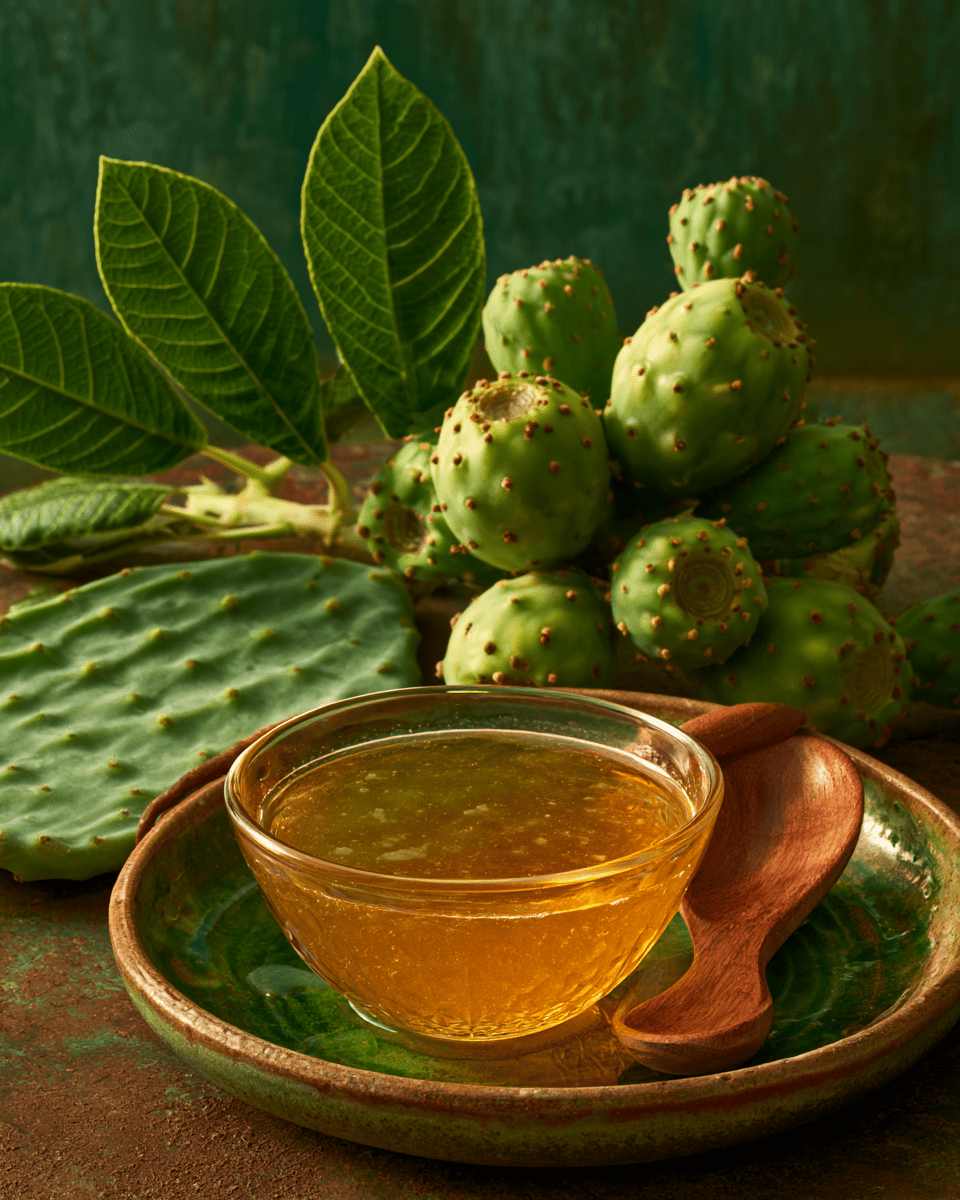
Prickly pear seed oil is one of the most precious natural hair care oils. Particularly rich in linoleic acid (omega-6) and vitamin E, a natural antioxidant, it nourishes the fiber, helps it retain water, and adds shine, all with a light texture that doesn't weigh hair down.
This versatility makes it an excellent choice, both for lengths and ends and for gentle scalp massage. Our Pure Prickly Pear Seed Oil can be used as an oil bath, a finishing product, or a night treatment. (Read: Prickly pear oil for hair)
Which oil for which hair type?
For fine hair or a combination scalp, prefer light oils like prickly pear or jojoba, in small quantities. For dry to very dry, curly, or coily hair, richer oils like coconut or argan provide intense nourishment.
For versatile daily use and a shiny finish without a greasy effect, prickly pear oil is an excellent compromise. And for a sensitive scalp, a light oil in a gentle massage is better suited than a heavy oil. (Read: Dry scalp: causes and gentle care)
For fine hair, jojoba oil remains the safest choice: light, similar to sebum, it doesn't weigh hair down. For thick or coily hair, castor oil and sweet almond oil are better suited, applied in small quantities to the lengths.
For dull hair, a few drops of argan oil as a finish are enough to bring back shine. Oily scalps, however, require restraint: no oil can regulate sebum production, and excess perpetuates the problem rather than correcting it.
How to use a hair oil?
Three main uses: the oil bath before shampooing (generous application, left on for 30 minutes to overnight), finishing on towel-dried or dry hair (a few drops on the ends), and night treatment on the lengths. (Read: Hair oil bath)
Whatever the oil, it's best to start with a small amount and adjust: you can always add more, but it's difficult to remove it. (Read: Natural hair care: the complete guide)
FAQ
What is the best oil for hair?
There is no universal oil: it all depends on your hair type. Prickly pear oil is an excellent versatile choice thanks to its lightness and richness in omega-6.
Can several oils be mixed?
Yes, it's even common. A penetrating oil is often combined with a coating oil to combine nourishment and shine.
Do oils make hair greasy?
If poorly dosed or too heavy, yes. In small quantities and with a light oil like prickly pear, the effect is nourishing without being greasy.
Should oil be applied to dry or damp hair?
Both. On damp hair, oil helps seal in moisture; on dry hair, it tames and adds shine.
Can oil replace a mask?
It complements rather than replaces: oils nourish (lipids), while moisturizing masks primarily provide water and detangling active ingredients.
In summary
Each vegetable oil has its profile: coconut penetrates, argan coats, jojoba regulates, and prickly pear nourishes lightly. For a versatile, shiny, and premium treatment, prickly pear oil is a benchmark choice. Discover our Pure Prickly Pear Seed Oil.
Sources: biocoiff.com, mycosmetik.fr, nalou.fr, energiedelavie.fr. Informative article, not medical advice.
Information provided for cosmetic and educational purposes; it does not constitute medical advice.
Our anti-aging treatments
Go further than this article
Get our skincare guides by email — and start with your free skin diagnostic: 2 minutes, advice tailored to your skin. We ship to the US, UK, Canada, Australia and 27 European countries; somewhere else? Sign up and you will be the first to know when we deliver to your country.
By signing up, you agree to our privacy policy. Unsubscribe in one click.