Oily scalp: what to do?
An oily scalp produces excess sebum due to genetics, hormones, and sometimes unsuitable care. The key is not to wash more, but to wash better: gentle shampoos, non-aggressive actions, and balancing active ingredients allow you to gradually space out washes and break free from the vicious cycle of roots that quickly become greasy again.
Roots that shine the day after shampooing, an uncomfortable sensation, hair that lacks volume: an oily scalp is a very common concern. Good news: with the right habits and a gentle approach, it is entirely possible to restore balance and lightness. At NOPAL LIFE, we believe in beauty that respects the scalp, this skin that is so often mistreated.
Why does the scalp become oily?
Sebum is a natural substance, produced by the sebaceous glands to protect and hydrate the hair. The problem arises when it is secreted in excess: the roots become greasy, heavy, and the hair quickly loses its freshness.
Several factors are involved:
- Genetics: some people naturally have more active sebaceous glands.
- Hormones: hormonal variations increase sebum production.
- Unsuitable care: shampoos that are too strong, occlusive products, aggressive actions.
- External aggressions: pollution that clogs the scalp, excessive heat that dries the skin and triggers a reactive secretion of sebum.
The vicious cycle of too frequent washing
This is one of the most common pitfalls: washing your hair too often can worsen seborrhea. By stripping the scalp, you encourage it to produce even more sebum to compensate. Result: the roots become greasy faster and faster, and you feel compelled to wash more.
Breaking free from this vicious cycle requires patience. The goal is to gradually space out washes while using gentle care, to allow the scalp to regain its natural rhythm.
(Read: Dry scalp)
Good daily habits
A few simple habits make a real difference:
- Choose a gentle shampoo suitable for oily hair. The cleansing agents should not be too "strong" to limit reactive seborrhea.
- Wash with lukewarm water, never hot: heat stimulates the sebaceous glands.
- Massage gently: a delicate massage with fingertips, without nails, activates microcirculation.
- Rinse thoroughly to avoid leaving residues that weigh down the roots.
- Avoid touching your hair too much during the day, which redistributes sebum.
- Space out heat sources (too hot hair dryer, repeated straightening).
Natural active ingredients that rebalance
Nature offers several valuable allies to help limit oiliness and excess shine, from a cosmetic perspective:
- Green clay: known for its absorbent action, it helps gently balance excess sebum.
- Apple cider vinegar: used diluted as a final rinse, it helps rebalance the scalp's pH.
- Nettle: traditionally used for oily scalps.
- Hydrosols (peppermint, rosemary): refreshing and purifying.
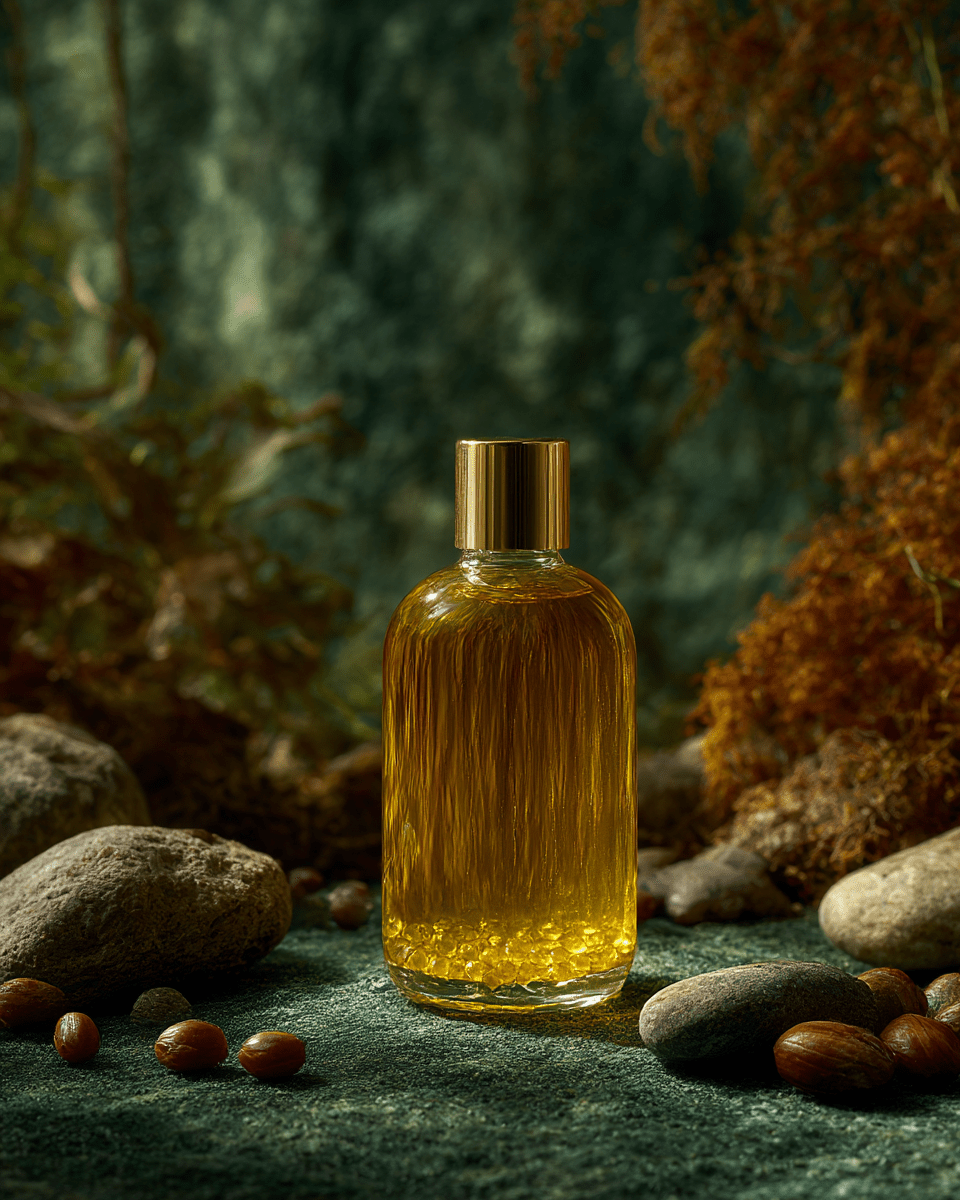
And oil in all this? Contrary to popular belief, a fine oil is not the enemy of an oily scalp: applied to the lengths and ends (and not to the roots), pure prickly pear seed oil nourishes the fiber without weighing down the scalp.
When the scalp remains a skin issue
An oily scalp accompanied by greasy scales, redness, persistent itching may be indicative of seborrheic dermatitis. In this case, cosmetic approach is no longer sufficient: a dermatological opinion is recommended to make a diagnosis and propose appropriate management.
As the scalp is a skin in its own right, our Skin Intelligence diagnostic can help you get to know it better and personalize your care.
(Read: Natural hair care: the complete guide)
FAQ
How many times a week should oily hair be washed?
There is no universal rule. The idea is to use a gentle shampoo and gradually space out washes to allow the scalp to rebalance itself.
Is dry shampoo a good solution?
It provides temporary relief by absorbing sebum, but it does not treat the cause and does not replace washing. Use in moderation.
Can oil be put on an oily scalp?
Yes, provided it is applied to the lengths and ends, not to the roots, and a light oil is chosen.
Does stress make hair oily?
Stress can influence sebum production via hormones, among other factors.
My scalp is oily and itchy: what should I do?
Persistent itching associated with greasy scales warrants a dermatological opinion to rule out seborrheic dermatitis.
In summary
An oily scalp is gently rebalanced: gentle shampoo, non-aggressive actions, balancing natural active ingredients, and gradually spaced washes. Oil, correctly applied to the lengths, remains an ally. And if redness or itching persists, a dermatologist will be able to guide you.
To nourish your lengths without weighing down your roots, discover our pure prickly pear seed oil.
Sources: Aroma-Zone, Klorane, René Furterer. Informational article, not medical advice.
Information provided for cosmetic and educational purposes; it does not constitute medical advice.
Our anti-aging treatments
Go further than this article
Get our skincare guides by email — and start with your free skin diagnostic: 2 minutes, advice tailored to your skin. We ship to the US, UK, Canada, Australia and 27 European countries; somewhere else? Sign up and you will be the first to know when we deliver to your country.
By signing up, you agree to our privacy policy. Unsubscribe in one click.