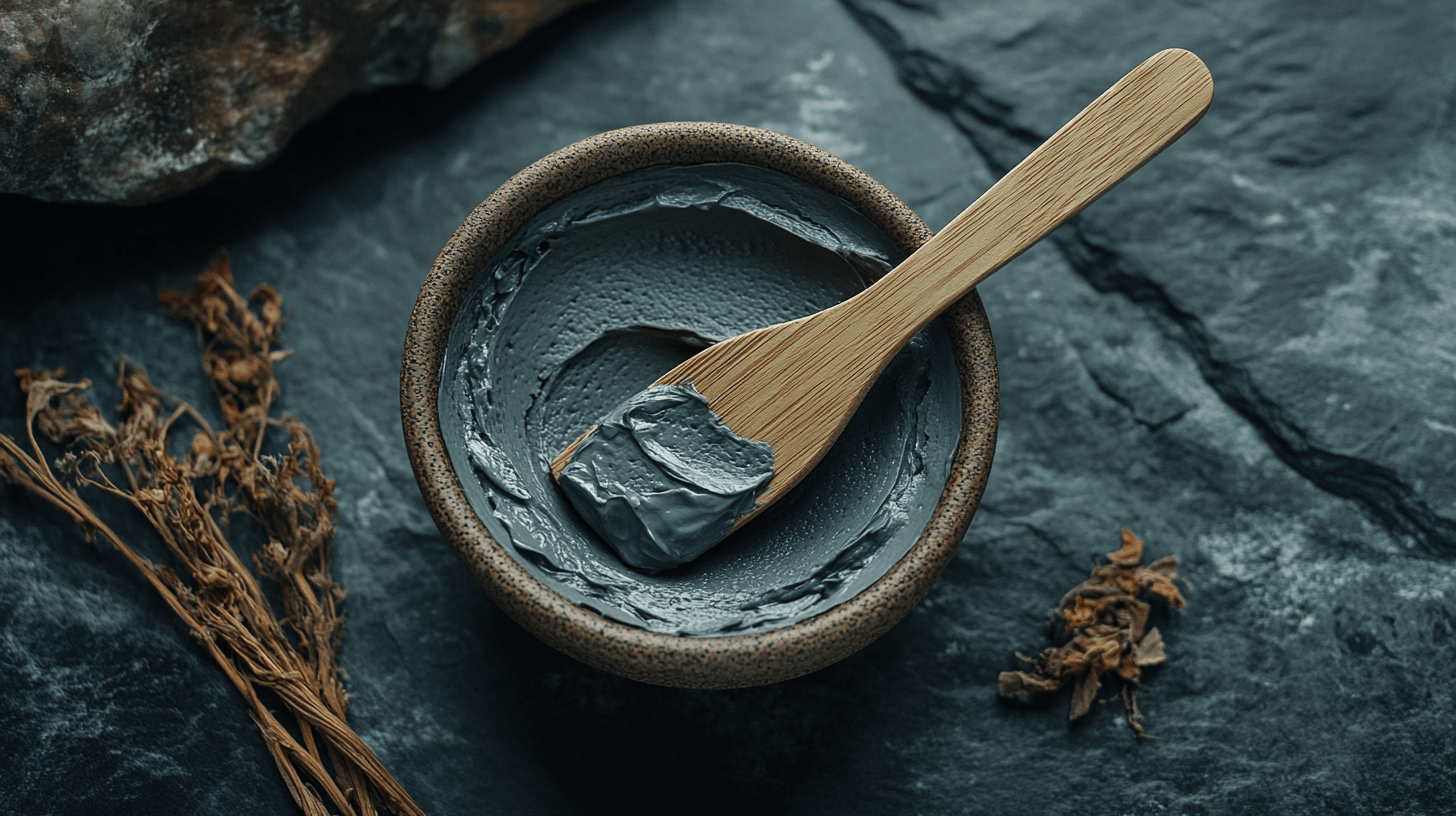
Mask: reinforced barrier for dehydrated and sensitive skin
Water is the primary skin care. Through masks, this guide teaches you how to replenish the epidermis with hydration and seal in that freshness — a few drops of prickly pear seed oil as a final touch.
Facial masks for sensitive dehydrated skin: understanding specific needs
Sensitive dehydrated skin combines two distinct but related issues. Dehydration is an acquired condition — even oily skin can be dehydrated — characterized by a lack of water in the superficial layers of the epidermis. It manifests as dehydration lines (fine lines that disappear when pressed), a wrinkled, orange-peel-like texture, a feeling of tightness, and a dull complexion. Sensitivity is a reactive characteristic: the skin reacts excessively to physicochemical stimuli that are normally well tolerated (cold, heat, alcohol, perfume, acids). The two conditions often go hand in hand: a dehydrated barrier makes the skin's appearance more exposed to aggressors, and sensitive skin is more prone to feelings of discomfort. Masks are a particularly effective way to address both issues simultaneously because they provide a generous supply of moisturizing active ingredients with prolonged contact time. The application time of a mask promotes a palpable hydrating effect, more pronounced than that of classic short-duration treatments.
Moisturizing active ingredients in masks: effective formulas and composition
An effective moisturizing mask for sensitive dehydrated skin must combine three types of active ingredients with complementary actions. Humectants help capture and retain water in the epidermis: hyaluronic acid (hygroscopic, highly water-attracting), glycerin (good cost/efficiency ratio), allantoin (soothing and moisturizing), betaine (gentle, natural origin). Emollients help soften and smooth the skin's surface by filling in the texture's appearance: linoleic acid, glycerides, vegetable waxes. Occlusives form a film that helps limit water evaporation on the surface: shea butter, beeswax, vegetable lanolin, prickly pear seed oil. The combination of these three types in the same mask is the most rational formulation: humectants deliver water to the epidermis, emollients soften the skin's appearance, and occlusives help seal in this freshness. A very simple but effective mask can be made with 2 tablespoons of aloe vera (humectant + soothing), 1 teaspoon of melted shea butter (occlusive), and 5 drops of prickly pear seed oil (emollient + mild occlusive). This mask is perfectly suited for sensitive dehydrated skin as it is fragrance-free, alcohol-free, and free of harsh preservatives.
Barrier masks: supporting sensitive skin comfort
For sensitive skin with a weakened barrier, rich and soothing masks are a complementary approach to hydrating masks. These formulas provide components similar to those of the skin's film on the surface: ceramides, fatty acids, and structuring lipids. Masks with panthenol (pro-vitamin B5) help soothe and reduce the appearance of redness. Colloidal oat masks have a recognized soothing action that helps calm feelings of discomfort. Centella asiatica (asiaticoside, madecassoside) helps maintain the skin's supple and comfortable appearance. Glycerin combined with ceramides in a "barrier repair" mask helps strengthen the feeling of comfort and limit the sensation of tightness from the first application — a useful gesture before prolonged exposure to cold or wind. Niacinamide, well tolerated by sensitive skin, is appreciated in masks to help unify the complexion's appearance: a niacinamide mask used twice a week is a gentle and comfortable approach for sensitive skin.
Mistakes to avoid with masks on sensitive dehydrated skin
The first mistake is to apply absorbent clay masks on sensitive dehydrated skin. Clays (kaolin, bentonite, rhassoul) are appreciated for oily and combination skin because they help mattify the appearance of shiny areas. On dry and dehydrated skin, they accentuate the feeling of tightness and can cause lasting redness. The rule: clay only on oily areas, and never on reactive sensitive skin. The second mistake is to use sheet masks containing alcohol or fragrance: these ingredients, often present in cheap formulas, can irritate sensitive skin during extended wear time. Always read the INCI list before using a sheet mask. The third mistake is to leave the mask on for too long, risking it drying out and creating a "vacuum" effect that draws water from the epidermis instead of supplying it. Respect the indicated application times (10-15 minutes maximum for hydrating masks). The fourth mistake is to neglect the post-mask step: always apply a cream or oil after the mask to seal in the deposited active ingredients and limit evaporation. Without this closing step, the perceived benefits of the mask are halved.
Mask frequency and ritual: optimize without over-stimulating
For sensitive dehydrated skin, the optimal mask frequency is twice a week. A higher frequency can weaken the skin's comfort due to excessive solicitation, especially for enzymatic masks or those containing more active ingredients. The ideal session follows a logical order: 1) Gentle makeup removal (oil then sulfate-free foam) to rid the skin of impurities that would block the proper distribution of the mask. 2) Even application of the mask in a generous layer, excluding the eye contour and lips. 3) Application time: 10-15 minutes (hydrating masks), 5-8 minutes (enzyme masks). 4) Rinse with lukewarm water or remove with a spatula (some masks can be left on without rinsing). 5) Immediately after: hyaluronic acid serum + ceramide cream + optionally a few drops of prickly pear seed oil to seal. This bi-weekly ritual provides a boost of hydration and comfort that effectively complements the daily routine. The choice of mask can vary: hydrating mask on both nights, or alternate hydrating mask (night 1) and barrier/soothing mask (night 2) to address both aspects of sensitive dehydrated skin.
Nopal Life formulas and masks: incorporating prickly pear seed oil
Nopal Life pure prickly pear seed oil is a premium ingredient for enriching homemade masks intended for sensitive dehydrated skin. Its exceptional composition — dominant linoleic acid (60-70%), rich in vitamin E, plant sterols, betulin — gives it a triple action in the context of a mask: emollient action (softening the appearance of the skin surface), antioxidant action (helping to protect the skin's appearance from oxidative stress during application), and richness in linoleic acid, naturally present in the skin''s film and appreciated for barrier comfort. In practice: add 5 drops of prickly pear seed oil to an aloe vera + shea butter mask, or use it as a pure mask 30 minutes before your ritual (apply 6-8 drops over the entire face, allow to penetrate). Combined with organic honey (natural humectant) and rose water (soothing), it forms a complete treatment mask without the need for additional ingredients. Our Skin Intelligence diagnostic identifies your type of dehydration and sensitivity, and recommends the most suitable masks for your specific profile.
Frequently Asked Questions
Q: Do sheet masks really hydrate the skin, or is it a temporary effect?
A: The immediate hydration felt is real but temporary (2-4 hours) if no occlusive is applied afterwards. With a post-mask ceramide cream, the hydrating effect can last 24 to 48 hours, helping to maintain a more pronounced feeling of hydration.
Q: Can you make a homemade mask with prickly pear seed oil alone?
A: Yes, it's an effective dry mask: 6-8 drops over the entire face, leave on for 30 minutes, remove excess with a soft tissue. Simple, natural, and very pleasant for dry mature skin.
Q: Can a clay mask be used on sensitive skin?
A: Only as a T-zone mask on a localized oily area, and never on dry cheeks or reactive areas. White clay (kaolin) is the least drying if you want a softer option.
Q: Do silicone masks (no-rinse) work better than traditional masks?
A: Silicone masks create an occlusive effect that helps optimize hydration delivery. Effective, but always check for the absence of fragrance and alcohol in the formula for sensitive skin.
Q: Is it normal to have redness after a mask?
A: Slight, temporary redness (5-10 minutes) related to the application of the mask is normal. Persistent redness (more than 30 minutes) or stinging indicates an irritating ingredient — identify the culprit by testing ingredients one by one.
Q: Is niacinamide well tolerated by very sensitive skin?
A: At 5%, it is generally well tolerated. Some poor-quality "niacinamide" formulas contain nicotinic acid (an impurity) which can cause temporary redness (flush). Opt for pharmaceutical-grade formulas.
Q: Can a mask be applied to acne-prone skin if it is also sensitive and dehydrated?
A: Yes, by favoring non-comedogenic masks (without coconut oil, lanolin, cocoa butter) and avoiding areas with marked imperfections. Aloe vera, niacinamide and ceramides are well tolerated on sensitive acne-prone skin.
RECOMMENDED TREATMENT
Pure Prickly Pear Seed Oil
Natural formula · Origin Algeria
Discover THIS TREATMENT →PERSONALIZED ROUTINE
Nopal Life Skin Intelligence™
Free diagnostic · 2 minutes
Discover MY ROUTINE →Read more
Information provided for cosmetic and educational purposes; it does not constitute medical advice.


Go further than this article
Get our skincare guides by email — and start with your free skin diagnostic: 2 minutes, advice tailored to your skin. We ship to the US, UK, Canada, Australia and 27 European countries; somewhere else? Sign up and you will be the first to know when we deliver to your country.
By signing up, you agree to our privacy policy. Unsubscribe in one click.