Kaolin vs. Rhassoul: Which Gentle Clay to Choose?
In the family of gentle clays, two treasures share the favor of delicate skin: kaolin, the universal white clay, and rhassoul, the washing earth of Moroccan hammams. Same gentleness, different uses—here's how to tell them apart.
The verdict in brief
Your skin is dry, sensitive, or delicate and you're looking for a purifying mask that never irritates—absolute gentleness, even on reactive skin.
You want an authentic 2-in-1: a purifying mask AND a natural cleansing wash, for face and hair, in the tradition of the hammam.
Kaolin: mineral delicacy
White clay is the gentlest of all: its moderate absorbent power captures excess sebum without ever drying out. It's the weekly mask for dry, sensitive, or mature skin that wants to purify without stripping. It softens as much as it cleanses.
White clay, or kaolin, is the gentlest of all cosmetic clays. Its fineness and low absorption capacity make it suitable for sensitive and dry skin, where a more active clay would leave a tight feeling.
It comes in several shades depending on the oxides present. Pink clay is a mixture of white and red, suitable for reactive complexions; red clay, richer in iron, is for dull skin. These nuances correspond to different skin types, not to trends.
Rhassoul: the washing earth
Unique in the world, this Moroccan clay has a true washing power: mixed with water, it captures impurities and excess sebum like a gentle soap—without surfactants. Face, body, hair: rhassoul is the complete traditional treatment, passed down for centuries through the hammam ritual.
The match point by point
Pure gentleness: kaolin, unbeatable.
Washing power: rhassoul—that's its unique signature.
Hair: rhassoul, as a natural shampoo.
Very dry skin: kaolin.
Ritual authenticity: rhassoul and its Moroccan heritage.
Availability and price: kaolin, slightly more accessible.
For skin types, the distinction is simple. Kaolin is suitable for sensitive and dry skin, rhassoul for oily skin and scalps. In between, pink clay offers a compromise for reactive complexions that still need some action.
The expected benefits also differ. One mattifies and absorbs; the other cleanses without stripping, providing immediate softness. The ideal use makes them alternate rather than choosing one for all time.
The winning alternation
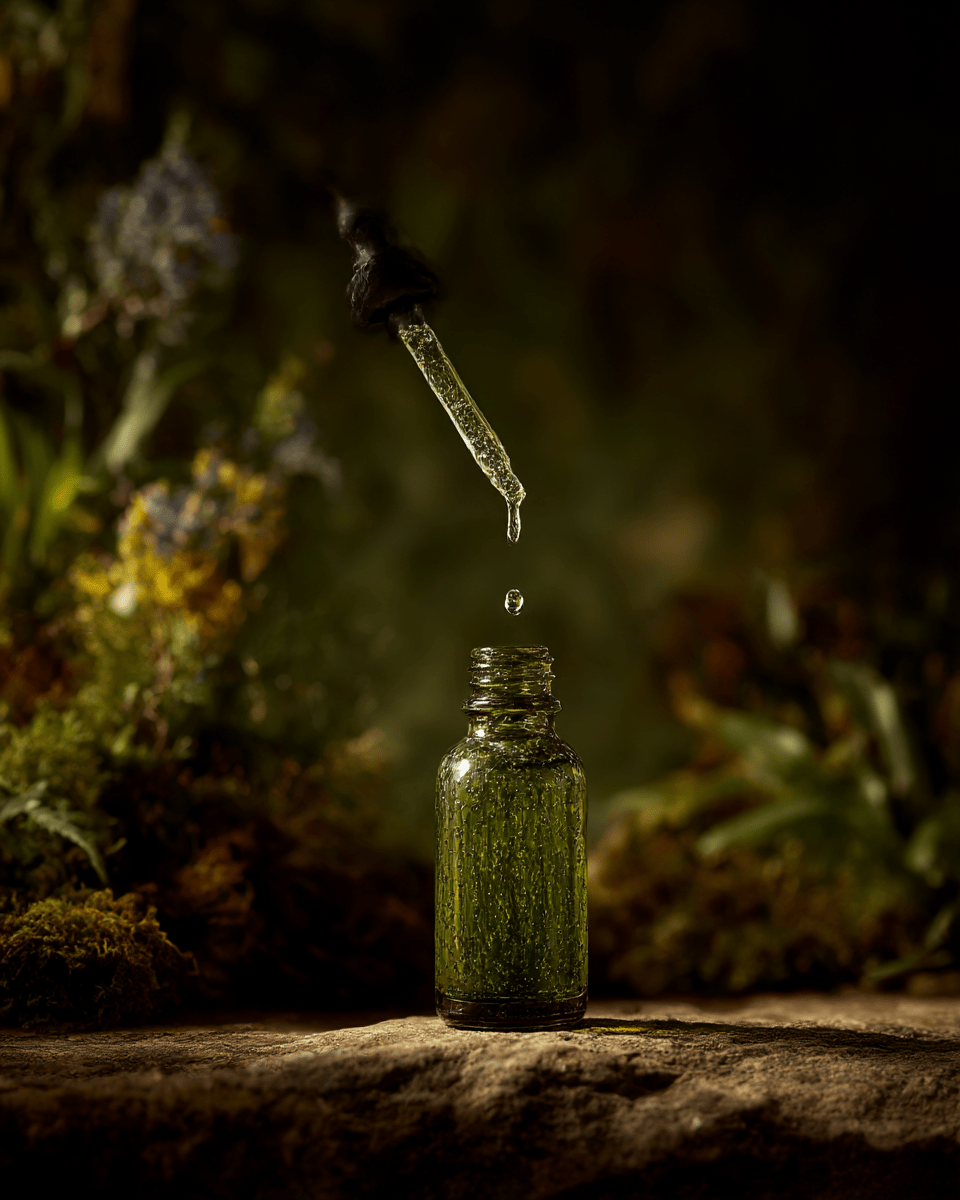
The two clays are not mutually exclusive: kaolin one week for purifying gentleness, rhassoul the next for the complete cleansing ritual. After each mask, the NOPAL LIFE gesture: a soothing toner followed by a few drops of prickly pear oil—because purified skin always deserves to be nourished. The Morocco of clays meets the Morocco of cactus.
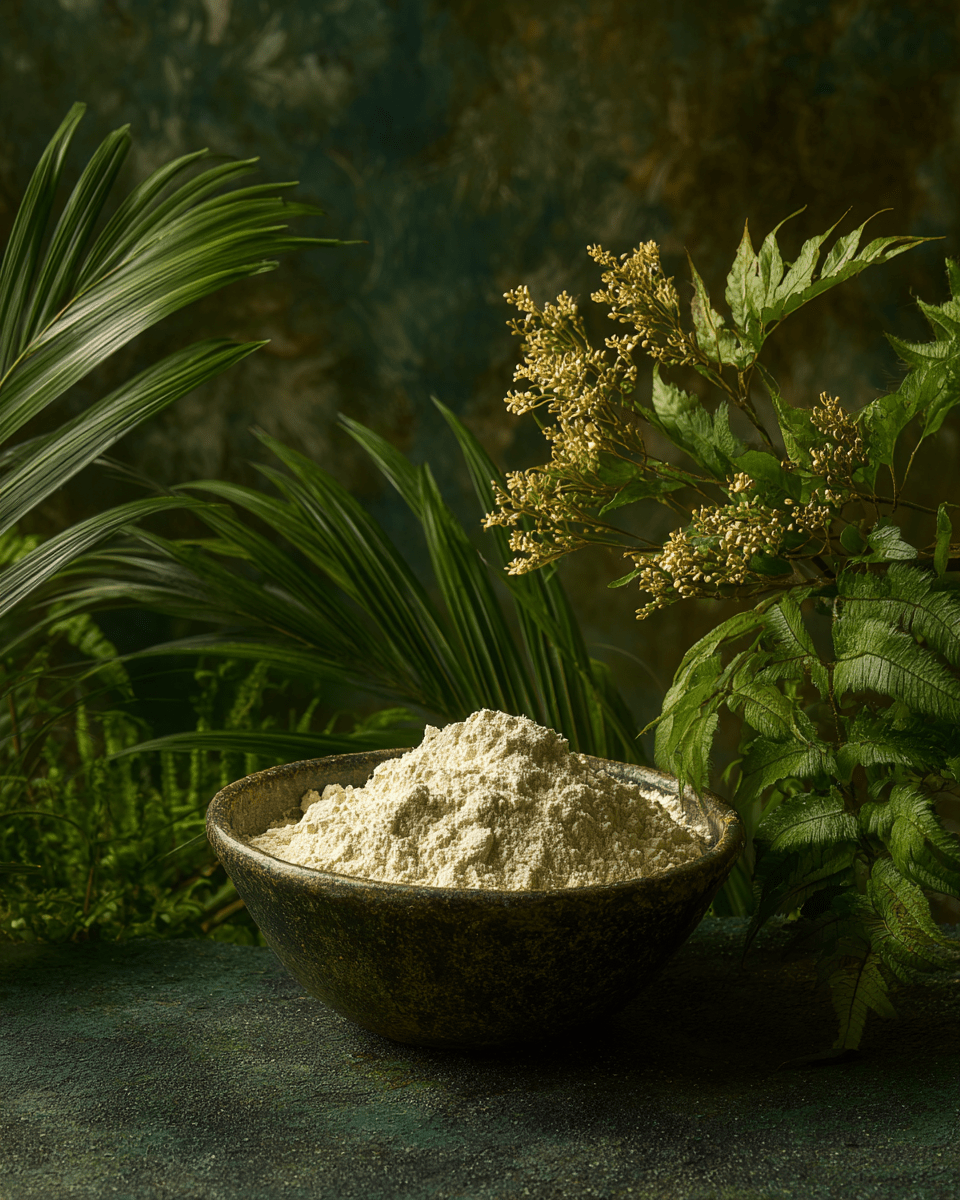
To obtain a paste, count two tablespoons of powder for one of lukewarm water, added gradually. The correct consistency spreads without dripping and does not crack when drying—this is the only reliable indicator, as proportions vary with the fineness of the grind.
For oily skin, rhassoul one week and kaolin the next avoids the dryness that an active clay used alone can produce. This alternation is more useful than the initial choice: neither is ideal every week of the year.
Frequently asked questions
Does rhassoul lather like soap?
No, it doesn't lather—and that's normal: it cleanses by absorption, not by surfactants. The clean feeling is there, without the foam.
Which clay for sensitive combination skin?
Kaolin over the entire face, or rhassoul gently on the T-zone only. Both respect sensitivity—just avoid letting them dry completely.
Can the two clays be mixed?
Yes: 50/50, they make up a balanced mask between the gentleness of kaolin and the cleansing power of rhassoul. A nice customization.
What should I prepare my mask with?
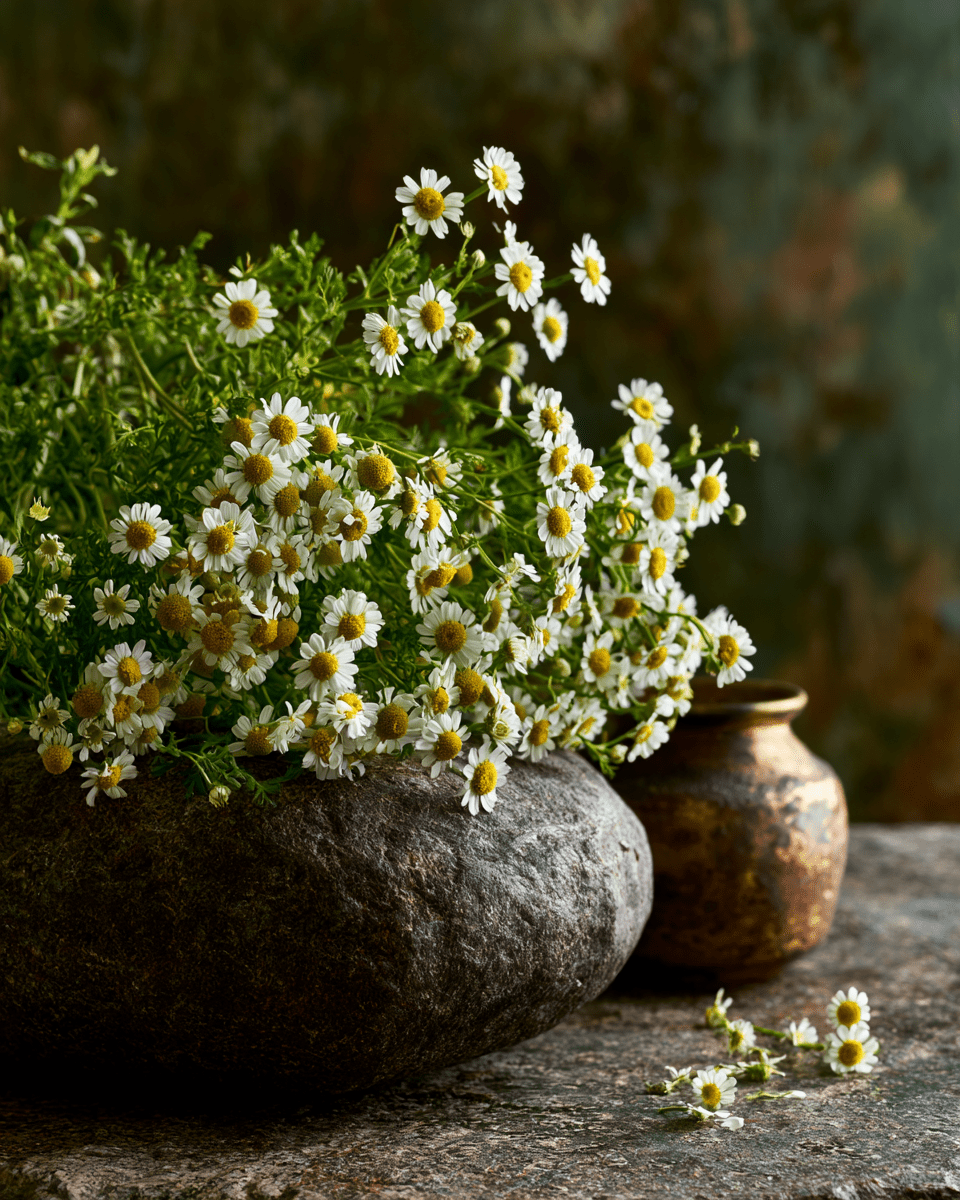
Lukewarm water, floral water (rose, chamomile) or a spoonful of honey to enrich. Always in a non-metallic bowl, and without letting it dry.
How often for each clay?
Once a week is enough for both. For hair with rhassoul: every 7 to 10 days depending on the scalp.
The right preparation steps
The same ritual for both clays: a non-metallic bowl (metal alters their minerals), lukewarm water or floral water, and a smooth paste consistency—neither liquid nor dry. Apply a generous layer, leave on for 5 to 10 minutes WITHOUT ever letting it dry completely (spray water if needed), then rinse with lukewarm water. A clay that cracks on the skin has gone past its time: it starts to draw water from the epidermis instead of absorbing impurities.
The complete hammam ritual at home
Rhassoul invites you to recreate the Moroccan ritual: steam from a hot shower to open pores, rhassoul paste on the face and body, rest, rinse, then the final gesture that traditional hammams have always known—a moderate amount of nourishing vegetable oil. Prickly pear oil, a treasure from the same terroir, naturally finds its place: the earth that purifies, the cactus that nourishes. Kaolin, more universal, simply integrates into the weekly mask of any skincare routine.
Read more
Information provided for cosmetic and educational purposes; it does not constitute medical advice.
To go further on this specific point, see our guide Rhassoul face mask.


Go further than this article
Get our skincare guides by email — and start with your free skin diagnostic: 2 minutes, advice tailored to your skin. We ship to the US, UK, Canada, Australia and 27 European countries; somewhere else? Sign up and you will be the first to know when we deliver to your country.
By signing up, you agree to our privacy policy. Unsubscribe in one click.