Skin microbiome: understanding, protecting, and rebalancing your natural flora
The skin microbiome is currently at the heart of modern dermatology research. This invisible ecosystem, composed of billions of microorganisms, lives in symbiosis on your skin's surface and plays a fundamental role in protecting your skin barrier. For people with dehydrated or sensitive skin, this microbiome is often weakened, imbalanced, and unable to fully perform its protective functions. The skin then loses its suppleness, comfort, and becomes reactive to external aggressions. Understanding the link between the skin microbiome and the skin barrier is essential for adopting an adapted cleansing routine and truly effective skincare. This comprehensive guide explains the mechanisms involved, scientifically validated active ingredients, and the practical protocol to follow to restore your skin's microbial balance while sustainably strengthening your epidermal barrier.
The skin microbiome: mechanisms and impact of cleansing on dehydrated and sensitive skin
The skin microbiome refers to all the resident microorganisms that colonize the epidermis surface. Far from being an enemy, this microbiome constitutes a first-line biological shield: it produces organic acids that maintain the skin's slightly acidic pH (between 4.5 and 5.5), secretes purifying peptides, and competes with undesirable microorganisms. On dehydrated and sensitive skin, this balance is often disrupted, leading to cutaneous dysbiosis that amplifies dryness, discomfort, and reactivity.
Cleansing is one of the most decisive moments for the microbiome. A cleanser that is too aggressive, too alkaline, or formulated with irritating surfactants can eliminate not only impurities but also beneficial microorganisms like Staphylococcus epidermidis, which play a crucial protective role. When this species is depleted, Staphylococcus aureus – an irritation-promoting agent – can proliferate, accentuating skin sensitivity and dryness. This is why the choice of cleanser is strategic for anyone suffering from chronic dry skin.
Cleansing frequency and technique also influence microbial dynamics. Too frequent cleansing with hot water disrupts the natural hydrolipidic film and alters the microbiome's composition in just a few days. Conversely, gentle cleansing, with lukewarm water and a pH-balanced syndet cleanser, preserves microbial diversity and supports the cohesion of corneocytes, cells essential for the integrity of the skin barrier.
A million bacteria per square centimeter live on the skin's surface, along with harmless yeasts and viruses. This community occupies the area and helps defend the skin barrier without the immune system needing to intervene.
Healthy skin is characterized by the diversity of this population rather than its absence. Imbalance occurs when one species dominates, and repeated cleansing is the most frequent cause on dehydrated and sensitive skin.
Scientifically validated active ingredients to restore the microbiome and skin barrier
According to a study published in the Journal of Cosmetic Dermatology (2022), topical application of vegetable oils rich in linoleic acid and oleic acid significantly improves skin microbiome diversity and reduces transepidermal water loss (TEWL) by 28% in four weeks in subjects with confirmed dry skin. These results confirm the role of natural lipids not only as emollients but also as active modulators of the skin's microbial ecosystem.
Topical prebiotics represent another major advance in managing the skin microbiome for dehydrated and sensitive skin. Substrates such as inulin, fructo-oligosaccharides (FOS), and certain plant polysaccharides selectively nourish beneficial skin microorganisms without promoting opportunistic species. Studies published in the British Journal of Dermatology show that these prebiotic active ingredients enhance endogenous ceramide production and improve barrier function within 21 days of regular use.
Postbiotics – metabolites resulting from microbial fermentation – are also excellent active ingredients for supporting the microbiome without introducing live microorganisms. Lactobacillus microbial lysates, in particular, stimulate the synthesis of purifying peptides by keratinocytes and strengthen intercellular tight junctions, two mechanisms directly linked to the strength of the skin barrier. These active ingredients are now integrated into advanced formulations for reactive and dehydrated skin.
Prebiotics selectively nourish the species already present on the skin's surface; postbiotics directly provide compounds derived from fermentation. Both approaches are valid, and tolerance should be the deciding factor.
An established imbalance cannot be corrected in a week. Allow a month for healthy skin to return to its usual state, and avoid adding a strong active ingredient during this period: surface bacteria undergo routine changes as much as the skin itself.
Practical cleansing protocol for hydration and comfort routine
To preserve and restore the microbiome of dehydrated and sensitive skin, the cleansing protocol must be approached as a complete treatment. The first step is to choose a soap-free cleanser, formulated with a pH between 4.5 and 5.5, free of sodium lauryl sulfate (SLS) and denatured alcohols. These formulations respect the resident skin flora and do not alter the protective hydrolipidic film. As part of a hydration and comfort routine, this cleansing forms the foundation of all subsequent care.
The cleansing technique itself deserves special attention. Apply the cleanser to slightly damp skin with gentle circular motions, without excessive rubbing. The rinse water should be lukewarm – never hot – and drying should be done by gently patting with a clean towel, without rubbing. This protocol prevents the destruction of protective biofilms formed by S. epidermidis and preserves the surface acidity essential for a balanced microbiome. Cleansing duration should not exceed 60 seconds.
Immediately after cleansing, applying a film-forming active ingredient or a suitable vegetable oil is recommended to seal residual hydration before it evaporates. This 30-second post-cleansing window is critical: the skin is temporarily depleted of lipids, and the microbiome must be supported by nourishing substances compatible with its pH and composition. Pure prickly pear oil integrates ideally at this precise moment of the protocol, thanks to its richness in essential fatty acids and bioactive compounds.
The pH of the cleanser matters more than its texture. The skin's surface is naturally acidic, around 5; an alkaline product causes it to rise for several hours, and it is during this period that the balance is most fragile.
Once a day is enough for dehydrated and sensitive skin: in the evening, when the day has left something to remove. In the morning, clear water leaves what the night has reconstituted in place, and healthy skin benefits more than from a second cleansing.
Mistakes to avoid and complementary care for a balanced skin microbiome
The first common mistake is the use of broad-spectrum purifying cleansers on dehydrated and sensitive skin. While these products effectively eliminate undesirable microorganisms, they simultaneously destroy beneficial commensal flora, creating a microbial void that opportunistic species quickly colonize. Triclosan and chlorhexidine should be avoided on dry and reactive skin.
Overly frequent exfoliation is a second common mistake. Aggressive mechanical scrubs or high-concentration acids applied indiscriminately to dehydrated skin compromise the integrity of the stratum corneum, reduce surface microbial diversity, and significantly increase TEWL. If exfoliation is necessary, it must be gentle, infrequent (maximum once a week), and immediately followed by an occlusive treatment to restore the barrier. Consult Nopal Life Skin Intelligence™ to determine the appropriate frequency for your skin profile.
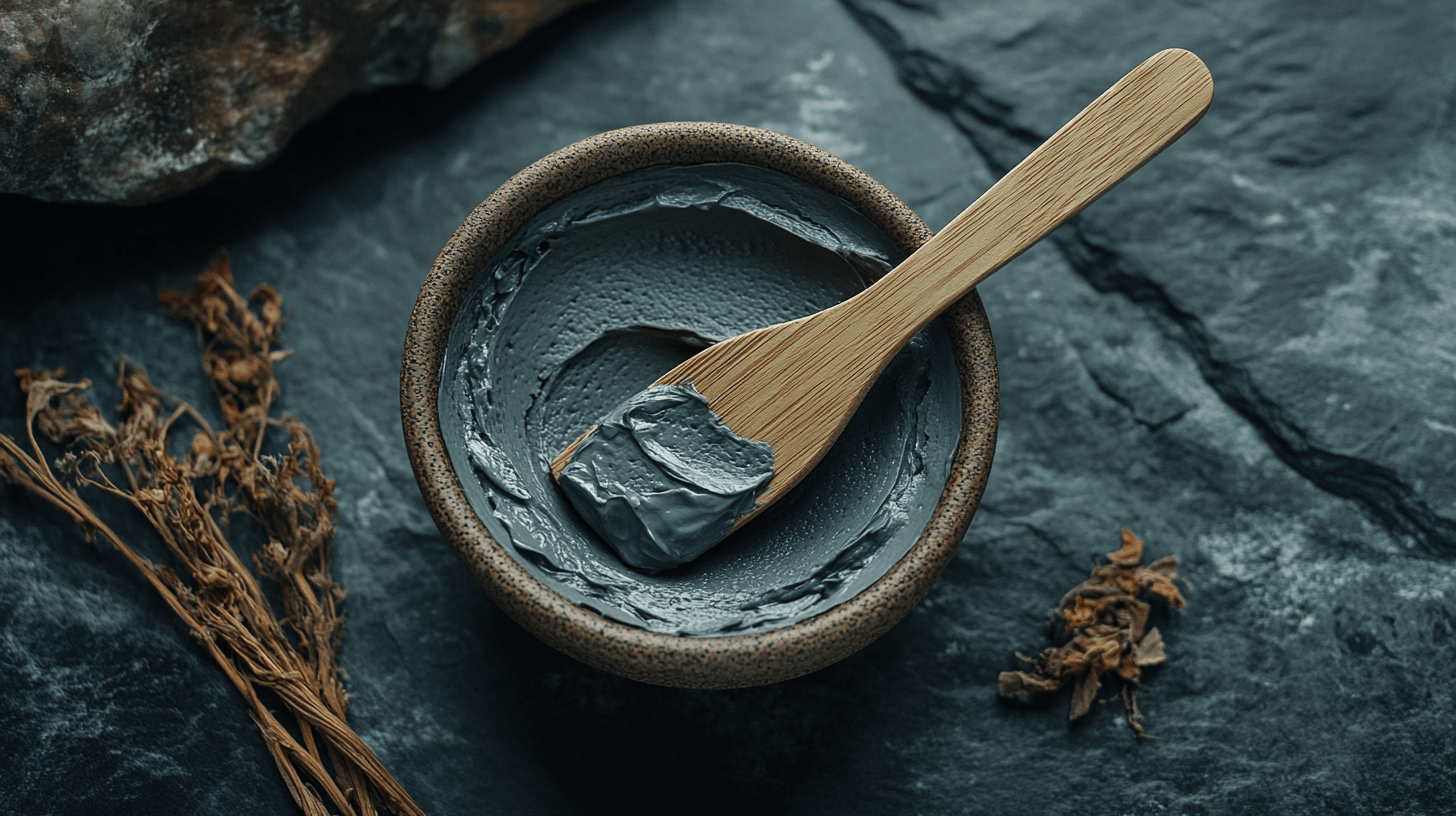
In addition to cleansing, several treatments actively support the skin microbiome. Hydrating mists based on thermal water or enriched with prebiotic polysaccharides can be sprayed between skincare steps to maintain a hydrated environment favorable to commensal microorganisms. Gentle clay masks used occasionally provide minerals without unbalancing the skin's pH. Mineral sun protection is also preferable for sensitive skin, as chemical filters can interact negatively with certain species of the skin microbiome.
Wanting to disinfect is the most common mistake. The species present on the skin contribute to its balance, and excessive hygiene produces exactly the imbalance that was thought to be prevented.
Multiplying strong active ingredients is another. Each change requires several weeks of adaptation; chaining new products keeps the surface in an unstable state, of which the sensation of discomfort is the most reliable sign.
Pure Prickly Pear Oil: the natural ally for the skin barrier
Pure prickly pear oil stands out among natural active ingredients for its exceptional lipid composition and its properties directly beneficial for the skin microbiome and epidermal barrier. Rich in linoleic acid (omega-6, approximately 60-65%), oleic acid (omega-9), and vitamin E (tocopherols), this rare vegetable oil derived from Opuntia ficus-indica seeds shows a remarkable affinity with the natural lipids of dehydrated and sensitive skin. It reconstitutes the intercellular cement of the stratum corneum and nourishes beneficial microbial species thanks to its phenolic compounds.
Research work referenced in cosmetology journals confirms that topical linoleic acid improves the expression of genes coding for type 1 ceramides, essential for the cohesion of the lipid film. This action results in a measurable reduction in transepidermal water loss and an improvement in the skin hydration score (corneometric measurement). In addition, the high content of beta-sterols in prickly pear oil exerts a local soothing action that reduces the reactivity of sensitive skin without disturbing the microbial balance. Find all compatible treatments in the Preserve Youthful Skin collection.
To integrate pure prickly pear oil into your microbiome routine, apply 3 to 5 drops to slightly damp skin immediately after gentle cleansing. Warm the oil between your palms for a few seconds before applying it with light strokes, following the direction of the collagen fibers: from the center of the face towards the temples and upwards on the neck. This gesture promotes the penetration of lipid active ingredients into the upper layers of the epidermis without excessive occlusion, allowing the skin microbiome to breathe and perform its protective functions normally.
A pure vegetable oil does not introduce microorganisms, and that's not what we ask of it. Its role is to restore the fatty phase in which the surface flora finds its usual conditions.
This is often poorly explained: nourishing the skin barrier means recreating the environment, not repopulating the surface. In this area, the shortest formulas are also the best tolerated, and a single-ingredient oil meets this criterion exactly.
Why choose Nopal Life for deep and lasting hydration
Skin hydration is not limited to applying water to the skin: it requires film-forming active ingredients that retain water in the deep layers of the epidermis. Nopal Life formulates each treatment around clinically validated humectant agents (hyaluronic acid, aloe vera, prebiotics) combined with prickly pear oil, an exceptional natural emollient that seals in hydration and restores the lipid film.
Result: plump, supple and comfortable skin for more than 24 hours. Each formulation is dermatologically tested and adapted to your skin type. Take your free diagnostic to identify the ideal hydration routine for you.
RECOMMENDED TREATMENT
Pure Prickly Pear Oil
Natural formula · Origin Algeria
DISCOVER THIS TREATMENT →PERSONALIZED ROUTINE
Nopal Life Skin Intelligence™
Free diagnostic · 2 minutes
DISCOVER MY ROUTINE →Frequently Asked Questions
Q: What is the skin microbiome and why is it important for dehydrated skin?
A: The skin microbiome is the collection of microorganisms living on your skin's surface. It regulates skin pH, produces purifying substances, and strengthens the skin barrier. On dehydrated skin, a depleted or imbalanced microbiome worsens dryness by reducing the production of protective lipids and increasing transepidermal water loss.
Q: What cleansers are compatible with the microbiome of sensitive skin?
A: Syndet cleansers with a physiological pH (4.5-5.5), without SLS or denatured alcohols, are best suited. Formulations enriched with prebiotic active ingredients like inulin or glucans actively preserve beneficial microbial species. Avoid highly detergent foaming gels and alkaline soaps with a pH above 7.
Q: How often should dehydrated and sensitive skin be cleansed to preserve its microbiome?
A: For dehydrated and sensitive skin, gentle cleansing morning and evening is generally recommended. In the morning, a simple rinse with lukewarm water or a mild micellar water is sufficient to preserve the nocturnal microbiome without overly disturbing it. In the evening, a more complete cleansing removes impurities and sunscreen residues.
Q: How do I know if my skin microbiome is imbalanced?
A: Signs of cutaneous dysbiosis on dehydrated skin include persistent tightness, diffuse redness, increased reactivity to new products, episodes of intense dryness alternating with excess sebum, and slowed skin regeneration of minor imperfections. A professional skin diagnostic, such as that offered by Nopal Life Skin Intelligence™, can help assess your specific profile.
Q: Can pure prickly pear oil disrupt the skin microbiome?
A: No, quite the opposite. Pure prickly pear oil is a vegetable oil with a lipid spectrum compatible with the skin's natural secretions. Its composition of essential fatty acids nourishes beneficial commensal species without creating an environment favorable to undesirable microorganisms. It does not alter skin pH and does not contain broad-spectrum purifying compounds.
Q: Are topical probiotics effective in restoring the microbiome of dry skin?
A: Topical prebiotics and postbiotics show scientifically documented results in supporting the skin microbiome. Live topical probiotics remain more complex to formulate stably, but certain Lactobacillus microbial lysates demonstrate real efficacy in strengthening the skin barrier and reducing the reactivity of dehydrated sensitive skin.
Q: Is transepidermal water loss (TEWL) directly related to the skin microbiome?
A: Yes, there is a bidirectional link. A depleted microbiome reduces the production of protective intercellular lipids, which increases TEWL and accentuates dehydration. Conversely, very dry skin creates an environment less favorable to beneficial commensal microorganisms. Restoring the microbiome and soothing dryness must therefore be simultaneous objectives, never dissociated.
Q: Can hot water be used for cleansing without impacting the skin microbiome?
A: Hot water (above 38 degrees Celsius) dissolves surface lipids and significantly disrupts the protective biofilm formed by beneficial microorganisms. On dehydrated and sensitive skin, this repeated thermal stress weakens the skin barrier and depletes microbial diversity. Lukewarm water (around 30-32 degrees Celsius) is essential to preserve the integrity of the microbiome during daily cleansing.
Information provided for cosmetic and educational purposes only; it does not constitute medical advice.
Read More


Go further than this article
Get our skincare guides by email — and start with your free skin diagnostic: 2 minutes, advice tailored to your skin. We ship to the US, UK, Canada, Australia and 27 European countries; somewhere else? Sign up and you will be the first to know when we deliver to your country.
By signing up, you agree to our privacy policy. Unsubscribe in one click.