Hyaluronic Acid vs. Aloe Vera: Which Is Right for Your Skin?
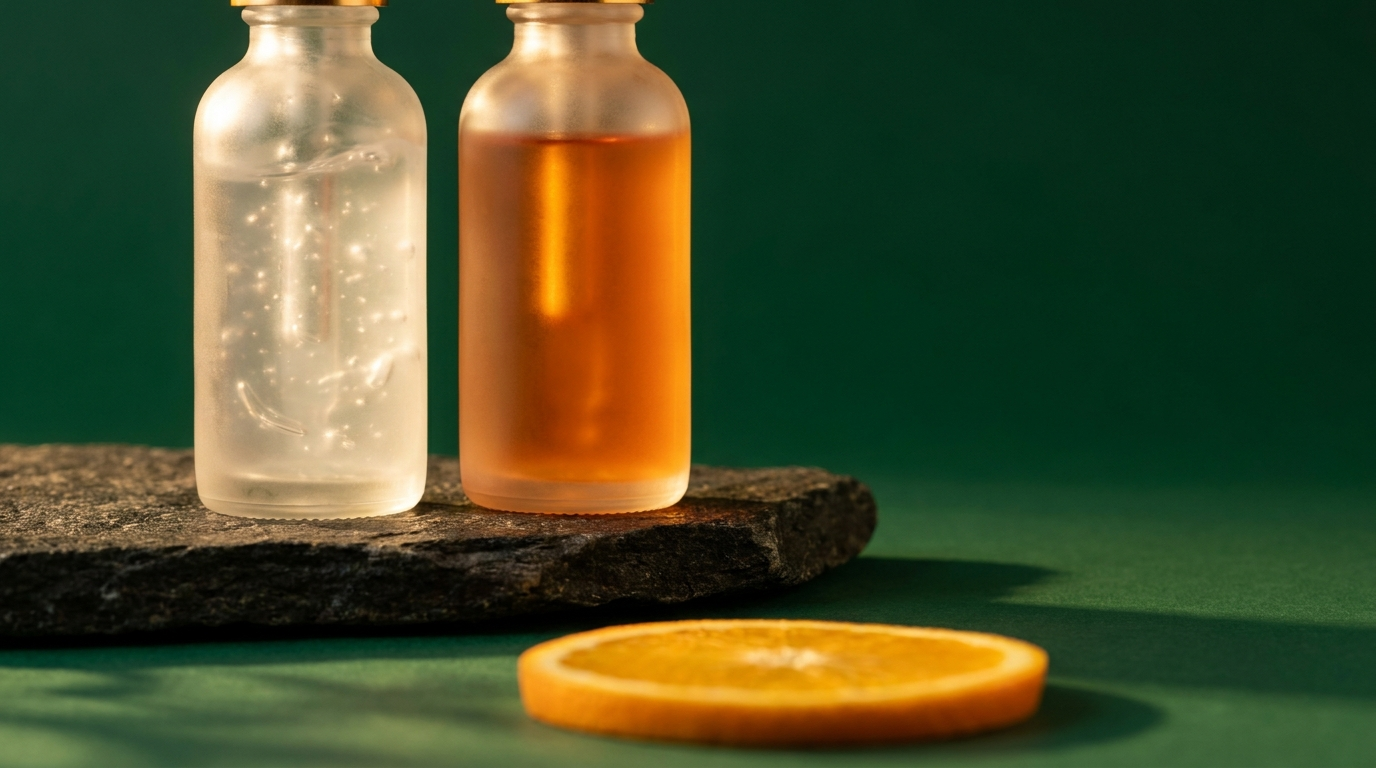
Both hydrate, but not in the same way. Hyaluronic acid is a unique molecule that retains water in the upper layers. Aloe vera is a complete natural ingredient, composed of water, polysaccharides, and soothing compounds. The former plumps, the latter soothes by providing water.
The essentials in a table
| Criterion | Hyaluronic Acid | Aloe Vera |
|---|---|---|
| Nature | isolated molecule | complete plant gel |
| Mechanism | retains existing water | provides and retains water |
| Perceived effect | plumps, smooths skin texture | soothes, refreshes |
| Skin type | all, especially dehydrated | all, especially reactive or overheated |
| Format | serum | gel, to be applied generously |
| Condition for effectiveness | must be sealed | preferably sealed |
Choosing hyaluronic acid
If your skin shows dehydration lines at the end of the day, if your complexion looks tired without being uneven, this is the indicated active ingredient. Its effect on the superficial layers is rapid and clear.
One condition, always the same: it must be sealed. Applied to slightly damp skin then covered with a cream or oil, it gives its full effect. Alone, in dry air, it can, on the contrary, accentuate the feeling of tightness.
Choosing aloe vera
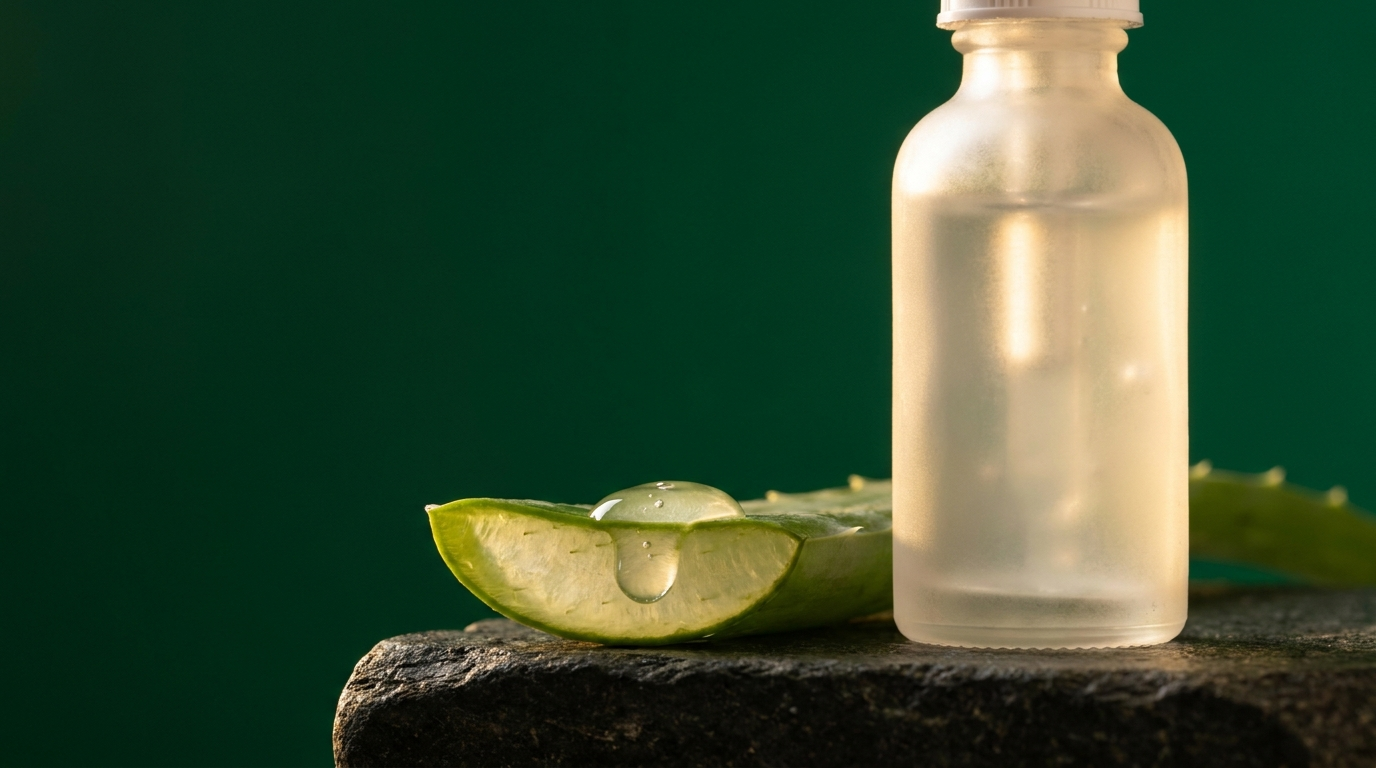
If your skin easily heats up, reacts to sun or cold, or if you are looking for a light texture for summer, aloe vera gel is more suitable. It provides water — that's its very composition — and its polysaccharides form a flexible film that retains it for a while.
Its great advantage is its tolerability. For reactive skin, an aloe with a short ingredient list is one of the safest treatments. Be careful though: many commercial gels contain fragrances and alcohol, which are the most common cause of reactions wrongly attributed to aloe.
Depending on skin type
Oily or combination skin: aloe vera alone is often sufficient. Its texture leaves no greasy film and is suitable for a light routine.
Dry skin: hyaluronic acid is more effective, provided it is sealed with a fatty substance. Aloe alone evaporates too quickly on this skin type.
Dehydrated but oily skin on the surface: the duo makes perfect sense — aloe gel, then hyaluronic acid serum, then a light cream.
Using them together
It's simple and logical. Aloe provides water, hyaluronic acid helps retain it, a fatty substance limits its evaporation.
1. Aloe vera gel on clean skin, in a thin layer. Wait until it's no longer sticky.
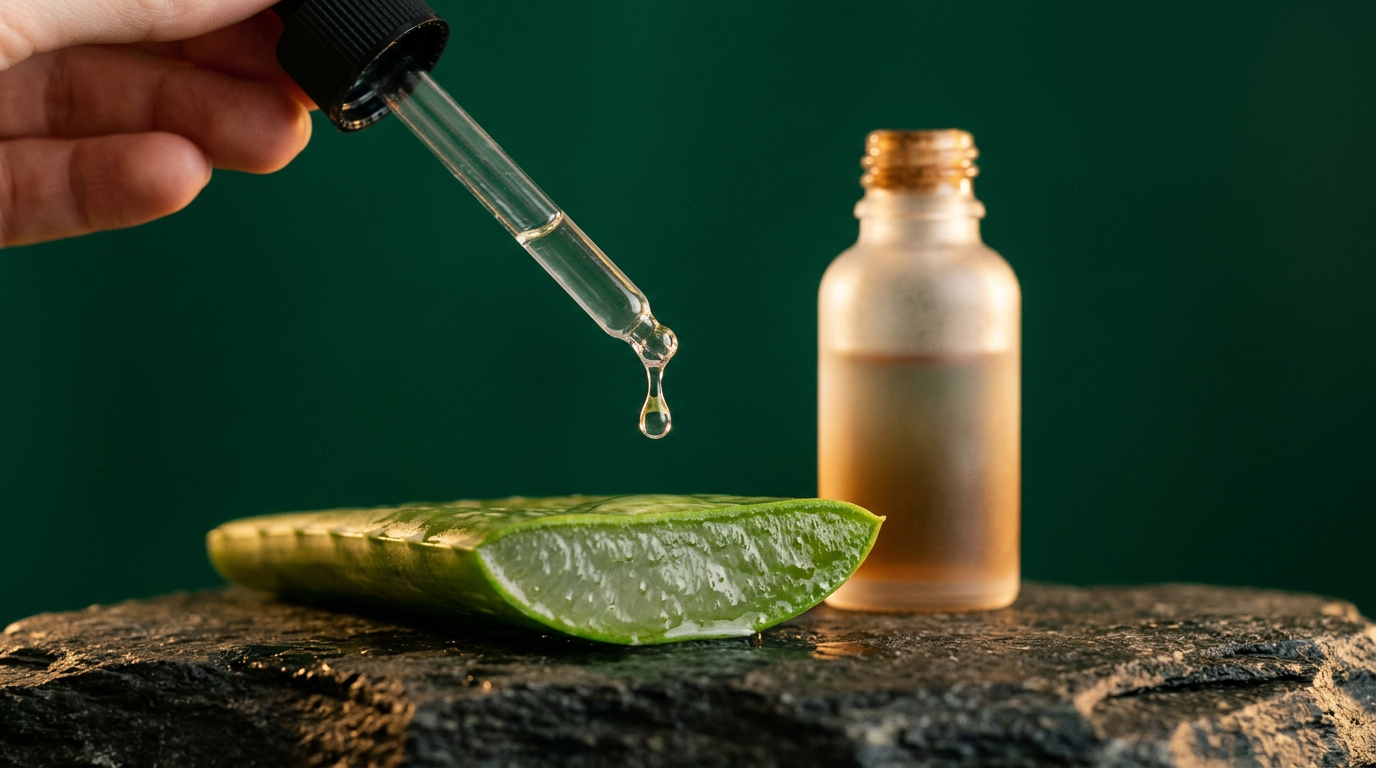
2. Hyaluronic acid serum, three to four drops.
3. A cream or oil to seal, depending on the season and your skin.
What each molecule retains
Hyaluronic acid retains up to a thousand times its weight in water. This capacity is spectacular on paper; in practice, it acts in the superficial layers and not in depth. The perceived effect is smoother skin texture and a revived glow, especially visible the day after careful application.
Aloe vera, extracted from the leaf of aloe barbadensis, provides water accompanied by polysaccharides. Its use in cosmetics is ancient, particularly on skin that is heated or marked by temporary redness. One to two times a day is enough; beyond that, the formula provides nothing more.
Concentration and formula
A highly concentrated hyaluronic acid is not necessarily more effective: beyond 2%, the texture becomes sticky without demonstrated gain. For aloe, it's the position of the extract in the list that counts, more than the percentage announced on the label.
What they don't do
Neither replaces sun protection. These products are cosmetic treatments: their role is limited to comfort and appearance. Skin that remains uncomfortable despite a suitable routine deserves a dermatological opinion.
Frequently asked questions
Does aloe vera contain hyaluronic acid?
No. Aloe contains polysaccharides that retain water, but these are not hyaluronic acids. Both play a similar role through different molecules.
Can a hyaluronic acid serum be replaced by aloe gel?
For oily skin or in summer, often yes. For dry skin, hyaluronic acid sealed with a fatty substance remains more effective.
In what order should they be applied?
Aloe gel first, then serum, finishing with a fatty substance. Always from the most watery to the richest.
Which aloe gel to choose?
A short ingredient list, without fragrance or alcohol at the top of the list. This is the criterion that makes the difference in tolerability, much more than the displayed percentage of aloe.
The case of reactive skin
For skin that reddens easily, the question is decided differently: aloe vera provides water and comfort in the same gesture, whereas hyaluronic acid alone requires a cream on top to stay put. An aloe vera day cream addresses both needs in one step, which is important when trying to shorten your routine.


Go further than this article
Get our skincare guides by email — and start with your free skin diagnostic: 2 minutes, advice tailored to your skin. We ship to the US, UK, Canada, Australia and 27 European countries; somewhere else? Sign up and you will be the first to know when we deliver to your country.
By signing up, you agree to our privacy policy. Unsubscribe in one click.