Make-up removal: hydration and comfort for dehydrated and sensitive skin
Makeup removal is the foundational step of any serious skincare routine. For dehydrated and sensitive skin, it is also the riskiest step: if done incorrectly, it amplifies dryness, irritates the barrier, and creates a vicious cycle in which the skin becomes increasingly reactive to subsequent treatments. Choosing the right texture, technique, and post-cleansing active ingredients can transform this daily step into a nourishing treatment rather than repeated aggression.
Why Makeup Removal is Critical for Dehydrated, Sensitive Skin
Dehydrated skin lacks water in the superficial layers of the epidermis. Its hydrolipidic film is disrupted, its barrier weakened, and its defense mechanisms against irritants diminished. In this context, any overly detergent or abrasive makeup remover directly aggravates the skin's condition by stripping away the last surface lipids and increasing TEWL (transepidermal water loss).
Sensitive skin adds neurological hyperreactivity to this vulnerability: its TRPV1 (capsaicin thermoreceptors) and TRPA1 receptors are overexpressed and trigger sensations of burning, stinging, or itching upon contact with many common cosmetic ingredients—alcohol, fragrance, certain preservatives, high concentrations of AHAs. Choosing a makeup remover for dehydrated sensitive skin therefore requires understanding what this skin biologically tolerates, not just what effectively cleanses.
The dual challenge of makeup removal for this skin type is to completely eliminate makeup, mineral SPF, and accumulated pollution (which generates chronic oxidative stress if left on the skin) while preserving residual lipid integrity. Only with the right texture and technique can these two objectives be achieved simultaneously.
Balm and Oil Textures: Lipid-Affinity Makeup Removal
The principle of oil or balm makeup removal is based on chemistry: "like dissolves like." Oily makeup (foundation, waterproof mascara, long-wear lipstick) and mineral SPF are lipophilic formulations. A vegetable oil dissolves them by affinity without the need for scrubbing or harsh surfactants.
Cleansing oil is generally a vegetable oil or a blend of oils supplemented with a gentle PEG-free emulsifier (such as PEG-free olivate or alkyl polyglycosides) that allows the oil to emulsify upon contact with water for a clean, residue-free rinse. The skin remains supple and nourished after rinsing, without an "oily film" effect.
Cleansing balm is an anhydrous (water-free) formulation based on waxes and solid oils at room temperature. It transforms into oil upon contact with skin warmth. Its richness in nourishing lipids makes it the ideal makeup remover for very dry skin or skin in cold seasons. Prickly pear oil, thanks to its richness in unsaturated fatty acids (linoleic acid, oleic acid) and its dry texture, can be used directly as a first cleanse before emulsification with water.
These textures are particularly suitable for dissolving long-wear makeup, BB cream, mineral SPF based on ZnO or TiO2 (often difficult to remove with aqueous gels), and lipophilic pollution residues. Dermatological studies have shown that double cleansing (oil + gentle gel) significantly reduces PM2.5 particle residues on the skin compared to single gel cleansing.
Post-Cleansing Hydration: Window of Opportunity
The 60 seconds following makeup removal constitute a "window of opportunity" for hydration: the barrier is slightly permeable due to the cleansing process, and hydrating active ingredients penetrate more effectively than on dry skin. This window gradually closes as surface water evaporates.
On still-damp skin, first apply your humectant active: sodium hyaluronate of different molecular weights (low MW penetrates, high MW stays on the surface), panthenol, or glycerin. These humectants capture water present on the skin and in the superficial layers and retain it in the stratum corneum.
Immediately follow with your emollient treatment (cream, serum rich in fatty acids) which "seals" the hydration captured by the humectants by forming a light occlusive layer. In the evening, a final oil (occlusive) can complete this system by further reducing nocturnal TEWL. The Journal of Investigative Dermatology (2017) showed that applying sodium hyaluronate to damp skin followed by an emollient increases water retention in the stratum corneum by 40% compared to application on dry skin.
Mistakes to Avoid When Removing Makeup from Dehydrated, Sensitive Skin
The first, extremely common mistake, is to use micellar water as the only cleanser without rinsing. Micelles trap impurities, but residual surfactants on the skin disrupt the microbiome and irritate the barrier. If you use micellar water, always rinse with lukewarm water or follow with a gentle cleanser.
Second mistake: makeup remover wipes. They often contain moderately detergent surfactants, irritating preservatives (methylisothiazolinone, phenoxyethanol in high quantities), and above all, they require mechanical rubbing which damages the barrier of sensitive skin. Avoid regular use.
Third mistake: using a strong foaming cleansing gel as the sole makeup remover. Classic foaming gels contain sulfates that strip essential lipids. They are insufficient to remove oily makeup and mineral SPF, and too aggressive for the barrier of dehydrated skin.
Fourth mistake: rubbing eyes to remove mascara. Repeated rubbing around the eyes is one of the main causes of premature eyelid sagging. Let the oil or balm act for 30 seconds on closed eyes before wiping very gently.
Fifth mistake: using very hot water. Heat dissolves lipids and amplifies post-cleansing dryness. Lukewarm or cool water is always preferable.
Optimal Makeup Removal Routine for Dehydrated, Sensitive Skin
Step 1 — Dissolution (evening): apply a pea-sized amount of oil or balm to dry skin, dry face. Massage in gentle circles for 60 seconds to dissolve makeup, SPF, and pollution. Focus on the eye area by patting without friction. Add a few drops of lukewarm water to your hands, emulsify the oil until it becomes white and milky, then rinse thoroughly.
Step 2 — Gentle Cleansing (evening): follow with a gentle gel or a cleansing milk without sulfates, pH 5-6, massaging for 30 seconds. Rinse with lukewarm water. Pat (never rub) with a soft cotton towel or microfibre cloth.
Step 3 — Immediate Hydration: on still-damp skin, apply your humectant serum (HA + panthenol), then your night cream, then possibly your sealing oil. Never let dehydrated skin "air dry" after makeup removal without treatment.
In the morning: a simple rinse with cool water is usually sufficient. If you use a cleanser, choose the gentlest in your routine (sulfate-free foam, rinsed micellar water).
Ingredients to Prioritize and Avoid in Makeup Removers for Dehydrated, Sensitive Skin
To prioritize: vegetable oils (olive, jojoba, prickly pear, rosehip), natural emollient waxes (candelilla, cera alba), alkyl glucosides as gentle emulsifiers, panthenol, allantoin, colloidal oatmeal extract, ceramides in balm formulation, absence of fragrance and colorant.
To avoid: dehydrating alcohol (ethanol, benzyl alcohol), SLS/SLES, irritating fragrances and essential oils (menthol, eucalyptus, citrus), formaldehyde releasers, methylisothiazolinone (MIT), phenoxyethanol at concentrations above 0.5%, high concentrations of PEG which can disrupt membrane lipids.
A point of attention on "micellar makeup removers for sensitive skin": the mention "no rinse" remains problematic for very dehydrated sensitive skin. Even at low concentrations, residual surfactants alter the surface pH and interfere with the skin microbiome. Systematic rinsing remains the best practice.
Why Choose Nopal Life for Deep and Lasting Hydration
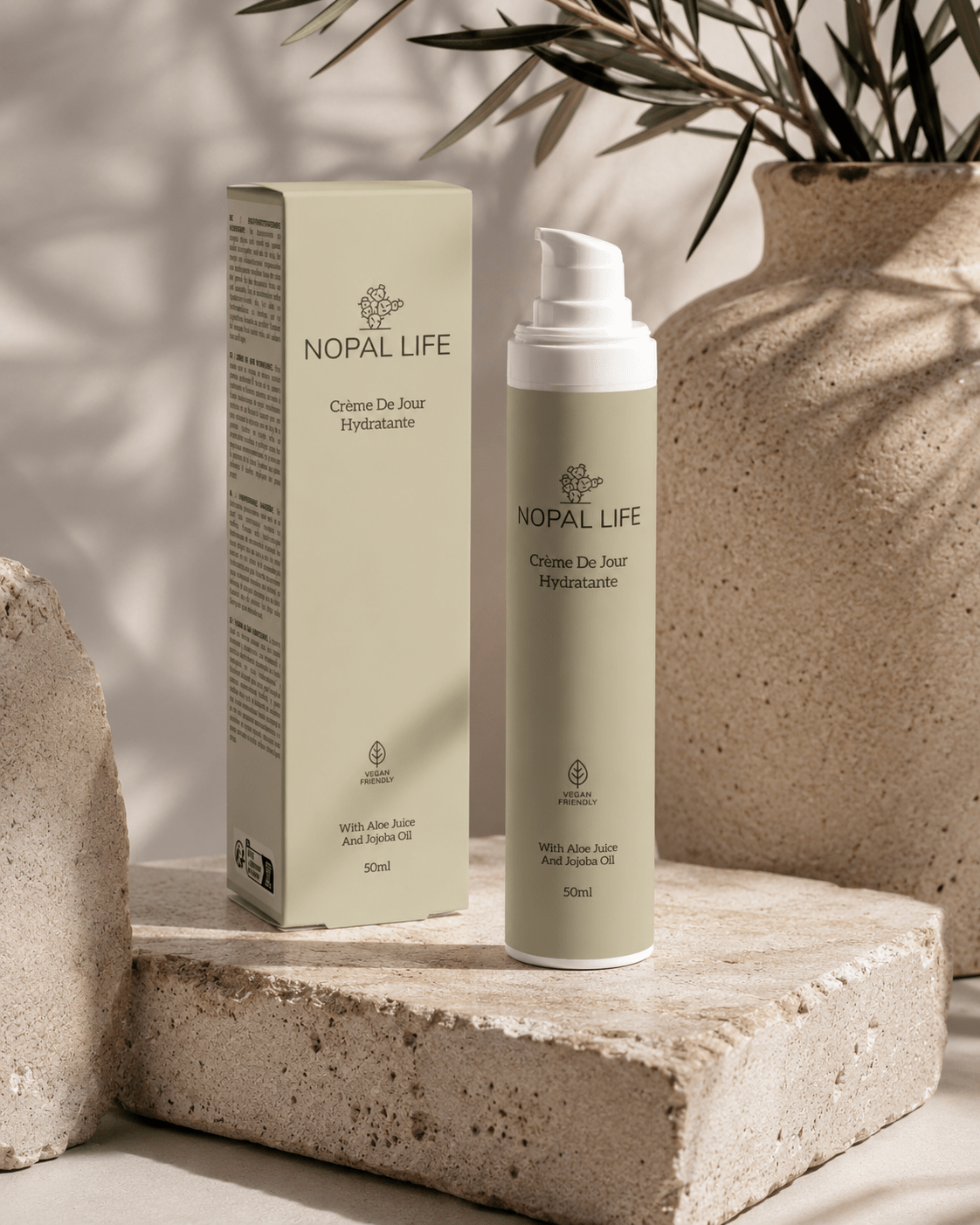
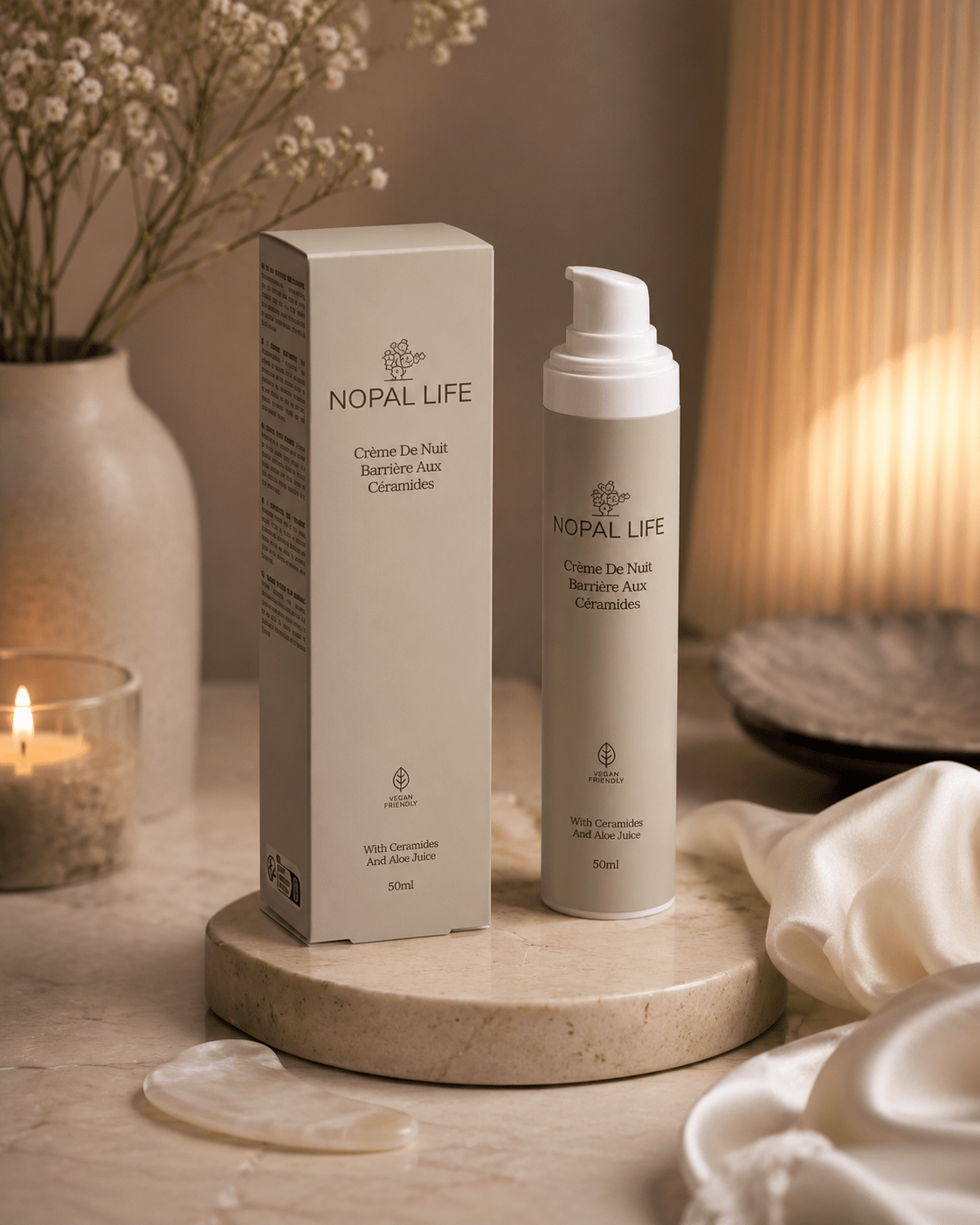
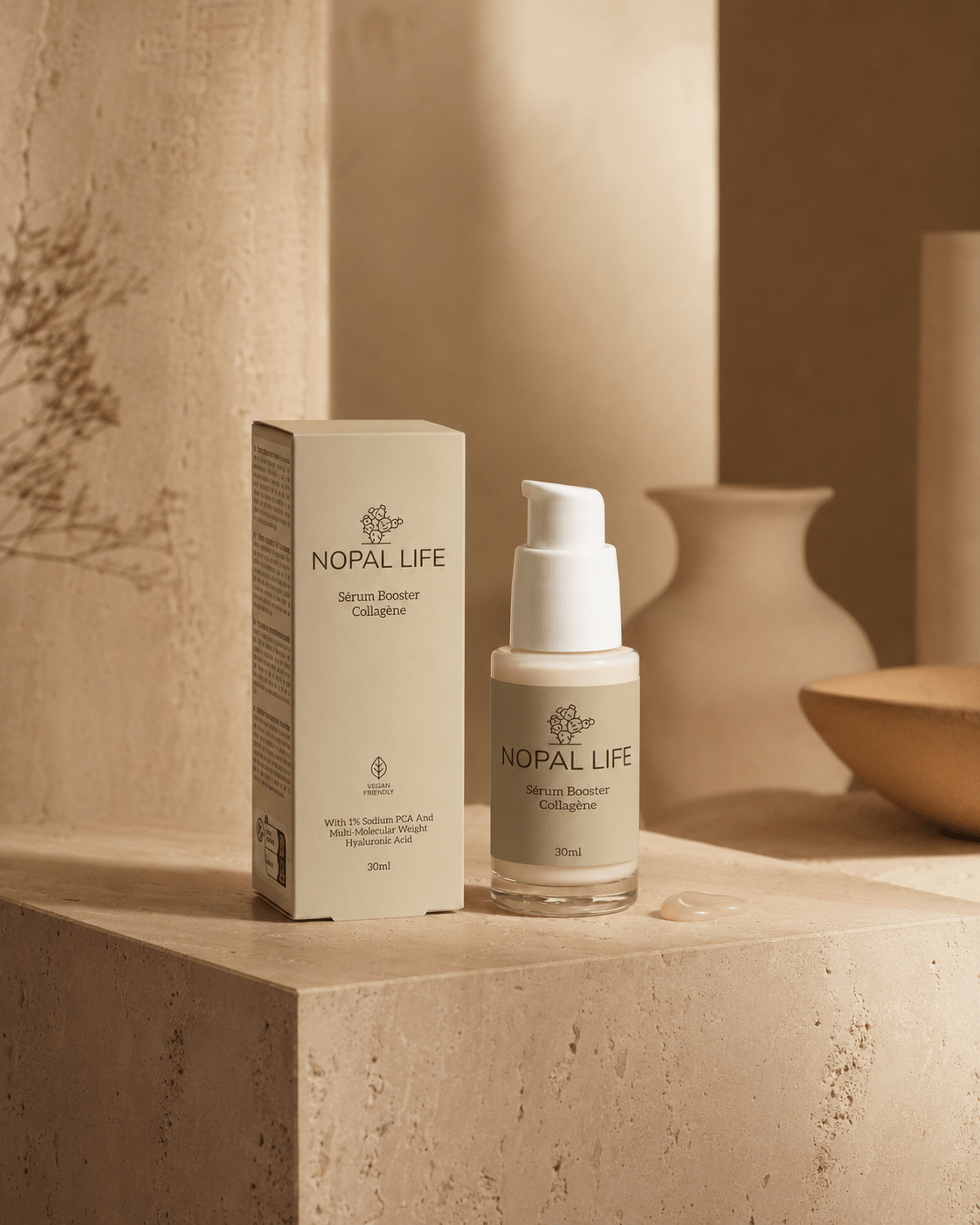
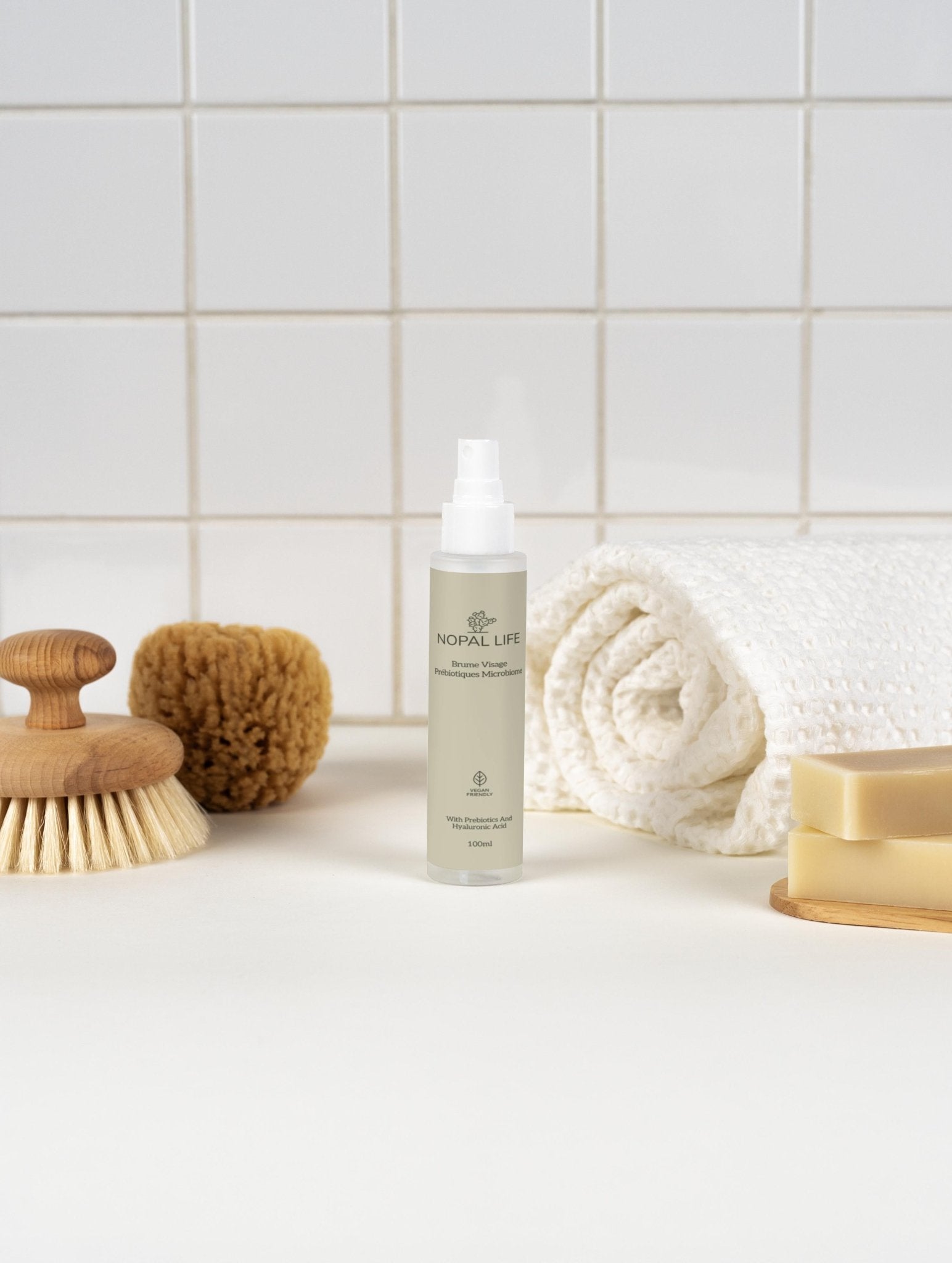
Skin hydration is not limited to applying water to the skin: it requires film-forming active ingredients that retain water in the deep layers of the epidermis. Nopal Life formulates each product around clinically validated humectants (hyaluronic acid, aloe vera, prebiotics) combined with prickly pear oil, an exceptional natural emollient that seals in hydration and restores the lipid film.
Result: plump, supple, and comfortable skin for more than 24 hours. Each formulation is dermatologically tested and adapted to your skin type. Take our free diagnosis to identify the ideal hydration routine for you.
RECOMMENDED TREATMENT
Pure Prickly Pear Oil
Natural formula · Origin Algeria
DISCOVER THIS TREATMENTFrequently Asked Questions About Makeup Removal for Dehydrated, Sensitive Skin
Is cleansing oil suitable for acne-prone skin?
Yes, if you choose non-comedogenic oils (prickly pear, hazelnut, jojoba). Comedogenic oils like coconut oil or wheat germ oil should be avoided on T-zones.
Can the same product be used for eye and face makeup removal?
A universal balm or oil can be suitable for both areas. Be more delicate around the eyes: pat without rubbing, allow it to act longer, and ensure the emulsifier is gentle and non-irritating to the mucous membrane.
Can dehydrated skin be oily on the surface?
Yes. Skin can lack water (dehydrated) while producing excess sebum (oily skin). These combination dehydrated skins require a makeup remover that cleanses sebum without harming the hydration barrier.
How long should I leave the cleansing balm on?
30 to 60 seconds of massage are sufficient to dissolve standard makeup. For waterproof mascara or long-wear foundation, hold for 60-90 seconds without rubbing, letting the oil work by affinity.
Should I remove makeup in the morning?
Not if your night treatment has been completely absorbed. A simple rinse with cool water or a toner is sufficient in the morning for dehydrated sensitive skin.
Does thermal spring water help with makeup removal?
It can complement rinsing and provide soothing minerals (selenium, silica depending on the source), but it does not remove makeup alone. Use it as a spray after rinsing as a soothing treatment, not as a makeup remover.
Scientific references: Journal of Investigative Dermatology, 2017 (sodium hyaluronate and skin hydration retention); Journal of Cosmetic Dermatology, 2018 (double cleansing and skin barrier).
Information provided for cosmetic and educational purposes only; it does not constitute medical advice.
Read More
Our anti-aging treatments