Prickly pear oil vs rosehip oil: which one for wrinkles?
Prickly pear oil or rosehip oil for wrinkles? Both of these plant-based oils are among the most popular natural anti-aging treatments, but they have different profiles: prickly pear relies on antioxidant vitamin E, while rosehip relies on nourishing fatty acids. Here's how to choose — or combine them.
At a Glance
| Criterion | Prickly Pear | Rosehip |
|---|---|---|
| Main Benefit | Antioxidant (vitamin E) | Nourishing (omega-3 & 6) |
| Primary Target | Apparent firmness, radiance | Appearance of marks, fine lines |
| Texture | Dry, very penetrating | Dry, penetrating |
| Shelf Life | Good (rich in vit. E) | More fragile (oxidizes quickly) |
| Price | High | Moderate to high |
Two Anti-Aging Oils, Two Philosophies
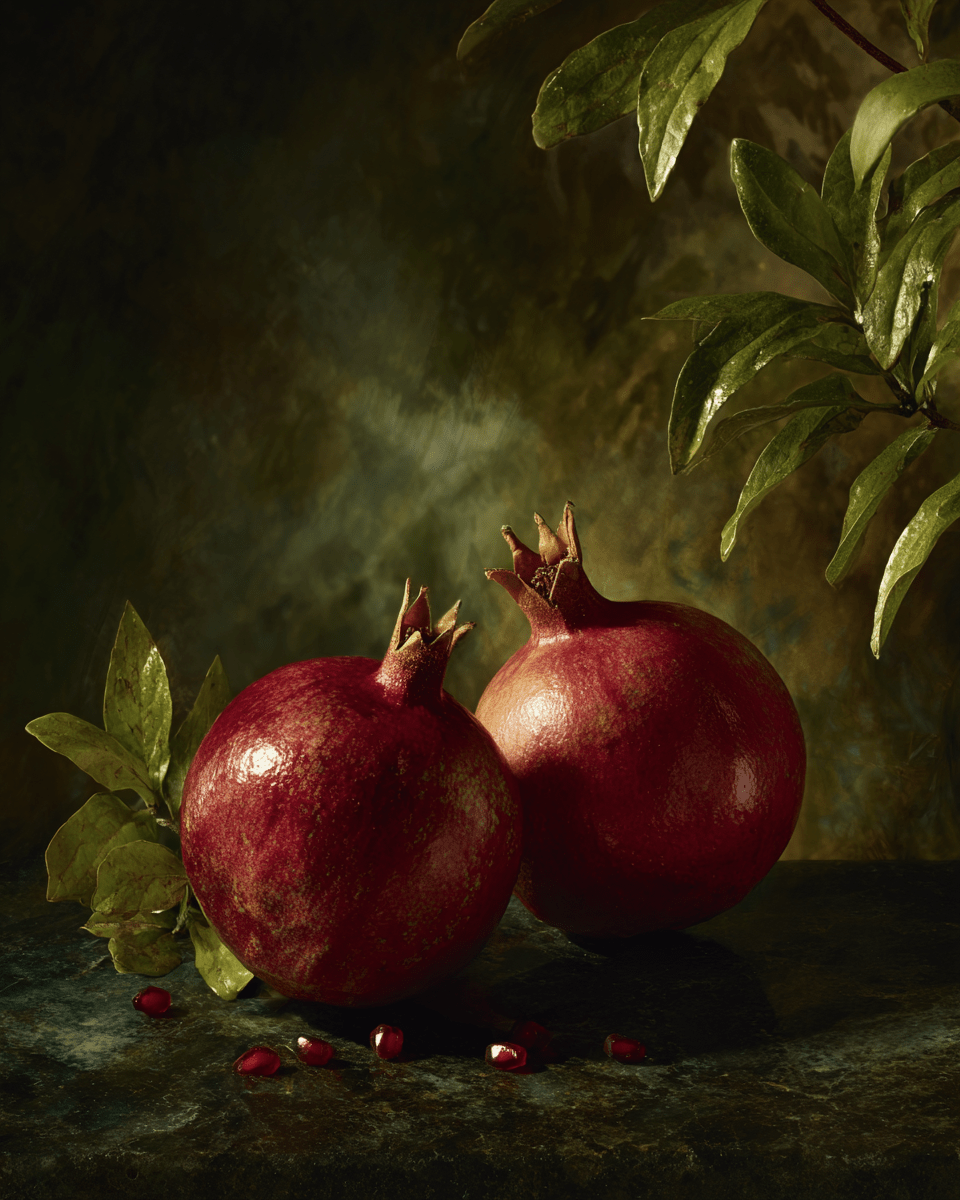
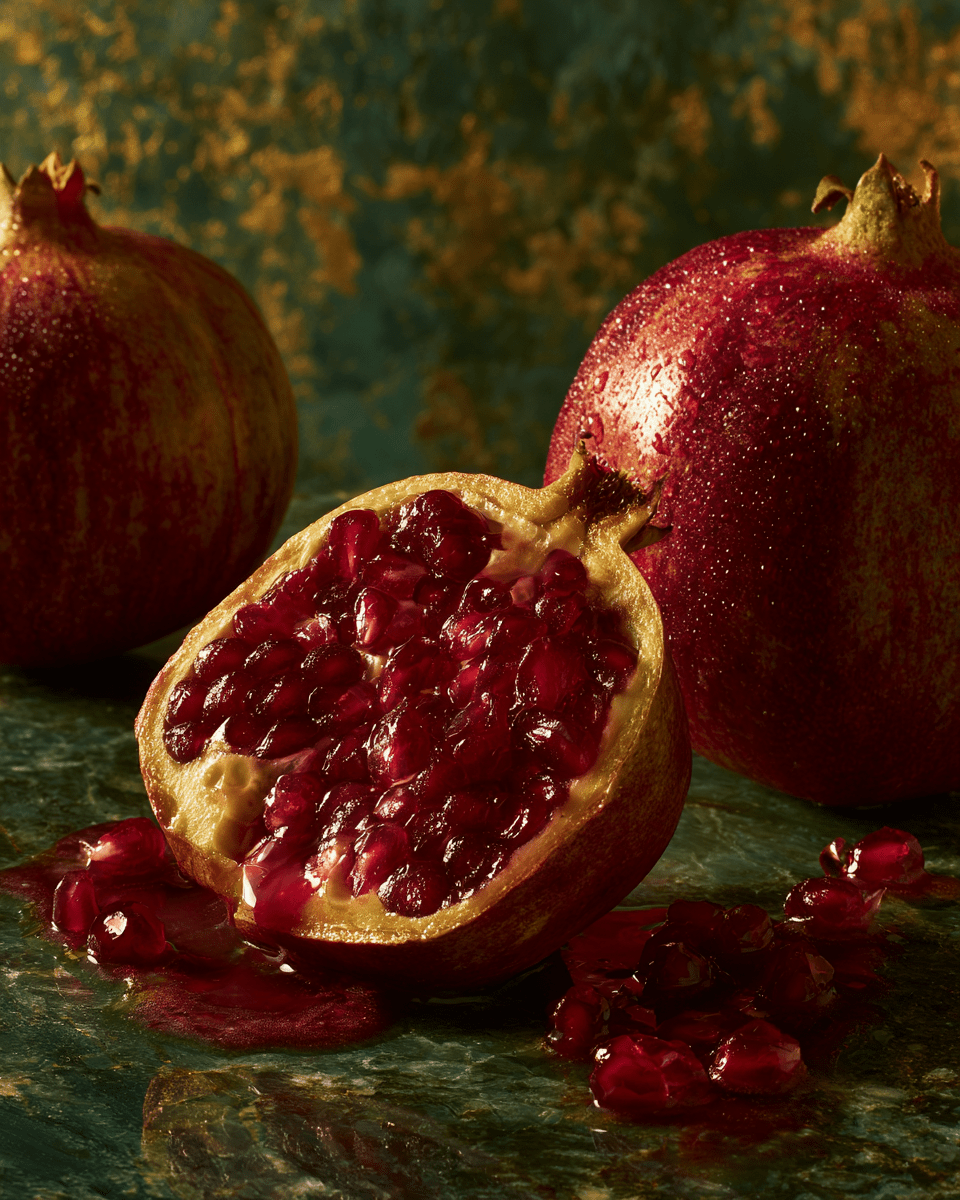
Rosehip oil (Rosa rubiginosa), derived from the seeds of a South American wild rose, is renowned for its richness in polyunsaturated fatty acids (omega-3 and omega-6) and compounds that help improve the appearance of marks, superficial scars, and fine lines. It is the "nourishing" oil par excellence, valued for its effect on the appearance of marks.
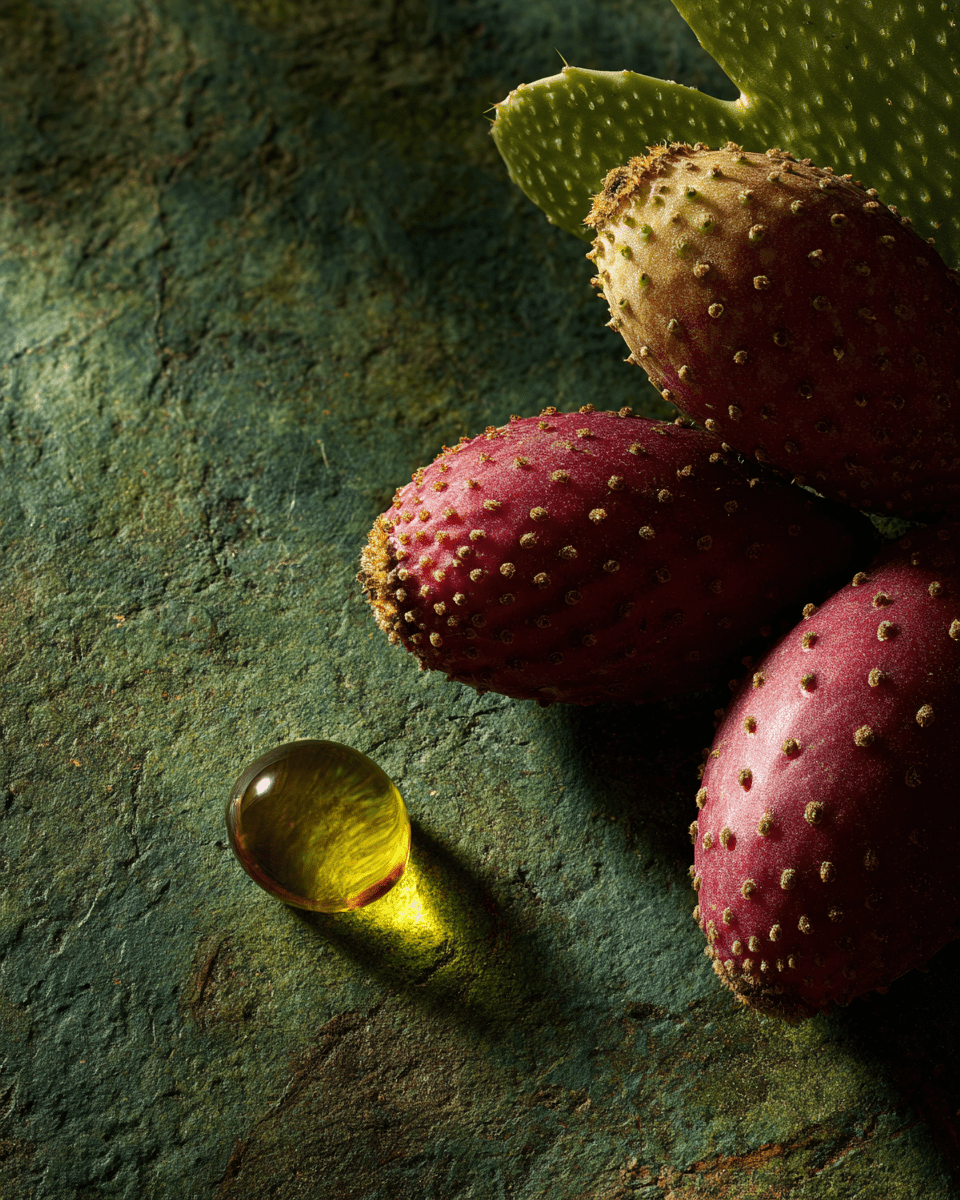
Prickly pear oil, on the other hand, stands out for its record content of vitamin E, an antioxidant that helps protect the skin from oxidative stress and preserve its firm appearance (see Prickly Pear Seed Oil: All Its Benefits for the Skin). It therefore focuses more on protection and radiance than on regeneration.
Composition: The Key Difference
Both oils share a dry, penetrating texture, which makes them pleasant on the face. The difference lies in two points:
- Prickly pear is richer in vitamin E, which gives it better stability and a marked antioxidant action (see Vitamin E and Prickly Pear: an Antioxidant Duo).
- Rosehip is richer in omega-3 (alpha-linolenic acid), which is beneficial for the appearance of marks, but also makes it more fragile: it oxidizes faster and must be stored in a cool place and used quickly.
The richness of vitamin E in prickly pear gives it a practical advantage here: it keeps better over time (see Prickly Pear Oil Storage: Our Tips).
Which for What Goal?
- Preserving apparent firmness, protecting against visible aging, reviving radiance → prickly pear (see Prickly Pear Oil and Wrinkles: What Does Research Say?).
- Reducing the appearance of marks, superficial scars, established fine lines → rosehip.
- Sensitive skin → both are gentle, but prickly pear, being better tolerated and more stable, is often a simpler choice.
As with any comparison of oils, let's exercise cosmetic caution: we are talking about helping to improve the aspect and appearance of the skin; it is not about making wrinkles disappear or acting on scars, which fall under professional advice.
Can They Be Combined?
Yes, and it's even an interesting anti-aging combination: rosehip for its action on the appearance of marks and fine lines, prickly pear for antioxidant protection and radiance. You can alternate them (one in the morning, the other in the evening) or layer a few drops. In all cases, apply them to slightly damp skin, as the last step (see How to Use Prickly Pear Oil on the Face?).
And Compared to Other Treatments?
If your priority is hydration rather than nourishment, you should turn to hyaluronic acid, in addition to the oil (see Prickly Pear Oil vs Hyaluronic Acid: The Anti-Aging Match). And if you compare prickly pear to argan, remember that it is more anti-aging oriented while argan is more versatile (see Prickly Pear Oil vs Argan Oil).
Frequently Asked Questions
Which is more effective against wrinkles?
They work differently: rosehip on the appearance of marks and fine lines, prickly pear on antioxidant protection and apparent firmness. The ideal is often to combine them.
Does rosehip oil keep less well?
Yes, it is more sensitive to oxidation. Prickly pear, rich in vitamin E, is more stable over time.
Can they be used on sensitive skin?
Both are gentle; do a patch test on the bend of your elbow before the first application.
Which to choose if I can only keep one?
For versatile anti-aging and radiance use with good preservation, prickly pear is a safe choice.
In Summary
Prickly pear and rosehip are two excellent anti-aging oils with complementary profiles: antioxidant protection and radiance for one, action on the appearance of marks and fine lines for the other. The choice depends on your priority, and there's nothing to stop you from enjoying both.
Discover NOPAL LIFE cold-pressed organic prickly pear seed oil, for antioxidant protection and radiance. Take our skin diagnosis to choose the oil best suited to your goals.
This article is for informational purposes only and does not replace the advice of a healthcare professional.
Caution: this article is for informational purposes only and does not replace the advice of a healthcare professional. In case of doubt, discomfort, or persistent symptoms, consult a dermatologist.
Information provided for cosmetic and educational purposes; it does not constitute medical advice.
Our product for this comparison


Mature skin · Dry skin

Go further than this article
Get our skincare guides by email — and start with your free skin diagnostic: 2 minutes, advice tailored to your skin. We ship to the US, UK, Canada, Australia and 27 European countries; somewhere else? Sign up and you will be the first to know when we deliver to your country.
By signing up, you agree to our privacy policy. Unsubscribe in one click.