



Rosehip Oil vs. Vitamin E: Which to choose?
Here again, one contains the other—but in a more modest quantity than one might think. Rosehip oil contains tocopherols, the vitamin E family, without being among the oils best endowed with it. This is even what explains its fragility.
An oil rich in fatty acids, less so in antioxidants
Rosehip oil derives its value from its essential fatty acid profile: a high content of omega-6 and, more rarely, omega-3. This is its main benefit.
Its tocopherol content, however, is moderate. These are what protect fatty acids from oxidation: an oil very rich in polyunsaturated fats and low in antioxidants is, by design, a fragile oil.
This is why rosehip oil should be stored in the refrigerator while other vegetable oils can be kept for years on a shelf.
What vitamin E provides
It is a fat-soluble antioxidant that neutralizes some of the free radicals attacking skin lipids. Its effect is slow, invisible in the short term, and judged over several years.
It also plays a role in the formula: when added to an oil, it slows down rancidity. Many bottles of rosehip oil contain an addition of it, precisely for this reason.
Should you choose?
The question arises especially if your goal is antioxidant. In this case, rosehip oil is not the right choice: other vegetable oils contain much more.
If your goal is essential fatty acid intake and skin texture, rosehip oil remains relevant—and you would add vitamin E through another product.
Using both together
This is the most coherent option, and it solves the preservation problem. An oil rich in tocopherols applied over or mixed with rosehip oil slows down its oxidation.
In practice: one drop of rosehip oil to one drop of a more stable oil, mixed in the palm of your hand. Prickly pear seed oil is well suited for this use, with a comparable essential fatty acid profile and a significantly higher tocopherol content.
How to apply
Two to three drops as the last step, on slightly damp skin, warmed between the palms then pressed on without rubbing.
Preferably in the evening for rosehip oil: its amber color can tint light skin, and its fragility does not mix well with radiation.
On surface regeneration
Rosehip oil is often described as regenerating. The renewal of surface cells takes about twenty-eight days and no cosmetic significantly accelerates it.
What it actually does is allow this renewal to occur on a better-supplied barrier. The result is visible in three to four weeks, and it needs to be named correctly.
Recognizing quality rosehip oil
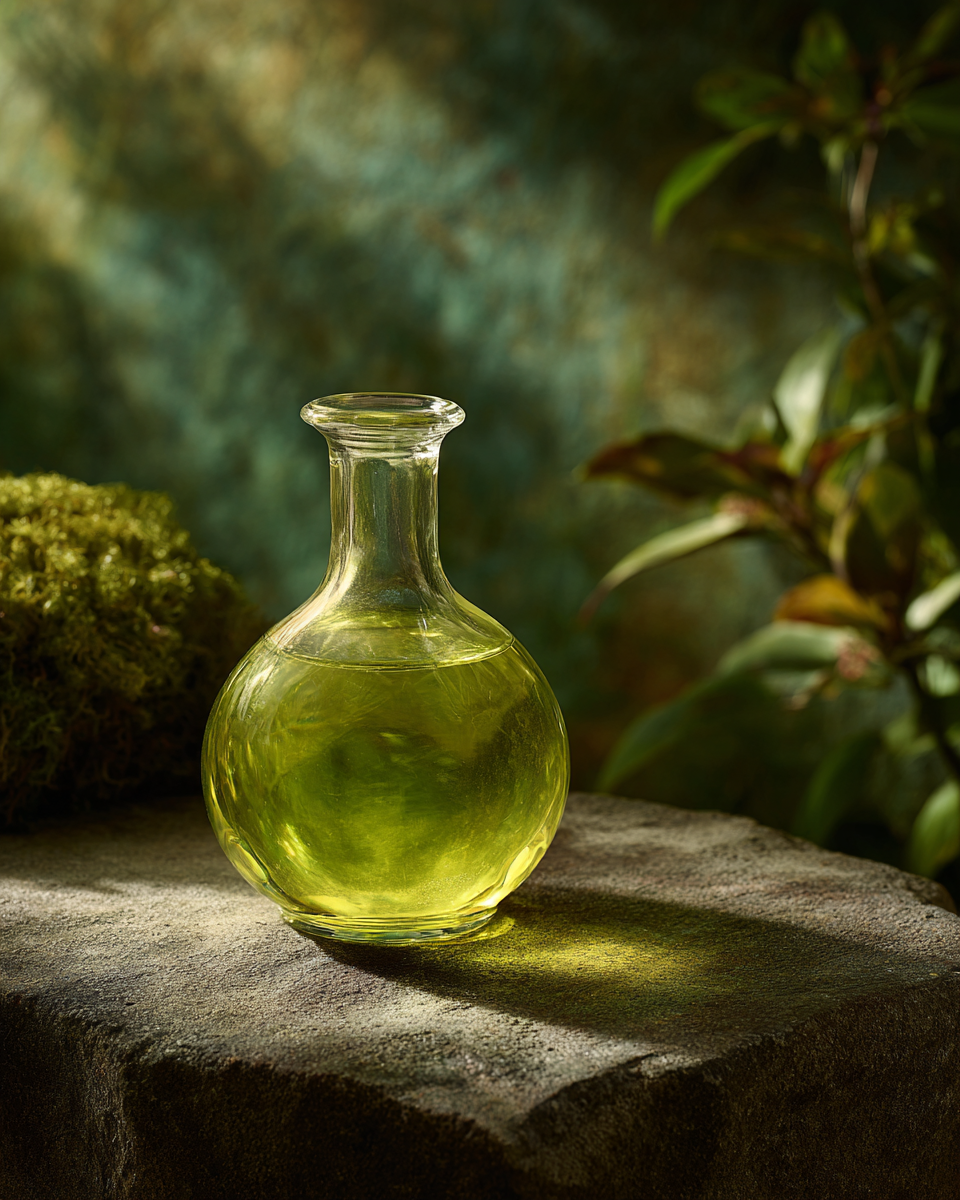
First cold pressed, tinted glass, small format, clear amber color. A pale oil has likely been refined.
Also check for the presence of tocopherol in the ingredient list: it is a legitimate and useful addition to this particular oil, not a purity defect.
A pungent smell indicates an oxidized oil. It then irritates instead of nourishing, and should be discarded regardless of its price.
What you should know
These products are cosmetics: they improve skin suppleness and appearance, without treating any condition. A persistent reaction warrants stopping and seeking advice.
One is an oil, the other an antioxidant
The comparison is flawed: rosehip is a complete fat, vitamin E an antioxidant added to fats to prevent them from going rancid. This is why our nourishing face oil combines both logics rather than opposing them.


Go further than this article
Get our skincare guides by email — and start with your free skin diagnostic: 2 minutes, advice tailored to your skin. We ship to the US, UK, Canada, Australia and 27 European countries; somewhere else? Sign up and you will be the first to know when we deliver to your country.
By signing up, you agree to our privacy policy. Unsubscribe in one click.

