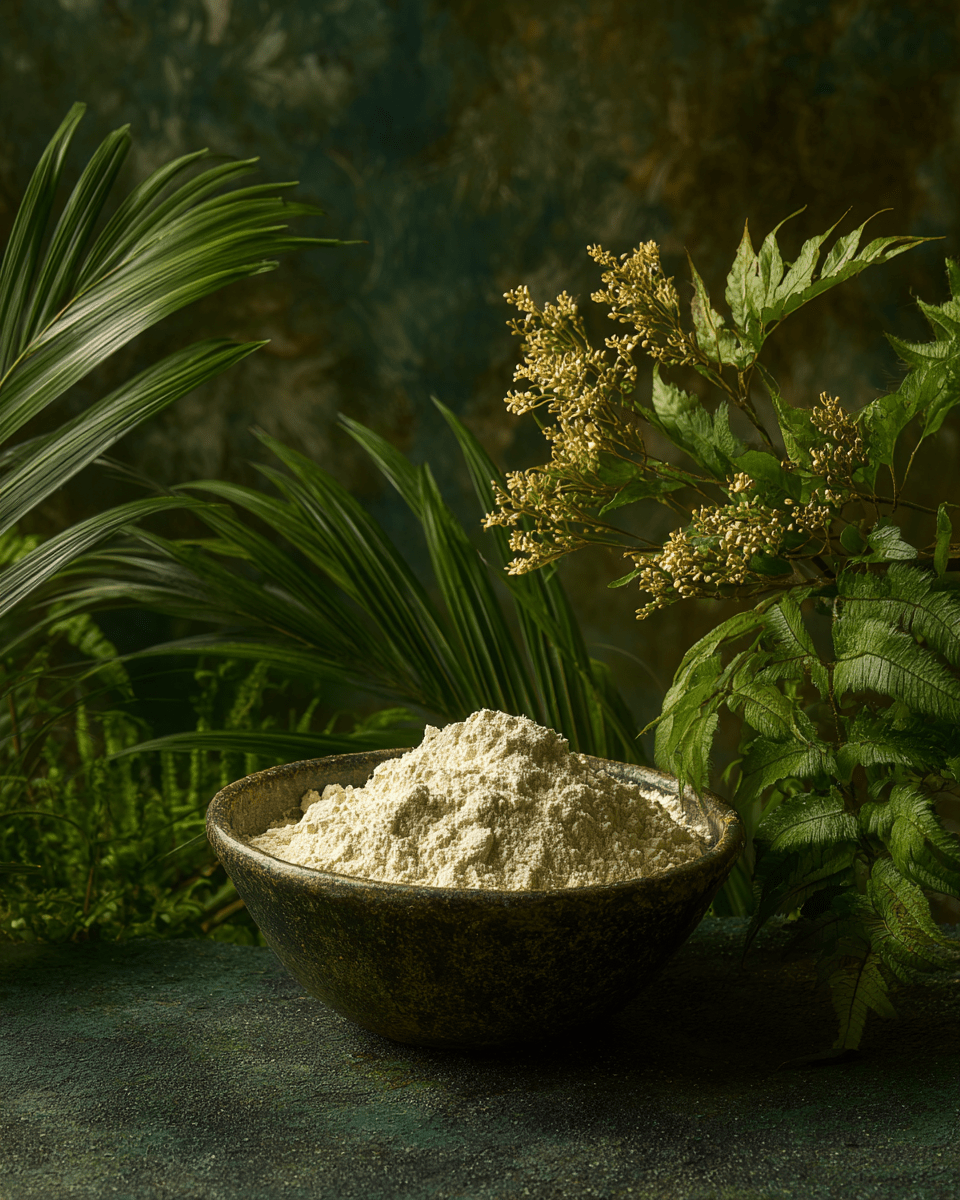
Rosehip Oil: Natural Skincare Benefits and Routine P1
Rosehip Oil, Patagonia's Botanical Treasure
Rosehip oil — extracted by cold-pressing the seeds of Rosa rubiginosa or Rosa canina — is one of the few vegetable oils prized in cosmetics for its richness in vitamin A compounds. Primarily cultivated in the Andean and Patagonian regions of Chile and Argentina, this oil has been used for centuries by local populations to care for fragile skin and reduce the appearance of sun marks.
What distinguishes rosehip oil from most vegetable oils is its exceptionally rare fatty acid composition. It contains up to 40% linoleic acid (omega-6), 30 to 35% alpha-linolenic acid (omega-3), and approximately 15% oleic acid (omega-9). This lipid trinity helps maintain the comfort of the skin barrier, limits feelings of tightness, and brings suppleness to dry and mature skin. Women with dehydrated skin, marked by time or weakened by hormonal changes, find it an incomparable daily basic care.
But the most appreciated characteristic of rosehip oil remains its content of natural vitamin A derivatives. It is precisely this richness that makes it a key active ingredient in natural formulations dedicated to visible radiance and firmness.
Natural Vitamin A: The Botanical Richness of Rosehip
The link between rosehip and vitamin A has long been known and appreciated in natural cosmetics. On mature, marked, or sun-damaged skin, many users observe, after eight to twelve weeks of regular application, a smoother appearance of superficial fine lines, a more even appearance of spots, and visibly more supple skin.
Rosehip oil applied in the evening is traditionally praised for helping to reduce the visible appearance of marks and stretch marks, with good skin tolerance, even on sensitive skin. Its essential fatty acids contribute to the comfort and suppleness of the skin and support the maintenance of a hydrated appearance in the long term.
Unlike synthetic retinol, the natural compounds present in rosehip are reputed to be gentler and generally do not cause significant flaking. They act more progressively, making them accessible to reactive skin, pregnant women (after medical advice), and mature skin looking for a gentle alternative. This gentleness of use is a decisive advantage for daily nocturnal application.
Targeted Benefits for Dry and Mature Skin
Dry skin often lacks lipids, which weakens the comfort of the skin barrier, and produces little oily film to compensate for water loss. Rosehip oil provides a cosmetic response to both these needs simultaneously. Its omega-3 and omega-6 blend into the skin and help maintain its comfort, contributing to moisture retention and protecting the skin from external aggressions.
For mature skin, the challenge is different: it's about supporting a radiance that naturally fades with age. The skin appears less firm, the complexion becomes less even, and spots are more visible. The natural compounds of rosehip support the skin's natural renewal, help maintain a firm and plump appearance, and contribute to a more even-looking complexion in the long term.
Observed benefits after regular use for 8 to 12 weeks include:
- Visibly smoothed appearance of superficial fine lines, especially around the eyes and lips
- Reduced appearance of age spots or past sun exposure
- Firmer and more supple skin appearance
- Brighter and more even-toned complexion
- Comfortable and lasting hydration, without an occlusive effect or greasy feeling
These effects are particularly appreciated on dry and mature skin, for which rosehip oil is an essential basic care in a routine aimed at radiance and complexion uniformity.
How to Integrate Rosehip Oil into Your Routine
Rosehip oil is ideally used in the evening, as part of a double cleansing routine followed by a light occlusive layer application. Double cleansing — a first step with oil or balm to dissolve makeup and oily impurities, then a water-based cleanser to remove residues and balance skin pH — prepares the skin to fully receive the active ingredients of the night care.
Here is a routine adapted for dry and mature skin:
- Double cleansing: cleansing balm or cleansing oil, followed by a gentle sulfate-free gel. Pat dry without rubbing.
- Hydrating toner: applied by patting to prepare the skin for subsequent active ingredients.
- Serum or essence: sodium hyaluronate, niacinamide, or vitamin C according to your specific needs.
- Enriched night cream: ideally formulated with rosehip oil among its active ingredients, to diffuse essential fatty acids throughout the night and support skin comfort and radiance.
A few drops of pure rosehip oil can also be mixed into your usual night cream to enrich its fatty acid content. The ideal, however, remains a well-controlled galenic formulation, in which rosehip is stabilized and combined with complementary active ingredients. Nopal Life's anti-aging firming & wrinkle night cream precisely integrates this active principle into a base formulated for mature skin, in association with prickly pear seed oil, also rich in linoleic acid and natural vitamin E.
Mistakes to Avoid with Rosehip Oil
Despite its many advantages, rosehip oil is often misused, which can reduce its cosmetic benefits or cause avoidable skin discomfort. Here are the most common mistakes:
Using oxidized oil. Rosehip is particularly rich in polyunsaturated fatty acids, which makes it susceptible to oxidation. Rancid oil (rancid smell, dark color, slight irritation upon application) not only loses its cosmetic qualities but can paradoxically cause skin discomfort. Always store the oil away from light and heat, in a tinted bottle, and use it within 6 months of opening.
Applying too much. Rosehip oil is not a greasy oil in the conventional sense, but applied in excess, it can leave a film on combination to oily skin. Two to three drops are sufficient for the entire face. Less is more, especially at the beginning of a routine.
Using it alone as a moisturizer. As precious as it may be, an oil is not an emollient in the strict sense—it does not replace water-based care. It should always be applied to pre-hydrated skin (serum or essence) to form a lipid film that helps retain water in the superficial layers of the skin.
Combining it without precaution with synthetic retinol. Layering a concentrated retinol and an oil rich in vitamin A derivatives can be poorly tolerated by the skin and cause discomfort. If you are already using a prescribed product containing retinol, ask your dermatologist for advice before integrating rosehip into your daily routine.
Expecting results in one week. Rosehip oil supports the skin's natural renewal, whose cycle lasts between 28 and 40 days depending on age. The first noticeable results—brighter complexion, more supple skin—generally appear after 3 to 4 weeks. Visible effects on fine lines and spots require 8 to 12 weeks of regular use.
Conclusion
Precious for mature skin, rosehip oil helps revive radiance. Rich in fatty acids and natural vitamin A, it helps smooth the appearance of marks and fine lines. Its richness is suitable for dry skin. A few drops are enough for nourished, supple, and luminous skin.
Rosehip in the Nopal Life Universe
At Nopal Life, rosehip plays a central role in the formulation of our natural range dedicated to radiance and visible firmness. It is combined with prickly pear seed oil (Opuntia ficus-indica), whose vitamin E (tocopherols) content is among the highest in the plant kingdom, and whose plant sterols—beta-sitosterol, campesterol—provide precious lipid care. This botanical synergy forms the heart of our anti-aging firming & wrinkle night cream.
Our approach is based on a simple philosophy: each active ingredient must be chosen for its quality, its tolerance on sensitive skin, and its ability to act in synergy with the other ingredients in the formulation. Rosehip perfectly meets these three criteria. It is integrated into the formula in calibrated proportions to provide a generous amount of essential fatty acids, without unbalancing the skin's natural hydrolipidic film.
Nopal Life's Radiance & Uniformity routine—of which this night cream is a part—was designed specifically for dry to mature skin seeking to regain a luminous complexion, reduce the appearance of spots, and smooth the appearance of expression lines. It is part of a progressive and skin-balance-respecting basic care logic, far from the immediate but ephemeral effects of some conventional treatments.
To precisely identify your skin profile and obtain personalized recommendations based on your real needs—skin type, priority concerns, sensitivities—you can complete the Nopal Life Skin Intelligence™ skin diagnostic. In a few minutes, our algorithm analyzes 11 parameters and suggests a tailor-made routine.
FAQ — Rosehip Oil in Skincare
Is rosehip oil suitable for oily skin?
With caution. Rosehip has a moderate comedogenic rating (2 out of 5). On oily-prone skin, it can leave a film if applied in excessive amounts. However, two drops maximum, once or twice a week, allow you to enjoy its qualities to help unify the complexion's appearance without discomfort. Combination skin with an oily T-zone should apply it only to dry areas.
Can rosehip oil be used during pregnancy?
The vitamin A-derived compounds present in rosehip oil are in low concentrations. However, as a precaution, it is advisable to seek your doctor's or midwife's advice before using any such active ingredients—natural or synthetic—during pregnancy or breastfeeding.
What is the difference between Rosa rubiginosa and Rosa canina?
Both species are used to produce rosehip oil, with slightly different lipid profiles. Rosa rubiginosa (also called rosa mosqueta) is the Andean variety, known for its higher alpha-linolenic acid content. Rosa canina, more widespread in Europe, has a slightly richer oleic acid profile. In practice, both offer similar benefits for mature skin.
How long does it take to see results?
The first noticeable improvements—more supple skin, fresher complexion—generally appear after 3 to 4 weeks. Visible effects on fine lines, firmness, and the appearance of spots require 8 to 12 weeks of regular application, in accordance with the duration of a full cycle of natural skin renewal.
Should rosehip be used morning or night?
Evening is preferable. Rich in unsaturated fatty acids, rosehip oil can partially oxidize under the effect of UV and blue light if applied in the morning without sun protection. At night, the skin is in a resting phase, which promotes the comfort and effectiveness of fat-soluble active ingredients.
Can rosehip be combined with vitamin C?
Yes, it's even an interesting combination for mature skin concerned with radiance. Vitamin C helps unify the complexion's appearance while rosehip supports the skin's natural renewal and the brighter appearance of the complexion. Apply vitamin C serum as the first layer, let it absorb for 3 to 5 minutes, then apply the cream containing rosehip.
Can rosehip help with the appearance of scars?
Yes. It is one of the most appreciated cosmetic uses of this oil. It is traditionally used to help reduce the visible appearance of scars and stretch marks after regular application over several weeks. Recent marks generally respond better than older ones.
How much should be applied to the face?
Two to three drops of pure oil are sufficient for the entire face and neck. Warm the oil between your palms before applying it with gentle presses, without rubbing, to promote even application without stretching the skin.
To complete your natural routine and benefit from Nopal Life's expertise on dry and mature skin, discover our anti-aging firming & wrinkle night cream or take your Nopal Life Skin Intelligence™ skin diagnostic for a personalized program.
This content is informative and educational; it does not replace medical advice, a diagnosis, or a dermatological consultation. In case of doubt or persistent skin problems, consult a qualified healthcare professional.


Go further than this article
Get our skincare guides by email — and start with your free skin diagnostic: 2 minutes, advice tailored to your skin. We ship to the US, UK, Canada, Australia and 27 European countries; somewhere else? Sign up and you will be the first to know when we deliver to your country.
By signing up, you agree to our privacy policy. Unsubscribe in one click.