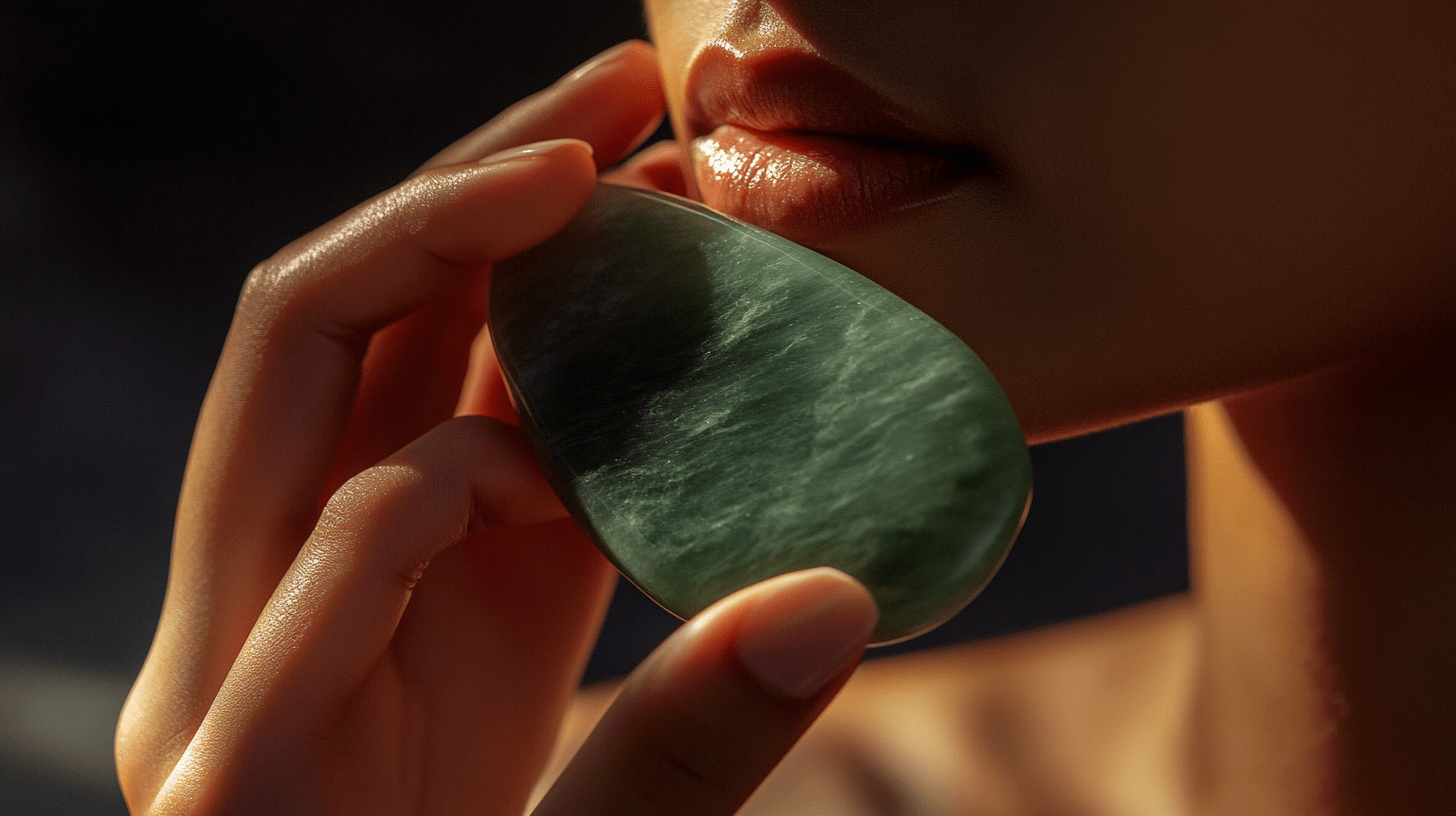
Rosehip Oil: the natural care for mature skin
Behind every beautiful ingredient, there's a botanical story and specific uses. This guide to Rosehip Oil gives you the essentials: what it is, for which skin types, how to use it — and what to combine it with in a NOPAL LIFE routine.
Carotenoids and Omega-3: Why Rosehip Oil is Unique
Rosehip oil (Rosa rubiginosa or Rosa canina), extracted by cold-pressing the dried seeds, is one of the few vegetable oils with such a rich profile. It notably contains carotenoids like beta-carotene and lycopene, which support natural skin renewal and contribute to its radiance. It is one of the most appreciated botanical ingredients for helping to maintain the skin's supple and even appearance, and it is traditionally associated with comforting marked areas.
Its richness in alpha-linolenic acid (ALA, omega-3) is also remarkable: with 30 to 40% ALA, rosehip oil is one of the best skin-friendly plant-based sources of this essential fatty acid. ALA contributes to skin comfort and suppleness and helps maintain a soothed appearance. The combination of ALA + carotenoids creates an appreciated synergy: natural radiance on one side, comfort on the other.
Complete Lipid Profile and Unsaponifiable Fraction
Linoleic acid (omega-6, LA) accounts for 44–48% of rosehip oil's composition, making it a top-notch structuring oil for the comfort of the skin barrier. Oleic acid (omega-9) accounts for 14–18%, providing an easily spreading texture and an enveloping feel. Palmitic acid and stearic acid complete the profile at less than 8% each, providing slight structural stability without excessive occlusion.
The unsaponifiable fraction is particularly valuable: it contains carotenoids (0.01–0.05%) responsible for the oil's characteristic orange tint, phytosterols (beta-sitosterol), tocopherols (natural vitamin E), and polyphenols. This fraction contributes to the oil's radiance and comfort, independently of its fatty acids. For mature skin, these active ingredients help preserve the skin's firm and plump appearance and support the maintenance of a radiant complexion.
Appearance of Scars and Marks: What We Observe
The interest of rosehip oil in the visible appearance of marks — imperfections, stretch marks — lies in the richness of its composition. Firstly, its carotenoids and fatty acids help preserve the skin's supple and plump appearance for a more even look. Secondly, linoleic acid helps to reduce the visible appearance of spots and marks that often accompany imperfections. Finally, phytosterols contribute to skin comfort and a smoother feel.
When used on recent marks as well as stretch marks, a gradual improvement in the skin's appearance — visible texture, color, and suppleness — is most often observed over weeks of regular application. The effect is generally more visible on recent marks than on old ones. On nacreous stretch marks, the improvement in appearance is more modest but still noticeable: a more regular appearance and a more even tone.
Mistakes to Avoid with Rosehip Oil
Applying it in the morning without sun protection. The presence of carotenoids makes rosehip oil more sensitive to light. Morning application without SPF exposes the skin to fatty acid oxidation and can accentuate the appearance of spots rather than reducing them. Reserve it exclusively for your evening routine.
Using it pure on blemish-prone skin. Despite its linoleic acid, which is beneficial for blemish-prone skin, rosehip oil is relatively comedogenic (index 3–4/5) due to its oleic and ALA content. Dilute it to 20–25% in a non-comedogenic oil (hazelnut, jojoba) for combination to blemish-prone skin.
Confusing "rosehip oil" with "rose oil" or "rosehip seed oil". Rosehip oil comes from the seeds of the wild rose (Rosa rubiginosa); Damask rose oil is extracted by steam distillation from the petals and has a completely different profile. Check the INCI name: Rosa rubiginosa seed oil.
Neglecting storage. With 70 to 80% polyunsaturated fatty acids, rosehip oil is extremely sensitive to oxidation. Rancid oil smells like crayons or paint and can irritate. Store in the refrigerator, use within 6 months after opening, and opt for small packaging sizes.
Radiance and Comfort Routine: Incorporating Rosehip Oil
For mature or marked skin, the following evening routine is particularly appreciated. Cleansing: makeup remover oil based on sunflower or jojoba using a double-cleansing method. Active serum: 2 to 3 drops of 5% niacinamide (which helps unify skin tone and comfort the skin barrier) on damp skin. Active oil: mix 2 drops of rosehip oil + 4 drops of Nopal Life prickly pear oil, warmed between the palms and applied by pressing. Prickly pear oil provides gamma-tocopherol, a form of vitamin E that helps protect the oil against nocturnal oxidation and supports a firm and plump appearance. Occlusive: optional, a very thin layer of rice wax if the skin is very dry.
On marked areas, a targeted massage of 2 to 3 minutes with the fingertips, in circular movements, provides a feeling of well-being and helps to evenly distribute the lipid actives on the skin. Regularity is key: six days out of seven, for a minimum of twelve weeks.
Nopal Life and Rosehip: A Visible Radiance and Firmness Alliance
Nopal Life prickly pear oil is the natural complement to rosehip oil in a visible radiance and firmness strategy. Prickly pear provides a rare concentration of gamma-tocopherol and highly purified linoleic acid. Together, these two oils cover a wide spectrum of needs: supple and plump appearance (rosehip), comfort and antioxidant protection (prickly pear via gamma-tocopherol), skin barrier comfort (both via linoleic acid), and soothing appearance (ALA + phytosterols). Our online skin diagnostic allows you to determine the ideal proportion for your specific skin type.
Frequently Asked Questions — Rosehip Oil
Is rosehip oil suitable for sensitive skin?
Yes, provided it is diluted. For sensitive skin, start with a 10% dilution in jojoba or prickly pear oil, and perform a tolerance test on the wrist for 48 hours before applying to the face.
Can rosehip oil be used on stretch marks?
Yes, with realistic expectations. For recent stretch marks (pink-red), improvement in texture and color is noticeable within 8 to 12 weeks. For old stretch marks (white-nacreous), the effect on appearance is more modest: a more regular appearance and more even tone, but not complete disappearance.
Does rosehip oil replace retinol?
It offers a gentler cosmetic approach, appreciated for skin comfort and radiance.
How often should rosehip oil be applied?
In the evening, 5 to 6 times a week. Some skin types tolerate daily application, while others prefer to alternate with a more neutral oil. Start with 3 evenings a week and gradually increase according to tolerance.
What is the shelf life of rosehip oil after opening?
3 to 6 months when stored in the refrigerator, 2 to 3 months at room temperature away from light. Adding vitamin E (a few drops of tocoferon) at the time of purchase can extend its durability by an additional 2 to 3 months.
Does rosehip oil lighten the complexion?
It helps to unify the appearance of the complexion. Its linoleic acid helps to reduce the visible appearance of blemish spots and light sun marks. For a visibly more even complexion, combine it with a targeted active ingredient (niacinamide, arbutin).
Can it be used around the eyes?
Yes, with caution. The periorbital skin is thin and sensitive. Apply a very small amount (1 drop for both eyes) with the tip of your ring finger, using light tapping motions. Avoid direct contact with the ocular mucosa.
Pure Prickly Pear Seed Oil
Ideal complement to rosehip — gamma-tocopherol + linoleic acid to support visible radiance and firmness and protect your fatty acids.
Discover the oilFree Skin Diagnostic
Find the ideal visible radiance and firmness routine for your skin type in 2 minutes.
Take the diagnosticPERSONALIZED ROUTINE
Nopal Life Skin Intelligence™
Free diagnostic · 2 minutes
DISCOVER MY ROUTINE →
Ingredient Reference
Rosehip Oil
Appearance of marks, radiance & visible suppleness — natural carotenoids.
Discover the sheet →Read more
Information provided for cosmetic and educational purposes; it does not constitute medical advice.


Go further than this article
Get our skincare guides by email — and start with your free skin diagnostic: 2 minutes, advice tailored to your skin. We ship to the US, UK, Canada, Australia and 27 European countries; somewhere else? Sign up and you will be the first to know when we deliver to your country.
By signing up, you agree to our privacy policy. Unsubscribe in one click.