Anti-Aging Massage: The Complete Nopal Life Guide
Mature and dull skin changes progressively and naturally over time: skin texture alters, the appearance of collagen and elastin changes, and facial contours appear less toned. These transformations are visibly reflected in a less firm appearance, a less radiant complexion, and less defined facial contours. However, a regular manual approach can be a valuable ally in any routine for visible radiance and firmness. Facial massage, practiced methodically and consistently, provides a feeling of well-being, accompanies skincare gestures, and offers a privileged moment for applying cosmetic treatments. This comprehensive guide explains the principles of massage, the protocols to follow, and the mistakes to avoid when integrating facial massage into your daily routine. You will leave with a concrete program and techniques adapted to mature skin, for a firmer appearance and a visibly more radiant complexion.
Understanding Anti-Aging Facial Massage: Principles and Definition for Mature Skin
Facial massage relies on simple, well-established gestures. Effleurage, pressure, and modeling maneuvers provide a feeling of relaxation and accompany the skincare gesture across the entire face. By gently mobilizing the skin, massage offers a moment of comfort and constitutes a pleasant ritual, conducive to the application of cosmetic treatments on mature skin.
For mature and dull skin, the main challenge is the tonic appearance of the face. Over time, facial contours appear less firm. Targeted facial massage, through gentle kneading movements and gliding pressures, accompanies the skincare gesture and participates in a well-being ritual that contributes to a more toned appearance and helps preserve facial volumes characteristic of a youthful and firm appearance.
The feeling of freshness and lightness is the second advantage of facial massage. Slow and regular effleurage, directed towards the neck, provides a pleasant feeling of decongestion and relaxation, gradually revealing a more radiant-looking complexion, visibly decongested features, and a smoother-looking skin texture on mature skin.
Anti-Aging Massage: What We Know for a Firm and Radiant Appearance
Regular facial massage gestures have long been recognized as a well-being ritual appreciated by mature skin. Gentle and regular facial work accompanies the application of treatments and contributes to a routine for visible radiance and firmness. This gesture is a simple and accessible first step in achieving a firm and radiant appearance.
However, facial massage should be approached with moderation: it is an accompanying gesture, to be practiced gently and regularly. Facial massage, practiced without excessive pressure, provides a moment of relaxation and accompanies the skincare ritual, contributing to a rested appearance and visibly more toned facial contours on mature skin.
These principles suggest considering facial massage not as a substitute for cosmetic treatments, but as an accompanying gesture that pleasantly complements the routine. Associated with a well-formulated soothing and barrier routine, massage creates a privileged moment for the application of treatments: relaxed skin, a feeling of comfort, and a ritual conducive to topical treatments for a firm and radiant appearance.
Practical Step-by-Step Anti-Aging Massage Protocol for an Effective Firming Routine
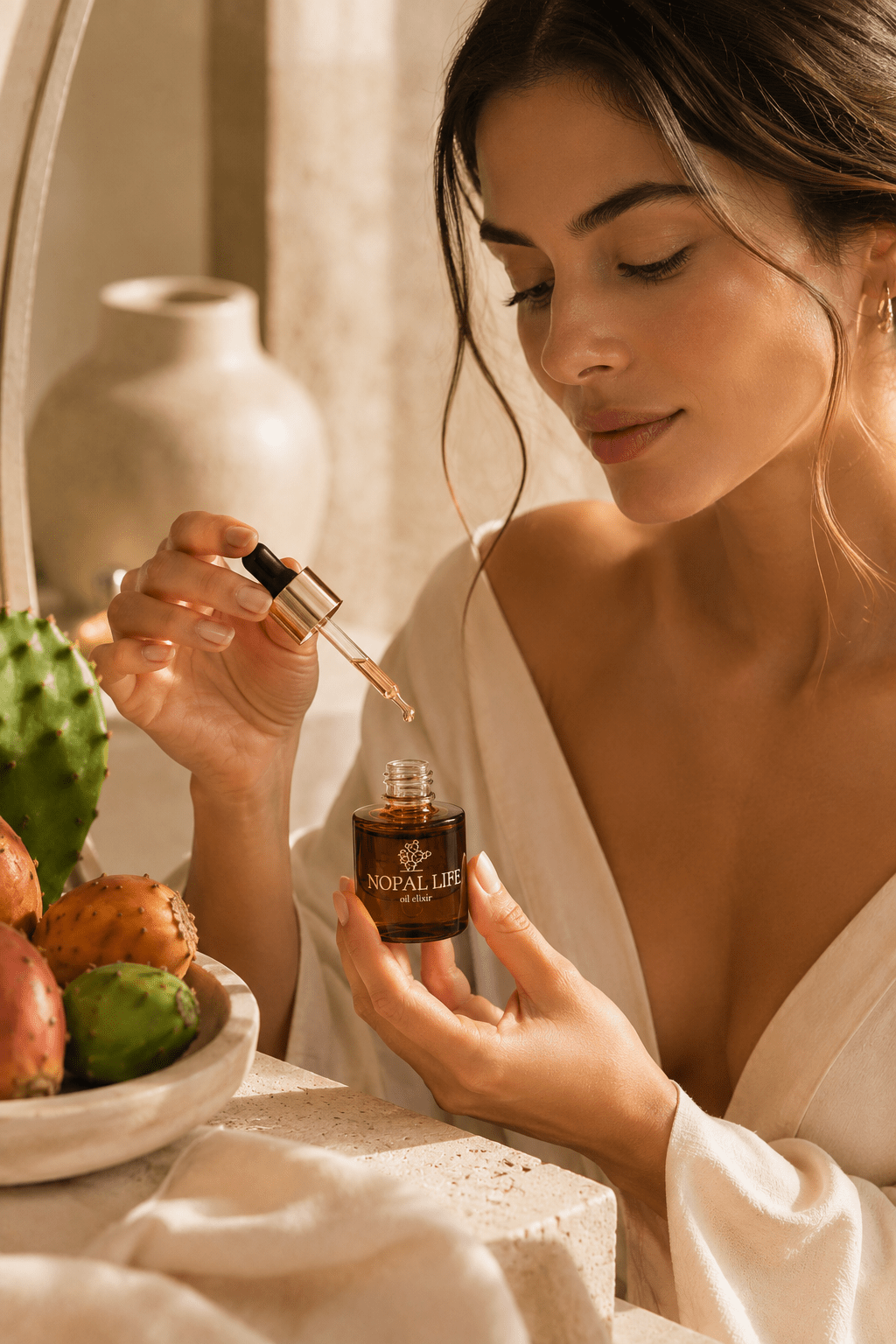
Preparation is essential for comfortable facial massage. Start by carefully cleansing your face to remove any pollution or makeup residue. Then apply your usual serum or treatment: hands and fingers glide better on hydrated skin, and massage offers a pleasant moment for applying your treatment. A few drops of dry oil can also serve as a lubricating base, provided they are non-comedogenic for mature combination skin.
The protocol begins with the décolleté and neck, systematically moving upwards from the base to the chin with firm but not painful gliding pressures for two minutes. Then move to the jaw and cheeks: gently pinch the skin between the thumb and forefinger, progressing along the mandible, then perform firm circles with the middle phalanges along the cheekbones. These targeted kneading maneuvers accompany the skincare gesture on the lower face, a key area for visible firmness on mature skin.
Finish with the forehead and eye contour with very light effleurage, starting from the center towards the temples. As periorbital skin is extremely thin on mature skin, avoid any pulling and limit pressure to the touch of only the ring finger. The complete session ideally lasts between 8 and 12 minutes, three to five times a week. Regularity takes precedence over intensity: a moderate daily massage provides far superior cumulative comfort than an intensive weekly session, in terms of well-being, visible firmness, and radiance of mature skin.
Common Mistakes to Avoid and Complementary Treatments to Maximize Anti-Aging Results
The first and most common mistake in facial massage is massaging dry skin without a lubricating base. Friction on dry skin creates uncomfortable micro-pulls that, when repeated daily, can inappropriately tug at the skin. Always start the massage with a gliding base—serum, oil, or cream—applied in a thin but sufficient layer to allow fingers to move without resistance on mature skin.
The second mistake concerns the direction of movements during facial massage. Massaging downwards, in the direction of gravity, goes against the toned appearance we are precisely trying to preserve. All maneuvers should preferably move upwards and be directed towards the temples and scalp. This directional rule, classic in lifting massage techniques, accompanies a gesture that promotes a firm appearance rather than a relaxed effect, especially on mature skin whose contours are more delicate.
Finally, facial massage is much more enjoyable when it is part of a coherent routine. For sensitized mature skin, combine massage with a moisturizing treatment that helps preserve skin comfort, applied immediately after the session during this privileged moment of care. Also avoid massaging skin that shows discomfort, reactivity, or active lesions: massage is not recommended during phases of marked discomfort and should only resume when the skin is soothed. In case of persistent skin problems, seek the advice of a healthcare professional.
Soothing & Barrier Routine: The Natural Ally for Firmness, Anti-Aging Prevention
Facial massage fully deploys its potential when combined with treatments formulated to help preserve the comfort of mature skin. Comfortable and soothed mature skin shows fewer visible signs of discomfort and more pleasantly welcomes daily care. The collection dedicated to youthful-looking skin is built around this principle: supporting the skin's natural comfort rather than stressing it with aggressive formulas incompatible with the delicacy of mature skin.
Soothing active ingredients for skin barrier comfort — such as ceramides, essential fatty acids, and soothing plant extracts — pleasantly accompany facial massage. The moment of relaxation offered by massage provides an ideal opportunity to apply these treatments, while barrier care helps preserve the comfort of skin that is more at ease with external aggressions. This ritual is particularly appreciated by mature skin, which often simultaneously experiences sensitization, dull complexion, and a less firm appearance.
Optimal use involves applying the barrier treatment immediately after facial massage, on still slightly damp and relaxed skin. Morning and evening, the massage-plus-soothing barrier routine is both a preventive and comfort ritual, adaptable to all mature facial morphologies. To personalize this protocol to your exact skin type, the Nopal Life Skin Intelligence™ diagnostic offers a precise skin analysis and individualized recommendations based on your mature skin profile.
Why choose Nopal Life against skin aging
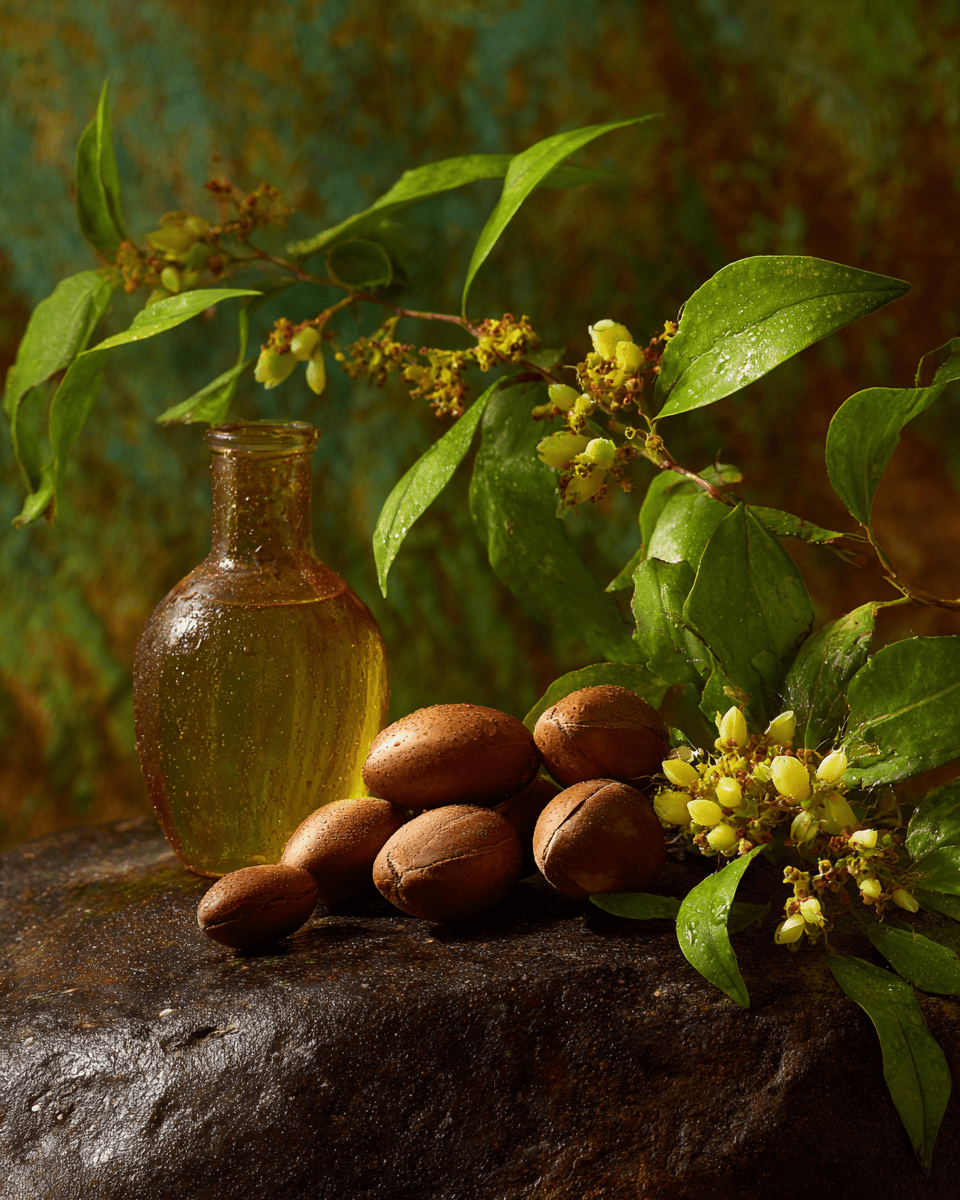
The appearance of visibly younger skin comes from rich and pleasant-to-apply treatments. Nopal Life prickly pear oil, rich in essential omega-6 and omega-9 fatty acids, vitamin E, and plant sterols, helps preserve the suppleness and comfort of the skin's film. It leaves the skin supple, helps preserve the hydration of dehydration lines, and provides immediate comfort for a visibly smoothing effect from the first few weeks.
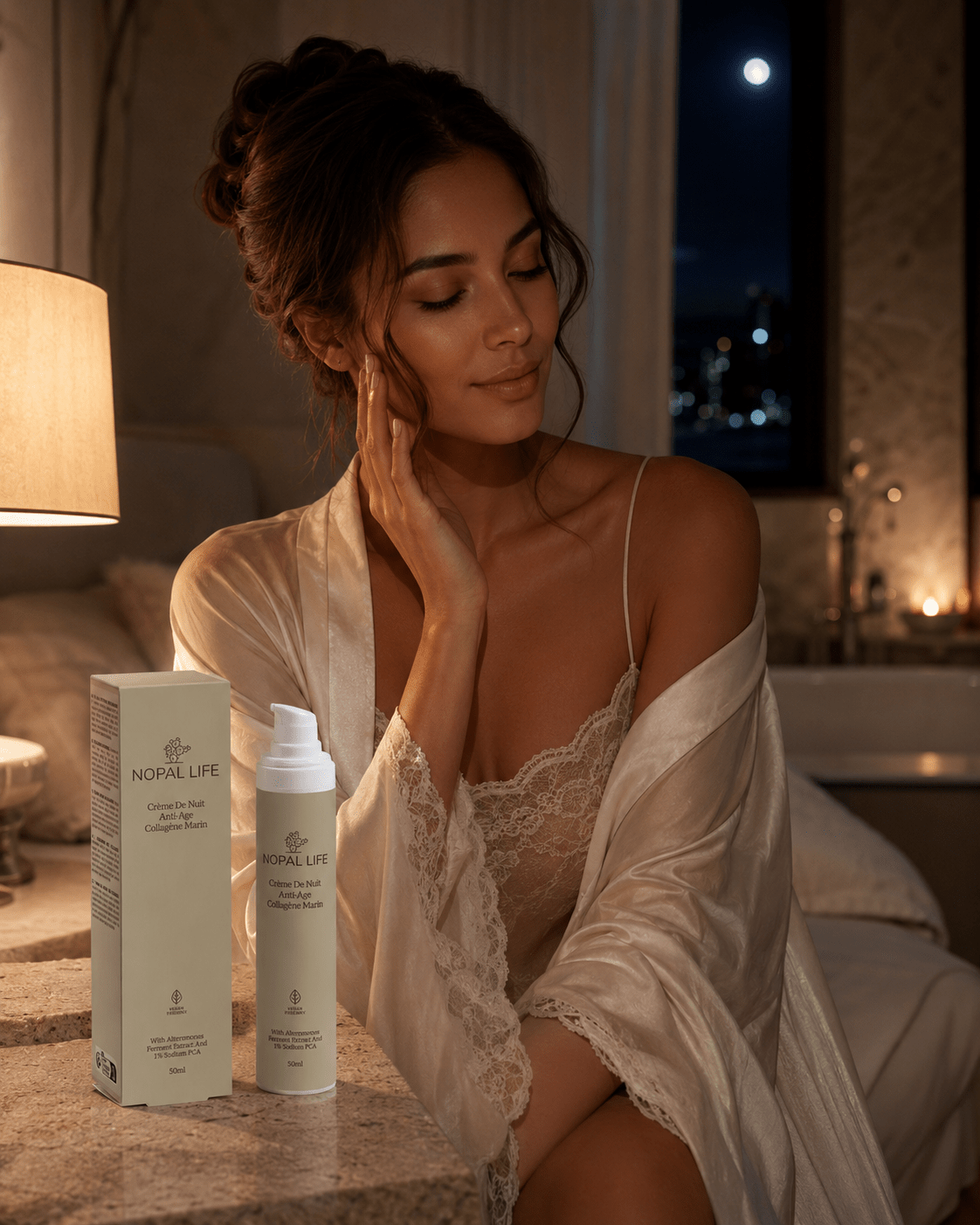
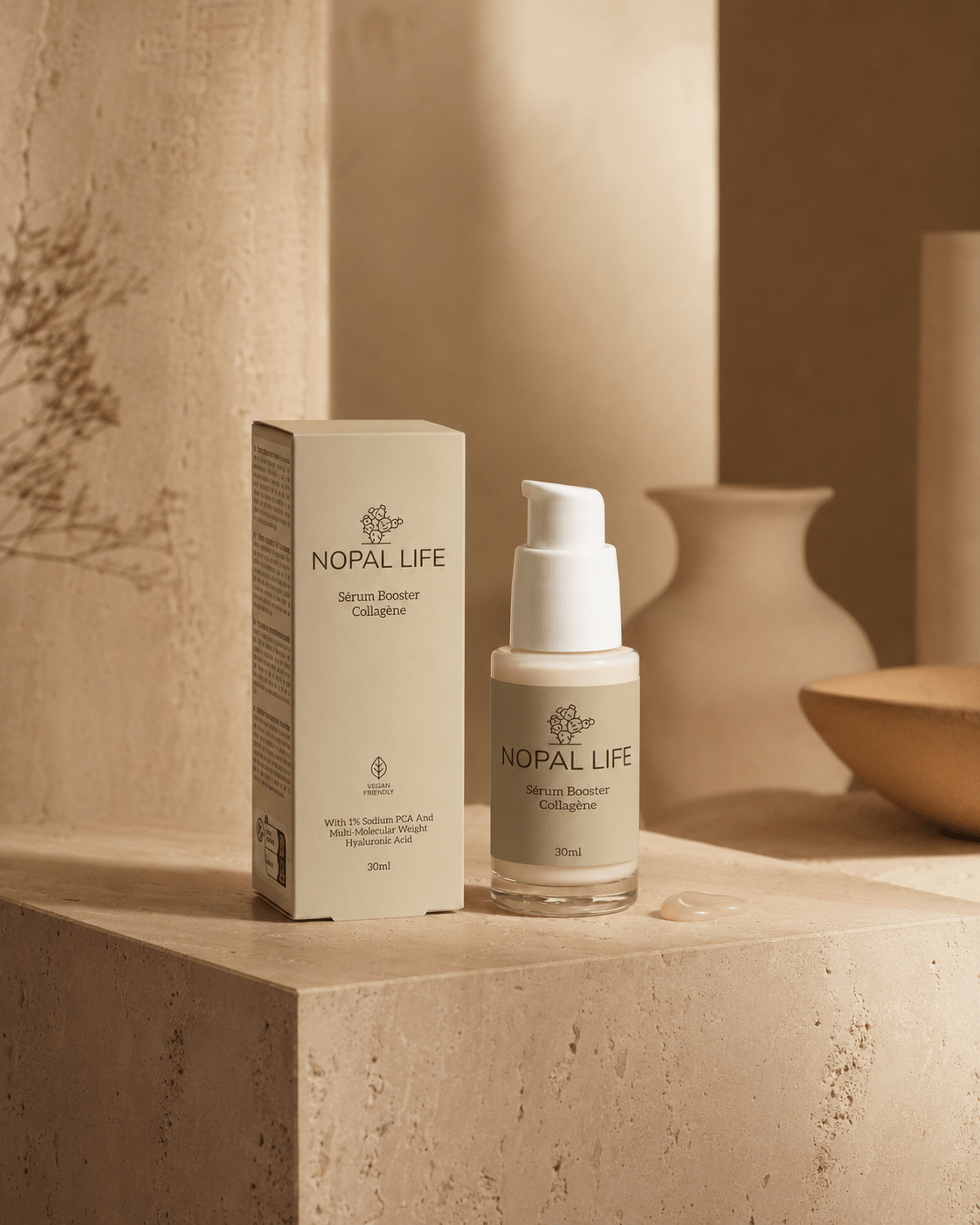
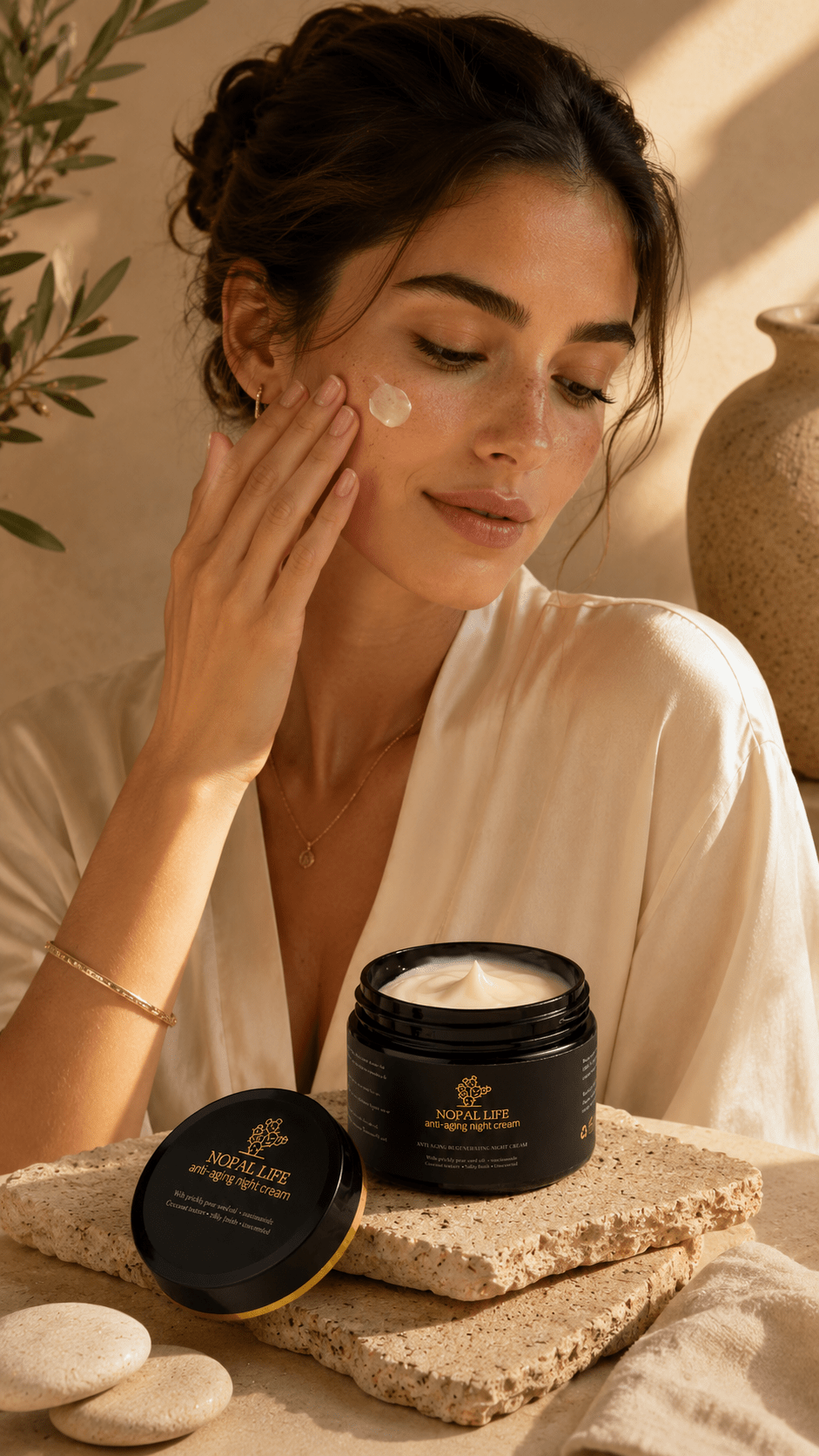
Combine it with our night cream and serum for a complete synergy, night and day. Your skin regains a firm appearance, radiance, and lasting comfort. Discover the Nopal Life formulation designed for your skin profile thanks to our free Skin Intelligence diagnosis.
RECOMMENDED TREATMENT
Soothing & barrier routine
Natural formula · Origin Algeria
DISCOVER THIS TREATMENT →Accreditation according to ISO/IEC 17025:2017 defines the general competence requirements for testing and calibration laboratories. In the plant ingredient sector, this accreditation guarantees that analytical methods—gas chromatography-mass spectrometry (GC-MS), high-performance liquid chromatography (HPLC-DAD), UV-visible spectrophotometry, and ICP-MS for trace metals—meet the criteria for metrological traceability and inter-laboratory repeatability defined by national accreditation bodies (COFRAC in France, DAkkS in Germany, UKAS in the United Kingdom). The accreditation certificates issued include the exhaustive list of analytical parameters covered and the geographical scope of international mutual recognition.
The analytical qualification of plant-derived ingredients relies on several pharmacopeial references, including the European Pharmacopoeia (Ph. Eur.) 11th edition and the United States Pharmacopeia (USP). Identification and assay monographs define acceptance criteria for thin-layer chromatography (TLC), the HPLC profile of assayed chemical markers, heavy metal limits (lead < 5 ppm, arsenic < 3 ppm, cadmium < 1 ppm, mercury < 1 ppm) and microbiological criteria based on ISO 18416 and ISO 21150 standards. These references form the documentary basis for the cosmetic safety file compliant with the requirements of Regulation (EC) No 1223/2009.
The stability of packaged plant ingredients is evaluated according to accelerated and real-time protocols defined by ICH Q1A. Thermal stress conditions (40 °C / 75% RH for 6 months) predict the behavior of the batch over its expected shelf life (generally 24 to 36 months). Monitored parameters include color index (CIELab measurement), viscosity (Brookfield viscometer), pH, active marker content (by HPLC), and initial microbiological compliance. A documented control plan with T0, T3, T6, T12, T18, and T24 milestones meets the requirements of the European regulatory dossier.
Plant supply chain management now integrates blockchain tools for batch-to-batch traceability from the agricultural plot to final packaging. Platforms like SourceMap, Provenance, or Sourcemap Africa allow each batch to be associated with a unique identifier (QR code or RFID) that traces its entire journey: harvesting, drying, primary processing, storage, transport, formulation, and filling. These transparency tools meet the expectations of European consumers, 73% of whom declare wanting access to the precise geographical origin of the ingredients of the items they buy (Nielsen IQ, Sustainability Report 2023). Fairtrade or Fair for Life certification for supply cooperatives reinforces this approach through an independent social audit.
New-generation bio-sourced polymers represent a promising alternative to conventional plastics in packaging design. PHA (polyhydroxyalkanoate) produced by microbial fermentation of plant substrates (corn starch, sugar refinery waste) offers certified biodegradability in marine environments according to ISO 14851, unlike PLA whose degradation requires the controlled conditions of industrial composting. FSC (Forest Stewardship Council) quality cardboard with vegetable inks represents a benchmark choice for secondary packaging (box, case) that meets the requirements of sustainable packaging regulations (Directive (EU) 2019/904) and facilitates sorting in municipal selective collection channels.
Frequently Asked Questions
Q: How often should I practice anti-aging massage to see results on mature skin firmness?
A: Experience and skincare habits suggest a minimum frequency of three sessions per week to fully benefit from the facial massage ritual. Ideally, daily practice, morning or evening depending on your routine, with sessions of 8 to 12 minutes. The first visible results—a more radiant-looking complexion, a feeling of decongestion—generally appear after 3 to 4 weeks of regular practice, while a firm appearance improves with 8 to 12 weeks of consistency.
Q: Can facial massage replace topical anti-aging treatments for mature skin?
A: No, facial massage is an accompanying gesture and not a substitute for cosmetic treatments for mature skin. It offers a moment of relaxation and a pleasant ritual for applying your treatments, but it cannot replace the contribution of treatments adapted to mature skin. The combination of massage plus adapted treatments constitutes a much more complete routine than either of these approaches taken in isolation for radiance and visible firmness.
Q: Which areas of the face benefit most from anti-aging massage to combat sagging mature skin?
A: The areas most improved by massage on mature skin are the lower face (jawline, jaw, cheeks), neck, and décolleté. These regions concentrate the contours whose tonic appearance directly influences the firm appearance and definition of features. The eye contour also benefits from massage, but through very gentle maneuvers focused on a feeling of freshness and lightness rather than intense work.
Q: Can I practice anti-aging massage if I have reactive or sensitive mature skin?
A: Yes, provided the massage techniques are adapted. Reactive mature skin requires very gentle effleurage maneuvers, without excessive pressure, and a lubricating base formulated without fragrance or potential allergens. During a phase of marked discomfort, it is preferable to temporarily suspend the massage and gradually resume when the skin is soothed. A non-irritating barrier treatment used as a massage base is a particularly suitable approach for sensitive mature skin.
Q: Should I use a tool (roller, gua sha) or are hands sufficient for anti-aging massage on mature skin?
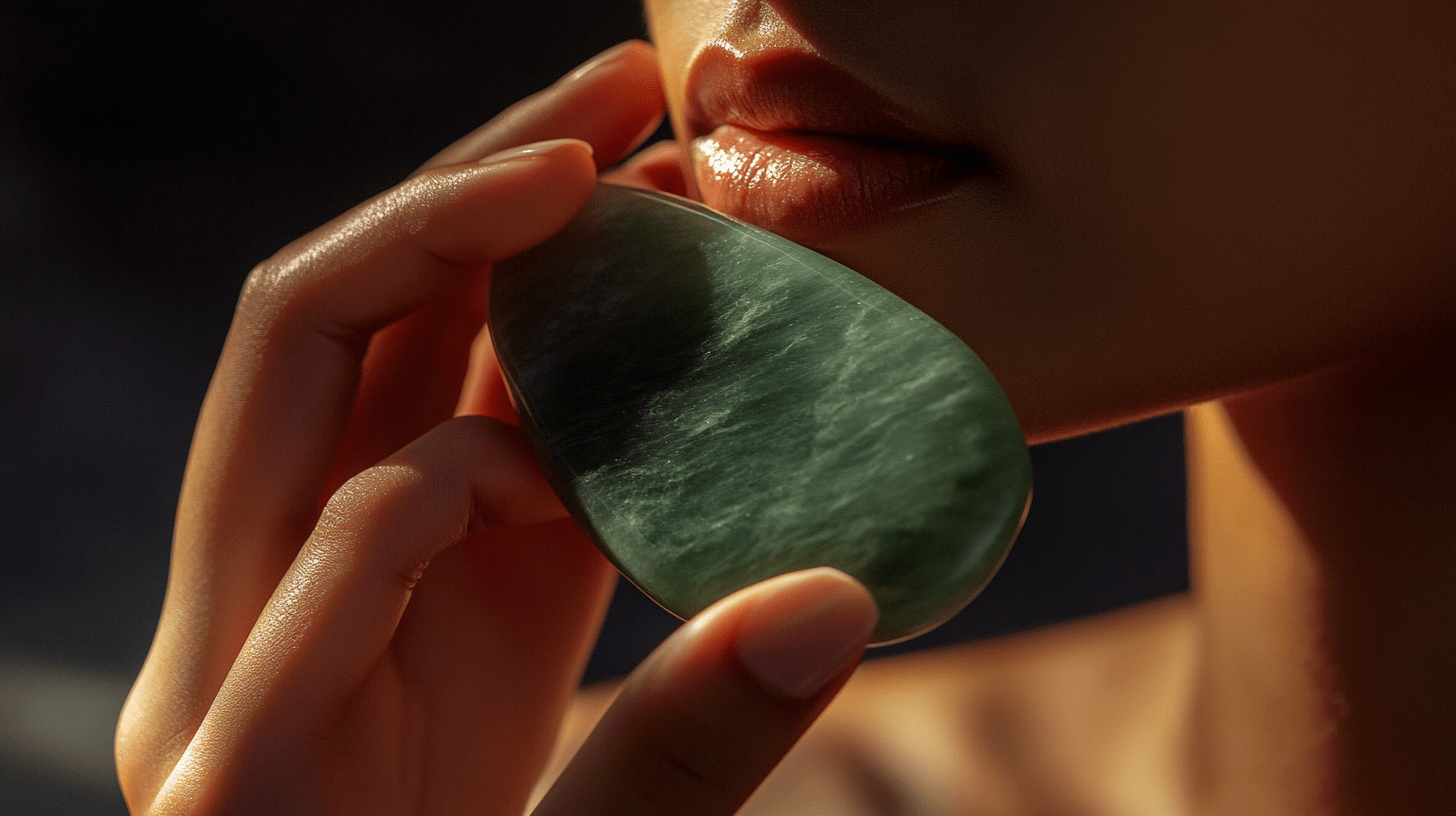
A: Hands are the most precise and adaptable massage tool, as they allow for instant modulation of pressure and heat transmitted to mature skin. Tools like quartz gua sha or jade rollers can complement manual practice, especially for the feeling of freshness on the face, but they do not replace the subtlety of manual gesture for comfort and visible firmness. Enjoyment depends primarily on regularity and correct technique.
Q: At what point in the skincare routine should anti-aging massage be integrated for mature skin?
A: Massage is ideally integrated after cleansing and serum application, before the treatment cream. This position in the routine allows the serum to be used as a gliding base while providing a pleasant moment of application, and then applying the cream to relaxed and comfortable skin. In the evening, massage promotes relaxation and offers a moment of well-being conducive to the mature skin's evening routine.
Q: Is anti-aging massage effective for wrinkles or only for sagging mature skin?
A: Facial massage mainly supports the firm appearance, comfortable feel, and overall look of mature skin rather than dynamic expression lines. The latter result from repeated facial expressions and require different approaches. However, the appearance of folds related to volume loss may seem improved by massage through the skincare ritual and the overall improvement of the skin's appearance on mature skin.
Q: How do I know if the anti-aging massage I practice is suitable for my specific mature skin?
A: Each mature skin has its own characteristics—contour appearance, priority areas, sensitivity, skin thickness—that deserve a personalized approach. The skin should never stay red or feel uncomfortable after the massage: these signals indicate excessive pressure or maneuvers unsuitable for your mature skin type. A personalized skin diagnosis helps identify priority areas and adapt the massage protocol accordingly.
Read More
Information provided for cosmetic and educational purposes; it does not constitute medical advice.
Our anti-aging treatments