Hydrating facial mask: understanding the surface effect
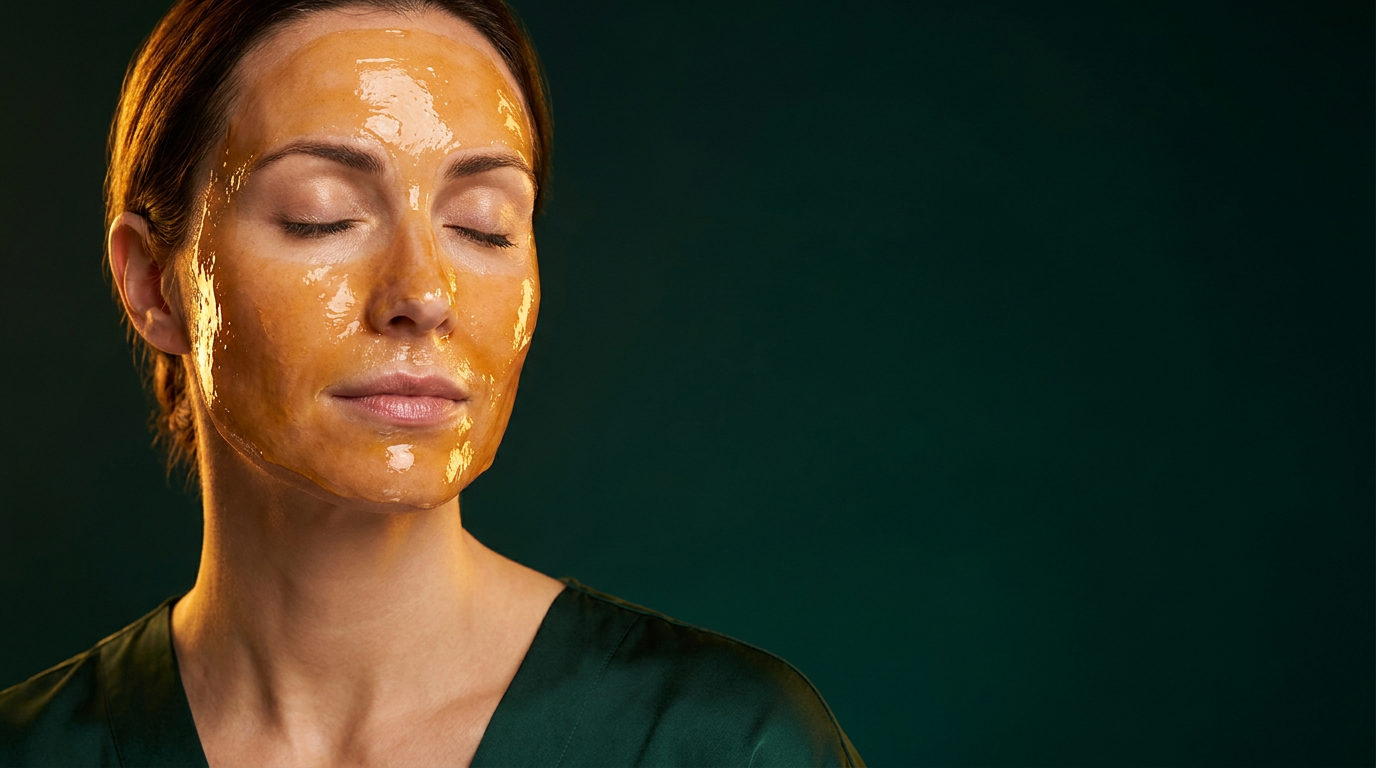
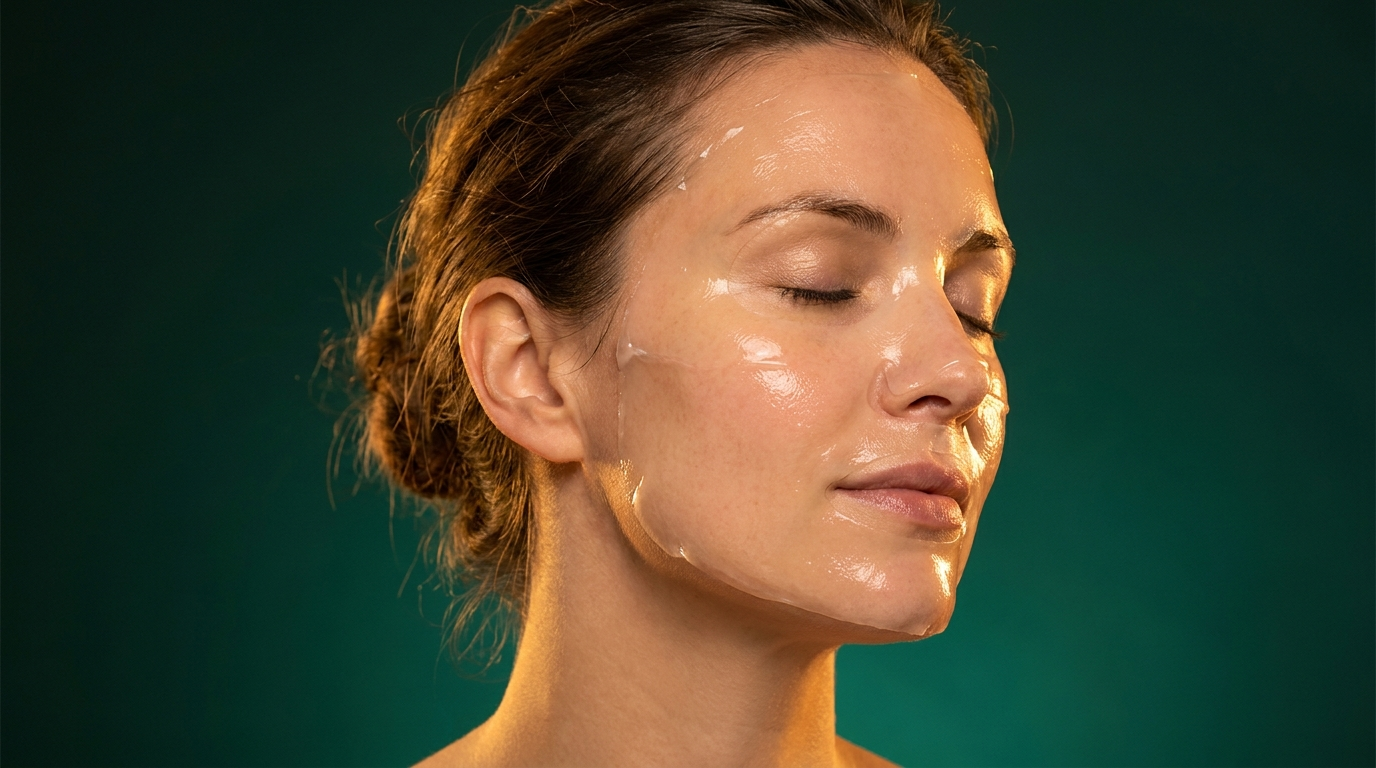
A hydrating mask works primarily through prolonged contact and occlusion. It temporarily increases the water content of the stratum corneum, provided it combines humectants and a film. It does not penetrate water into the deeper structures of the face.
The choice of a hydrating face mask is based on observable criteria, reproducible doses, and monitored tolerance over time.
The sensation of plumped skin comes from better-hydrated corneocytes and a smoother surface. This effect can be useful before an event or in a weekly routine, but it is maintained by daily actions.
Water in the Stratum Corneum and the Role of NMF
Corneocytes contain natural moisturizing factors (NMF), composed notably of amino acids, lactates, urea, and salts. These molecules attract water. Around them, lipids limit its diffusion to the outside.
When the barrier is disrupted, water evaporates faster, and the surface becomes less supple. A mask provides a moist environment for a few minutes, then a film reduces water loss after removal.
The chapter on skin hydration details this gradient between depth and surface.
Glycerin, Hyaluronic Acid, and Beta-Glucan
Glycerin is a benchmark humectant, effective in many formulas. Hyaluronic acid exists in different molecular weights; high molecular weight forms primarily stay on the surface and create a moisturizing film. Beta-glucan contributes to comfort and suppleness.
Maximum concentration is not always best. Too many polymers can leave a sticky film or pill under a cream. Synergy with emollients is more important than an isolated number.
The pages on vegetable glycerin and hyaluronic acid allow for comparison of their functions.
Sheet, Gel, or Cream: Three Forms of Occlusion
A sheet mask maintains contact with a solution but can become uncomfortable if it dries out. Gel offers a fresh sensation and rinses off easily. Cream often contains more lipids and is better suited for dry skin.
The form does not indicate its potency. A sheet impregnated mainly with water and fragrance may be less useful than a simple cream containing glycerin and squalane.
The choice depends on the application time, climate, and sensation after removal.
The Optimal Application Time Is Not the Longest
Ten to fifteen minutes are usually sufficient. A sheet left until dry can pull water back as it evaporates and become unpleasant. A night cream designed to stay on is different from a rinse-off mask.
Apply to clean, slightly damp skin, avoiding the lash line. Remove according to instructions, then spread the residue or rinse. Seal with a light emulsion if the skin feels tight.
- Brief cleansing before application.
- Even layer without excessive thickness.
- Duration of 10 to 15 minutes.
- Removal before complete drying.
- Final cream if the product does not contain enough lipids.
Measuring the Effect at the Right Time
Instrumental corneometry measures electrical capacitance related to superficial water. At home, you can note suppleness, tightness, and the appearance of dehydration lines thirty minutes after application and the next morning.
A spectacular effect right after removal may primarily come from the water and freshness. Retention at twenty-four hours better indicates if the final film was appropriate.
The dehydrated skin routine shows how to prolong this benefit daily.
| Form | Advantage | Limitation |
| Sheet | Consistent and convenient contact | Can dry out and contains a lot of packaging |
| Gel | Freshness and easy rinsing | Sometimes insufficient film |
| Cream | Lipids and lasting comfort | Can be too rich |
| Sleeping mask | Prolonged occlusion | Risk of overload on oily skin |
Frequency and Compatibility with Actives
One to two applications per week are sufficient for most routines. The mask can be applied after a cold day, a plane trip, or a period of intense heating. It should not become an automatic response to irritation caused by other products.
Avoid combining it with several exfoliants on the same evening if the skin is reactive. A simple, fragrance-free mask is easier to use after an active ingredient.
The page on the place of hydration helps organize these steps.
Homemade Recipes That Seem Moist But Dry Out
Clay left until cracked absorbs water and lipids. An alcoholic mixture gives a fresh sensation but increases evaporation. An egg white creates a tightening film as it dries without providing lasting hydration.
An aqueous base should be combined with a humectant and, depending on the skin, a small lipid phase. Food ingredients are not designed for preservation on the skin.
The best test remains comfort an hour later, not the sensation during application.
Humectants, Occlusion, and Application Time by Skin Type
An effective hydrating face mask combines at least one humectant and a film that limits evaporation. Glycerin attracts water, sodium PCA belongs to natural moisturizing factors, beta-glucan forms a flexible film, and hyaluronic acid retains water on the surface according to its molecular weight. A formula containing 3 to 10% glycerin and a light emollient is often better than a gel composed almost exclusively of water and fragrance.
Apply the hydrating face mask in a layer of 1 to 2 mm on clean, slightly damp skin. About a teaspoon usually covers the face. Leave it on for ten to fifteen minutes, without waiting for the surface to dry completely. Remove excess with a damp cloth or massage it in if the instructions allow. Then seal with a pea-sized amount of cream containing squalane, ceramides, or shea butter depending on the level of dryness.
The format of the hydrating face mask changes the level of occlusion. A soaked sheet increases contact but can dry out after twenty minutes. A gel cools and is suitable for combination skin. A rich cream limits water loss more effectively on dry or mature skin. A sleeping mask stays on for several hours and should be applied in a thin layer. For sensitive skin, choose a fragrance-free formula and avoid combining it on the same evening with glycolic acid or a retinoid.
Measure the hydrating face mask at two points: thirty minutes after removal and the next morning. Note tightness, suppleness, and the appearance of dehydration lines on a scale of 0 to 5. An effect visible only for an hour primarily corresponds to immediate occlusion. A persistent improvement implies a consistent routine with a gentle cleanser, daily humectant, and suitable cream. A frequency of one to two times per week is sufficient in most cases.
A homemade hydrating face mask recipe can use one tablespoon of colloidal oatmeal and two tablespoons of lukewarm water, mixed until a light gel is obtained. Let it rest for two minutes, spread it on, leave it for ten minutes, then rinse. Do not add lemon, baking soda, or essential oil. Prepare the dose just before use and discard any remainder, as an aqueous preparation without preservative should not be stored.
Composing a Hydrating Formula Without Layering Too Much
A clear formula combines three families: humectant, emollient, and occlusive. Glycerin or sodium PCA attracts water; squalane or triglycerides soften the surface; shea butter or certain polymers limit evaporation. For oily skin, reduce the occlusive phase and prefer a gel-cream. For dry skin, add a cream after the mask. For mature skin, occlusion temporarily makes dehydration lines less visible, but it does not alter the deep structure.
To avoid overload, do not combine a sheet mask, a serum with multiple humectants, a rich cream, and a thick oil on the same evening. Start with a single layer, wait ten minutes, and observe the film. If the skin remains uncomfortable, add two drops of oil or a pea-sized amount of cream to the cheeks. If it feels sticky, reduce the amount next time. The right dose is one that maintains comfort without migrating to the eyes or pilling upon touch.
The product's temperature mainly affects the sensation. A gel kept cool may feel soothing, but cold does not replace humectants. Take the mask out five minutes before use if your skin reacts to temperature changes. For a sheet mask, spread the remaining serum on your neck rather than layering a second sheet. Discard the opened sachet and never reuse the support.
For very dehydrated skin, repeat the protocol twice a week for three weeks, then space it out. Always measure before the next treatment to avoid confusing the effect of the mask with that of the cream. If the surface becomes sticky, reduce the dose by half. If certain areas remain rough, only increase the emollient phase on those areas, without extending the application time.
Fifteen-minute hydrating protocol. Mix one tablespoon of aloe vera gel, one teaspoon of cosmetic glycerin already diluted in a base, and one teaspoon of neutral cream. Spread a thin layer, avoid the eye contour, leave on for ten minutes, then remove excess with a damp cloth.
Glycerin is a hygroscopic humectant. Hyaluronic acid forms a hydrating film depending on its molecular weight. Beta-glucan and panthenol support comfort. An effective formula generally combines a humectant, emollient, and light occlusion.
| Texture | Time | Profile | After |
| Gel | 10 min | Combination skin | Gel-cream |
| Cream | 15 min | Dry skin | Remove excess |
| Sheet | 10 to 15 min | Dehydrated skin | Seal with a cream |
Apply to clean, slightly damp skin. Use about one teaspoon for the face. Do not let a sheet mask dry completely, as evaporation can exacerbate the feeling of tightness. Remove it as soon as the edges start to dry.
For sensitive skin, test first for five minutes on the jawline. For oily skin, avoid very occlusive balms. For mature skin, then add two drops of squalane or a pea-sized amount of ceramide cream.
Measure the effect after thirty minutes and the next morning. Immediate suppleness does not prove a lasting change in the skin barrier. Two applications per week for four weeks provide a more useful reading.
What Hydric Occlusion Does Not Achieve
It does not permanently fill wrinkles, change the shape of the face, or permanently increase the volume of the dermis. Fine lines related to lack of water may appear less visible, but the effect remains dependent on the routine.
It does not replace medical advice if dryness is accompanied by severe itching, cracks, or persistent patches.
A good mask provides a window of comfort. It should never be presented as a profound transformation in fifteen minutes.


Go further than this article
Get our skincare guides by email — and start with your free skin diagnostic: 2 minutes, advice tailored to your skin. We ship to the US, UK, Canada, Australia and 27 European countries; somewhere else? Sign up and you will be the first to know when we deliver to your country.
By signing up, you agree to our privacy policy. Unsubscribe in one click.