Organic face mask: application time and best practices
The beauty of a ritual lies as much in the gesture as in the time we dedicate to it. The mask embodies this suspended interlude in a skincare routine—but you still need to know how many minutes to leave it on to reveal its full benefits, without going overboard. Too short, it doesn't have time to act; too long, it can turn against the skin. In this Beauty Lab guide, NOPAL LIFE helps you adjust the application time of your mask to each texture and skin type, to fully enjoy this moment with the precision and botanical nourishment that are so dear to us.
Application time, the detail that changes the result
A mask is a unique galenic formulation. Where a serum penetrates in a few seconds and a cream blends into daily life, it is applied in a generous layer and left on for a defined period before being removed. It is precisely this duration of action that makes it unique: it allows the active ingredients time to work on the surface and creates a real sensory interlude, a moment for oneself.
But leaving it on longer is not necessarily better. Each formula is designed for a specific duration, indicated on the packaging. Respecting this duration ensures the expected result—a fresh complexion, restored softness, renewed comfort. Exceeding it, especially for certain textures, can produce the opposite effect and leave the face feeling uncomfortable. This is one of the most common misunderstandings: believing that a product left on the skin longer "works" more.
The logic is simple. The mask acts as long as it remains active on the surface. Beyond a certain point, either it has already delivered its potential, or its consistency changes state: it dries, hardens, or starts to "pull." Understanding the nature of each preparation means knowing instinctively when to keep it on and when to remove it. Even before the duration, the choice matters: to know which face mask to choose according to your needs, a dedicated guide accompanies you; here, let's focus on the right timing. To explore these textures, the Masks & Exfoliants collection by NOPAL LIFE brings together treatments designed for these rituals.
How long to leave a mask on depending on its texture
The correct duration depends primarily on the texture and function. Here are the main guidelines, format by format.
Cream or "cocoon." Rich and comfortable, these formulas should be left on for 10 to 20 minutes. Their consistency does not dry: you can extend it a little without discomfort, and some can even be kept on in a very thin layer if the formula specifies it.
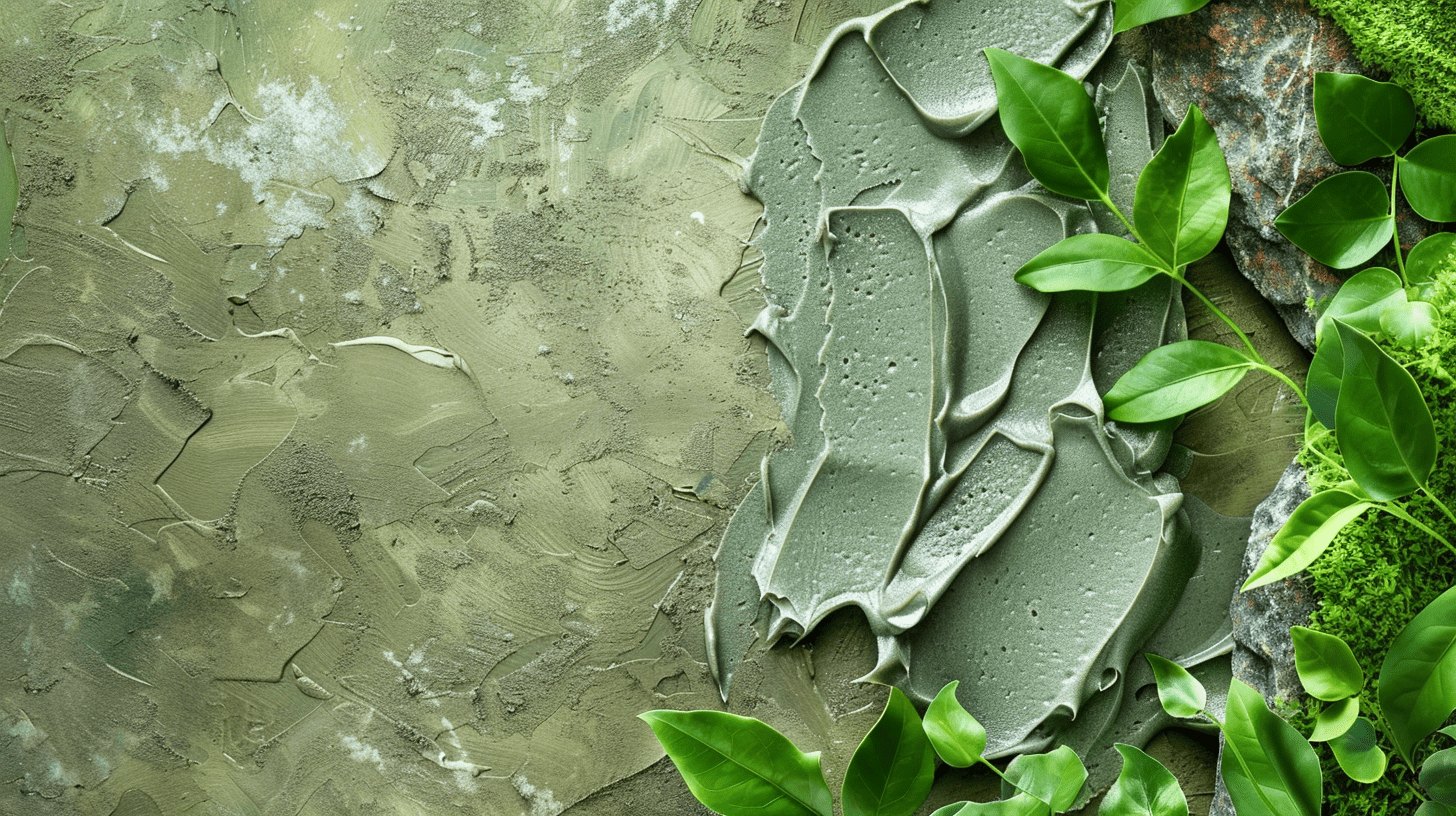
Clay and charcoal, the purifiers. These are used for a shorter time, 5 to 10 minutes. Clay absorbs excess sebum and impurities on the surface and visibly tightens pores. The classic mistake is to let it dry until it cracks: as it dries, it can accentuate tightness. The golden rule: remove before complete drying, when the material is still slightly damp.
Fresh gel. Light, full of water and moisturizing agents, it provides an instant refreshing effect in 10 to 15 minutes; combination skin welcomes it readily.
Sheet mask. Soaked in serum, it is applied for 15 to 20 minutes. Once the sheet is dry, it no longer provides benefits and can reabsorb moisture from the skin: remove it while it is still saturated.
Exfoliating or "radiance" mask. A more controlled duration, 3 to 10 minutes, because these formulas concentrate more powerful active ingredients that revive a dull complexion. Following the manufacturer's instructions is essential here: these are the textures that least tolerate excess.
Balm or overnight treatment. Kept in a thin layer all night when the formula specifies it, it seals in moisture during sleep; otherwise, stick to the 20 minutes of a cocoon mask.
| Type of mask | Application time | Signal to remove | The right next step |
|---|---|---|---|
| Cream / "cocoon" (hydrating) | 10 to 20 min | Skin remains supple, no tightness | Massage in excess product |
| Clay / charcoal (purifying) | 5 to 10 min | Material still slightly damp, before cracking | Rinse with lukewarm water, then a soothing gesture |
| Fresh gel (light hydrating) | 10 to 15 min | Skin fresh and plump, never tight | Pat in excess, no rinsing |
| Serum-infused sheet mask | 15 to 20 min | Sheet still impregnated, before it stiffens | Massage in remaining serum |
| Exfoliating / "radiance" | 3 to 10 min | End of indicated time, to the minute | Rinse, then hydrate immediately |
| Balm / overnight treatment | 20 min to all night | Depending on formula: rinse or thin layer kept | Leave on overnight, or massage in |
These ranges are starting points: the packaging is always authoritative, as it corresponds to the specific formula. And a good duration never makes up for a poorly chosen product – when buying, it's better to read the ingredients than the price, a true guarantee of effectiveness and benefits for appearance. In case of marked discomfort, persistent tingling, or redness, rinse immediately and, if the problem persists, seek advice from a healthcare professional.
The real indicator: read the texture rather than the clock
The timer sets the framework, but it's the consistency that provides the most reliable signal. A clay mask that is still supple and fresh is still working; as soon as it becomes matte and cracks, it's time to rinse. A sheet mask whose lifted corner is still soaked in serum indicates you can wait; if it's dry and stiff, it should be removed. A cream mask, on the other hand, is never urgent, while an exfoliating mask is a race against the clock. Reading these signals with your fingertips ensures each application is safe and serene.
Steps that frame the application
Application is only part of the equation. Around it, a few simple beauty gestures complete the ritual, extend its benefits, and anchor this treatment in a routine of lasting radiance.
Prepare the face. Always apply it to clean skin, cleansed with milk or a gentle cleanser. On a clean complexion, application is more even, active ingredients are better absorbed, and comfort is ensured. Some like to apply it after a light scrub, with formulas that allow it, for more receptive skin.
Apply in an even layer. Spread a uniform thickness, avoiding the eye and lip contours, which are thinner and more sensitive. There's no need to overload: a generous but neat amount is sufficient. A dedicated brush facilitates even distribution and limits waste.
Rinse gently. With lukewarm rather than hot water, using fingertips or a soft cloth, without rubbing. Water that is too hot can weaken the protective film and increase tightness, counteracting the desired comfort.
Seal after the ritual. Once the face is pat dry, apply your usual skincare product to prolong comfort. On skin that lacks suppleness, a few drops of a nourishing plant oil like cold-pressed prickly pear seed oil, rich in vitamin E and essential fatty acids, seal in hydration and leave the skin visibly softer. The Hydration & Comfort collection brings together textures designed for this step.
The question of frequency remains: how often a week should this treatment be applied? This deserves its own chapter, which our guide on the ideal frequency for a face mask details for each skin type.
Free Skin Diagnosis
Curious to know what your skin truly needs?
Take my 2-minute diagnosis →
Adapt the duration to your skin type
The right duration also depends on your skin profile: for the same texture, one skin doesn't react like another. The same mask isn't experienced in the same way from one face to another—skin's fineness, tolerance, and current needs vary the ideal duration. Observation remains the best guide: it's your skin, much more than the clock, that tells you when the treatment has acted enough and when it's time to remove it to preserve all its benefits for radiance and comfort.
Dry skin or skin lacking comfort. Opt for rich and comfortable cream masks, applied for a generous duration, up to 20 minutes. Strongly space out very drying formulas, or reserve them for a targeted area. Comfort is the absolute priority here.
Oily or combination skin. On the T-zone—forehead, nose, chin—where excess sebum and impurities concentrate, purifying masks visibly tighten pores and mattify a sometimes dull complexion. Target these areas rather than the entire face, sticking to the shorter range and never aiming for cracking.
Tired skin or skin showing early signs of aging. Radiance formulas and serum-soaked sheet masks offer a welcome refreshing boost, without ever drying, by adhering to the indicated time. This is the ideal gesture at the end of the week or before a special occasion.
Skin sensitive to changes. Opt for short formulas, without aggressive perfumes, and for rather brief application times. It's better to use a gentle mask more often than an intense texture left on for too long. Our natural face care products favor this clear and respectful approach.
The same logic applies beyond the face: on the neck or body, and for organic formulas as well as others, always read the texture before the clock. Ultimately, there is no universal magic duration: there is the right duration for your formula and your skin. Reading the consistency as much as the label, that's the real secret to a successful ritual.
Frequently Asked Questions
Q: How long should I generally leave a face mask on?
A: It all depends on the texture, from three to twenty minutes depending on the formula; the table above details each category. The indication on the packaging remains the reference, as it corresponds to your specific product.
Q: What happens if I leave it on for too long?
A: For a comfortable cream-type texture, this is generally not a problem. Clay left to dry completely, however, can accentuate the feeling of tightness; a sheet mask, once dry, no longer provides any benefits. It's best to respect the recommended duration.
Q: Do all masks need to be rinsed off?
A: No. Cream or sheet mask textures are often removed by massaging in the excess, or leave only a light film to be absorbed. Clay and most purifying masks are rinsed with lukewarm water. The packaging always specifies the expected action.
Q: Can I sleep with a mask on my face?
A: Only if the formula is designed to be left on overnight. A classic version, and especially clay, is not intended to stay on for 7 or 8 hours: follow the manufacturer's instructions.
Q: Should I apply a skincare product afterwards?
A: Yes, it's recommended. Once the skin is pat dry, a moisturizing product or a few drops of vegetable oil helps prolong comfort and seal the benefits of the ritual, especially on skin that lacks suppleness.
Q: Does the online diagnosis replace a dermatologist's advice?
A: No. The Skin Intelligence™ diagnosis is a cosmetic guidance tool to help choose a suitable routine. In case of persistent redness, itching, or persistent problems, consult a healthcare professional.
RECOMMENDED TREATMENT
Cold-pressed prickly pear seed oil · Organic
DISCOVER THIS TREATMENT →
PERSONALIZED ROUTINE
Nopal Life Skin Intelligence™ · Free Diagnosis · 2 minutes
START MY FREE DIAGNOSIS →
The application time is not trivial: it's what separates a successful ritual from a counterproductive gesture. Each formula has its correct duration, always reminded on the packaging, and its removal signal to read with your fingertips—supple or matte, saturated or dry. By adding the right gestures and a nourishing treatment to seal in comfort, this moment regains its full place in your beauty routine.
Read more
- Which face mask to choose according to your needs
- How often to use a face mask?
- Skin Guide — all our tips
Information provided for cosmetic and educational purposes; it does not constitute medical advice.


Go further than this article
Get our skincare guides by email — and start with your free skin diagnostic: 2 minutes, advice tailored to your skin. We ship to the US, UK, Canada, Australia and 27 European countries; somewhere else? Sign up and you will be the first to know when we deliver to your country.
By signing up, you agree to our privacy policy. Unsubscribe in one click.