Natural Cosmetics Guide: Labels and INCI Decoded
Choosing natural cosmetics isn't about following a beauty trend: it's about learning to read a formula. The word "natural" hides very different realities depending on the reference, the label, and the INCI list. This guide provides concrete benchmarks to distinguish a truly natural-origin product from a marketing claim, compare French and European organic certifications, and build a simple, safe, and effective routine.
What a natural cosmetic ingredient really is
A natural ingredient is a component of plant, mineral, or marine origin integrated into a product for a specific benefit: hydration, comfort, antioxidant protection, or improvement of skin appearance. Plants often synthesize the same molecules as laboratory chemistry, sometimes with superior active synergy. "Natural" therefore doesn't mean "less effective"—but the word itself isn't regulated. What is authoritative is the declared natural origin and the certification that attests to it.
To verify, only one document truly matters: the INCI list (International Nomenclature of Cosmetic Ingredients). This is the official language, identical across Europe, found on the back of every product. A plant ingredient appears under its Latin name (Aloe barbadensis leaf juice, Butyrospermum parkii butter for shea butter), while a synthetic molecule has a chemical name. Knowing how to decode this list is better than any promise printed on the bottle.
The major families of plant active ingredients
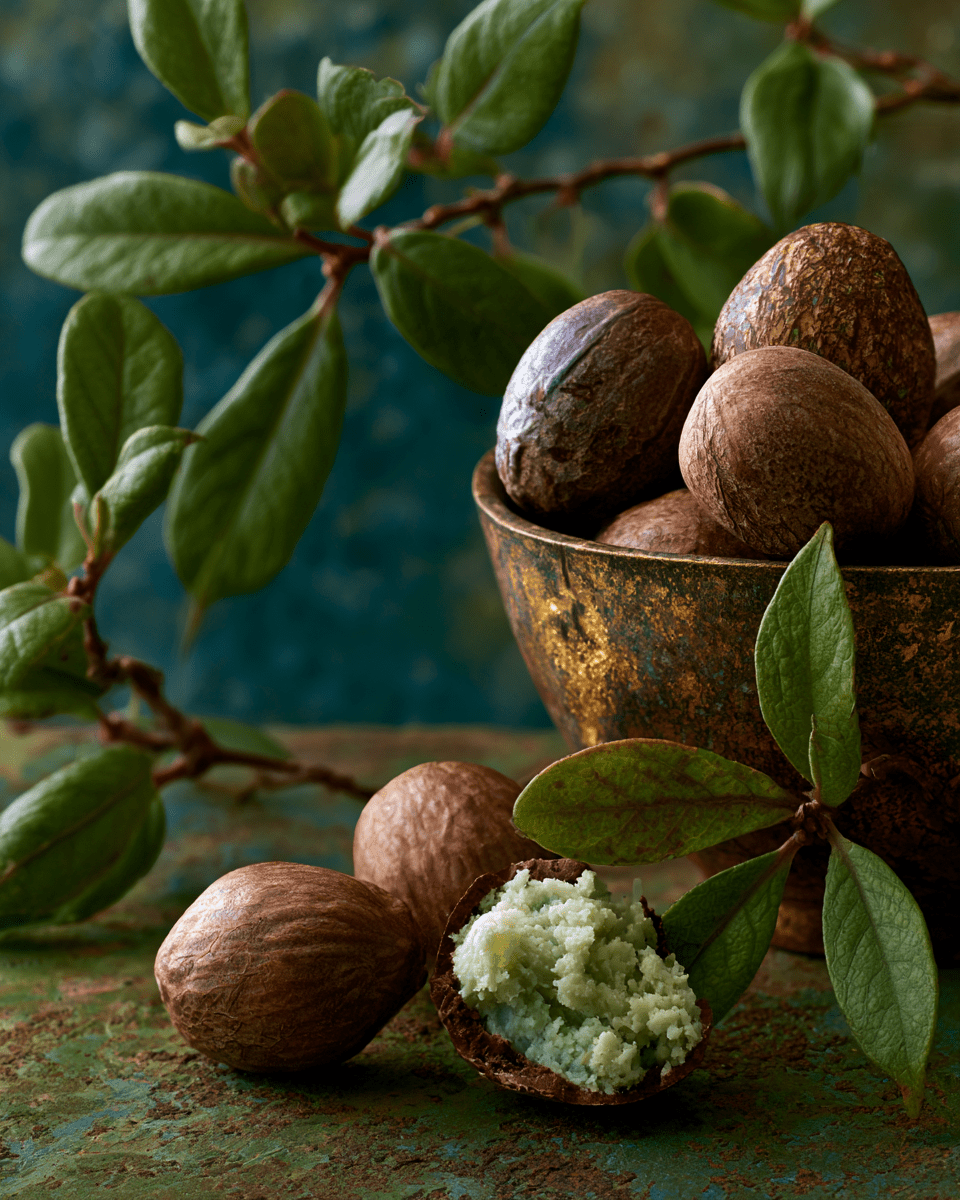
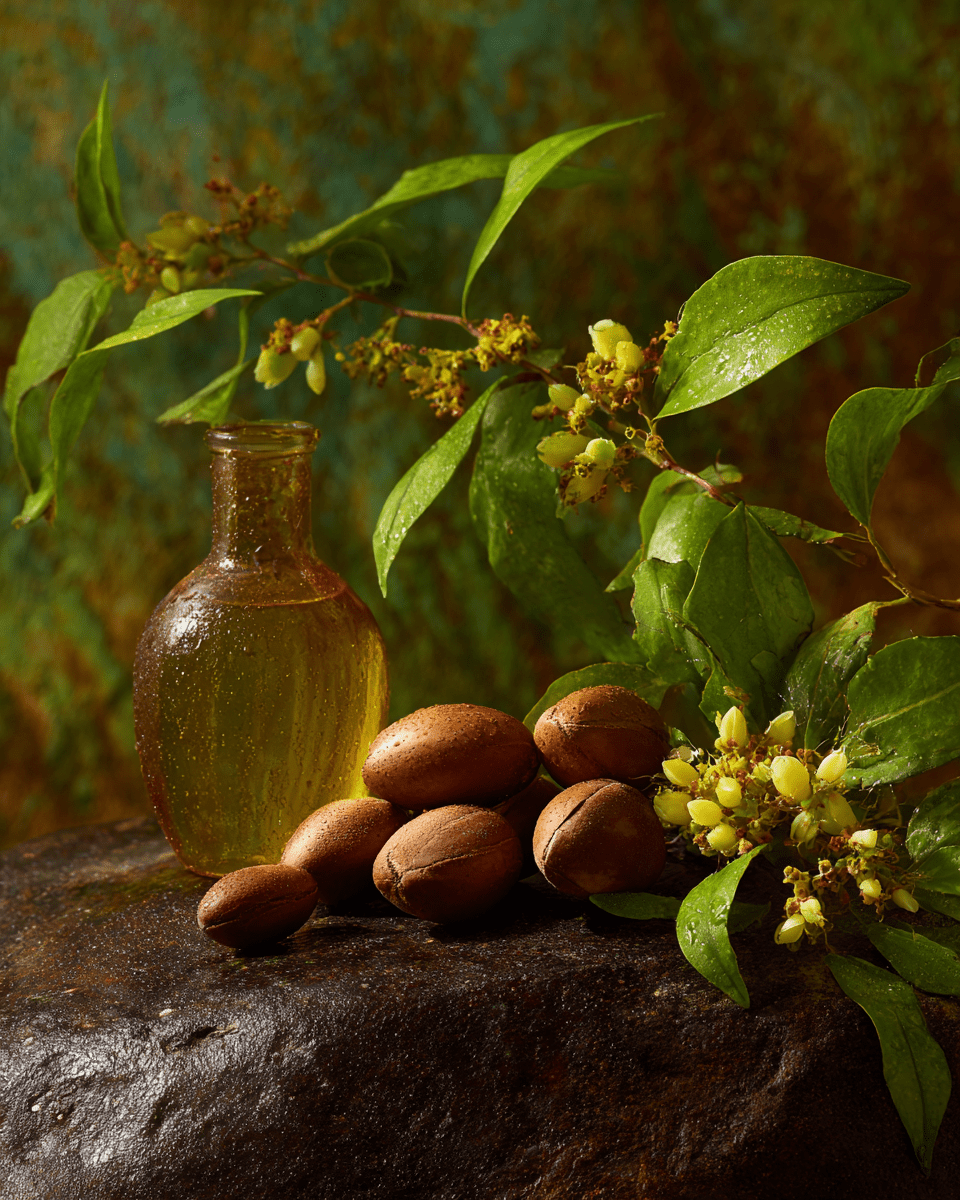
Vegetable oils and butters — jojoba, shea, argan, rosehip, prickly pear. Rich in fatty acids and vitamins, they nourish and help maintain the comfort of the skin barrier.
Plant extracts — aloe vera, centella asiatica, calendula, chamomile. Each plant provides a different profile: aloe helps hydrate, centella helps soothe skin appearance, calendula supports the comfort of sensitive areas.
Minerals — clays, zinc oxide, titanium dioxide. Used for their absorbing power (clays) or as mineral filters in protective care products.
Natural humectants — vegetable glycerin, biotechnological hyaluronic acid. They attract and retain water in the superficial layers of the skin, for a plumped and comfortable appearance.
Botanical antioxidants — vitamin E, green tea, polyphenols. They help protect the skin from oxidative stress and naturally stabilize formulas, a key point in slow cosmetics.
Labels and certifications: the table no one shows you
"Organic," "natural," "clean": on a skincare or makeup package, these words can be freely used. Only a certification logo, issued by an independent body (Ecocert, Cosmébio…), commits the brand to a verifiable set of specifications. Neither customer reviews nor a brand's reputation replace this control: two products with glowing reviews can hide very different formulas. Here's what the main standards actually guarantee, with public thresholds:
| Standard / label | Minimum organic content | Natural origin required | Vegan guaranteed? | What it means for you |
|---|---|---|---|---|
| COSMOS Organic (Ecocert / Cosmébio) | ≥ 95% of processed plant ingredients | ≥ 95% of total | No | The most common organic standard in France and Europe |
| COSMOS Natural | No organic threshold imposed | ≥ 95% of total | No | Natural guaranteed, but no organic cultivation requirement |
| Natrue (Organic level) | ≥ 95% of certifiable natural ingredients | Strict exclusions of synthesis | No | Three progressive levels, internationally recognized |
| Nature & Progrès | Nearly all certifiable plant materials are organic | Most demanding charter | Often, not systematic | Militant approach, very broad exclusion lists |
| Vegan Label (EVE, V-Label) | None | None | Yes | Guarantees the absence of animal-derived ingredients, not organic |
To remember: a vegan label says nothing about natural quality, and an organic label says nothing about vegan character. Honey, beeswax, and lanolin are natural but animal-derived. For a brand to be both organic and vegan, it therefore needs two distinct certifications.
Reading an INCI list in four steps
No need to be a chemist. This reading method takes two minutes in-store and helps you avoid most marketing traps:
1. Look at the first five ingredients. They are listed in descending order of concentration and often represent more than 80% of the formula. If Aqua (water) opens the list, that's normal; if the announced star active ingredient only appears at the very end, it's probably present in trace amounts.
2. Spot the Latin names. A Latin name indicates a plant ingredient (-oil, -extract, -butter). An English name generally refers to an isolated or synthetic molecule. This is not bad in itself, but it puts the word "natural" into perspective.
3. Count. A short formula—fewer than 15 ingredients—often reflects a simple and well-dosed product. Beyond 30, complexity can hide low-interest fillers.
4. Check the certification logo, not the discourse. A true standard (COSMOS, Natrue, Nature & Progrès) is always associated with a named certifying body. "Formulated with natural ingredients" without a logo commits to nothing.
This reading reflex is the best consumer protection: it transforms a purchase based on trust into an informed choice, regardless of the brand's reputation or price.
Real effectiveness or marketing promise?
A certified cosmetic provides real guarantees: transparency of source, exclusion of certain syntheses, regulatory compliance. The documented benefits of plant active ingredients are very real, but subtle: hydration, soothing of appearance, antioxidant protection. Honest formulations state this accurately—"aloe helps to moisturize," "centella helps soothe the skin's appearance," "shea butter improves the appearance of dry areas." These products support and enhance the skin's natural functions; they do not replace medical advice. Conversely, be wary of spectacular and quantified promises: the more exaggerated a claim, the less it is regulated.
Not sure which active ingredients to start with? The Skin Intelligence diagnostic identifies the natural ingredients adapted to your skin in just a few minutes.
Building a routine with the right natural active ingredients
An effective natural routine rarely exceeds four to five products, each with a clear role. There's no need to stack them: regularity takes precedence over quantity.
1. Gentle cleansing. A foam or lotion that respects the hydrolipidic film. The Aloe Vera Cleansing Foam cleanses sensitive skin without stripping it.
2. Mist or floral water. A light hydrosol prepares the skin and provides a first layer of hydration. The Prebiotic Mist hydrates, soothes, protects plays this role and supports the balance of the skin microbiota.
3. Targeted serum. Hydrating (glycerin + aloe) or soothing (centella + chamomile) depending on your current needs.
4. Day or night cream. Enriched with shea butter and vegetable oils. The Aloe Vera Day Cream is suitable for reactive skin.
5. Signature treatment. A few drops of pure prickly pear seed oil in the evening: this emblematic active ingredient from southern Algeria, very rich in vitamin E and sterols, provides a silky finish and helps maintain the skin's supple appearance. This is the ingredient around which Nopal Life builds its formulas, with complete traceability, from cultivation to bottle.
Your questions about natural cosmetics
Are organic and natural the same thing?
No. "Natural" refers to the origin of the ingredient; "organic" additionally attests to a certified cultivation method, without synthetic pesticides. A product can be natural without being organic, but a certified organic product is necessarily natural.
Are natural cosmetics less stable?
No. Modern formulas use validated natural-origin preservatives (sorbic acid, sodium benzoate) that ensure reliable preservation, provided the indicated expiry date after opening is respected.
Does a premium price guarantee better quality?
Partially. Price often reflects the rarity of the active ingredient, traceability, and testing. But a short, certified, and transparent formula is better than a long list of "super-ingredients" present in trace amounts.
Can natural ingredients cause allergies?
Like any ingredient, yes, depending on individual sensitivity. Active ingredients reputed to be very well tolerated (aloe, glycerin, centella) remain among the best supported. A patch test on the elbow crease is still recommended.
Homemade recipes or purchased products?
Both have their merits. Homemade beauty recipes (vegetable oil macerates, clay masks) offer total control but require hygiene and stability that are difficult to guarantee. A certified product provides controlled dosage, preservation, and compliance. Many slow cosmetic enthusiasts combine the two: a few simple homemade recipes and a base of certified organic products.
Are natural cosmetics always vegan?
No. Honey, beeswax, and lanolin are natural but of animal origin. Look for a Vegan label if this criterion is important to you.
Key takeaways
A truly natural cosmetic is recognized by three verifiable signals, not by vocabulary: a short and readable INCI list, a certification logo from a named organization (COSMOS, Natrue, Nature & Progrès), and assumed traceability of the active ingredients' origin. The label table above and the four-step INCI reading method empower you to choose independently, without relying on a brand's marketing. It's this rigor—documented plant active ingredients, simple formulas, end-to-end transparency—that Nopal Life applies around prickly pear seed oil.
Start my free diagnostic to get a personalized routine, built with natural ingredients adapted to your skin.
Sources: CosIng database of the European Commission (INCI nomenclature); COSMOS-standard reference (cosmos-standard.org); Nature & Progrès specifications. Informative article, not medical advice.


Go further than this article
Get our skincare guides by email — and start with your free skin diagnostic: 2 minutes, advice tailored to your skin. We ship to the US, UK, Canada, Australia and 27 European countries; somewhere else? Sign up and you will be the first to know when we deliver to your country.
By signing up, you agree to our privacy policy. Unsubscribe in one click.