Dry skin around the lips: care and good habits
Dry skin around the lips feels tight, peels in fine flakes, and gives the area around the mouth a dull appearance at the slightest hint of cold. This perioral area, thinner and more exposed than the rest of the face, requires targeted care. Here are the causes of this dryness, the factors that perpetuate it, and the precise protocol to restore comfort and suppleness to the lip contour.
Why does the skin around the lips get so dry?
An area almost without natural defense
The lips produce neither sebum nor sweat, so they do not form the hydrolipidic film that protects the rest of the face. The skin around the mouth is not much better off: its sebaceous glands are scarce, its epidermis is thin, and its skin barrier is overwhelmed more quickly than elsewhere. Water therefore evaporates more rapidly from this surface, and dryness appears first on the lip contour, even before the rest of the face.
Permanent external factors
This small area works tirelessly: talking, eating, drinking, smiling. Every meal leaves residues (salt, acids, spices), and every outing exposes it to cold, wind, and sun. In winter, the dry air from heating combined with the external cold accelerates evaporation: this is the most drying combination of factors of the year for the skin around the mouth. In summer, the sun and UV rays equally weaken this thin epidermis: perioral dryness has no season.
Daily habits that maintain dryness
Licking your lips is the most counterproductive reflex: as saliva evaporates, it carries away moisture from the surface and leaves the skin even drier, which makes you want to do it again. Other subtle causes include toothpaste residues poorly rinsed from the corners of the mouth, products with menthol or alcohol that refresh then dry out, very drying matte lipsticks, and overly harsh cleansing products on this delicate area.
In babies and children
Pacifiers, thumb-sucking, nighttime drooling: in babies, saliva macerates around the mouth, causing redness and irritation on already very thin skin. In older children, repeated lip-licking in winter creates the same dry, red circle. The principle remains the same as for adults: a simple, rich, fragrance-free cream, applied 2 to 3 times a day in a thin layer, helps to protect the baby's or child's skin from the moisture of saliva.
Depending on your skin type
Dryness around the lips affects all skin profiles, but not in the same way. Dry skin, lacking lipids, shows more pronounced tightness and a rough appearance. Sensitive skin reacts mainly to fragranced products and temperature changes with redness. Even combination or oily skin, better protected on the rest of the face, still has a perioral area that is poor in sebum and quickly becomes dry. Adapting the richness of the balm and cream to your profile prevents doing too much — or too little. The symptoms, however, remain the same: tightness, fine flakes, subtle redness, and a dull appearance around the mouth.
Lips, contour, rest of face: three areas, three actions
Understanding what distinguishes these three areas helps apply the right care to each.
| Area | Sebaceous glands | What we observe | Adapted action |
|---|---|---|---|
| Lips | Absent | No protective film, maximum evaporation | Rich balm, at least 3 times a day |
| Lip contour | Scarce | Light film, skin that peels and tightens quickly | Emollient extending 2 to 3 mm, twice a day |
| Rest of face | Present | Complete hydrolipidic film | Classic moisturizing cream, 1 to 2 times a day |
The Nopal 4-step protocol for the lip contour
1. In the morning (30 seconds). After cleansing, apply your balm, deliberately extending it 2 to 3 mm beyond the mouth contour. Most people stop at the lip line: it's precisely the skin around it that needs this gesture, especially since facial cream often stops just before it.
2. After each meal (20 seconds). Rinse with clear water to remove salt, acids, and residues, pat dry without rubbing with a soft towel, then reapply a thin layer of balm. This action limits irritation caused by food residues on fragile skin.
3. In the evening (1 minute). Massage 1 to 2 drops of prickly pear seed oil onto the lips and their contour, using gentle small circles. Naturally rich in vitamin E and essential fatty acids, this oil helps limit evaporation during the night and leaves the skin visibly softer upon waking.
4. Once a week (30 seconds). Gently exfoliate with a fine sugar + honey mixture to remove dead skin cells that dull the skin and prevent products from being properly absorbed, then immediately follow with an emollient. Exfoliation never followed by a nourishing treatment dries more than it helps.
The first sensations of comfort generally appear after 2 to 3 days of regularity; the appearance of the area improves in 1 to 2 weeks.
Free skin diagnosis
Localized dryness around the mouth or dry skin all over the face? Take my Skin Intelligence diagnosis in 2 minutes →
Which ingredients should be favored for this delicate skin?
Regardless of skin type, care for this area benefits from remaining simple. Two families of ingredients complement each other.
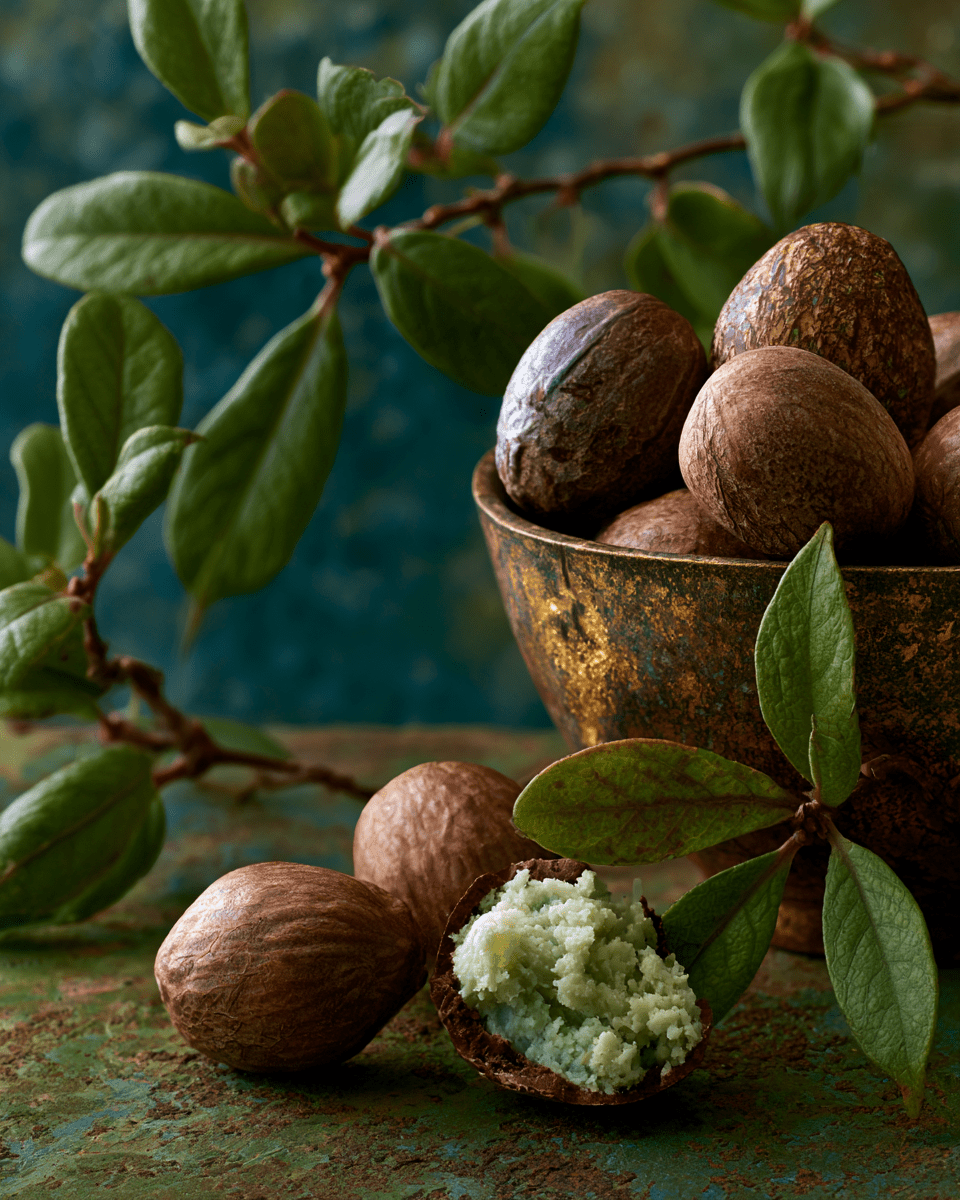
Nourishing ingredients that limit evaporation: shea butter, beeswax or vegetable waxes, prickly pear oil. These fatty substances create a protective veil that helps preserve the skin barrier and retain skin moisture, essential where the natural film is lacking.
Humectants that attract water: glycerin, honey, hyaluronic acid. These ingredients are effective provided they are covered with a fatty substance; applied alone in very dry weather, they can, on the contrary, increase evaporation.
Active ingredients to avoid: menthol, camphor, alcohol, and fragrances, which provide immediate freshness but maintain discomfort and irritation in an already sensitized area. Prefer a product with a short, fragrance-free formula, in a stick or jar. In summer, supplement with a filtering balm: UV rays dry out this thin skin as much as cold.
For this delicate area, prickly pear oil is a valuable ally at Nopal Life: its dry texture penetrates without leaving a greasy film and its comfortable finish is suitable for skin often too thin to tolerate heavy balms. It is often combined with shea butter, which is more enveloping, and a humectant like hyaluronic acid. The idea is simple: capture moisture, then retain it.
For internal hydration, remember to: drink 1.5 to 2 liters of water daily and eat a diet rich in essential fatty acids (fatty fish, nuts, seeds). Skin hydration also comes from your diet, in addition to care applied to the lip contour.
Good daily habits
- Keep a balm within reach (bag, desk, nightstand) and apply it at the first sign of tightness, without waiting for the skin to peel.
- Choose a short and fragrance-free product: fewer components, fewer risks of irritation on this delicate skin.
- Protect the lower face from both cold and UV rays: a filtering balm in summer, a breathable scarf in winter.
- Don't neglect internal hydration: water and a diet rich in good fatty acids support the skin barrier from within.
- Adapt the richness of the cream and balm to your profile, from the driest to the most combination, for care that is neither too light nor too occlusive.
When dryness extends beyond the mouth area
If the skin feels tight not only around the lips but also on the body — hands, arms, neck, legs, or feet — we are no longer dealing with localized dryness but with more general dry skin. The same principles apply (gentle cleansing, nourishing emollient, regular hydration), but on the scale of a complete body routine, with a cream or balm adapted to each body part: including arms, neck, and feet.
When to seek medical advice
Dry skin around the lips of cosmetic origin remains superficial: tightness, fine flakes, dull appearance, which soothe with a gentle routine. Other situations, however, fall outside the cosmetic scope: painful cracks at the corners of the mouth, itchy red patches, persistent redness, or symptoms that do not subside despite regular care beyond two weeks. These signs require a health professional's attention: a cosmetic product does not replace their advice. In case of doubt, it is best to consult a doctor, who is solely authorized to make a diagnosis and offer appropriate treatment.
Key takeaways
- Dry skin around the lips is explained by anatomy: no sebum on the lips, very little on the surrounding area, so almost no protective film against cold, sun, saliva, and meals.
- The 4-step protocol — balm extending 2 to 3 mm in the morning, 20-second rinse after meals, 1 to 2 drops of prickly pear oil in the evening, gentle weekly exfoliation — restores comfort and suppleness to the lip contour in 1 to 2 weeks.
- Persistent cracks at the corners of the mouth, patches, or stubborn redness beyond two weeks require medical advice, not a cosmetic action.
Read also
Personalized routine. Dryness around the mouth, tightness, dull area? Start my free diagnosis and receive personalized advice for your skin type in 2 minutes.
Frequently asked questions
Why does the skin around my mouth peel especially in winter?
The external cold and dry heating air create a double evaporation effect on an area already poor in sebaceous glands. Without a fatty substance applied at least twice a day for protection, the surface dehydrates, stiffens, and eventually peels.
Can I use my lip balm around my mouth?
Yes, it's even recommended: extend it 2 to 3 mm beyond the lip line with each application. Just check that the formula contains no menthol, alcohol, or fragrance, which are more drying on this thin skin.
Does licking your lips really make dryness worse?
Yes. As saliva evaporates, it removes moisture from the surface and leaves the skin even drier, which encourages licking again, for both adults and children. Breaking this cycle involves keeping a balm handy and applying it at the first sensation of tightness.
What ingredients should be favored when the lip contour is very dry?
A rich treatment combining a nourishing emollient (shea butter, prickly pear oil) and a humectant (honey, hyaluronic acid). In the evening, 1 to 2 drops of vegetable oil rich in vitamin E and essential fatty acids help the skin retain its moisture overnight.
How can I protect the skin around my child's lips?
A simple, fragrance-free balm, in a thin layer, 2 to 3 times a day and after meals, helps protect the baby's or child's skin from the moisture of saliva. If redness or irritation persists, medical advice is necessary.
How long does it take for the skin around the lips to regain its suppleness?
The first sensations of comfort appear after 2 to 3 days of regular care. A visibly softer appearance generally takes 1 to 2 weeks, depending on the initial intensity of dryness.
Information provided for cosmetic and educational purposes; it does not constitute medical advice.
Our anti-aging treatments