Vegetable Body Oils: Which Ones to Choose
There isn't a single "best" vegetable oil for the body, but rather oils suited to each skin type and need. Argan for dry skin, jojoba for combination skin, sweet almond for sensitive skin, prickly pear for a nourishing and antioxidant treatment: the right choice depends primarily on your skin.
Vegetable oils are valuable allies for nourishing and maintaining the comfort of body skin. However, you need to choose the one that meets your expectations. Let's take a look to clarify things.
Why use a vegetable oil on your body
Vegetable oils are rich in fatty acids and, depending on the variety, in vitamins and antioxidants like vitamin E. They provide a nourishing treatment that helps maintain skin elasticity and comfort, especially for dry skin.
Their great asset is versatility: they can be used alone, for massage, or as a finishing layer over a cream or moisturizing gel to enhance the treatment.
The mention "first cold press" is worth noting. It means that the seeds have been mechanically crushed, without heating or solvents: essential fatty acids and fat-soluble vitamins remain intact. An oil obtained otherwise retains its fatty power but loses part of what distinguished it.
This also explains the price difference between two seemingly identical bottles. Organic vegetable oils add a guarantee on cultivation, not on the extraction process: the two mentions are cumulative, they do not replace each other. Reading both avoids many disappointments when comparing.
Comparison of the main vegetable oils
Here is a table comparing the most common oils by skin type and their characteristics:
| Vegetable Oil | Skin Type | Characteristics | Feel |
|---|---|---|---|
| Argan | Dry, mature | Rich in unsaturated fatty acids and vitamin E, softening | Silky |
| Jojoba | Combination, normal | Liquid wax similar to sebum, mildly comedogenic, very stable | Dry |
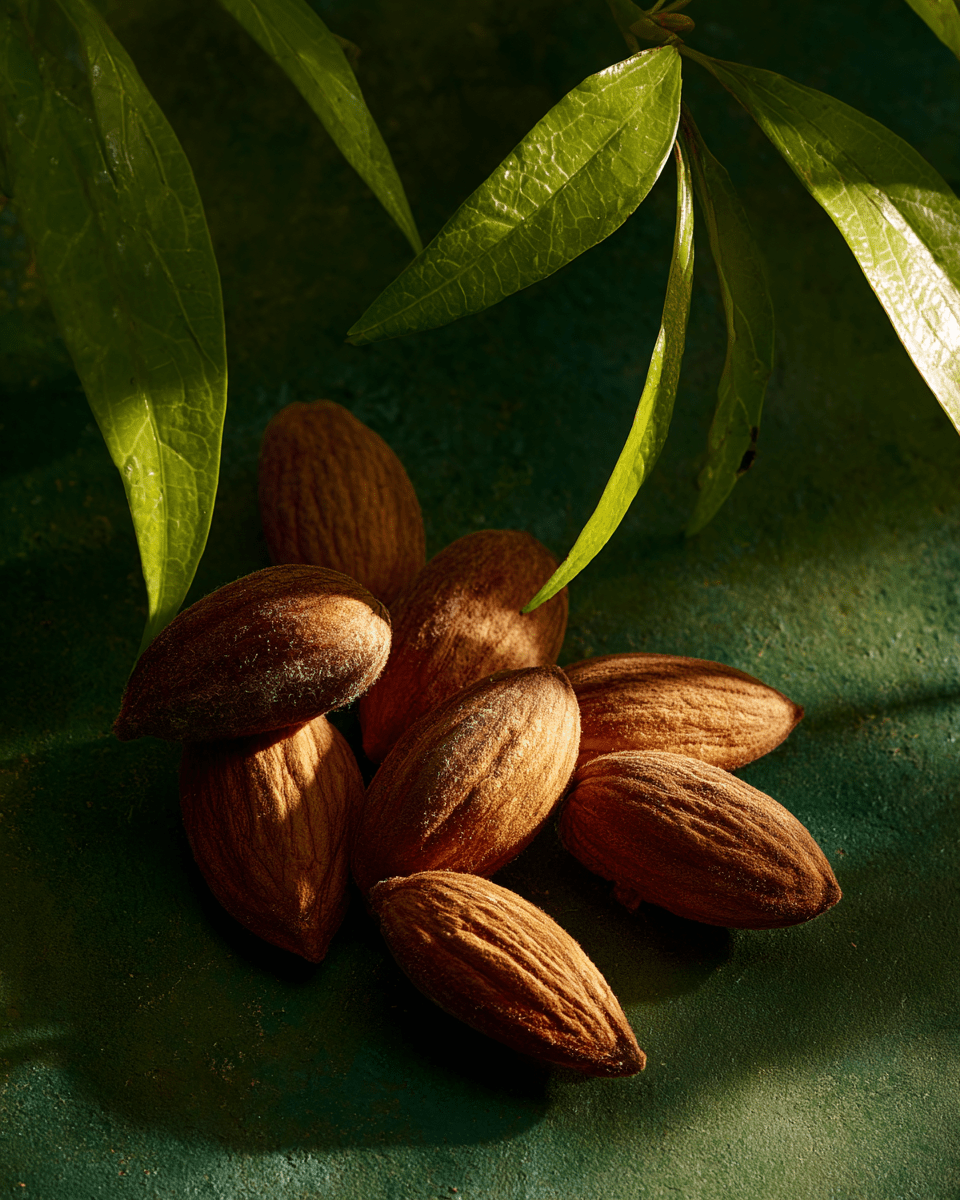
| Sweet Almond | Sensitive | Known for soothing properties, often used to prevent stretch marks | Smooth |
| Prickly Pear | All, dry | Rich in vitamin E and fatty acids, antioxidant | Light |
This table provides general guidelines: since each skin is unique, the ideal is to test and observe your skin's reaction.
Which oil for which need
Dry skin: rich oils like argan or prickly pear intensely nourish and help restore comfort.
Combination skin or skin that dislikes a greasy feel: jojoba, with its dry touch and low comedogenicity, is often appreciated.
Sensitive skin: sweet almond, known for its gentle and soothing properties, is generally well-suited – provided there is no nut allergy.
Seeking an antioxidant treatment: prickly pear seed oil, particularly rich in vitamin E, is a versatile premium choice.
To find out which oil best suits your skin, the Skin Intelligence diagnostic guides you according to your actual needs.
(Read: Prickly pear oil for the body)
Three cases stand out. Coconut oil, solid below twenty-five degrees, is suitable for the body but easily clogs facial pores: reserve it for legs and arms. Castor oil, very thick, is almost never used pure – it is diluted half and half before application.
Rosehip oil is at the other end of the spectrum: fluid, it penetrates quickly and is suitable for delicate areas. However, rosehip oil oxidizes faster than others, requiring it to be kept cool and used within six months. On hair, these three behave differently again, the first as a pre-shampoo treatment, the other two only on the ends.
How to properly apply oil to the body
To fully benefit from a vegetable oil:
- Apply it to slightly damp skin, right after showering, to facilitate penetration.
- Massage in circular motions until absorbed.
- Use it alone or as a finish over your moisturizing cream or gel.
- Focus on dry areas like elbows, knees, and legs.
(Read: Dry body skin: how to moisturize it properly)
Timing makes a difference. Within three minutes of showering, the stratum corneum is still saturated with water: the fatty substance applied at this moment locks in this water instead of just lubricating. After this time, evaporation has already occurred, and the action loses some of its effectiveness.
Quantity matters less than one might think. A small amount is enough for an entire leg if the product is warmed between the palms before spreading: the heat makes it more fluid, and it covers three times better. An excess does not penetrate more; it stays on the surface and ends up on clothes.
Oil and hydration: complementary
An oil nourishes but does not strictly hydrate: it provides fatty substances, while hydration provides water to the skin. For a complete treatment, a moisturizing product—like the plumping hyaluronic acid hydrating gel—is often combined with a vegetable oil as a finish. The two actions complement each other for optimal comfort.
(Read: Body care: the guide to soft skin)
An oil does not contain water. Therefore, it cannot hydrate in the strict sense: it retains the water already present by forming a film that slows down its evaporation. This is why it is applied to damp skin, and never to perfectly dry skin.
The order therefore matters more than the quantity. Water or hydrosol first, fatty substance next, from the most fluid to the thickest. Applied in this direction, a small dose is more effective daily than a generous layer applied in reverse, which leaves a greasy film without retaining anything.
FAQ
What is the best vegetable oil for the body?
There isn't just one: it all depends on your skin type. Argan is suitable for dry skin, jojoba for combination skin, and sweet almond for sensitive skin.
Can an oil replace a moisturizer?
Not really: oil nourishes by providing fatty substances, while cream or gel hydrates by providing water. The two are complementary.
Do vegetable oils leave a greasy film?
That depends on the oil. Jojoba and prickly pear have a lighter feel, while sweet almond is more unctuous.
When should you apply body oil?
Ideally on slightly damp skin after showering, to promote penetration and comfort.
Are oils suitable for sensitive skin?
Some, like sweet almond, are known to be gentle. For reactive skin or known allergies, do a patch test first and seek advice.
How do you know if a bottle has turned? Primarily by the smell: a rancid, slightly pungent note indicates oxidation. Darkening color and a sticky texture confirm it. A product in this state is not dangerous, but it has lost what it was bought for.
Should it be kept in the refrigerator? Only the most fragile ones, and on condition that the bottle is taken out fifteen minutes before use. For most, a cupboard away from the window and bathroom is perfectly sufficient – it is the alternation of hot and cold and light that causes damage, more than the temperature itself.
For easily marked skin? Test on the crook of your elbow for two days before applying to the entire body. This simple precaution avoids almost all unpleasant surprises, even with products considered very well tolerated.
In summary
Choosing your body oil is primarily about listening to your skin: argan to nourish it, jojoba for lightness, sweet almond for softness, prickly pear for a versatile antioxidant treatment. For a personalized choice, complete your Skin Intelligence diagnostic.
Sources: Compagnie des Sens, Laboratoires Centella, Clic Bien-être. Informative article, not medical advice.
Information provided for cosmetic and educational purposes; it does not constitute medical advice.


Go further than this article
Get our skincare guides by email — and start with your free skin diagnostic: 2 minutes, advice tailored to your skin. We ship to the US, UK, Canada, Australia and 27 European countries; somewhere else? Sign up and you will be the first to know when we deliver to your country.
By signing up, you agree to our privacy policy. Unsubscribe in one click.