Prickly pear seed oil (Opuntia ficus-indica): γ-tocopherol, linoleic acid, betalains, and dehydrated mature skin
A well-understood ingredient is a well-used ingredient. Through Opuntia ficus-indica Prickly Pear Seed Oil, discover its benefits for the skin, its uses, and its combinations — with the NOPAL LIFE guiding principle: demanding nature.
Prickly Pear Seed Oil: a composition unrivaled in the plant kingdom
In the vast catalog of cosmetic vegetable oils, there are a handful of truly extraordinary substances — active ingredients whose composition defies the usual references for formulators. Prickly Pear Seed Oil (Opuntia ficus-indica, Cactaceae family) is part of this very restricted circle. Cold-pressed from the tiny seeds of the cactus fruit, it concentrates elements that no other known vegetable oil simultaneously possesses in just a few milliliters.
The most frequently mentioned fact about this oil concerns its richness in tocopherols (the vitamin E family), significantly more generous than most common vegetable oils like olive oil or jojoba oil. But mere quantity is not enough to describe its interest: it is also the form that distinguishes it. Unlike most vegetable oils dominated by α-tocopherol, prickly pear seed oil is particularly rich in γ-tocopherol (gamma-tocopherol), a form appreciated for its antioxidant properties, which support the skin against daily oxidative stress and help preserve its appearance.
This richness in γ-tocopherol is not a botanical accident: it is an adaptation of the cactus to environments with intense radiation, extreme drought, and constant stress. The plant concentrates in its seed the best defenses that millions of years of natural selection could produce.
Linoleic acid, sterols, and betalains: the active trio of the oil
The fatty acid profile of prickly pear seed oil is dominated by linoleic acid (omega-6), which represents a major part of the total fatty acids. This proportion places this oil among the most concentrated sources of linoleic acid in the plant kingdom, alongside rosehip oil or hemp oil.
Linoleic acid is a well-known essential fatty acid in cosmetics: it is one of the lipids that contribute to the comfort and apparent integrity of the skin barrier. Skin with a depleted lipid film tends to appear drier, more uncomfortable, and more prone to tightness. By applying an oil rich in linoleic acid, the skin surface receives a lipid active that helps preserve its hydration and the comfort of the hydrolipidic film.
These lipids are supplemented by unique phytosterols: β-sitosterol, campesterol, and stigmasterol. These plant-derived molecules, present in the oil, are known for their affinity with the skin's surface and contribute to its soothed and comfortable appearance, making them appreciated companions for reactive skin.
Finally, betalains — pigments exclusive to the order Caryophyllales, to which Cactaceae belong — provide an additional antioxidant dimension absent from all conventional vegetable oils. These pigments (betacyanins and betaxanthins) are appreciated for their antioxidant properties, which support the skin daily.
The Nopal Life protocol for dehydrated mature skin: fine lines and firmness
Building on this exceptional molecular architecture, the Nopal Life protocol positions pure prickly pear seed oil as a central active ingredient in a routine specifically designed for dehydrated mature skin.
Morning (comfort and hydration): After gentle cleansing with lukewarm water, apply 3 to 4 drops of oil to slightly damp skin. Residual water facilitates the spread of the oil on the surface and helps maintain a feeling of hydration. Allow to absorb for 2 minutes before applying SPF 50+. The γ-tocopherol completes the morning routine with its antioxidant contribution against external aggressions.
Evening (firm appearance and comfort): Massage 5 to 6 drops in upward motions on the face and neck. The oil's sterols and fatty acids are utilized overnight, a privileged window for comforting care. Night is a favorable time to help the skin preserve its firm and plump appearance, which the oil's phytosterols support. Over weeks of daily use, the skin appears more supple, and dehydration fine lines seem visibly softened.
This protocol integrates the protected active compound Nopal Life derived from Opuntia ficus-indica, whose synergistic action with the oil's natural components has been documented in the patent application filed with INPI (no. 5232813). The combined contribution of the oil to complexion appearance and apparent skin vitality represents one of the laboratory's signatures.
To precisely identify which skin profile matches your situation and which oil use is suitable for your skin maturity stage, the personalized Nopal Life skin diagnosis analyzes 11 parameters to guide you towards the optimal formulation.
How to choose and use prickly pear seed oil: quality criteria
Not all commercially available prickly pear seed oils are created equal, far from it. The variability in compositions reflects real differences in geographical origin, extraction method, and storage conditions.
Cold press, first extraction: This is the only method that fully preserves tocopherols, sterols, and betalains. Any process using an extraction solvent (hexane) or high temperatures significantly degrades γ-tocopherol, which is particularly sensitive to heat.
Geographical origin: Oils from Maghreb cacti (Morocco, Algeria, Tunisia) often have higher concentrations of tocopherols and linoleic acid than European or Mexican varieties, probably due to more intense water and sun stress favorable to the synthesis of these defensive compounds.
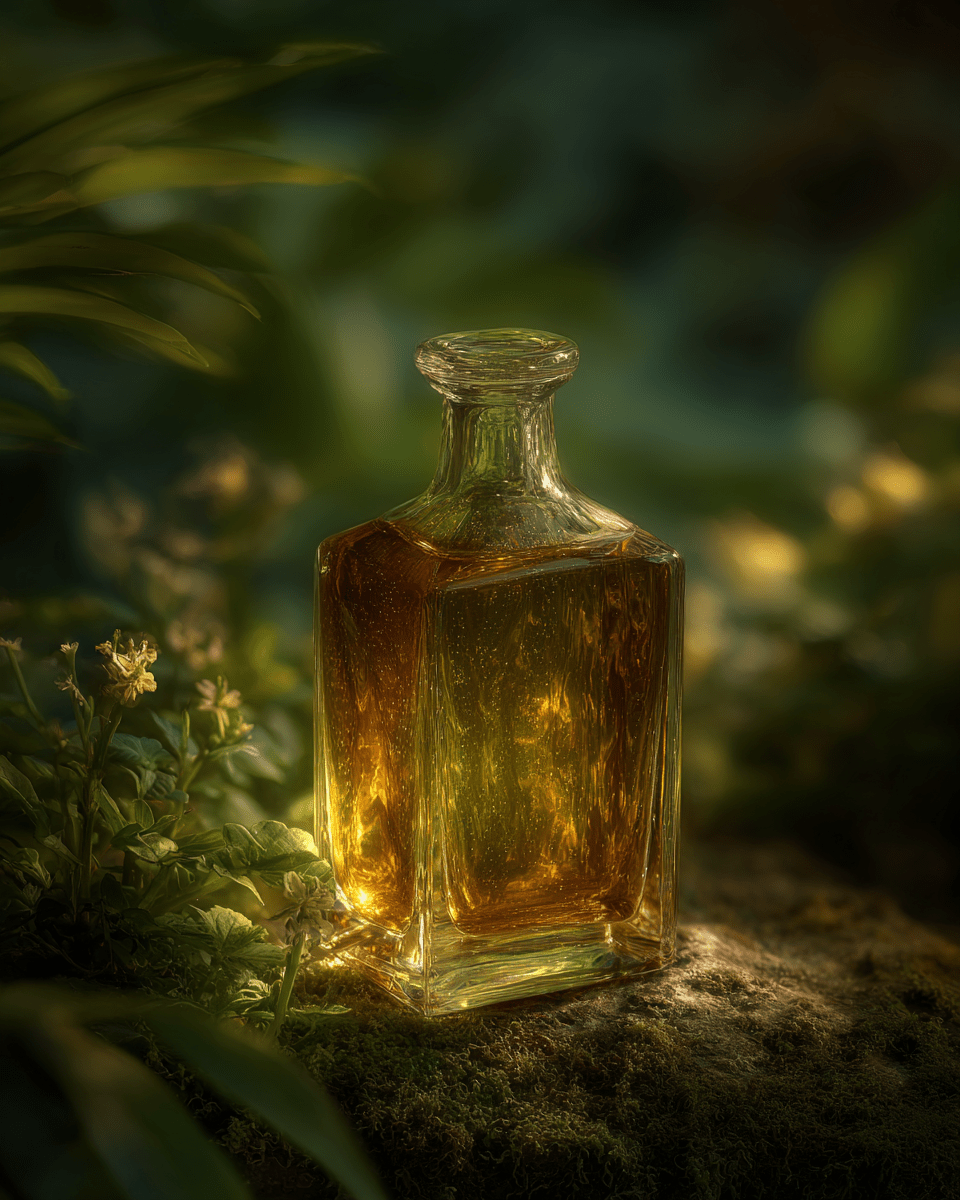
Packaging: A tinted bottle (amber or violet) is imperative. γ-tocopherol, despite its antioxidant properties, is itself sensitive to light and degrades under the effect of visible light and UV. A transparent bottle can strongly reduce tocopherol content in a few weeks.
INCI: The official cosmetic name is Opuntia Ficus-Indica Seed Oil. Any other wording (cactus pear oil, generic cactus oil) should raise concerns about the product's actual botanical traceability.
Find all vegetable oils and noble lipids selected according to these criteria in the dedicated Nopal Life collection.
Precautions, warnings, and compatibility with other active ingredients
Opuntia ficus-indica oil has an excellent tolerance profile. Its comedogenic index is estimated between 0 and 1 (scale of 0 to 5), making it compatible with combination skin prone to imperfections, unlike more occlusive oils like coconut oil (index 4).
However, some points of vigilance should be highlighted:
Sensitivity to Cactaceae: Although rare, cross-sensitivity is possible in individuals with known sensitivity to plants of the Cactaceae family. A patch test on the inside of the elbow is recommended before the first extended use.
When combining several treatments that support the skin's natural renewal, their cumulative effect can lead to discomfort or tightness on sensitive skin. Alternating evening/morning is preferable for the first 4 weeks.
Storage: Once opened, store in the refrigerator (4-8°C) and use within 6 months. Linoleic acid oxidizes over time, which can alter the oil and make it less comfortable to apply.
Optimal compatibility is established with vitamin C (ascorbic acid) in the morning — an appreciated antioxidant combination — and with peptides in the evening for a routine focused on radiance and visible firmness.
Mistakes to avoid with prickly pear seed oil
The enjoyment of prickly pear seed oil directly depends on how it is used. Certain common mistakes compromise its benefits — and sometimes the skin does not get the desired comfort.
Mistake #1 — Applying to dry skin: Oil spreads less easily on dehydrated skin than on slightly damp skin. Spraying a mist or applying a hydrosol before the oil helps the skin better benefit from lipophilic active ingredients.
Mistake #2 — Under-dosing for fear of oiliness: 2 drops on the entire face are insufficient. The comfortable quantity is approximately 15 to 20 drops per application. Below this, the oil does not sufficiently cover the skin surface to provide its comfort.
Mistake #3 — Mixing with acidic pH AHAs/BHAs: Tocopherols are unstable at low pH. Simultaneous application of an acidic exfoliant (glycolic, salicylic) can alter γ-tocopherol. Allow at least 20 minutes between the two applications.
Mistake #4 — Using an oil of indeterminate quality: A refined or solvent-extracted prickly pear seed oil can contain much less tocopherol than the virgin, premium quality version. Always check for "virgin, cold-pressed" and the INCI name Opuntia Ficus-Indica Seed Oil.
Mistake #5 — Stopping after 2 weeks: The skin surface naturally renews over a few weeks. The firmer and plumper appearance is appreciated over 4 to 6 weeks. To judge a routine, it is best to observe it over time. Patience is an active component of the protocol.
FAQ — Prickly Pear Seed Oil and Skin Care
Is prickly pear seed oil suitable for oily skin?
Yes. Its comedogenic index of 0 to 1 and its high concentration of linoleic acid make it an oil paradoxically suitable for combination and oily skin, where it helps mattify the appearance of shiny areas. The mistake is to avoid all oil on oily skin: it is precisely an oil rich in linoleic acid that helps the skin regain a more balanced appearance and be less prone to visible imperfections.
How long does it take to see visible results?
The first visible effects on hydration and radiance are generally noticeable within 1 to 2 weeks. The appearance of fine lines and visible firmness can be appreciated over 4 to 8 weeks of daily application, supporting the skin's natural renewal.
Why is prickly pear seed oil so expensive?
The extraction yield is extremely low: it takes about 1 ton of fruit (i.e., 150 kg of seeds) to produce 1 liter of oil. This rarity, combined with the manual harvesting required not to damage the seeds, explains the premium price. An oil at €5 per bottle cannot be a true virgin prickly pear seed oil of cosmetic quality.
How to distinguish real prickly pear seed oil from generic cactus oil?
Check the INCI: only the designation Opuntia Ficus-Indica Seed Oil guarantees the botanical species. A certificate of analysis (CoA) mentioning the tocopherol profile and linoleic acid content is a good indicator of quality. Always ask for it.
Does prickly pear seed oil replace moisturizer?
It is complementary, not substitutable. The oil provides lipids and antioxidant active ingredients. Moisturizer provides humectants (hyaluronic acid, glycerin, urea) that help capture water on the skin's surface. Both act at different levels of care. The optimal sequence is: aqueous moisturizer first, then oil (occlusion technique).
How much prickly pear seed oil per application?
For the face alone: 4 to 6 drops in the morning, 5 to 8 drops in the evening. For the neck and décolleté in addition: add 3 to 4 drops. For comfortable use, quantities between 15 and 20 drops per application are recommended — below this, the oil does not sufficiently cover the skin surface.
Can prickly pear seed oil be used around the eyes?
Yes, with caution. The skin around the eyes is much thinner than that of the rest of the face and requires low-viscosity, fragrance-free oils. Opuntia ficus-indica oil meets these criteria. Apply with the ring finger (softest pressure), tapping from the inner corner to the outer corner, without rubbing.
To learn more: Ennouri M. et al., Industrial Crops and Products ; Ramadan MF, Mörsel JT, Food Chemistry ; Derouiche A. et al., Journal of Cosmetic Dermatology.
Also discover our complete selection in the vegetable oils and noble lipids collection, or explore articles dedicated to the composition of prickly pear seed oil in our Skin Guide.
RECOMMENDED TREATMENT
Prickly Pear Seed Oil
Natural formula · Origin Algeria
DISCOVER THIS TREATMENT →PERSONALIZED ROUTINE
Nopal Life Skin Intelligence™
Free diagnostic · 2 minutes
DISCOVER MY ROUTINE →Read More
Information provided for cosmetic and educational purposes; it does not constitute medical advice.
The product recommended in this article


Mature skin · Dry skin

Go further than this article
Get our skincare guides by email — and start with your free skin diagnostic: 2 minutes, advice tailored to your skin. We ship to the US, UK, Canada, Australia and 27 European countries; somewhere else? Sign up and you will be the first to know when we deliver to your country.
By signing up, you agree to our privacy policy. Unsubscribe in one click.