Prickly pear oil or glycerin: which to choose?
One attracts water, the other prevents it from escaping: they are two halves of the same function. Glycerin is a humectant, found in almost all creams on the market. Prickly pear seed oil is a rare fatty substance that nourishes and seals. Pitting them against each other makes little sense.
Two mechanisms, two roles
| Criterion | Prickly pear seed oil | Glycerin |
|---|---|---|
| Function | nourishes, limits evaporation | attracts and retains water |
| Phase | oil | aqueous |
| Role | last step | early, in a serum or cream |
| Price | very high | very low |
| Benefits | essential fatty acids, tocopherols | none |
| Skin type | dry skin, mature skin | all skin types |
What is glycerin?
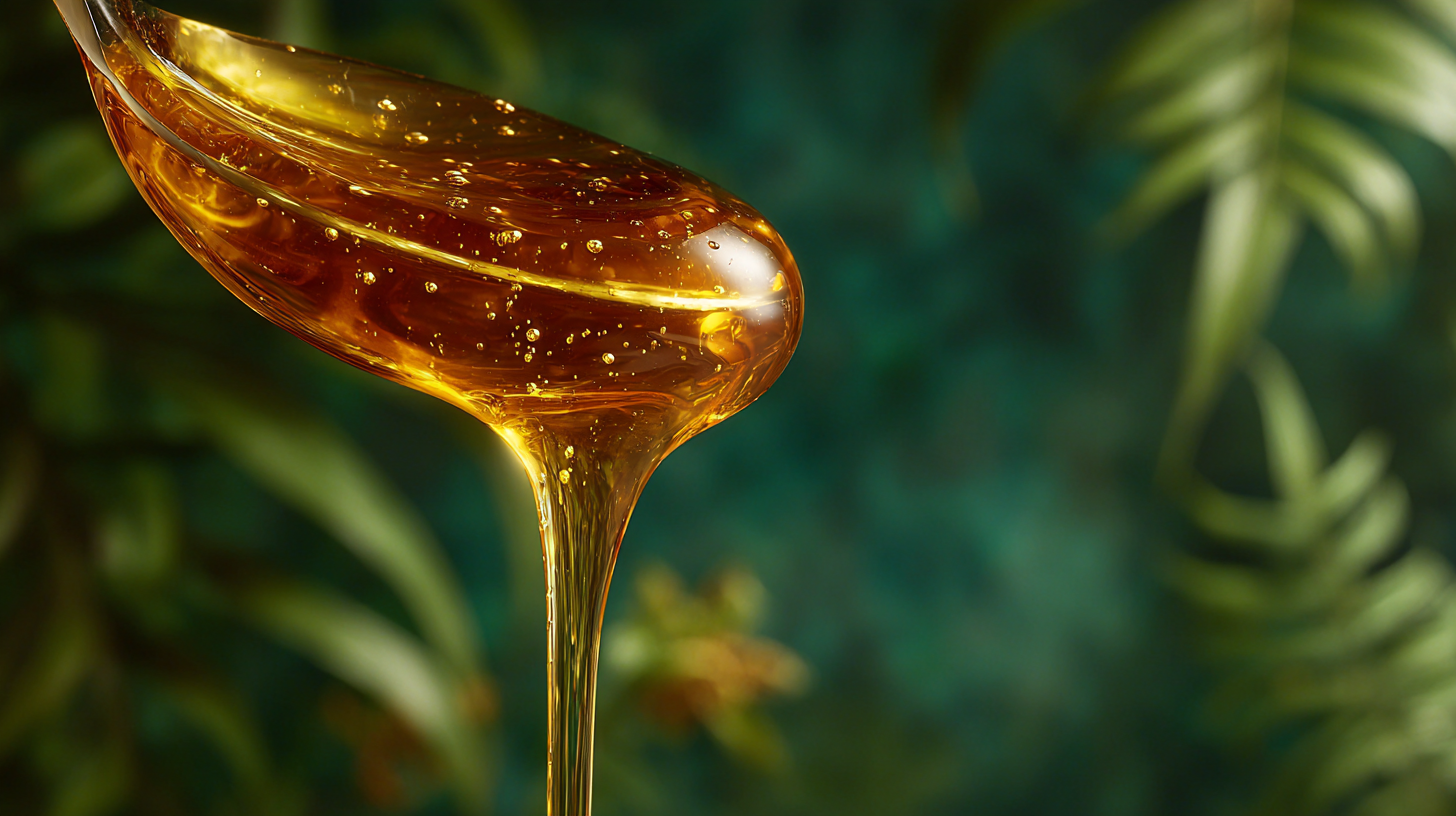
It is the most widely used humectant in cosmetics, and one of the best-studied. It attracts water to the upper layers of the skin and retains it, much like hyaluronic acid—at a fraction of the cost.
Its flaw is well-known: applied pure or highly concentrated in very dry air, it can draw water from the skin instead of supplying it. In a correctly formulated product, between 3 and 10%, this risk does not occur.
However, it provides no substantive benefits: no fatty acids, no antioxidants, no vitamins. It manages water, that's all, and it does it well.
What prickly pear seed oil provides
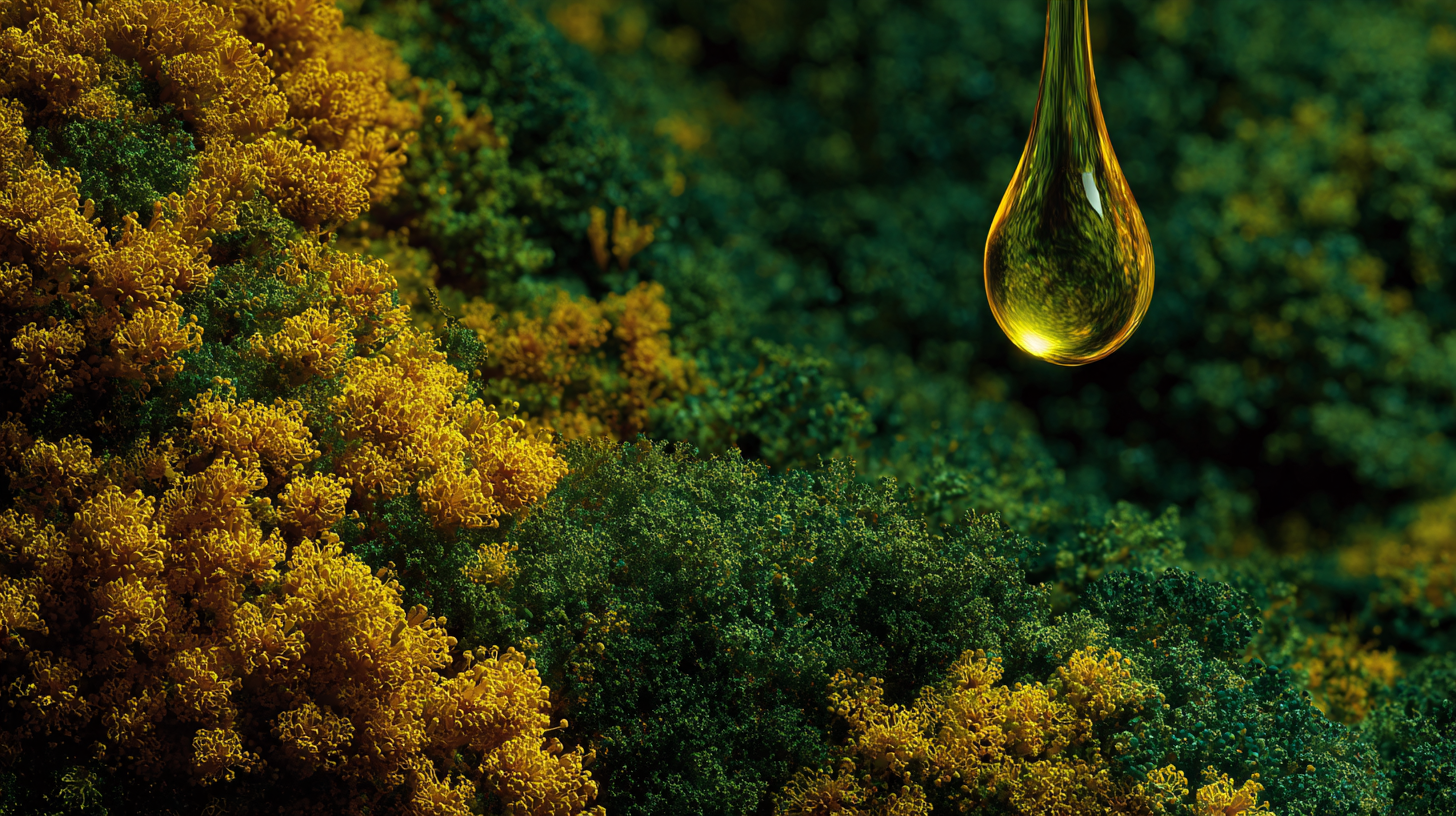
Prickly pear seed oil is extracted from the seeds of the Opuntia ficus indica fruit. Its profile is dominated by linoleic acid, often over 60%, accompanied by a notable quantity of tocopherols.
Prickly pear seed oil therefore provides a substance that the skin does not produce, and antioxidant protection in the oil phase. This is a real benefit, at a price explained by its yield: nearly a ton of prickly pears for one liter of oil.
At NOPAL LIFE, the fruits come from family farms in the arid highlands of eastern Algeria and Kabylia, and the oil is obtained by first cold pressing.
Which one to choose?
The question is poorly phrased, but it can be answered.
If your skin feels tight and lacks water: glycerin, or a cream containing it. This is the most common need and the least expensive to fulfill.
If your skin is rough and lacks suppleness: prickly pear seed oil, whose essential fatty acid content is irreplaceable.
When in doubt: both. They do not overlap in any way.
Using them together
This is the normal use, and it follows the usual rule: aqueous before oil.
After cleansing, apply your glycerin-containing cream or serum to still-damp skin. Wait a minute, then apply two to three drops of prickly pear seed oil warmed between your palms.
The prickly pear seed oil then seals in the water that the glycerin has captured. Without it, the humectant does half the job; without the humectant, the oil seals an empty surface.
Glycerin is already in your products
This is a point that few people realize. Look at the ingredient list of your cream: glycerin is almost certainly there, often in the third or fourth position.
It is therefore rarely necessary to buy it separately. However, it is useful to be able to recognize it to understand what the product you are using actually does.
Around the eyes
Just one drop of prickly pear seed oil, dabbed with the tip of your ring finger, without ever pulling the skin. This is the thinnest area of the face and the one that tolerates excess product the least.
Glycerin is also suitable for this area, in an adapted formula. Just avoid highly concentrated gels, which can leave a sticky feeling on this area.
What the oil brings in addition
Prickly pear seed oil offers antioxidant action against free radicals, carried by its tocopherols. It supports surface regeneration, in the sense that a better-supplied barrier renews its cells under better conditions.
It also provides lasting comfort that glycerin alone cannot. On mature skin, whose natural lipid production decreases, this difference is felt from the first few weeks.
A well-posed budget question
Glycerin costs a few cents, prickly pear seed oil several tens of euros for 30 ml. This does not mean that one replaces the other.
The right allocation: a properly formulated cream containing glycerin as a daily base, and prickly pear seed oil as the last layer, two to three drops, where its contribution truly matters.
Dosage, more important than quantity
Three drops of prickly pear seed oil are more than enough for a face. Beyond that, the excess remains on the surface and makes application unpleasant without improving anything.
Glycerin follows the same inverted logic: it's its concentration in the formula, between 3 and 10%, that matters — not the quantity of cream applied.
Recognizing quality prickly pear seed oil
A mention of first cold pressing, tinted glass, a 100% additive-free composition. A distinct vegetal smell is a good sign.
An odorless prickly pear seed oil has probably been refined, which removes most of its tocopherols. A rancid oil, on the other hand, has gone bad.
A vegetable oil and a synthetic humectant
Prickly pear seed oil is a raw agricultural product, whose composition varies from batch to batch depending on the harvest. Glycerin is a single molecule, identical from one bottle to another.
This difference in nature explains the rest: the price, the preservation, and the fact that prickly pear seed oil provides minor compounds — tocopherols, sterols — that no humectant contains.
For mature skin
This is where prickly pear seed oil has the most value. Natural lipid production decreases with age, and glycerin, which provides no fatty substances, cannot compensate for this deficit.
A glycerin cream remains useful for these skin types, but it is no longer sufficient on its own. This is when two drops of prickly pear seed oil as a final layer truly change daily comfort.
For dry skin in winter
Dry heated air accentuates evaporation. A glycerin-only routine then shows its limits: the humectant captures water that immediately evaporates.
Prickly pear seed oil applied on top addresses this specific issue. It nourishes and limits evaporation, which extends the benefit of the humectant by several hours.
What prickly pear seed oil is not
It is not a strict moisturizer: it does not provide water. On dehydrated skin, prickly pear seed oil alone seals an empty surface.
This is precisely why glycerin remains essential here. Neither replaces the other, and that is the only thing to remember from this comparison.
What you should know
These products are cosmetics: they improve the comfort, suppleness, and appearance of the skin, without treating any condition. Skin that remains uncomfortable despite an adapted routine warrants dermatological advice.
Our product for this comparison


Mature skin · Dry skin

Go further than this article
Get our skincare guides by email — and start with your free skin diagnostic: 2 minutes, advice tailored to your skin. We ship to the US, UK, Canada, Australia and 27 European countries; somewhere else? Sign up and you will be the first to know when we deliver to your country.
By signing up, you agree to our privacy policy. Unsubscribe in one click.