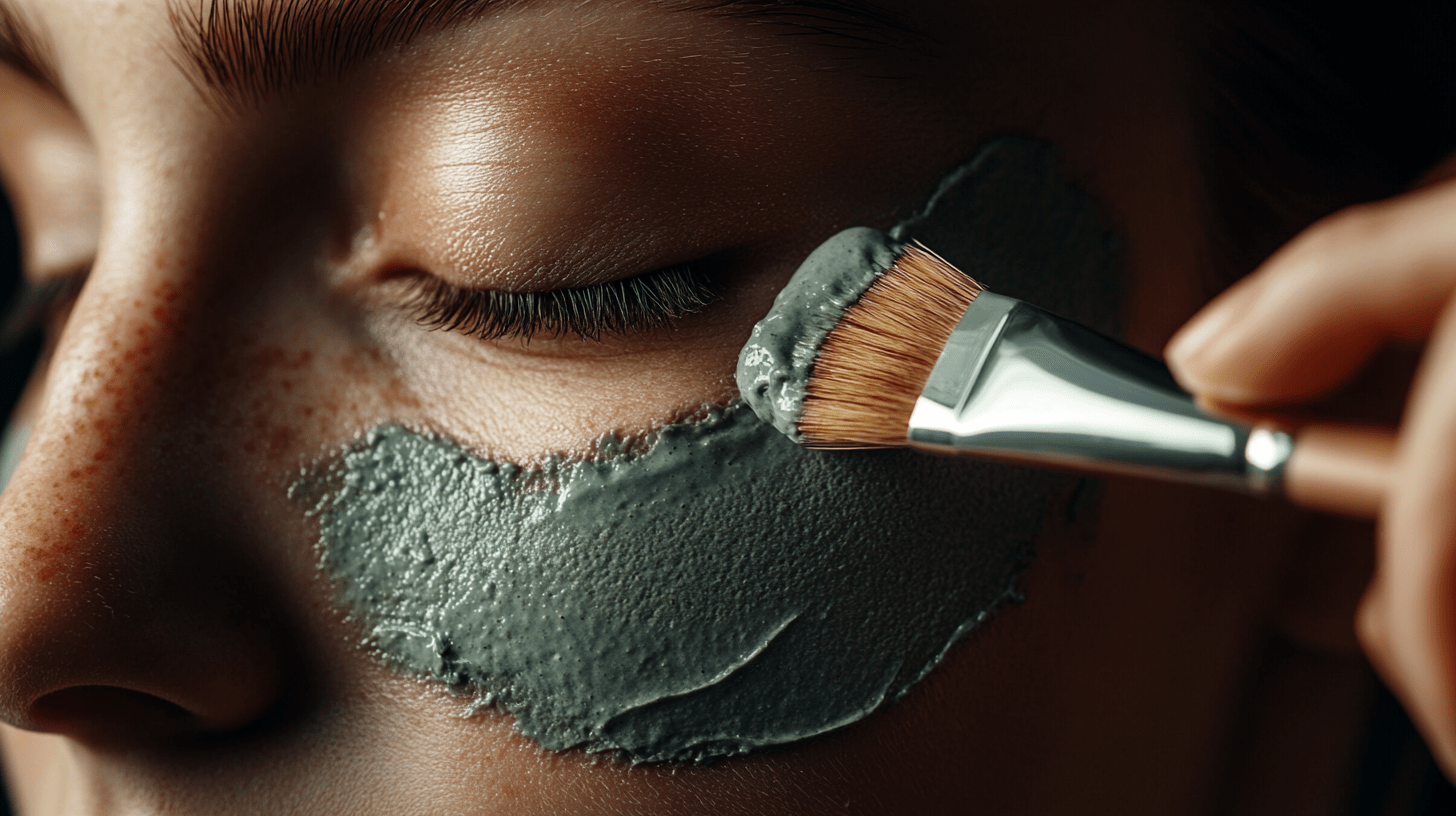
Makeup removal: acne and blemishes for combination and oily skin
Makeup removal for combination and oily skin: double cleansing, balm, micellar water, and blemish protocol
Makeup removal is the most underestimated step in skincare routines. For combination or oily skin prone to blemishes, it directly influences the comfort of all subsequent treatments and contributes to a clear skin appearance. Inadequate makeup removal leaves traces of makeup, pollution, and sebum on the surface, creating an environment that is less conducive to comfort and radiance.
This guide details the principles of makeup removal for combination and oily skin, compares different methods—especially double cleansing—and proposes an adjustable protocol based on seasonality and makeup intensity. To precisely identify your skin type and needs, use the Skin Intelligence Diagnostic.
Understanding the specific needs of combination and oily skin for makeup removal
Combination skin is characterized by a shinier T-zone (forehead, nose, chin) combined with neutral or slightly dry cheeks. Oily skin presents a generalized shiny appearance. In both cases, excess sebum mixes on the surface with makeup residues, pollution particles, and dead skin cells, which can result in a less refined skin texture.
The peculiarity of these skin types is that their oily appearance does not mean they can tolerate harsh makeup removers. An overly stripping cleanser can, in turn, accentuate the skin's shiny appearance: deprived of its natural protective film, the skin seems to compensate. This is commonly observed as a visible rebound effect.
The goal of appropriate makeup removal is therefore twofold: to effectively remove impurities and makeup while preserving the comfort and natural surface film of the skin.
Double cleansing: principle, order, and logic
Double cleansing is a method originating from the Korean routine that involves two consecutive cleansing steps with two different formulas. It is based on a simple principle: like dissolves like. Waterproof makeup, foundation, oxidized sebum, and sunscreen are oily substances that water alone cannot dissolve.
First step (oil-based cleanse): An oil-based formula or cleansing balm dissolves oily residues by affinity. It emulsifies on contact with water and rinses off without leaving a sticky film. Vegetable oils (jojoba, sunflower, prickly pear) are particularly popular. Cleansing balms are suitable for combination skin because their solid texture melts on contact with finger warmth and does not leave the skin shiny after rinsing.
Second step (water-based cleanse): A cleansing gel or a light micellar water removes residues from the first step, traces of water-soluble impurities, and traces of perspiration. For combination skin, a gentle foaming gel (without SLS or SLES) is perfectly suitable. For very shiny skin, a slightly purifying gel containing low concentration salicylic acid (0.5%) can be used in the evening.
Micellar water: comfort tool or true makeup remover
Micellar water is often presented as a complete makeup remover. It contains micelles—small amphiphilic spheres with a lipophilic core and a hydrophilic surface—which capture oily impurities without water. Its no-rinse use is convenient but has a limitation: residual surfactants left on the skin can alter the comfort of the surface barrier in the long term if not rinsed off.
For combination or oily skin, micellar water is useful as a light daytime makeup remover or a quick first step, but it does not replace double cleansing in the evening if you wear heavy makeup or mineral sunscreen. If you use micellar water without rinsing, choose an alcohol-free formula with gentle micelles.
Micelles work by affinity: one end attaches to the fatty substance, the other to water, and the whole is removed with a cotton pad. The principle is solid. Its limitation is just as much so—these molecules remain on the surface once the cotton pad is passed, and it is this residue that explains the sensations of tightness reported by so many users.
Hence the rule: rinse afterward. The complete ritual consists of three steps—remove, rinse, cover—and the second is skipped far more often than the other two. For sensitive skin, this rinsing alone eliminates most of the redness attributed to the product.
Key active ingredients and ingredients to favor or avoid
For combination to oily skin prone to blemishes, certain ingredients in cleansing formulas provide additional comfort:
Salicylic acid (BHA): Liposoluble, it has an affinity for oily areas and helps visually clear pores. It contributes to a clear skin appearance. Integrated into a cleansing gel at 0.5-1%, it is appreciated by most combination skin types for regular use.
Niacinamide: In cleansers, it is known to help mattify the appearance of shiny areas and refine the visible appearance of pores. It is widely used in formulas for skin with a shiny texture.
Zinc extracts: Valued for their purifying and mattifying effect on appearance, they are particularly useful for blemish-prone skin.
To avoid: solid soaps with a basic pH (8-10) which can alter skin comfort, makeup removers with denatured alcohol at the top of the INCI list, and dry wipes that mechanically abrade the skin without cleaning properly.
Double cleansing protocol adapted for combination and oily skin
In the morning: A single cleanse is sufficient. The skin has not accumulated impurities overnight (if you sleep without makeup). Use a gentle cleansing gel or micellar water rinsed with lukewarm water. Avoid morning double cleansing which over-cleanses and can accentuate shininess through a rebound effect.
In the evening (light makeup): First step with a cleansing balm or oil for 60 seconds with gentle circular massages. Emulsify with a little water, rinse. Second step with an adapted cleansing gel, 30 seconds of massage, rinse with lukewarm water.
In the evening (heavy makeup or SPF 50+): Identical to the previous protocol but with a first-step massage time extended to 90 seconds, particularly on the T-zones. Focus on the sides of the nose and chin.
Always finish with a final rinse with cold water (a few seconds) to tighten the appearance of pores before applying the rest of your routine. Explore other skincare tips in the Skin Guide.
Mistakes to avoid when removing makeup from combination and oily skin
Vigorously rubbing to remove waterproof makeup. Friction creates surface irritation that can accentuate the appearance of blemishes. Let the makeup remover work by affinity: apply, massage gently, wait 30 seconds, then remove.
Using water that is too hot. Hot water dilates the appearance of pores and can promote a feeling of tightness. It gives an immediate feeling of cleanliness but alters the comfort of the surface barrier. Lukewarm water is always recommended.
Skipping makeup removal when wearing no makeup. Even without makeup, pollution, oxidized sebum, and sunscreen residues must be removed in the evening. Double cleansing remains relevant.
Choosing a single versatile makeup remover. A single product cannot be both effective on oily residues AND gentle on the surface barrier. Double cleansing exists precisely to separate these two functions.
Neglecting to rinse micellar water. Surfactants from micellar waters left on the skin can alter skin comfort in the long term. Always rinse, even "no-rinse" formulas.
Applying skincare before the skin is properly cleansed. A vitamin C serum applied to poorly cleansed skin loses much of its benefit. Cleansing is the prerequisite for everything else.
Why choose Nopal Life for oily and combination skin
Mattifying the appearance of oily skin without drying it out is a delicate balancing act. Nopal Life formulas for oily and combination skin use ingredients appreciated for their mattifying and purifying effect on appearance (zinc, aloe vera, gentle salicylic acid) and gel-water textures that hydrate without weighing down the skin texture. Counterintuitively, even oily skin appreciates a small amount of prickly pear seed oil: its richness in linoleic acid helps maintain a balanced skin texture.
Result: skin with a mattified appearance, visually reduced pores, without a mask effect or visible rebound. Take your diagnostic to get the exact routine adapted to your combination or oily skin.
Frequently asked questions about makeup removal for combination and oily skin
Does double cleansing dry out combination skin? No, provided you use gentle formulas. A cleansing balm followed by a sulfate-free gel respects the comfort of the surface barrier. It is, on the contrary, gentler than repeated use of a single harsh cleanser.
Can prickly pear seed oil be used as the first step in double cleansing? Yes. Its richness in linoleic acid allows it to dissolve oily residues without weighing down the skin texture. A few drops on dry skin, massage for 60 seconds, emulsify, rinse.
What is the difference between a cleansing balm and a cleansing oil? A balm is solid at room temperature and melts on contact with the skin. It is often more concentrated in emollients and suitable for combination skin because it rinses off cleanly. Liquid oil is more fluid and suitable for all skin types.
Is micellar water sufficient for oily skin? For light daytime makeup removal, yes. For evening makeup removal with foundation and SPF, no. Double cleansing is more appropriate.
How long should I massage during the first cleanse? 60 to 90 seconds is the minimum for the oil or balm to properly emulsify residues. Too short a massage leaves impurities on the surface.
Can an exfoliant be used in the evening cleansing routine? Yes, 2 to 3 times a week, after double cleansing. Exfoliation should be done on clean skin. AHAs (glycolic acid, lactic acid) are suitable for combination skin; BHAs (salicylic acid) are preferable for oily areas prone to blemishes.
Is makeup removal sufficient to maintain a clear appearance? It is necessary but not sufficient. Clear-looking skin also requires adapted hydration, daily sun protection, and possibly targeted active ingredients (niacinamide, zinc, retinol). Consult the Skin Intelligence Diagnostic for a personalized recommendation.
Should eyes be removed separately? Yes, with a specific bi-phase product or a gentle oil applied to a cotton pad without rubbing. The eye contour is thinner and more sensitive than the rest of the face.
Cleansing milk or cleansing foam? Both have their merits depending on the moment. Milk works by affinity and is gentler on the epidermis; cleansing foam rinses better and is suitable when the day has been long. Alternating according to the day is more relevant than choosing one once and for all.
Should you remove makeup even without makeup? Yes. It's about getting rid of pollution particles, oxidized sebum, and sunscreen residues, which accumulate with or without makeup. This is one of the less intuitive good habits.
And then? A moisturizer within three minutes. Cleansing temporarily makes the surface more permeable, and this is precisely the window during which a treatment has the most effect. Caring for your skin is as much about this sequence as it is about choosing the right products.
Read more
Information provided for cosmetic and educational purposes; it does not constitute medical advice.


Go further than this article
Get our skincare guides by email — and start with your free skin diagnostic: 2 minutes, advice tailored to your skin. We ship to the US, UK, Canada, Australia and 27 European countries; somewhere else? Sign up and you will be the first to know when we deliver to your country.
By signing up, you agree to our privacy policy. Unsubscribe in one click.