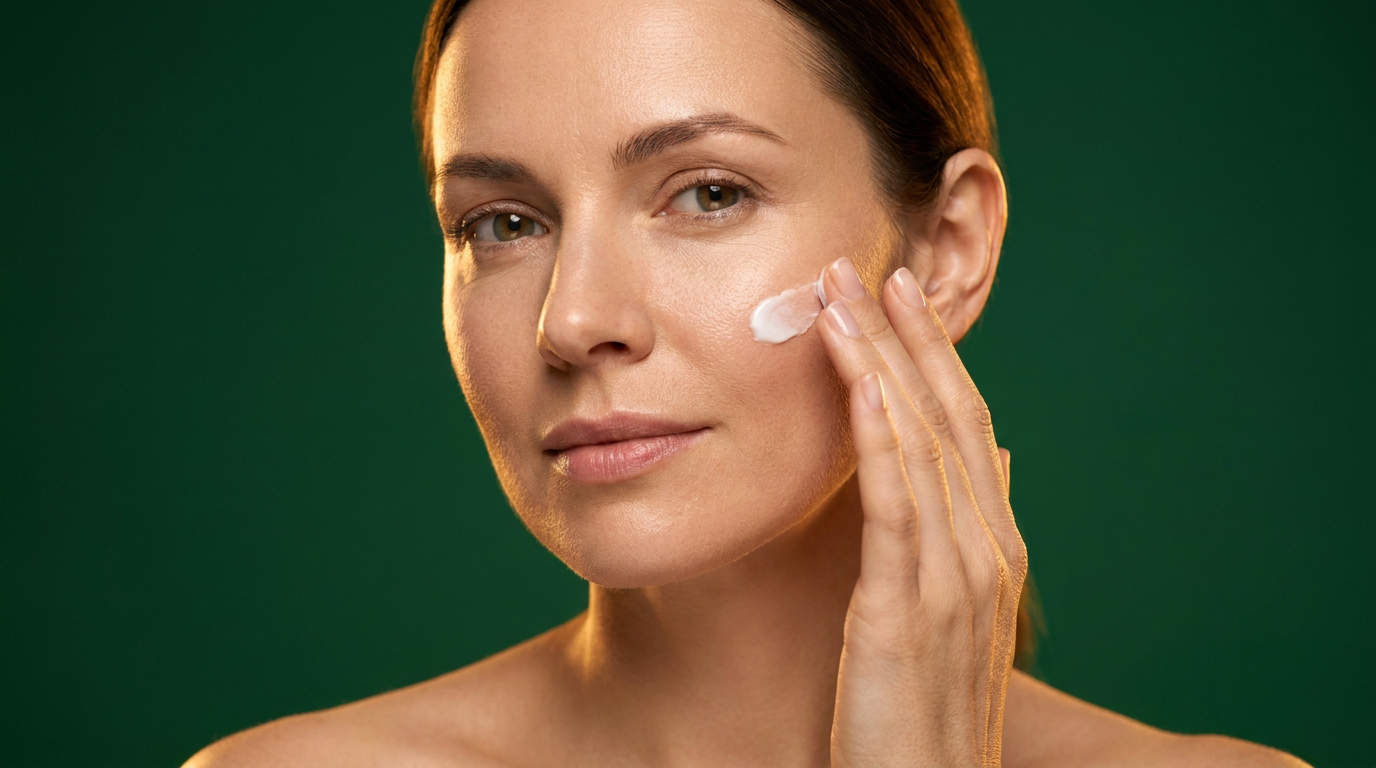
Men's facial cream for dry skin: shaving and barrier
A cream for dry skin must first address two specific issues: a lack of lipids and the friction from shaving. Skin can feel tight after showering, show marks on the cheeks, or become uncomfortable on the neck. A formula rich in humectants and emollients is more relevant than a simple perfumed aftershave.
Why shaving changes your cream needs
Shaving removes hair but also part of the skin's surface film. Repeated blade passes over the same area increase friction and can accentuate tightness, stinging, and dryness. The neck area is often the first to show this discomfort.
A men's face cream for dry skin should therefore be evaluated both after shaving and on non-shave days. A formula that feels comfortable immediately after shaving is more useful than a highly fragranced texture that stings upon application.
Skin barrier: water and lipids must be combined
Dry skin primarily lacks surface lipids and loses water more easily. A moisturizing cream should combine glycerin or hyaluronic acid with emollients like squalane, shea butter, or certain plant oils.
Ceramides also enhance the value of a formula when dryness is significant. A rich texture is not a drawback if it leaves the skin supple without a prolonged greasy sensation.
Before shaving: reduce friction
Rinse your face with lukewarm water for thirty seconds, then apply a sufficiently lubricating shaving product. Use a clean blade and avoid going over the same spot five times. Then rinse with cool or lukewarm water, avoiding hot water.
- Lukewarm water: 30 seconds
- Lubricating shaving product
- Clean blade
- Limited passes
- Cream after gentle drying
After shaving: the right amount
Pat dry, then apply a pea-sized amount of cream suitable for dry skin to the cheeks, chin, and neck. Smooth for twenty to thirty seconds. If the skin immediately absorbs the formula and still feels tight after ten minutes, add half a pea-sized amount only to the dry areas.
Fragrance is not necessary. For reactive skin, a formula without denatured alcohol or essential oils is often easier to tolerate.
Choosing between gel, cream, and balm
| Texture | Profile | Time |
| Gel-cream | Slightly dry | Morning |
| Cream | Regularly dry | Morning and evening |
| Balm | Very dry | Evening or winter |
A dense texture can be reserved for evening use. In the morning, a lighter cream facilitates sunscreen application without pilling.
Naturally derived ingredients: look at function, not the label
Shea butter primarily provides lipids; jojoba oil improves the feel; glycerin attracts water. Their natural origin alone is not enough to predict the formula's effectiveness. Concentration, emulsion, and preservative system also matter.
A well-formulated cream for dry skin can combine naturally derived ingredients and perfectly safe synthetic components. The useful criterion remains tolerance over several weeks.
Morning and evening: a simple routine
In the morning, cleanse only if necessary, apply cream, then SPF. In the evening, cleanse after the day and use the same or a richer texture. Two consistent steps are better than a long and irregular routine.
If shaving occurs in the evening, save exfoliating actives for another day. Freshly shaved skin tolerates acids or retinol less well.
Beard hair retains some products and can make distribution less even. Work the cream with your fingertips between the hairs rather than just on the surface. For a long beard, specific beard care can supplement the cream applied to the skin.
Hard water, long showers, and very hot water often accentuate tightness. Reducing temperature and contact time with water can improve comfort as much as changing creams. These actions are particularly useful in winter.
A beard changes how cream is distributed. For a short beard, press the product between the hairs to reach the skin rather than leaving it on the surface. For a long beard, separate skin care from any oil intended for the hair to avoid a greasy film with no skin benefit.
Very hot water increases the sensation of tightness after showering. Reducing the temperature and shortening time under water can improve comfort as much as changing creams. These adjustments are particularly useful during cold months or in heavily heated homes.
The cleanser plays a major role. A very foamy gel used morning and night can remove more lipids than necessary and make the cream insufficient. If the skin is not oily upon waking, a lukewarm water rinse or minimal cleansing may be more comfortable.
Cheeks and neck do not always react the same way. A shaved neck experiences cumulative friction from the blade, shirt collar, and potential fragrance. Apply a slightly more generous amount of cream there and avoid alcohol-based lotions if a burning sensation regularly occurs.
Dry skin can develop small flakes under a beard. Do not remove them with a harsh brush or abrasive scrub. Gentle washing, followed by cream worked into the skin, can gradually reduce roughness without adding micro-friction.
After sports, rinse off sweat before reapplying skincare. Salt drying on the skin can increase discomfort, especially on freshly shaved areas. Pat dry, then apply half a pea-sized amount to areas that feel tight rather than a thick layer everywhere.
Shea butter provides a useful fatty phase, but a successful formula does not rely solely on it. Glycerin attracts water, ceramides support the barrier, and squalane improves the feel. It's the combination of these functions that creates a cream truly adapted to dryness.
Price does not predict post-shave tolerance. A simple formula made in France can be as suitable as a premium imported product if its texture, fragrance, and emollients are well-chosen. Test the product for at least a week before judging solely on the first application.
The feeling of comfort should last several hours, not just a few minutes after application. If cheeks feel tight again before noon, the formula may lack lipids or the cleansing may be too stripping. Adjust only one parameter for a week first to understand what truly makes a difference.
In winter, a small extra amount in the evening may be enough to compensate for cold and dry air. It is not necessary to change the entire routine if your usual formula remains well-tolerated.
Other daily causes of discomfort
The blade draws attention, but it is far from the only cause of discomfort. Very hot and prolonged showers strip away part of the lipid film when washing the face under the spray; lukewarm temperature and shorter contact often change the sensation from the first week.
Body soap used on the face is another classic. It is designed for thicker, more resistant skin and frequently leaves tightness where a gentle face cleanser leaves none.
The environment also plays a role: heating in winter, air conditioning in summer, wind during outdoor activities, helmets or masks that rub. A face that felt fine in September may require a richer texture in January without any habits having changed.
Outdoor sports deserve a separate mention. Sweat, wind, and light combine, and the habit of rinsing quickly without applying anything afterwards leaves the barrier unsupported precisely when it needs it most.
When discomfort is not dryness
Some situations resemble dry skin without actually being dry. Redness accompanied by small greasy flakes around the nostrils, in the eyebrows, or at the hairline stems from a different mechanism that a richer texture does not improve and can even make more visible.
Similarly, itchy patches that always recur in the same places and resist a gentle routine fall outside the scope of cosmetics. A doctor or dermatologist provides the diagnosis and proposes appropriate management; daily care then becomes comfort support, not a solution.
The useful guide is simple. Ordinary dryness improves in one to two weeks with gentle cleansing and an appropriate texture. If nothing changes, or if the discomfort worsens, the nature of the problem has changed, and a qualified opinion saves time.
Growing a beard changes needs
A beard does not exempt you from skincare; it shifts the application point. The skin underneath remains dry, sometimes more so than the rest of the face, because hair retains cleanser residues and hinders the distribution of a cream applied to the surface.
The useful action is to apply directly to the skin, parting the hair with fingertips, rather than smoothing the beard itself. A fluid texture spreads better than a thick balm in this context, and an oil applied afterward to the length of the hair serves a different, cosmetic and non-hydrating, purpose.
Itching in the first few weeks of growth is mainly due to cleanly cut tips rubbing the skin, not a lack of care. It generally subsides on its own; gentle cleansing and an appropriate cream simply make this period more bearable.
What this cream does not do
A men's face cream for dry skin does not eliminate the cause of persistent irritation and does not replace professional advice when cracks, patches, or itching persist. Nor does it compensate for very hot water or aggressive daily shaving.
Its role is to reduce discomfort, limit water loss, and improve suppleness. The result is judged primarily between shaves, not just in the five minutes after application.
Between shaves
The blade removes some surface lipids, and discomfort is measured the next day, not in the minutes following. A night cream with plant ceramides in the evening replenishes what was removed.


Go further than this article
Get our skincare guides by email — and start with your free skin diagnostic: 2 minutes, advice tailored to your skin. We ship to the US, UK, Canada, Australia and 27 European countries; somewhere else? Sign up and you will be the first to know when we deliver to your country.
By signing up, you agree to our privacy policy. Unsubscribe in one click.