Squalane vs. Hyaluronic Acid: A Duo or a Duel?
One attracts water, the other prevents it from escaping. Comparing squalane and hyaluronic acid means understanding the two halves of hydration—and discovering why the real question isn't "which one?" but "in what order?".
The brief verdict
Your skin lacks water: dehydration lines, dull complexion, occasional tightness. This water magnet helps give an immediate plumping effect.
Your skin loses hydration: comfort doesn't last, sensitivity to cold, dull finish. The lipid film provides a protective and comfortable finish.
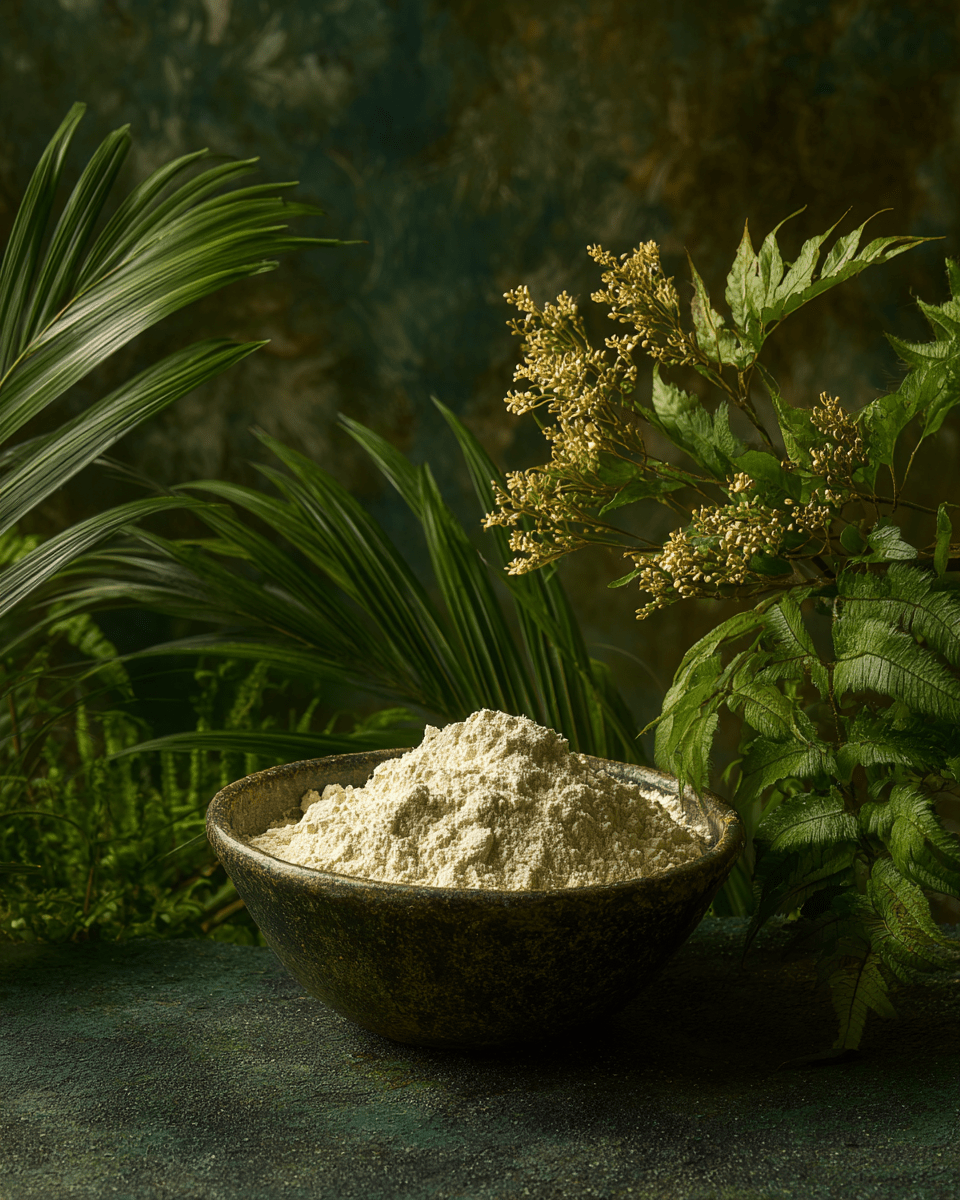
Hyaluronic acid: the water magnet
Capable of retaining a large amount of water, hyaluronic acid helps to give a plumping appearance to the epidermis and visibly smooth dehydration lines. Modern formulas combine several molecular weights for hydration of the skin's surface. Its Achilles' heel: without an occlusive layer over it, the water it attracts can evaporate.
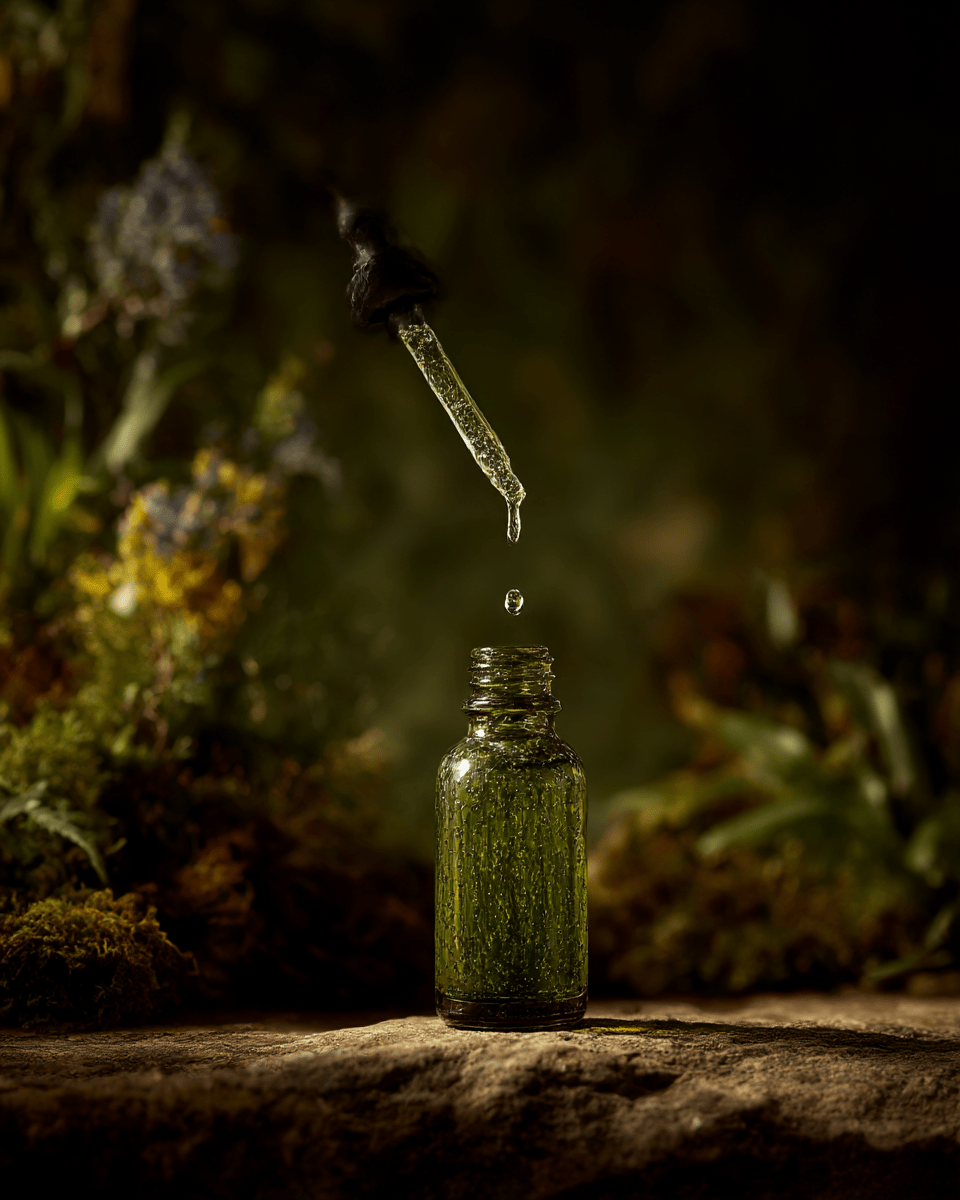
Squalane: the lipid guardian
Similar to a natural component of sebum, plant-derived squalane forms a light veil that helps limit water loss—without any greasy film. Non-comedogenic, stable, universal: it helps maintain the hydration provided by humectants and preserves skin comfort. Alone, it moisturizes little: it retains. That's the key difference.
The point-by-point match
Water supply: hyaluronic acid, of course.
Water retention: squalane.
Immediate plumped appearance: hyaluronic acid.
Lasting comfort: squalane.
Oily skin: tie—two light, non-comedogenic textures.
Simplicity: squalane, which requires no specific application conditions.
The truth: it's a duo, not a duel
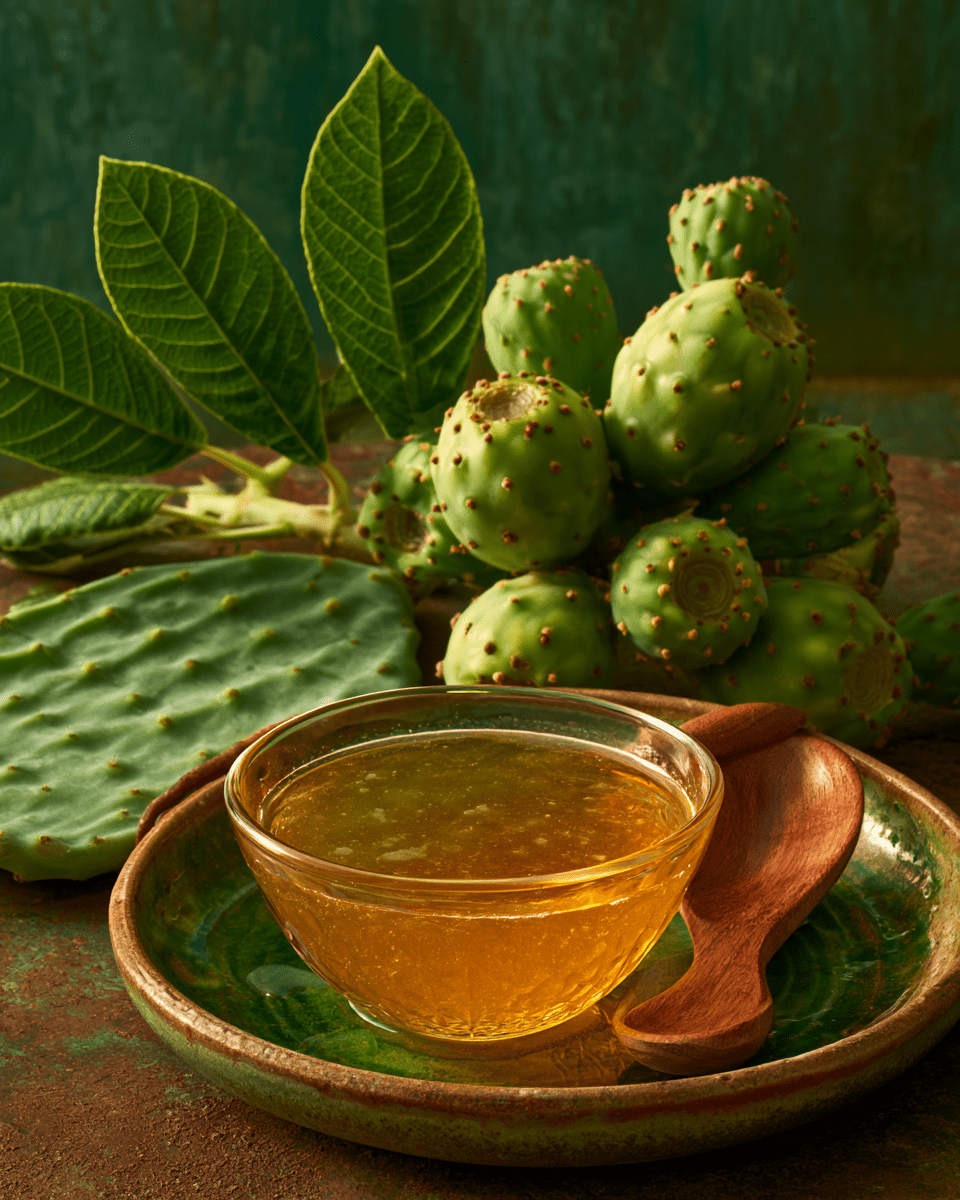
Hyaluronic acid serum on slightly damp skin, then 2-3 drops of squalane to seal: this is the complete hydration mechanism—attract and then retain. For dry or mature skin, prickly pear seed oil can replace or complement squalane by adding nourishing benefits and antioxidants. Three players, one stage: water, the veil, nourishment.
Frequently Asked Questions
In what order should I apply hyaluronic acid and squalane?
Always hyaluronic acid first (aqueous phase), then squalane (lipid phase). The reverse would limit the action of the humectant.
Why is hyaluronic acid applied to damp skin?
Because it attracts available water: on damp skin, it draws from surface water. On perfectly dry skin in dry air, it could draw from the water in the epidermis.
Can squalane replace a moisturizer?
On normal to combination skin, applied over a hydrating serum, yes. Dry skin will prefer to layer it over their cream.
Which one should I choose if I could only keep one?
Dehydrated skin lacking water: hyaluronic acid. Skin that doesn't retain anything and quickly feels tight: squalane. But their duo costs little and changes everything.
Are they suitable for the eye contour area?
Yes, both: hyaluronic acid visibly smooths dehydration lines, and squalane provides a silky comfort. Gently pat, never rub.
Collagen, elastin: their role in supporting skin appearance
Neither squalane nor hyaluronic acid are direct "anti-aging" active ingredients—and that's precisely their quiet strength. Durably hydrated skin presents a more supple and comfortable surface, where firmness and bounce are enhanced: dehydration lines are visibly smoothed, the surface reflects light better, and the complexion appears more rested. Hydration is not just a comfort treatment: it is the visible foundation of all radiance and firmness treatments.
How to choose them well: origin and quality
For squalane, plant origin is now the standard—sugarcane or olive—a guarantee of ethics and stability. For hyaluronic acid, look at the molecular weights: a mix of high + low weights helps to hydrate the skin's surface. Dry skin will readily combine both in their cream or in layered serums; combination skin will prefer lighter textures. And for the final nourishing touch, an oil rich in essential fatty acids like prickly pear complements the hydration-protection-nourishment trio.
In cream or serum: which texture to choose?
Hyaluronic acid performs best in an aqueous serum, applied to slightly damp skin, then locked in with a cream. Squalane exists as a pure oil—a few drops in the palm of your hand—but is also integrated into modern moisturizers, where it lightens textures while providing a protective and comfortable finish. Dry skin: combine hyaluronic serum + rich cream + squalane to seal. Combination skin: serum + squalane alone are often enough. Your skin will thank you in ten years.
RECOMMENDED TREATMENT
Pure prickly pear seed oil
Natural formula · Origin Algeria
DISCOVER THIS TREATMENT →Ingredient Reference
Plant-derived Squalane
The lipid moisturizer with a dry touch.
Discover the sheet →Squalane or hyaluronic acid: what's the difference?
Squalane and hyaluronic acid are two hydration stars, but they don't act in the same way. Hyaluronic acid is a humectant: it attracts water and retains it in the skin, giving a plumped appearance to the surface. Squalane, on the other hand, is a plant-derived emollient: it mimics the hydrolipidic film, visibly smoothes and provides a protective finish by helping to limit water loss.
Which one to choose for your skin?
It all depends on the need. For dehydrated skin that lacks water, hyaluronic acid is ideal. For dry skin that lacks lipids and feels tight, squalane provides the comfort of a light, non-greasy, non-comedogenic oil. Mature skin types appreciate both at once.
Can squalane and hyaluronic acid be used together?
Absolutely, and it's even the winning combination: first apply a hyaluronic acid serum to damp skin, then seal with a few drops of squalane. This layering ensures complete hydration of the skin's surface, ideal for dry as well as normal skin.
Squalane and hyaluronic acid: frequently asked questions
Is squalane suitable for oily skin?
Yes: squalane is non-comedogenic and light. It hydrates oily and combination skin without making it shiny, where a classic oil could clog pores.
Is hyaluronic acid enough to hydrate dry skin?
Not always: on very dry skin, hyaluronic acid attracts water but can evaporate if not sealed. This is where squalane or a rich cream take over to help retain hydration and preserve skin comfort.
Plant-derived squalane or animal-derived squalane?
Plant-derived squalane, from olive or sugarcane, is now the standard in cosmetics: similar to the skin's natural squalane, it is sustainable and perfectly tolerated, even by sensitive skin.
Read more
- Deep hydration: the complete guide
- Plant-derived squalane: light hydration
- Dehydrated skin: the right habits
Information provided for cosmetic and educational purposes; it does not constitute medical advice.


Go further than this article
Get our skincare guides by email — and start with your free skin diagnostic: 2 minutes, advice tailored to your skin. We ship to the US, UK, Canada, Australia and 27 European countries; somewhere else? Sign up and you will be the first to know when we deliver to your country.
By signing up, you agree to our privacy policy. Unsubscribe in one click.