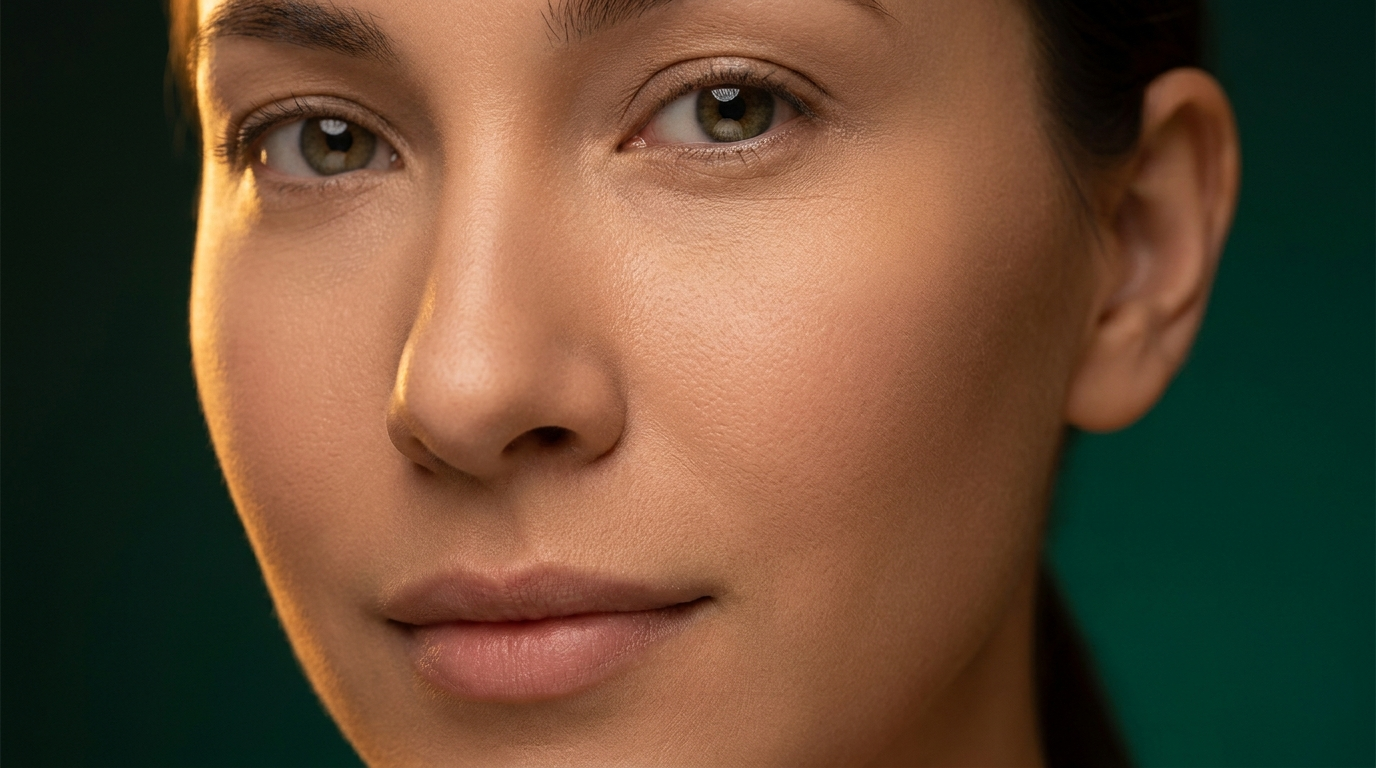
Dry skin causes: understanding water loss
Dry skin is most often caused by the stratum corneum losing too much water or lacking the lipids to retain it. Cold, hot showers, alkaline soaps, and age accelerate this imbalance. A short routine can improve comfort, but persistent dryness with cracks, significant itching, or extensive patches should be evaluated by a healthcare professional.
When the skin barrier lets water escape
The stratum corneum acts like a wall: corneocytes form the bricks, and ceramides, cholesterol, and fatty acids constitute the mortar. When this lipidic mortar diminishes, transepidermal water loss increases, and the surface becomes rough. The sensation of tightness often appears after cleansing, when the hydrolipidic film has been excessively removed.
Searching for dry skin causes therefore refers primarily to a physical mechanism, not simply a lack of cream. Skin can drink plenty of water internally and still remain dry if its surface does not properly retain moisture. Humectants like glycerin attract water, while emollients and occlusives reduce its evaporation.
Hot water, long baths, and harsh soaps
A fifteen-minute very hot shower dissolves more lipids than a five to ten-minute lukewarm shower. Traditional soaps often have an alkaline pH, whereas the skin surface is around pH 4.5 to 5.5. This difference can accentuate dryness, especially on the legs, arms, and back.
To correct this dry skin cause, set the water to lukewarm, use a soap-free cleanser only on necessary areas, and pat dry. Then apply a cream within three minutes, while the skin still retains some moisture. A balm texture is more suitable than a very fluid lotion if flakes are visible.
Dry climate, heating, and seasonal changes
Cold air contains less moisture, and indoor heating further dries out the environment. The skin then loses water more rapidly, even without a product change. An indoor humidity level around 40 to 50% and a richer cream in winter can reduce this seasonal difference.
Wind also increases evaporation on the face and hands. Wear gloves, protect cheeks with a cream containing squalane or shea butter, then apply sunscreen in the morning. The dry skin routine guide details morning and evening adjustments.
Age, sebum, and skin becoming drier
With age, sebaceous gland activity decreases, and the synthesis of certain lipids slows down. This evolution often becomes more noticeable after 40 and explains why a light cream that was once sufficient may no longer provide enough comfort. Slower cell renewal can also make flakes more visible.
Mature skin benefits from combining a humectant, for example 3 to 5% glycerin, with ceramides and a stable oil. Two to three drops of jojoba oil or prickly pear oil can be pressed onto the cream in the evening. The page visible skin aging explains these changes.
Differentiating dry skin and dehydrated skin
| Sign | Dry skin | Dehydrated skin |
| Dominant origin | Lack of lipids | Lack of water |
| Area | Often diffuse | All skin types |
| Texture | Rough, flaky | Fine lines on the surface |
| Response | Balm, oils | Humectants then cream |
Oily skin can be dehydrated without being dry. It shines on the nose but feels tight after cleansing. Conversely, dry skin often produces little sebum and requires a more lipidic texture all year round.
Seven-day routine to identify the dominant cause
For seven days, suspend scrubs, acids, cleansing brushes, and very hot water. In the morning, rinse only if necessary, apply a pea-sized amount of cream then an SPF 30 or 50. In the evening, cleanse for twenty seconds, pat dry without rubbing, and apply an almond-sized layer of cream for the face and neck.
- Day 1: photograph rough areas
- Days 2 to 4: note tightness after washing
- Days 5 to 7: observe flakes and comfort
- Only change one product
- Consult if persistent cracks or discomfort
A highly scented laundry detergent, fabric softener, or rough clothing can exacerbate the sensation on the body. Rinse textiles well, choose cotton for direct contact, and observe if the areas correspond to seams. This check provides a concrete lead without changing the entire routine.
Wool clothing, thick seams, and fabrics washed with a lot of fabric softener can maintain a scratching sensation. Wear a cotton layer directly against the skin for a week and use a lightly scented laundry detergent. If comfort changes, the textile was one of the aggravating factors.
Air conditioning creates dry air in summer, just as heating does in winter. Place a hygrometer in the bedroom and observe the humidity level upon waking. Below approximately 40%, adequate ventilation and a well-maintained humidifier can improve the environment without modifying skincare.
What research into dry skin causes cannot conclude
Dry skin causes cannot remotely identify the origin of a patch, intense itching, or a bleeding crack. Several skin or general conditions can resemble each other. A healthcare professional should examine persistent, extensive, or painful signs.
An oil alone does not always replace a cream, as it provides lipids but little water. A useful routine combines gentle cleansing, humectants, lipids, and protection against the climate. The skin barrier page complements this mechanism. The expression dry skin causes therefore summarizes several factors that can combine.
Why a cream alone is not always enough
A rich cream provides lipids but little water: for skin that is both dry and dehydrated—the most frequent case—it is the humectant that is missing. A Hydration and Comfort routine combines both aspects, which avoids having to choose between the two diagnoses.


Go further than this article
Get our skincare guides by email — and start with your free skin diagnostic: 2 minutes, advice tailored to your skin. We ship to the US, UK, Canada, Australia and 27 European countries; somewhere else? Sign up and you will be the first to know when we deliver to your country.
By signing up, you agree to our privacy policy. Unsubscribe in one click.