How to use shea butter in your facial routine (and what to pair it with)
Some skincare products immediately evoke softness and comfort. Shea butter is one of them: a melting texture, a generous richness, a reputation that spans generations. Yet, it's essential to know how to use it correctly on the face. Through this Beauty Lab guide, NOPAL LIFE helps you understand this iconic active ingredient, integrate it at the right time, and know which products to combine it with — with the precision and botanical nutrition we hold dear.
What is shea butter and what does it do for the skin?
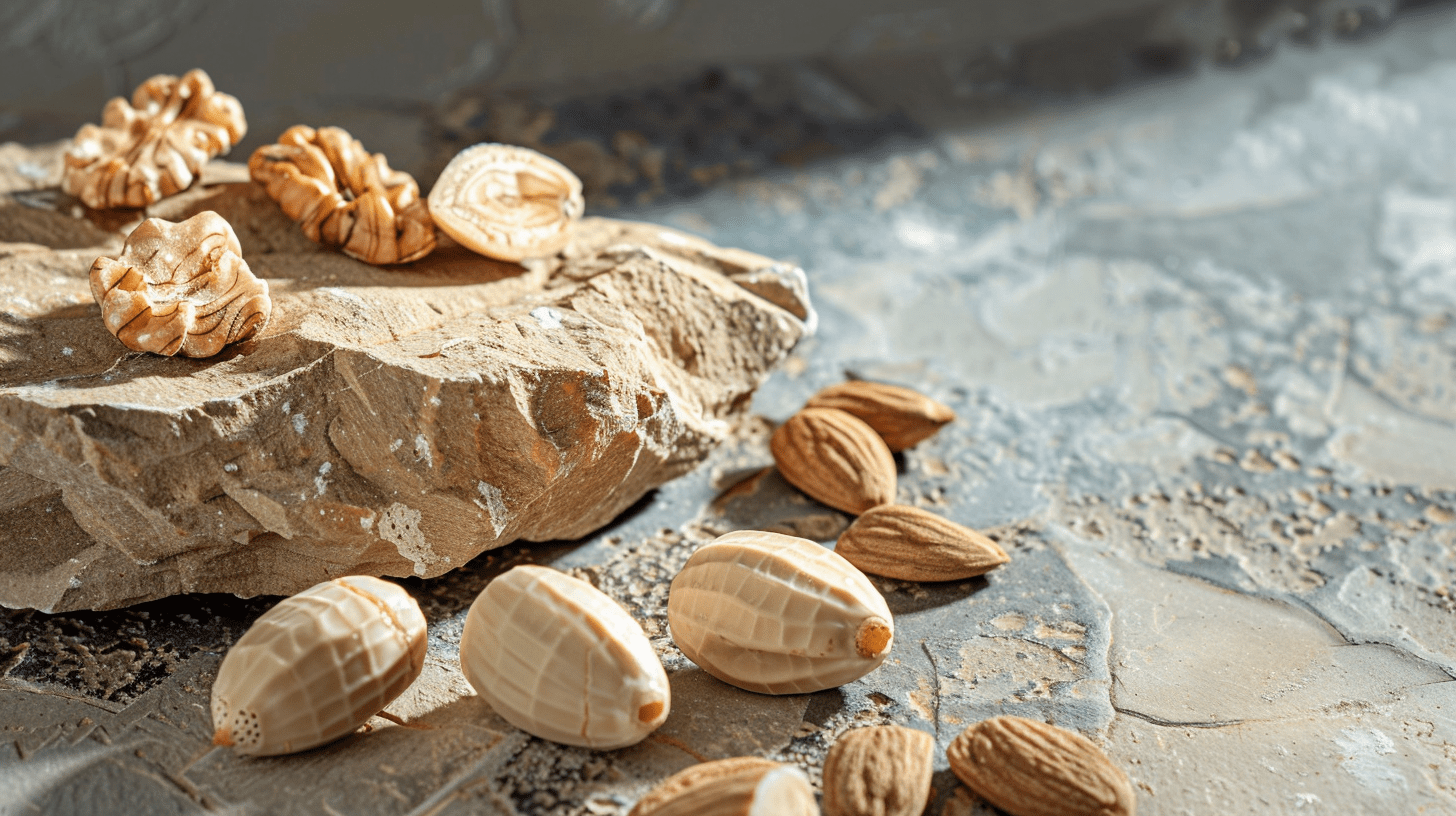
Derived from the nuts of the shea tree, this solid vegetable butter at room temperature is one of the richest fats in botanical skincare. Its composition is rich in fatty acids and unsaponifiable matter, giving it remarkable nourishing and softening power.
On the skin, shea butter acts as an intense comfort active. It helps form a protective surface layer that limits water evaporation and protects the skin from external aggressions, especially cold and wind. The driest, most uncomfortable skin finds true comfort in it: the skin appears more supple, smoother, and visibly soothed.
Shea also contains antioxidant compounds, including natural vitamin E, which help protect the skin and maintain its radiance. Its richness makes it a preferred treatment for the most exposed areas and skin that requires a lot of nutrition. Used for centuries in West African beauty rituals, shea owes its longevity precisely to this generosity – which requires knowing how to dose it well on the face.
For which skin types is shea butter indicated?
Due to its richness, shea butter is primarily intended for dry to very dry skin, uncomfortable skin, or skin sensitized by cold. On these lipid-deficient skin types, its nourishing action provides immediate and lasting comfort.
Mature skin also appreciates it: its comforting texture helps maintain suppleness and reduce the appearance of dehydration fine lines. As a localized treatment, it is also suitable for rough areas or skin damaged by external conditions, such as after prolonged exposure to wind or cold.
However, combination to oily skin or acne-prone skin should use it sparingly and preferably in targeted application, as its richness can be too occlusive on the entire face. It is then better to reserve shea for dry areas or opt for lighter textures. To find out if your skin requires this much nutrition, a skin diagnosis will guide you precisely.
When and how to incorporate it into your facial routine
Shea butter is mainly used in the evening, when the skin is at rest and fully benefits from a rich and nourishing treatment. Its generous texture makes it an ideal comfort gesture for the night, or for periods of intense cold.
The order of application is essential. Since shea butter is the richest fat in the routine, it is applied at the very end, as the last step. The layering logic dictates starting with the most fluid textures — lotion, hydrating serum, cream — and finishing with the richest, which seals everything in. Shea thus locks in all the comfort provided by the previous treatments.
Specifically, take a very small amount of butter — the equivalent of a grain of rice is enough for the face — and warm it between your fingers until it melts. Then apply a thin layer, focusing on dry areas. Moderation is key: too much product would leave a greasy and uncomfortable finish. You can also use it as a targeted treatment on the roughest areas, or as an occasional overnight mask on previously hydrated skin.
A few common-sense precautions. Opt for raw, quality shea butter and introduce it gradually to observe your skin's reaction. A patch test on the crook of your elbow can verify tolerance. Shea butter is a cosmetic active for comfort, which supports the skin without replacing medical advice in case of persistent problems.
Free Skin Diagnosis
Curious to know what your skin truly needs?
Take my diagnosis in 2 min →
Which active ingredients to combine shea butter with?
Rich and enveloping, shea butter shines best as the final step, where it seals in the work of the active ingredients applied before it.
With humectants. Hyaluronic acid and glycerin attract and retain water in the superficial layers; shea butter then seals in this hydration to limit its evaporation. This water + lipid duo is particularly valuable for dry skin, which needs both water and fats.
With nourishing vegetable oils. Shea butter naturally pairs with botanical oils, which soften its texture and facilitate its application. Cold-pressed prickly pear seed oil, naturally concentrated in vitamin E and essential fatty acids, ideally prepares the skin before shea butter: the oil penetrates and nourishes, the shea butter seals in the comfort. A prime combination for dry and mature skin, which regains softness and suppleness.
With a moisturizer. Applied over a cream, shea butter acts as an additional layer of comfort, particularly appreciated in winter or on very uncomfortable skin.
Combinations to use with caution. It is better to avoid layering shea butter with powerful exfoliating active ingredients during the same step, and instead reserve it for evenings of pure nutrition. To explore products already built around these synergies, NOPAL LIFE's Nutrition & Repair collection and Hydration & Comfort collection bring together textures designed to nourish and comfort the skin.
Mistakes to avoid with shea butter
The first and by far most common mistake is applying too much. For the face, shea butter should be measured like a grain of rice: a generous dollop would leave a thick, suffocating film, which is unpleasant and not very useful. Warming the butter between your fingers before application helps spread it in a thin veil.
Second pitfall: using it on the entirety of oily or combination skin. Its richness would often be excessive; it is better to target it only on dry areas. Finally, do not use it as the sole source of hydration: shea butter seals in comfort but does not provide water. Without prior moisturizing care, the essential element to lock in is missing. Also prefer raw and unscented shea butter, which is more respectful of delicate skin.
Go further with a personalized diagnosis
Shea butter is a generous treatment, but its correct dosage and place depend closely on your skin: a saving comfort for very dry skin, a more targeted use for combination skin. To choose wisely, nothing replaces a structured reading of your skin.
The Nopal Life Skin Intelligence™ asks you a few targeted questions in two minutes and guides you towards the active ingredients and textures truly adapted to your profile. You can then delve deeper into each need in the Skin Guide, our library of expert advice.
Frequently Asked Questions
Q: Can shea butter be applied to the face?
A: Yes, provided it is dosed correctly. Its richness makes it an ideal treatment for dry skin, but a very small amount is enough for the face. Warm it between your fingers and apply a thin layer, focusing on dry areas.
Q: When should shea butter be applied in the routine?
A: Preferably in the evening and as the very last step, as it is the richest fat in the routine. It seals in the comfort provided by previous treatments and is particularly suitable for cold periods.
Q: Is shea butter suitable for oily skin?
A: With moderation. Its richness can be too occlusive on the entire face of combination or oily skin. It is better to reserve it for targeted application on dry areas or opt for a lighter texture.
Q: Is shea butter comedogenic?
A: It is a rich butter that can be occlusive if applied in excess. On the face, the key is moderation and targeted application. Acne-prone skin should use it with caution.
Q: Can shea butter and hyaluronic acid be combined?
A: Yes, it is even recommended for dry skin. Hyaluronic acid provides water, then shea butter seals in this hydration to limit its evaporation. The water + lipid duo provides lasting comfort.
Q: Can shea butter be used as an overnight mask?
A: Yes, in a thin layer and occasionally, it makes a pleasant overnight treatment for very dry skin. It is applied to skin prepared with moisturizing care and left on until morning.
Q: Is shea butter suitable for sensitive skin?
A: Often yes, because it is a comfort active appreciated by skin sensitized by cold. Choose raw shea butter and do a patch test in the crook of your elbow before the first application. In case of reaction or persistent skin problems, consult a healthcare professional.
RECOMMENDED TREATMENT
Cold-pressed organic prickly pear seed oil
DISCOVER THIS TREATMENT →
PERSONALIZED ROUTINE
Nopal Life Skin Intelligence™ · Free Diagnosis · 2 minutes
DISCOVER MY ROUTINE →
Rich, comforting, and deeply nourishing, shea butter is the ally of dry skin seeking comfort. Applied in the evening, at the very end of the routine and in the right amount, combined with a humectant or a nourishing botanical oil, it seals in hydration and leaves the skin supple and soothed. And to dose this generous treatment to the exact measure of your skin, the Skin Intelligence™ diagnosis transforms your questions into a tailor-made routine.
Read more
Information provided for cosmetic and educational purposes; it does not constitute medical advice.


Go further than this article
Get our skincare guides by email — and start with your free skin diagnostic: 2 minutes, advice tailored to your skin. We ship to the US, UK, Canada, Australia and 27 European countries; somewhere else? Sign up and you will be the first to know when we deliver to your country.
By signing up, you agree to our privacy policy. Unsubscribe in one click.