Shea butter: dangers, limitations, and tolerance
Shea butter is very well tolerated, and its real problems stem from how it is used. Too much shea butter in the wrong place spoils a product that, used correctly, provides great benefits.
Allergies: What We Know
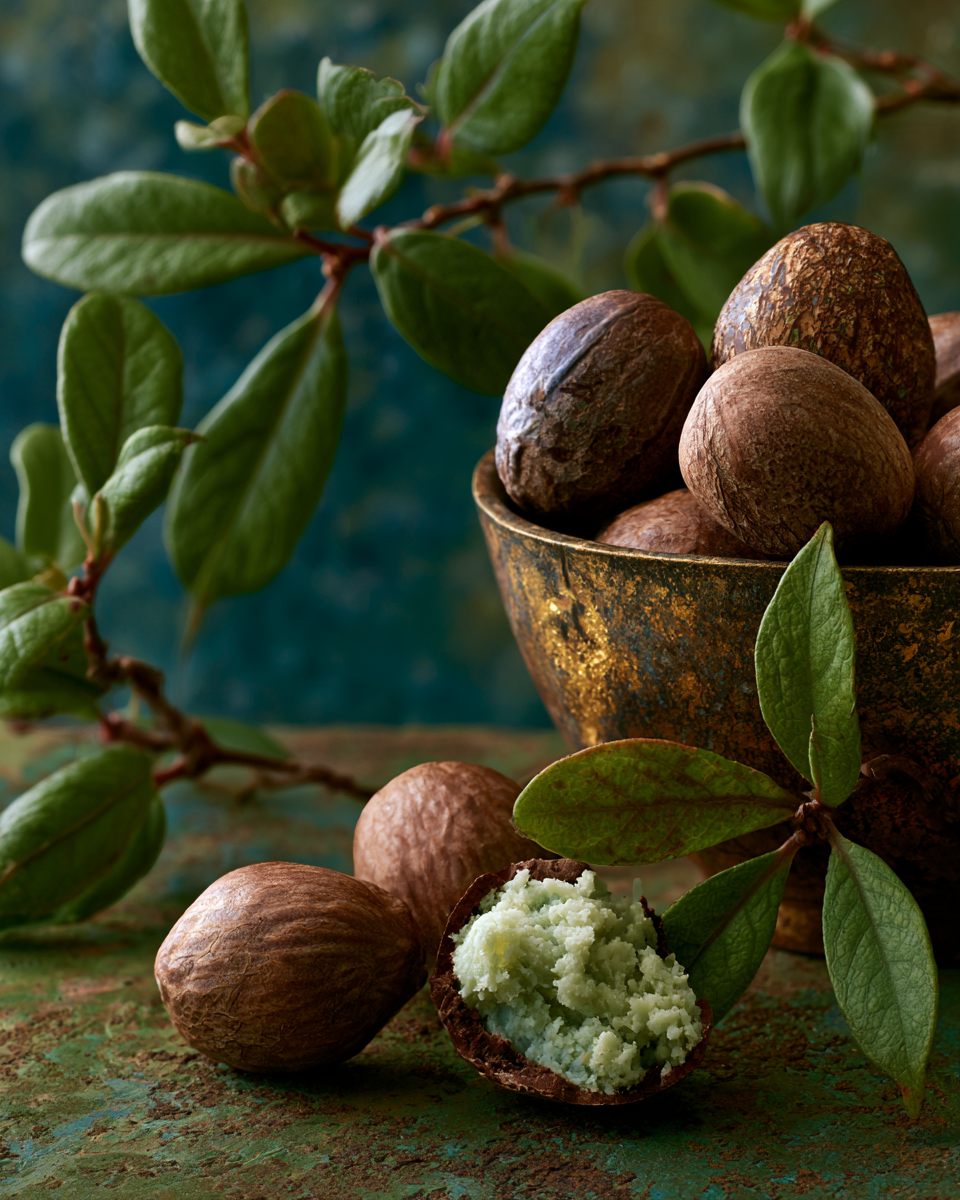
Shea butter is extracted from the nuts of Vitellaria paradoxa. The question of allergies often comes up because the tree belongs to the Sapotaceae family, like some tree nuts.
In reality, allergies to shea butter are rare. Its protein fraction — which generally triggers reactions — is very low in properly extracted shea butter.
Nevertheless, people allergic to latex or tree nuts can test it on the crook of their elbow for two days. This is a reasonable precaution, not a contraindication.
The question of latex often arises. Shea butter contains a small fraction of natural latex, which has led to the idea of a danger for people with allergies.
In reality, this latex differs from rubber latex, and reported cases remain exceptional. The dangers mentioned in this regard far exceed what the data establish, but a person allergic to latex can test it as a precaution.
This ingredient also remains one of the best tolerated on the market. Irritations attributed to it are more often due to an excessive amount rather than the product itself.
Refined or Unrefined
Unrefined shea butter retains its ivory color, its slightly smoky scent, and most of its unsaponifiables — the fraction that holds a good part of its cosmetic value.
Refined shea butter is white and odorless. Refining removes impurities but also some of these unsaponifiables. It's not a bad product; it's an impoverished product.
On very reactive skin, however, refined shea butter may be better tolerated. This is the only case where this choice is justifiable.
The Most Frequent Error: Quantity
Shea butter melts and spreads tremendously. A small dab covers an entire knee, and the excess remains sticky for an hour before ending up on clothes.
This unpleasant sensation is the primary reason people stop using shea butter, long before allergy concerns. The right amount is what disappears in two to three minutes.
On the face, the error is even more costly. Shea butter is frankly occlusive there, and combination or oily skin will not tolerate it well.
Shea butter should be used in much smaller quantities than one might think. Reasonable use involves a dab per area, worked between the palms until the shea butter melts completely.
This measured use changes everything. Properly dosed shea butter disappears in two minutes; the same shea butter in excess remains sticky for an hour and gives the impression that the product is not suitable.
On the body, application should be on damp skin after showering. This is where shea butter finds its best use, and its nourishing properties are fully expressed on areas damaged by cold weather.
The Real Limitations
Shea butter does not act on wrinkles, spots, or deep texture. It is a nourishing fat, and its role is limited to comfort.
It does not hydrate: it retains water in the skin without adding any. Applied to dry, parched skin, it traps dryness.
It does not protect from the sun, despite the fanciful SPF often attributed to it. No vegetable fat offers usable protection.
Shea butter has marked nourishing properties, but its use requires moderation. Shea butter used in excess negates its own benefits by becoming uncomfortable.
On the face, the use of shea butter is limited to dry areas. Shea butter is frankly occlusive there, and a lighter vegetable oil is better suited for full application.
Natural, unrefined shea butter retains an odor and color that some find bothersome. This is the price of its unsaponifiables, and the refining that removes them also removes some of its properties.
The Grain in the Pot
Shea butter that has become grainy has not gone bad. It is recrystallization due to temperature variations, with no consequence: warm it between your hands and it will become smooth again.
A rancid or pungent odor, however, signals a product to be discarded. Shea butter lasts one to two years away from heat.
Where Shea Butter Performs Best
On elbows, knees, heels, and chapped hands. Also on lips, where shea butter performs better than most commercial balms.
On the body in winter, after showering, on still damp skin. This is where its occlusiveness becomes a clear advantage rather than an inconvenience.
For nourishing very dry skin, few products do as well. Shea butter provides fats that the skin no longer produces in sufficient quantities, and its regular use significantly improves comfort in winter.
Do not confuse nourishing and hydrating. Shea butter nourishes; to hydrate, you need water, provided by a lotion or still damp skin.
A light vegetable oil can precede shea butter on the roughest areas. This two-step application provides more than a thick layer of butter alone.
Pregnancy, Breastfeeding, Children
No established restrictions. Shea butter is one of the fats that can be used during these periods, and its use for stretch marks is ancient.
On a baby's skin, follow the pediatrician's advice.
What to Remember
Shea butter is an excellent product for the body and a poor choice for a combination face. Its dangers are low, its limitations clear, and its main drawback is being used in too large a quantity.
For signs of aging, daily sun protection does more than any fat.
When to Consult
The context remains that of cosmetics: improving skin comfort, without claiming to treat. Deep chapping or fissures require a healthcare professional.
The "Dangers, Limitations, and Tolerance" Series
What real problems each ingredient can pose, and what is rumor.
Our anti-aging treatments