



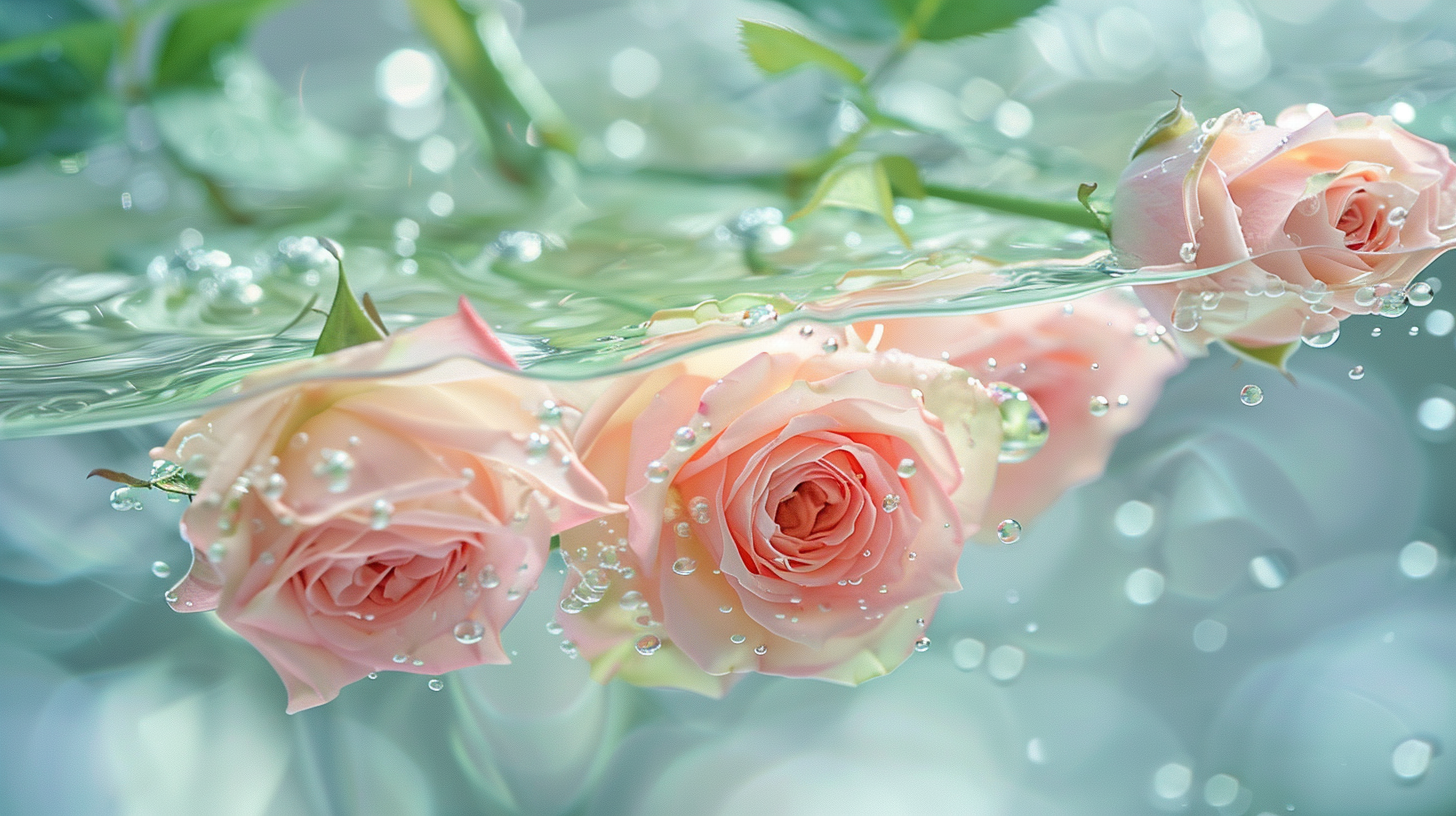
How to use rosewater in your facial routine (and what to pair it with)
Some beauty gestures transcend centuries without losing their charm. Rose water is one of them: fresh, delicately scented, it evokes both ritual and care. But behind its softness lies an active ingredient with very specific uses. Through this Beauty Lab guide, NOPAL LIFE helps you understand this timeless floral water, integrate it at the right time, and know which treatments to combine it with — with the demand for precision and the touch of botanical nutrition that are dear to us.
What is rose water and what does it do for the skin?
Rose water is a hydrosol — or floral water — obtained during the steam distillation of rose petals. This process collects both the water and an infinitesimal fraction of the flower's aromatic compounds, resulting in a light, subtly scented, and particularly gentle water for the skin.
In terms of skincare, rose water is primarily a toning, refreshing, and soothing active ingredient. Applied after cleansing, it helps perfect skin cleanliness, revive the complexion, and provide a pleasant sensation of freshness. Its gentleness makes it a popular water for skin that needs comfort.
Rose water also plays a valuable preparatory role: by lightly moistening the skin, it creates the ideal ground for subsequent treatments, serums, and oils, which adhere better to freshly vitalized skin. It is this balance between freshness, gentleness, and preparatory function that explains its lasting place in routines.
What skin types is rose water suitable for?
Rose water is distinguished by its high tolerance and is suitable for almost all skin profiles, making it one of the most universal treatments.
Sensitive and reactive skin particularly appreciates its softness and soothing sensation, which provides comfort after cleansing. Normal and combination skin find it a pleasant toning step that refreshes and revives the complexion daily.
Dry skin benefits from its preparatory function: by moistening the skin, it facilitates the application of subsequent nourishing treatments. As for dull or tired skin, it benefits from its invigorating effect to regain a fresher complexion. Its lightness also makes it pleasant for oily skin, which seeks freshness without heavy residue. To precisely position rose water according to your needs, a skin diagnosis will help you clarify.
When and how to incorporate it into your facial routine
Rose water is used morning and evening, and is placed early in the routine. Unlike oils and butters, it is a water: it therefore intervenes after cleansing and before richer treatments, following the layering logic that goes from the most fluid to the richest.
Specifically, after cleansing your face, spray rose water a few inches away or apply it to a soft cotton pad, then gently dab. You can also press it directly with your palms. The skin, fresh and slightly damp, is then ready to receive a serum, then an oil or a cream, which will seal in comfort.
Rose water lends itself to many uses: refreshing mist throughout the day to revive the complexion, toning step after makeup removal, or even a light hydrating veil before makeup to prepare the skin. You can also slip it into your bag for an on-the-go refresh.
A few common-sense precautions. Opt for pure rose water, without added alcohol or synthetic fragrance, which could irritate the most delicate skin. As with any new treatment, a test in the crook of the elbow helps check tolerance. Rose water is a cosmetic comfort active ingredient that supports the skin without replacing medical advice in case of persistent problems.
Skin Diagnosis · Free
Curious to know what your skin really needs?
Do my 2-min diagnosis →
What active ingredients to combine rose water with?
As a preparatory step, rose water pairs wonderfully with subsequent treatments, helping them to apply better.
With serums and humectant agents. Applied before a hyaluronic acid or glycerin serum, rose water moistens the skin and facilitates the penetration of these active ingredients that attract and retain water. The result: more supple skin and enhanced comfort. The NOPAL LIFE Facial Serums collection includes textures designed to be layered at this fresh stage.
With nourishing vegetable oils. Rose water and oils form a particularly balanced water + lipid duo. On skin freshly misted with rose water, cold-pressed prickly pear seed oil, naturally concentrated in vitamin E and essential fatty acids, seals in comfort and intensely nourishes dry and mature skin. Water prepares, oil retains: the skin appears softer and more supple.
With a day or night cream. Rose water naturally integrates before the cream, whether it's a light day treatment or a richer texture in the evening. It provides that first touch of freshness that makes the rest of the routine more pleasant.
Few false notes. Rose water is distinguished precisely by its almost universal compatibility; the only pitfall would be an alcoholic rose water, which should be avoided on sensitive skin. To explore complementary comfort treatments, the NOPAL LIFE Hydration & Comfort collection offers textures designed for skin suppleness.
Mistakes to avoid with rose water
Rose water is simple to use, but a few common misunderstandings often arise. The first: believing it's enough to hydrate. It's a preparatory and refreshing water, not a complete nourishing treatment; left alone, it evaporates and the skin can even feel tight. It should always be followed by a serum, an oil, or a cream that seals in comfort.
Second mistake: choosing poor quality rose water, sometimes diluted with alcohol or enriched with synthetic fragrance. Opt for a pure hydrosol. Finally, there's no need to rinse it: simply let it dry for a few moments before applying subsequent treatments, which will then benefit from fresh, slightly damp skin.