Dull and combination skin after 50: reviving radiance
Skin Changes After 50
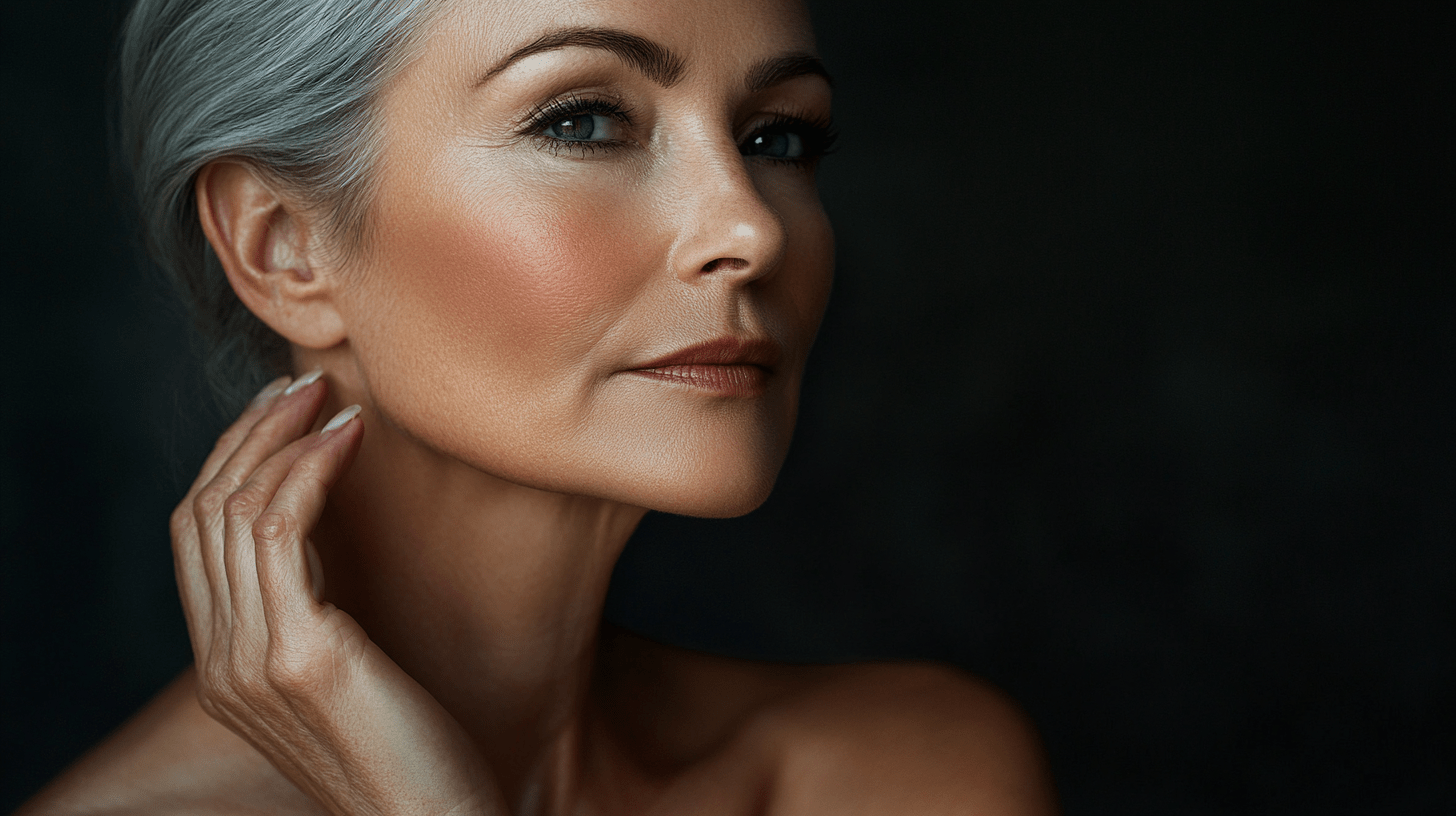
After 50, skin enters a phase of transformation, accentuated in women by hormonal changes related to menopause. These changes are often accompanied by skin that appears thinner, an increased sensation of dryness, and a less firm and plump appearance. These modifications result in skin that looks finer, duller, with altered texture.
Simultaneously, skin tends to renew itself more slowly with age. Dead cells accumulate on the surface, absorbing less light and creating this impression of a dull complexion. The skin can also appear less radiant, giving it a tired look.
Dull Complexion After 50: Causes and Solutions
A dull complexion results from several cumulative factors: a thickened appearance of the stratum corneum, pigment irregularities linked to sun exposure, a loss of radiance, and a less luminous appearance. Regular exfoliation is one of the first steps to help revive radiance.
AHAs (glycolic acid, lactic acid) at moderate concentrations (5-15% in daily care, 20-30% in professional peels) help promote the elimination of superficial cells and support the natural renewal of the skin. Glycolic acid also contributes to a smoother and firmer appearance. Lactic acid, being gentler, is often better tolerated by sensitized mature skin.
Unifying active ingredients complement this action: niacinamide (5-10%) helps progressively even out the skin's appearance. Azelaic acid, kojic acid, and arbutin derivatives also contribute to a more homogeneous complexion. These active ingredients, used in conjunction with strict sun protection, help reduce the visible appearance of irregularities over weeks.
Skin Texture After 50: Coarse Grain, Pores, Roughness
Skin texture qualitatively changes after 50. The skin's grain appears thicker due to the accumulation of dead cells, pores appear larger (especially for those with previously combination or oily skin), and surface roughness gradually sets in. These modifications respond well to a structured protocol.
Retinol (and its derivatives: retinaldehyde, retinyl propionate) is the best-documented active ingredient to help improve texture appearance. It supports the natural renewal of the skin and contributes to a more regular-looking grain as well as a smoother and firmer appearance. For mature skin, start at 0.1-0.3% and gradually increase. Apply exclusively in the evening, preceded by a good moisturizer to reduce initial discomforts.
Signal peptides (Matrixyl 3000, Syn-Coll, Leuphasyl) are an alternative or complement to retinol for skins that tolerate it poorly. These small sequences of amino acids are valued in mature skincare for helping to maintain the skin's firm and plump appearance. Their tolerance is generally excellent, even on sensitive skin.
Skin Renewal: Effective Strategies
Supporting the natural renewal of the skin after 50 benefits from a multi-active approach. Regular chemical exfoliation (2-3 times/week) helps remove the superficial layer of dead cells and supports the natural renewal of the skin. Niacinamide also contributes to a fresher and more uniform complexion.
Daily facial massage (Kobido massage, gua sha, face roller) provides a toning sensation, promotes a moment of relaxation, and helps the skin appear more radiant. Practiced regularly, a daily massage protocol of a few minutes can contribute to a more luminous complexion over weeks. Prickly pear oil, used as a massage medium, simultaneously provides nourishing comfort and a feeling of suppleness.
Home light therapy (red LED 630-660 nm) is valued as a complementary skincare gesture and can support a more radiant appearance, without UV. Several weekly sessions of 10-15 minutes can, with regular use, provide interesting comfort on the firm appearance and radiance over weeks.
Star Ingredients for Skin After 50
Targeted skincare for mature skin can integrate several families of active ingredients: antioxidants (vitamin C, E, resveratrol) to help protect the skin from oxidative stress; active ingredients valued for apparent firmness and volume (retinol, peptides, cross-linked hyaluronic acid); surface active ingredients (AHAs, BHA, niacinamide) for texture and complexion; and soothing and nourishing active ingredients (ceramides, essential fatty acids, prebiotics) to help maintain skin comfort over time.
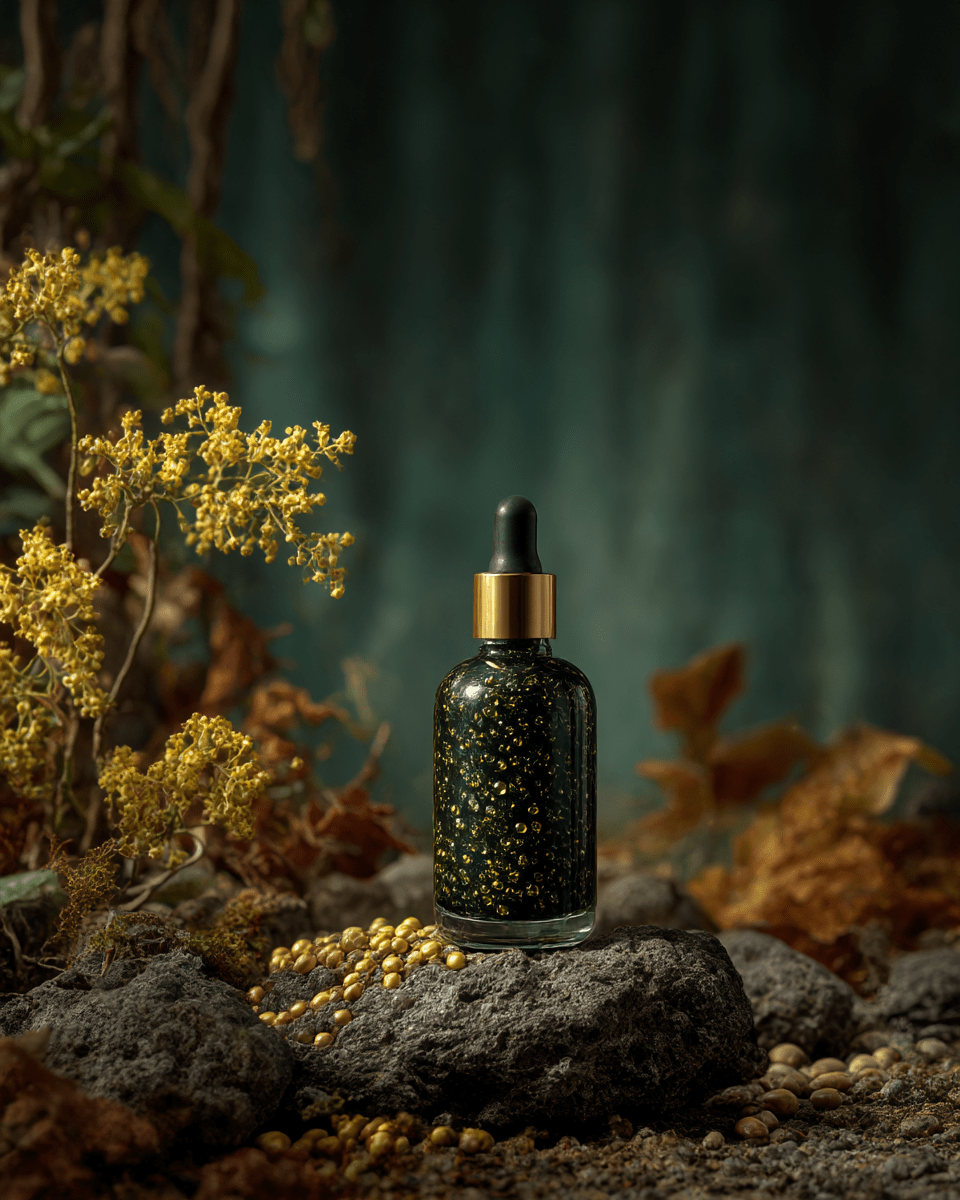
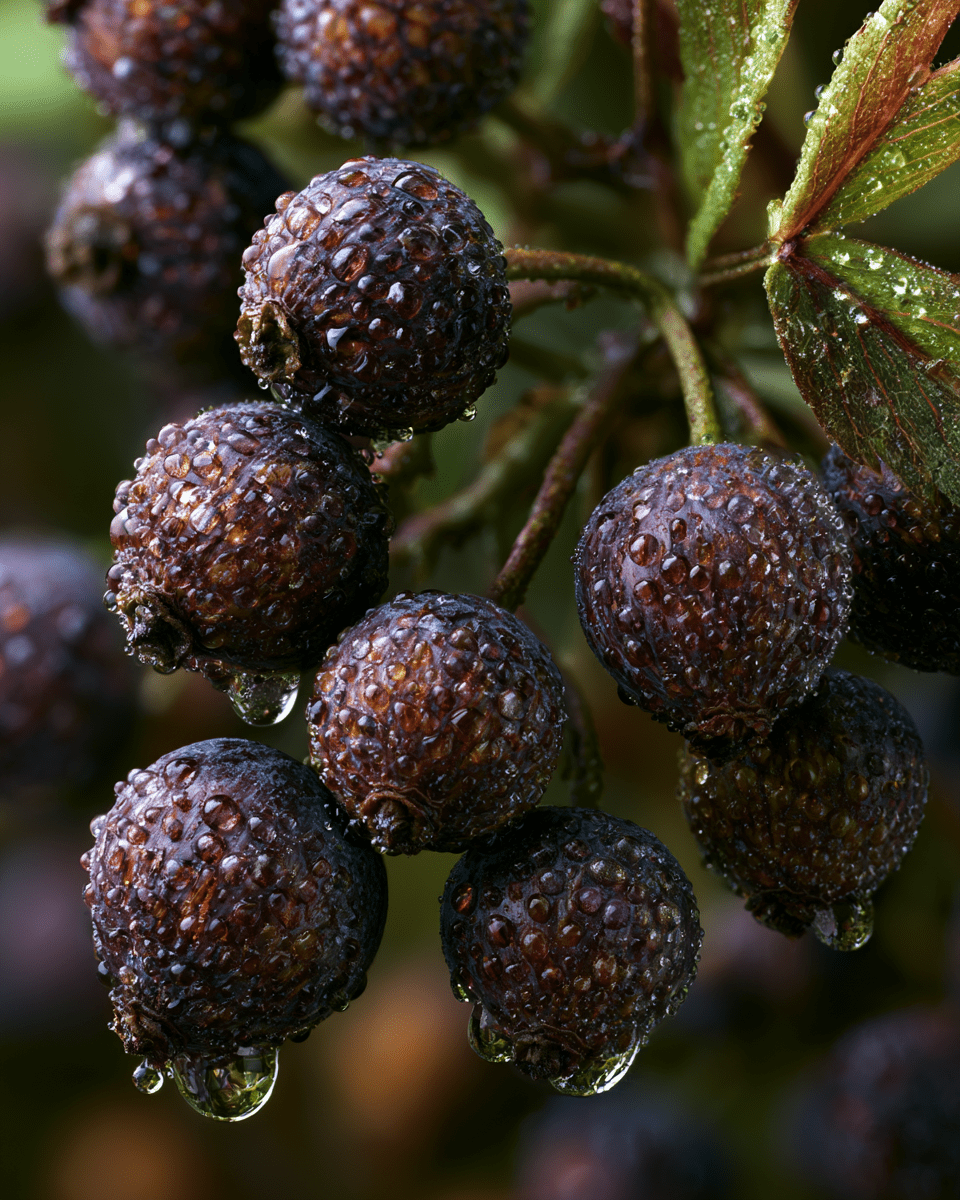
Prickly pear oil deserves its place in this protocol: its Omega-6 profile (linoleic acid), its richness in vitamin E, vitamin K, and plant sterols (beta-sitosterol, campesterol) make it an adaptive care that meets several needs simultaneously. Its dry texture makes it usable on all types of mature skin, including combination profiles.
Mistakes to Avoid in a Skincare Routine After 50
Continuing your routine from your 30s: What worked at 30 may be insufficient or unsuitable at 50. Mature skin appreciates richer care, with active ingredients targeting apparent firmness (peptides, retinol) that were not necessary earlier.
Neglecting exfoliation for fear of irritation: Mature skin, which exfoliates more slowly naturally, specifically appreciates gentle external help. Opt for gentle acids (PHA, lactic acid) suitable for sensitive skin.
Too many products at once: Mature skin is more prone to discomfort. Introduce only one new active ingredient at a time, every 2-3 weeks, to identify tolerance.
Ignoring the neck and décolleté: These areas are the same age as the face but rarely receive the same care. The skin on the neck is particularly thin and quickly shows signs of aging without an adapted protocol.
FAQ
Does collagen in cream truly penetrate?
Native collagen molecules are too large to cross the superficial layer of the epidermis. It's mainly hydrolyzed collagen peptides and ingredients valued for helping to maintain a firm and plump appearance (retinol, vitamin C, peptides) that are sought after in skincare.
At what age should one start retinol?
There is no minimum age. Starting from 35-40 years old is a preventive approach. After 50, the aesthetic benefits remain interesting, but tolerance may require more gradual concentrations.
Are vitamin C serums suitable after 50?
Yes, and they are particularly valued. Vitamin C is sought after for helping to revive radiance and unify the skin's appearance, two major challenges after 50.
Are skin supplements effective?
Vitamin C, biotin, Omega-3s, and oral hydrolyzed collagen are valued in courses of a few weeks to support radiance, hydration comfort, and visible firmness. If in doubt, consult a healthcare professional.
Does combination skin change after menopause?
Yes. With hormonal changes, the skin often tends to appear drier. Many previously combination skins become normal to dry in appearance after 50 and appreciate more nourishing care.
Can one use vegetable oils alone in an anti-aging routine?
Vegetable oils provide valuable lipids and antioxidants, but do not contain humectants (water, hyaluronic acid). They are more effective as a complement to water-based care.
Informative and educational content, for general purposes.
How Does Skin Evolve After 50?
After 50, the skin changes: it appears thinner, drier, and loses apparent firmness. The skin tends to renew itself more slowly, the complexion becomes dull, and wrinkles appear more visible. This mature skin appreciates a targeted routine focused on intense hydration, nourishment, and radiance support.
The Ideal Skincare Routine for Mature Skin
Gentle Cleansing
Opt for a gentle, soap-free cleanser that respects the fragile hydrolipidic film of skin over 50.
Intense Hydration and Nourishment
Mature skin requires rich textures: plumping hyaluronic acid serum, nourishing cream, precious vegetable oils. The goal is to compensate for the lack of lipids and revive the radiance of a dull complexion.
Targeting Firmness and Wrinkles
Active ingredients like peptides, bakuchiol, or vitamin C support apparent firmness and smooth the appearance of wrinkles, for visibly plumper skin.
Good Daily Habits After 50
Beyond products, a few habits make a difference on mature skin: apply sunscreen every morning to preserve radiance, massage the face for a toning effect, and take care of the hydration of the eye contour and neck, areas that quickly show signs of aging after 50. A regular routine, morning and evening, remains the key to beautiful mature skin.
Skincare After 50: Frequently Asked Questions
What is the most important care for mature skin?
Hydration remains the priority for mature skin. After 50, the skin retains less water: a rich cream and a hydrating hyaluronic acid serum, morning and evening, help restore suppleness and radiance to the complexion.
Can skin over 50 be firmed?
One cannot stop time, but active ingredients like peptides, bakuchiol, or vitamin C help support the apparent firmness and smooth the appearance of wrinkles on mature skin.
Should one change their entire routine at 50?
Not necessarily: it's mainly about enriching textures (nourishing cream, vegetable oils) and never forgetting sun protection, the first step to preserving the radiance of mature skin over the years.
Mature Skin: Active Ingredients to Prioritize After 50
To support mature skin, certain active ingredients are essential. Hyaluronic acid plumps and hydrates the skin's appearance; peptides support apparent firmness; antioxidant vitamin C helps revive radiance and unify the skin's appearance; bakuchiol, a gentle alternative to retinol, smooths the appearance of wrinkles without irritating. For nourishment, rich vegetable oils (prickly pear, argan, rosehip) intensely nourish dry skin over 50.
The essential thing, after 50, is not to accumulate products but to build a coherent routine: gentle cleansing, morning and evening hydration, nourishment, and sun protection. This regularity, more than anything, maintains the radiance and suppleness of mature skin.
After 50, Listen to Your Skin
After 50, listening to your skin remains the best reflex: well-hydrated, nourished, and sun-protected mature skin retains its radiance for a long time. Adapt textures to the season, reinforce nourishment in winter, and keep in mind that routine regularity always takes precedence over the quantity of care for maintaining supple and luminous mature skin.
Why Choose Nopal Life to Support Mature Skin
Supporting the appearance of mature skin calls for valued and well-documented active ingredients in cosmetics. Nopal Life prickly pear oil, rich in omega-6 and omega-9 essential fatty acids, vitamin E, and plant sterols, contributes to the suppleness and comfort of the skin's film. It helps maintain the skin's firm and plump appearance, reduces the appearance of dehydration lines, and provides a sensation of comfort for a visible smoothing effect from the first few weeks.
Combine it with our night cream and our serum with a plumping texture for a complete synergy, night and day. Your skin regains a firmer appearance, radiance, and lasting comfort. Discover the Nopal Life formulation designed for your skin profile thanks to our free Skin Intelligence diagnostic.
PERSONALIZED ROUTINE
Nopal Life Skin Intelligence™
Free diagnostic · 2 minutes
DISCOVER MY ROUTINE →This content is informative and educational; it does not replace medical advice, diagnosis, or a dermatological consultation. In case of doubt or persistent skin problems, consult a qualified health professional.


Go further than this article
Get our skincare guides by email — and start with your free skin diagnostic: 2 minutes, advice tailored to your skin. We ship to the US, UK, Canada, Australia and 27 European countries; somewhere else? Sign up and you will be the first to know when we deliver to your country.
By signing up, you agree to our privacy policy. Unsubscribe in one click.