Plumping face cream: understanding the bouncy effect without overpromising
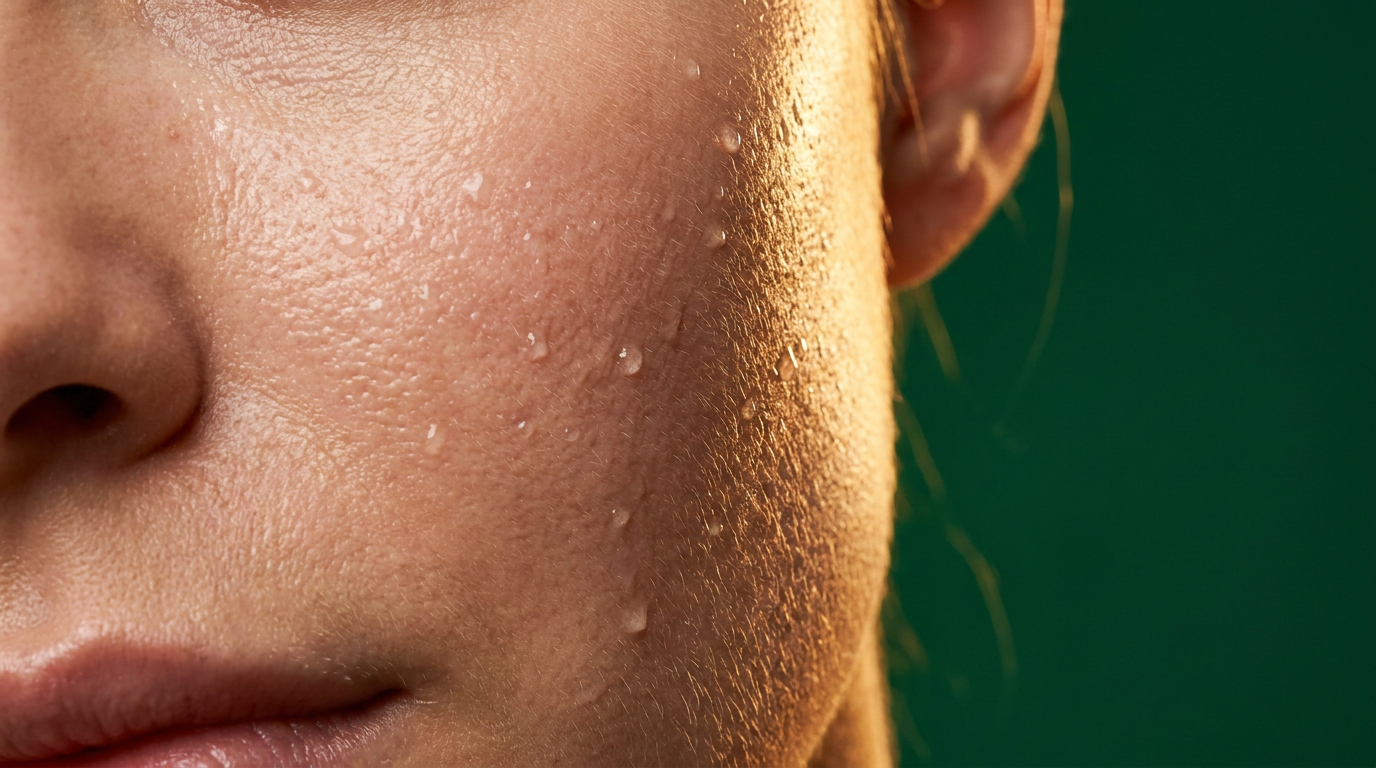
A plumping face cream promises plumper, smoother, and less wrinkled skin. Behind this vocabulary lies a mechanism primarily related to the hydration of the superficial layer: when it retains water better, the skin appears fuller and certain fine lines become less visible. The word "plumping" therefore describes a visual result, not a lasting increase in facial volume.
Why hydration changes skin texture
The stratum corneum acts as an interface between the body and the environment. When it lacks water, its surface becomes more irregular, which accentuates dullness and fine lines. Good hydration improves suppleness and can make the skin appear smooth.
This mechanism explains why the effect is sometimes visible quickly. It does not mean that the cream has created new tissues. Part of the result disappears if hydration is completely stopped or if the skin is exposed to a very dry environment.
The central role of hyaluronic acid
Hyaluronic acid is one of the ingredients most associated with the word plumping. When applied topically, it primarily acts as a humectant and film-forming agent depending on its form. It helps to keep water near the surface and contributes to a more supple feel.
Formulas sometimes use several molecular weights. This information can be interesting, but it is not enough to predict effectiveness. A plumping cream should also contain ingredients that reduce water loss and make the texture pleasant.
Glycerin, certain sugars, betaines, and other humectants can complement hyaluronic acid. Emollients, on the other hand, provide glide and reduce roughness.
Plumping or nourishing
A nourishing cream primarily increases lipid intake. It is well-suited for dry skin that lacks comfort. A plumping moisturizing cream places more emphasis on water and the bouncy effect.
The two approaches can converge. Mature skin often needs humectants and lipids. A hybrid formula is then more relevant than an exclusively aqueous texture.
In summer, a light emulsion may suffice. During cold periods, the same person may prefer a more enveloping base.
What signs indicate a good formula
After application, first observe the comfort. A good cream should not leave the skin feeling tight after an hour. Then look at the texture throughout the day: if the face appears more supple without excessive shine, the dosage is probably appropriate.
Effectiveness should not be judged solely from a photo taken immediately after application. A moisturizing film can create a very flattering immediate result. The true benefit is also judged by the regularity of use and tolerance.
Numerical promises require data on the finished formula. Without specific product testing, it is better to speak of a smoother appearance, hydration, and comfort rather than a percentage of erased wrinkles.
Morning and evening routine
In the morning, apply a hydrating serum if necessary, then a small amount of cream to the face and neck. Wait one minute before applying sunscreen. A layer that is too thick can pill under filters or makeup.
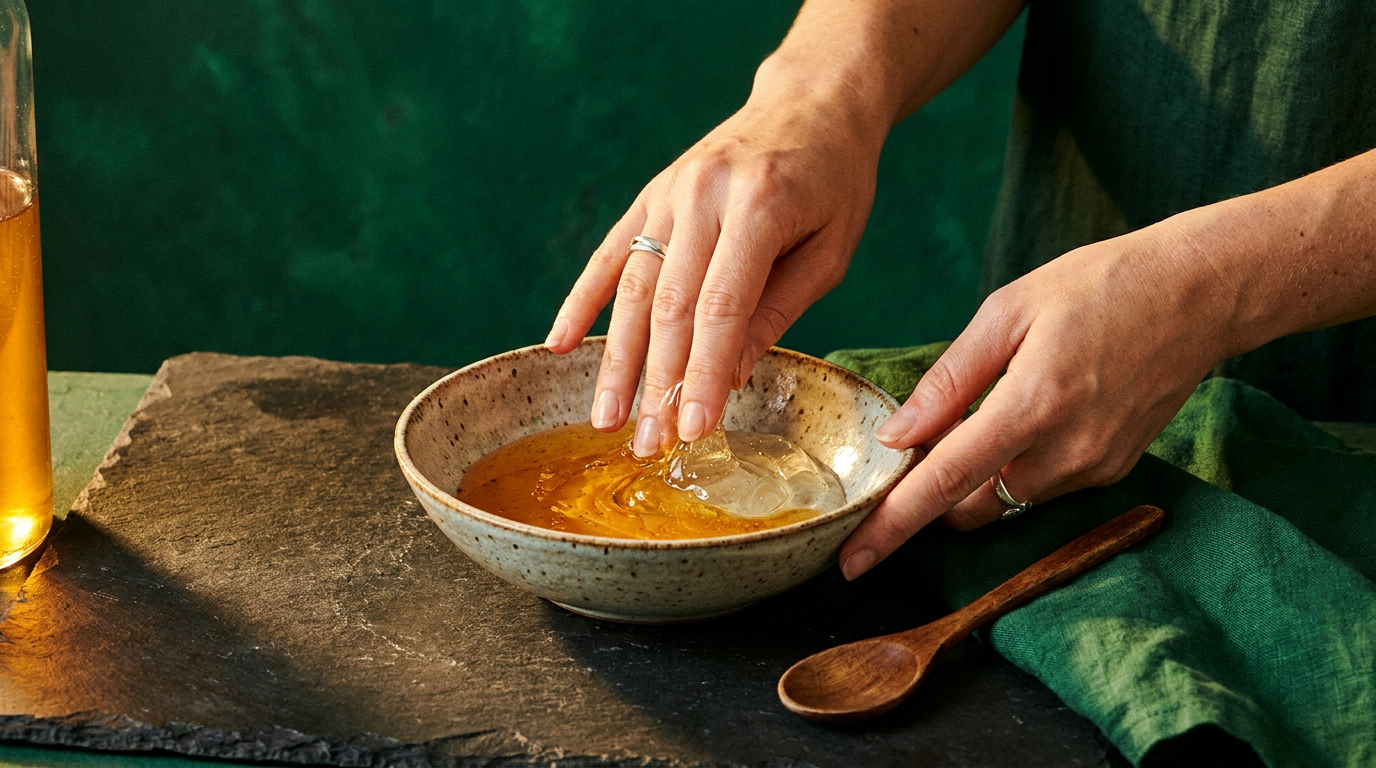
In the evening, cleanse gently then apply the cream. If the skin remains dry, press two small drops of prickly pear seed oil onto the cheeks, only where the skin feels tight. This oil mainly provides an additional lipid phase.
For a new formula, perform a tolerance test on a small area before widespread application, especially if the skin is reactive. This step is more valuable than product review rankings that sometimes appear in search results.
How to combine other anti-aging active ingredients
A plumping cream can be used with targeted active ingredients, but the layers must remain consistent. A hydrating serum in the morning and an anti-aging active in the evening often provide a clearer architecture than multiple superimposed serums.
If a product causes dryness or tingling, reduce its frequency before increasing the richness of the cream. An uncomfortable barrier is not a sign that the active ingredient is "working better."
The eye contour can receive a very small amount of cream if the manufacturer authorizes this area. Avoid bringing irritating active ingredients too close to the mucous membrane.
Factors that decrease the plump effect
Dry air, heating, air conditioning, and harsh cleansing increase water loss. A routine may therefore seem less effective in winter without the formula having changed.
Normal water consumption contributes to the overall balance of the body, but drinking extra liters does not replace a cream on dry skin. The skin surface largely depends on its own barrier and the environment.
Cumulative sun exposure also affects wrinkles and texture. A plumping strategy that ignores UV protection addresses only part of the problem.
Where NOPAL LIFE comes in
The NOPAL LIFE philosophy is to combine hydration with measured nourishment. A serum or cream providing humectants can be supplemented with prickly pear seed oil when the skin requires more suppleness.
This duo addresses two distinct needs: water for a plump appearance, lipids for comfort. It avoids placing a promise that it cannot keep on a single ingredient.
What the plumping effect does not mean
A cream does not restore fat volume lost with age, does not fill a deep wrinkle like an injected product, and does not permanently modify contours. Nor does it guarantee increased collagen production simply because its marketing uses the word anti-wrinkle.
Its level of action is cosmetic: better hydration, suppler texture, less visible superficial fine lines, and sometimes a brighter complexion. This result is useful precisely because it is realistic.
If the goal concerns significant volume loss or deep wrinkles, a doctor can explain the appropriate solutions and their limitations. The cream then retains its daily role of comfort and skin quality.
Why some fine lines respond better than others
Not all lines are based on the same mechanism. A fine line related to dehydration can significantly diminish when the superficial layer regains water. A long-established expression line depends more on muscle repetition and structural changes in the tissue.
This difference explains the rapid disparities between before and after photos. Softer light, freshly hydrated skin, and a shiny film can greatly improve appearance without changing the actual depth of a wrinkle.
To evaluate a cream, possibly photograph the face under similar conditions: same time of day, same distance, and comparable lighting. The goal is not to create a clinical protocol, but to avoid confusing photographic effect with skin evolution.
How much to use
Too large a dose does not necessarily increase the effect. For a classic texture, an amount similar to a small pea is often sufficient for the face. Add a second small dose for the neck if necessary.
On slightly damp skin, the cream spreads easily, and humectants have water immediately available. If the formula leaves a sticky film, reduce the amount during the next application.
In the morning, the order with sunscreen is non-negotiable: sunscreen comes after the cream. Mixing the two in your hand risks altering the distribution of the protective product.
Plumped skin and radiance
Hydration often improves radiance because a more regular surface reflects light better. The complexion can then appear fresher even without a specific brightening active ingredient.
This link explains why a plumping-oriented routine can also improve the impression of luminosity. This is not a change in pigmentation, but an optical effect related to texture.
For dull and dry skin, working on hydration first is therefore a logical strategy before adding additional active ingredients.
Plumping or nourishing: the question to address first
Skin that lacks water appears hollowed out but remains supple; skin that lacks lipids feels tight. The first case requires a humectant and not a rich texture — this is the domain of a plumping hydrating gel, as a nourishing cream will not solve this particular problem.


Go further than this article
Get our skincare guides by email — and start with your free skin diagnostic: 2 minutes, advice tailored to your skin. We ship to the US, UK, Canada, Australia and 27 European countries; somewhere else? Sign up and you will be the first to know when we deliver to your country.
By signing up, you agree to our privacy policy. Unsubscribe in one click.