Combine Retinol and Vitamin E: The Method
Vitamin E softens what retinol imposes. One works on the skin's structure, the other protects and comforts it. They are often found together in the same formula, and this is no coincidence.
Key points
- Order: retinol first, then vitamin E.
- Skin: perfectly dry when applying retinol.
- Quantity: a pea-sized amount of retinol for the entire face.
- Frequency: twice a week initially.
- Morning: essential sun protection.
What each provides
Retinol is a derivative of vitamin A, the active ingredient with the most documented action on the signs of aging. It accelerates the renewal of surface cells and supports collagen production.
Vitamin E – tocopherol in ingredient lists – is a fat-soluble antioxidant. It neutralizes some of the free radicals produced by exposure and pollution, and provides comfort to the skin's surface.
This fat-soluble nature distinguishes it from vitamin C, which is water-soluble. Vitamin E lodges in the fatty fraction of the skin, where the other vitamin does not penetrate.
Why combine them
The first reason is technical. Vitamin E slows down the oxidation of oily formulas: its presence in a retinol product protects the product as much as the skin.
The second is cosmetic. A retinoid temporarily weakens the outer layer and leaves a feeling of tightness in the first few weeks. Vitamin E softens this phase, which helps users not to give up.
This is a comfort benefit more than an efficacy benefit, and it must be stated as such. Vitamin E does not make retinol more active.
Order of application
Retinol must reach the skin directly. An oily texture applied beforehand would form a film that would slow down its penetration.
Apply vitamin E afterward, alone or in a cream, as the last layer. If your two ingredients are combined in the same formula, the question obviously does not arise.
On perfectly dry skin
This is the most often neglected, and most costly, rule. Retinol applied to damp skin penetrates faster and irritates more.
Dry completely after cleansing, even if it means waiting a few minutes. This waiting period changes comfort more than the choice of product.
Progression
The first month involves two applications per week. Switch to every other night when peeling has stopped, then increase in two-week increments.
Vitamin E, on the other hand, can be used daily without restriction, including on nights without retinoid.
What the combination does not do
It does not strictly hydrate. An oil or a cream rich in tocopherol limits water loss but does not provide it: a humectant is needed beforehand for that.
It also does not protect from the sun. An antioxidant complements sun protection; it never replaces it — the confusion is frequent and costly.
On vegetable oils
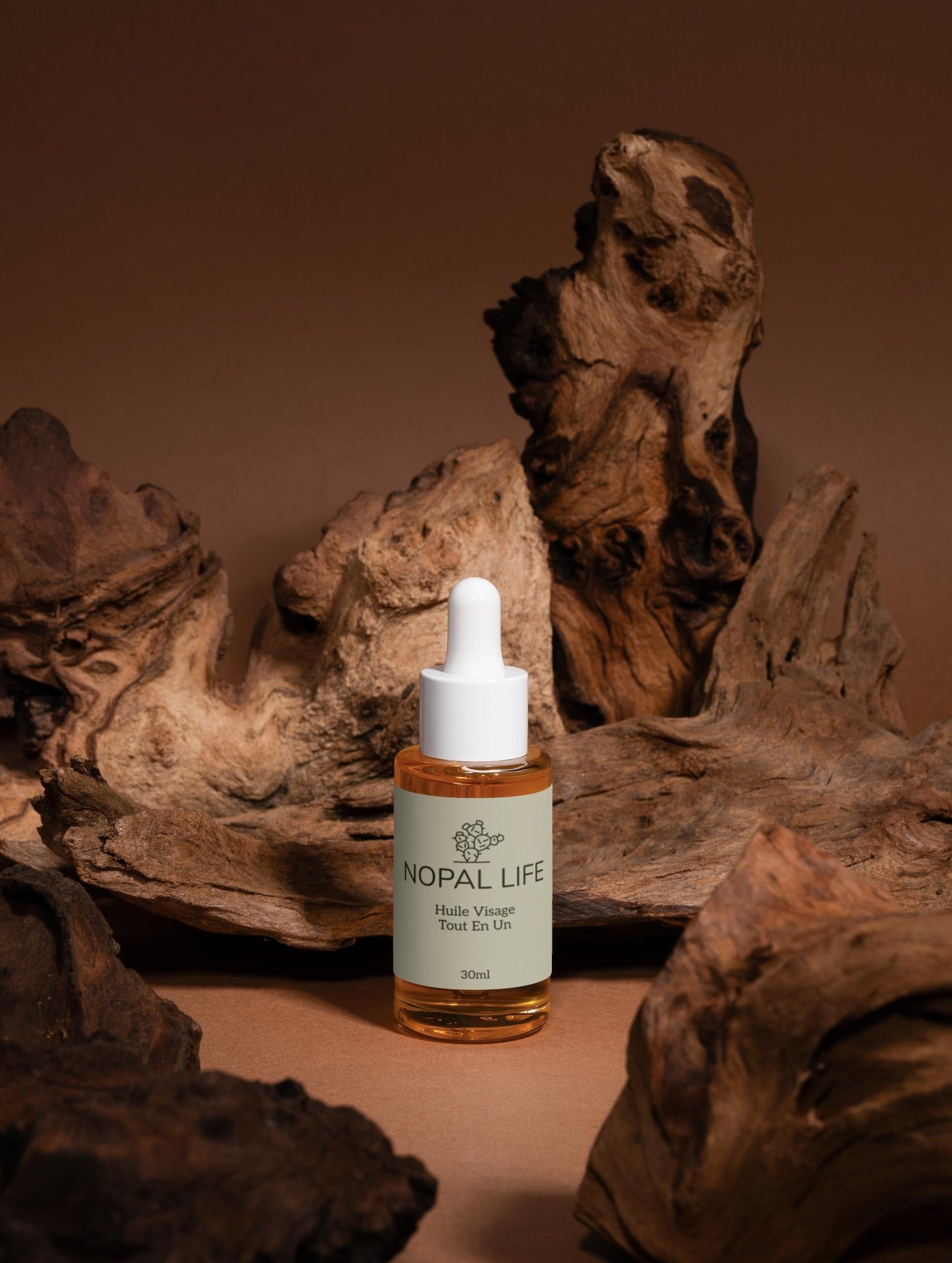
Most naturally contain vitamin E: argan, sunflower, prickly pear, jojoba. An oil applied as the last layer therefore provides it without having sought it out.
This is an economical way to cover this function, and it also seals in the retinoid applied beforehand. Two to three drops are enough for the entire face.
An oil that has gone rancid has lost its useful fraction. The smell is enough to know: it becomes pungent, very different from the neutral smell of a fresh oil.
According to your skin type
Dry skin: the ideal combination, with a rich cream or oil.
Oily skin: a light texture is sufficient, as tocopherol is present in most formulas.
Combination skin: the oily layer only on areas that feel tight.
Reactive skin: one month of vitamin E alone before introducing the retinoid.
Mistakes that cost results
Starting every night from the first week. Applying to damp skin. Using too much. Adding an exfoliating acid at the same time. And skipping sun protection in the morning.
These five mistakes explain almost all dropouts, and none are due to the products themselves.
Reading labels
Tocopherol appears under the mentions tocopherol or tocopheryl acetate. Its position at the end of the list is normal: it acts in low doses and also helps stabilize the formula.
For retinoids, look for the concentration: 0.1 to 0.3% at startup, 0.5 to 1% afterward. Without an announced figure, no comparison is possible.
Sun
Retinol increases sensitivity to ultraviolet rays. Daily sun protection is part of the protocol, including on days without application.
A note on usage
These products are cosmetic and improve the appearance of the skin without treating any condition. If pregnant or breastfeeding, avoid retinol until a healthcare professional tells you otherwise.
Why vitamin E is a good companion
It does not alter the action of retinol: it limits the oxidation of fatty substances applied over it and softens the finish. The same logic applies to a bakuchiol serum, where the oil at the end of the routine is applied once the serum has been absorbed.
Our anti-aging treatments