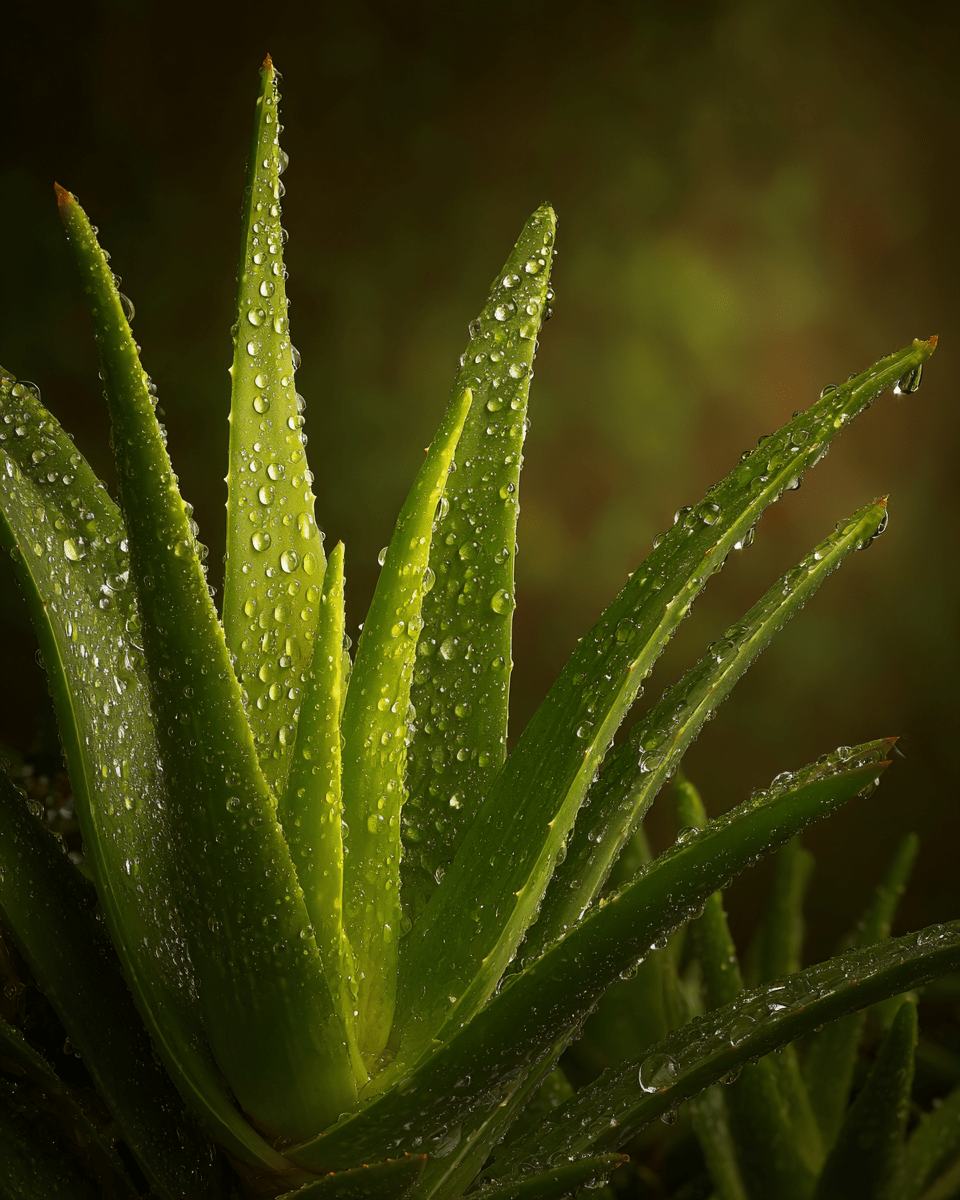
Aloe vera: biochemistry, safety, and exfoliation protocol
Aloe vera has fascinated people for millennia. From Egyptian papyri to modern cosmetic formulas, this desert succulent has endured through time, maintaining an intact reputation as a versatile and gentle active ingredient, cherished by skin that lacks radiance. However, a gap often exists between marketing claims and reality. This article untangles the truth from the fiction, explains how aloe vera is traditionally associated with comfort and the appearance of skin texture, and offers a gentle exfoliation protocol. If your skin is dull, combination, or uneven, you're exactly where you need to be.
Understanding an active ingredient before using it makes the difference between a product that pleases and one that disappoints. Aloe vera is no exception: used correctly, at the right concentration, in the right context, it becomes a central ally for a truly pleasant radiance and evenness routine.
Mechanisms of aloe vera on the skin: what biochemistry explains
Aloe vera gel is a complex matrix composed of over 98% water. The remainder consists of polysaccharides (especially acemannan), glycoproteins, vitamins C, E, and B-group vitamins, as well as minerals including zinc and magnesium. This rich composition explains the versatility of the active ingredient for dull and combination skin.
Hydrating and film-forming action. The polysaccharides in aloe vera form an invisible film on the surface of the epidermis. This film helps limit surface dehydration without occluding pores, making it an excellent hydrating care for combination skin that rejects rich textures. Well-hydrated skin diffuses light better: this is the first lever for improving dullness.
Soothing action. Aloe vera is traditionally recognized for providing a sensation of soothing and comfort to the skin. Concrete result: the skin appears more rested and the complexion gains a fresher appearance.
Smooth appearance and support for renewal. Coupled with the slightly exfoliating sensation provided by the gel, aloe vera supports the natural renewal of the skin's surface. Dead cells that dull the complexion are more easily eliminated during exfoliation, revealing a surface that appears smoother and more luminous — precisely the radiance and texture goals you are looking for.
Mattified appearance of shiny areas. For combination skin, aloe vera offers an additional benefit: its light texture helps to mattify the appearance of shiny areas without drying out normal to dry areas. The effect is gradual but real on the appearance of the T-zone.
What we know about aloe vera: benchmarks and safety
The popular enthusiasm for aloe vera is often poorly documented. Here are serious benchmarks to help you sort things out.
Aloe vera is among the most studied and widely used botanical active ingredients in cosmetics. It is appreciated for its compatibility with a wide variety of skin types and for its comfortable feeling upon application. Formulas readily combine it with other active ingredients for moisturizing and radiant-looking skin care, in both leave-on and rinse-off applications.
Aloe vera is appreciated for its gentleness, even on sensitive skin, and its comfortable feel in use. It is a benchmark botanical active, chosen as much for its pleasant texture as for its versatility in a routine.
Regarding safety, the INCI (International Nomenclature of Cosmetic Ingredients) lists aloe vera leaf extract (Aloe Barbadensis Leaf Juice) among the widely used active ingredients in rinse-off and leave-on formulas. Standard cosmetic forms are free of aloe-emodin (anthranone filtered out in standard cosmetic extracts).
What not to expect from aloe vera: promises of intense whitening, facial reshaping, or spectacular action. Aloe vera is a solid active ingredient — it is not a miracle. Its strength lies in its regular use and its compatibility with almost all phototypes and skin types, particularly the skin types targeted by aloe vera care.
Gentle aloe vera exfoliation protocol: weekly routine
Exfoliation is the central gesture to restore radiance to dull skin. If done incorrectly, it weakens the skin barrier. If done correctly — with aloe vera as a structuring active ingredient — it reveals a clear texture and natural radiance in a few weeks.
Recommended frequency. For combination to dull skin: maximum 2 times a week. During the maintenance phase (after 4-6 weeks): once a week is sufficient.
The 5-step protocol:
1. Gentle cleansing. Use a cleansing milk or oil. Exfoliation cannot work on skin laden with cosmetic residues or pollution. Rinse thoroughly.
2. Pure aloe vera gel as a preparatory layer. Apply a thin layer of aloe vera gel (at least 98% natural origin) all over the face. Leave on for 3-4 minutes. This step prepares the epidermis, hydrates surface cells, and initiates a soothing sensation before exfoliation.
3. Enzymatic or gentle acid exfoliation. Choose an exfoliant based on enzymes (papain, bromelain) or fruit acids with controlled pH (mandelic, lactic). Apply over the aloe layer, massage in gentle circles for 60 seconds, then rinse thoroughly with lukewarm water.
4. Activating serum. This is the time to apply a concentrated serum. Freshly exfoliated skin is more receptive to treatments. A collagen and hydration serum applied at this stage helps preserve a firm and plump appearance and complements the appearance-enhancing action of aloe vera.
5. Protective moisturizing cream. Finish with a cream suited to your skin type. In the morning, SPF is mandatory after exfoliation: freshly exfoliated skin is temporarily more sensitive to UV.
The 5 mistakes to absolutely avoid with aloe vera
Mistake 1: confusing commercial gel with pure gel. Many "aloe vera" products contain less than 5% extract, diluted in thickeners and preservatives. Read the INCI: Aloe Barbadensis Leaf Juice should be among the first 5 ingredients for a significant dosage.
Mistake 2: over-exfoliating, thinking it will accelerate results. Exfoliating daily weakens the skin microbiome, alters the lipid barrier, and paradoxically leads to duller, redder, and more reactive-looking skin. Regular, spaced-out exfoliation is more effective than accumulation.
Mistake 3: applying aloe vera to dry skin without occlusion. Aloe vera gel is a humectant: it draws water from the environment to the skin. In very dry weather or winter, without an occlusive cream on top, it can paradoxically leave a sensation of discomfort. Always seal with an emulsion or cream.
Mistake 4: neglecting SPF after exfoliation. Exfoliation removes superficial layers that absorb some UV. Freshly exfoliated skin is more susceptible to sun damage. SPF 30 minimum, even on cloudy days, is non-negotiable in this protocol.
Mistake 5: expecting results in 48 hours. Natural skin surface renewal takes an average of 28 days (longer for mature skin). The first visible effects — smoother-feeling texture, improved radiance — generally appear between the 2nd and 4th week of regular use. Patience is the first condition for success.
Aloe vera, a central ally for natural care for combination and dull skin
Aloe vera is not a niche active ingredient reserved for minimalist formulas. It is a fundamental of pleasant cosmetics, popular for decades, compatible with the most advanced formulations, and perfectly suited for combination and dull skin seeking to regain its natural radiance without disturbing its balance.
Its complementarity with other active ingredients is appreciated: it pairs well with vitamins C and E (antioxidants), combines with hydrating actives (hyaluronic acid, betaine), and provides a sensation of comfort that moderates the potential reactivity felt with acid exfoliants. In other words, aloe vera is not just a standalone treatment — it is a facilitator that enhances your entire personalized routine.
For combination skin in particular, aloe vera addresses a delicate equation: hydrating dry areas without weighing down oily areas, helping to even out complexion appearance without occluding, supporting natural skin renewal without discomfort. Few natural active ingredients offer such a wide spectrum with such a comfortable sensation.
Integrated into a coherent routine — cleansing, gentle exfoliation, targeted serum, protection — aloe vera helps dull and textured skin regain a complexion that appears unified, plump, and luminous. That is the promise, week after week.
FAQ — Aloe vera and skincare routine
Is aloe vera suitable for all skin types?
Yes, in its standard cosmetic form (without aloe-emodin). Even sensitive and reactive skin generally tolerates aloe vera very well. Rare cases of discomfort concern individuals reactive to plants of the Liliaceae family — a prior patch test in the crook of the elbow is recommended if in doubt.
Can aloe vera be used morning and night?
Yes, as a hydrating base under treatments. However, the exfoliation protocol only applies once or twice a week. Pure gel as a light hydrating layer can be used twice a day without restriction.
Can aloe vera replace a moisturizer?
Partially. Aloe vera gel is an excellent humectant but lacks emollients and occlusive agents necessary for complete hydration. For combination skin, it may be sufficient in summer or in humid environments. In winter or for normal to dry skin, a complementary cream is still necessary to seal in moisture.
How long before seeing results on dull complexion?
The first texture improvements (skin feeling smoother to the touch) are noticeable within 10-14 days. Visible radiance and a more even complexion generally appear between the 3rd and 6th week of regular use. Consistency is the key factor.
Can aloe vera be used for blemishes?
Yes, with caution. Aloe vera provides a light purifying and soothing sensation that can help calm the appearance of blemish-prone areas. It is non-comedogenic. However, it does not replace a targeted treatment for marked blemishes: in such cases, seek advice from a healthcare professional.
How to choose a good aloe vera product?
Check the INCI: Aloe Barbadensis Leaf Juice (leaf juice, richer in active ingredients) or Aloe Barbadensis Leaf Extract. Position in the list: ideally before the 5th ingredient. Ideal concentration for a noticeable effect: between 20% and 50%. Avoid products where aloe is mentioned on the packaging but absent from the top 10 of the INCI.
Does aloe vera improve the appearance of dark spots?
Aloe vera is more recognized for helping to even out the overall complexion and revive overall radiance than for acting on localized spots. For targeted work on the visible appearance of spots, other active ingredients like niacinamide or vitamin C are often preferred. Aloe primarily acts on the overall radiance of the appearance.
Can pure aloe vera be applied directly extracted from a fresh plant?
Yes, but with caution. Fresh gel contains aloe-emodin (anthranone), a potentially irritating and photosensitizing compound present in the yellow sap. Avoid collecting the yellow sap, rinse the extracted gel thoroughly, and do not apply it before sun exposure. Cosmetic extracts are filtered and standardized to eliminate this risk.
Why choose Nopal Life for sensitive and reactive skin
Sensitive skin needs doubly selected ingredients: adapted to their target, but perfectly tolerated by a weakened barrier. Nopal Life formulates its sensitive skin care products without perfume, destabilizing alcohol, or aggressive preservatives. Organic aloe vera, prickly pear oil, and prebiotics constitute the soothing triptych of our range, designed to help the skin regain comfort and balance, and preserve the appearance of calm skin.
From the first applications, the skin appears less reactive, more comfortable, and visibly soothed. Discover the protocol adapted to your sensitivity with our free diagnostic.
PERSONALIZED ROUTINE
Nopal Life Skin Intelligence™
Free diagnostic · 2 minutes
DISCOVER MY ROUTINE →Read more
Information provided for cosmetic and educational purposes; it does not constitute medical advice.


Go further than this article
Get our skincare guides by email — and start with your free skin diagnostic: 2 minutes, advice tailored to your skin. We ship to the US, UK, Canada, Australia and 27 European countries; somewhere else? Sign up and you will be the first to know when we deliver to your country.
By signing up, you agree to our privacy policy. Unsubscribe in one click.