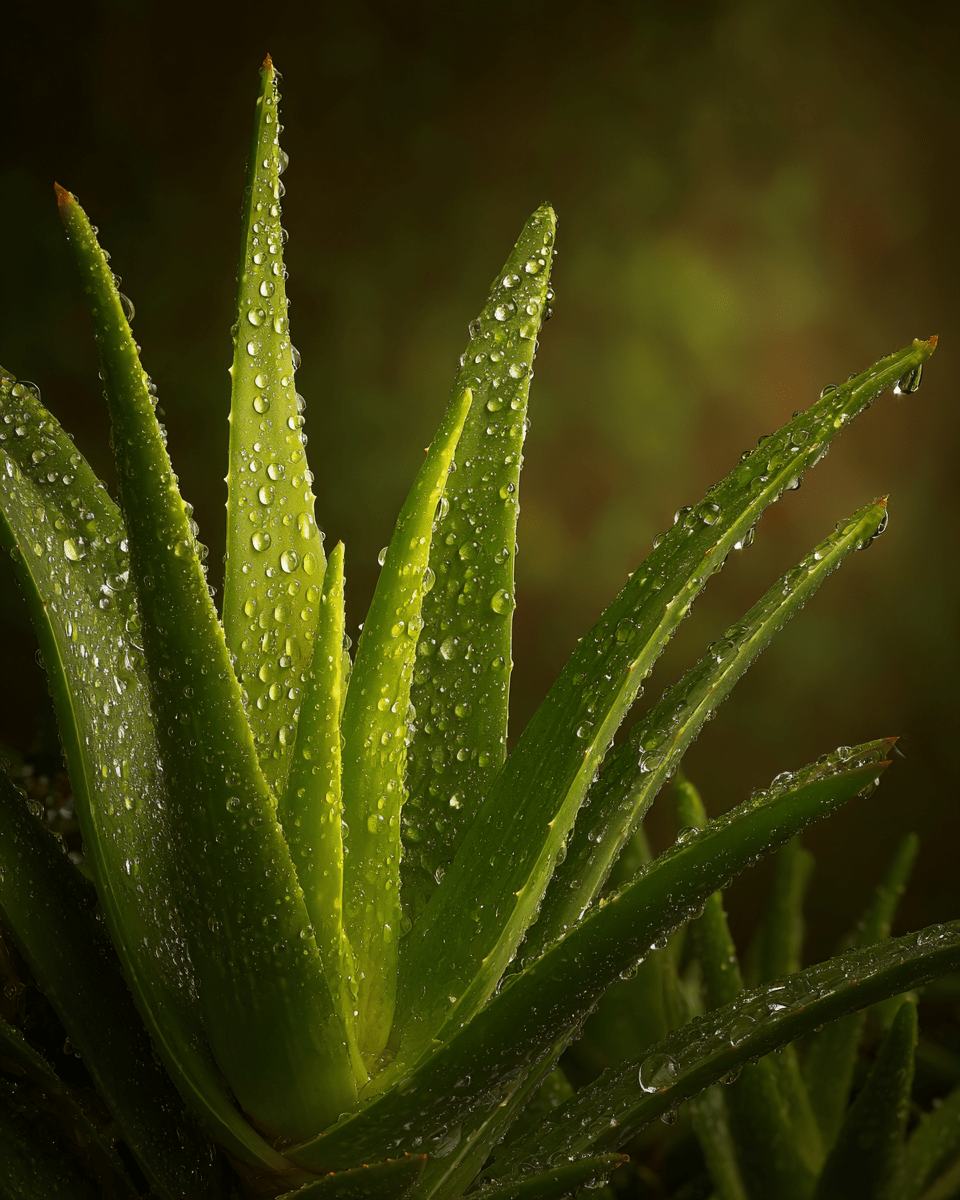
Aloe vera: Acemannan and dull and combination skin
Choosing the right active ingredients is already taking care of your skin. Aloe vera: here's the complete guide to this ingredient — cosmetic properties, application techniques, synergies — to integrate it effectively into your ritual.
Aloe vera, an ancient plant for dull and combination skin
Aloe vera (Aloe barbadensis miller) is one of the most documented cosmetic plants in the world. Used for over 6,000 years in Ayurvedic tradition, ancient Egypt, and Chinese tradition, it is now a reference ingredient in natural skincare. Its translucent gel, extracted from fleshy leaves, is rich in numerous cosmetic compounds: polysaccharides, vitamins, minerals, and amino acids. For dull and combination skin seeking radiance, refined texture, and freshness, aloe vera is a popular base for a cosmetic and respectful routine.
Far from being a simple moisturizer, aloe vera supports skin comfort and contributes to a luminous and even complexion. Knowing its composition better allows it to be integrated into a truly adapted radiance & uniformity routine for your skin type.
Acemannan: the key polysaccharide of aloe vera gel
Among the compounds of aloe vera, acemannan stands out as one of the plant's emblematic polysaccharides. This high molecular weight compound is valued in cosmetics for its moisturizing qualities and its affinity with the superficial layers of the skin, where it helps preserve comfort and suppleness.
Acemannan is traditionally valued for its film-forming and soothing properties in cosmetic application. For combination and dull skin, this translates into a smoother surface appearance, a more even look, and better perceived tolerance when using exfoliating active ingredients that accompany the routine.
Acemannan also plays a humectant role: it helps retain water in the superficial layers and maintain a comfortable feeling of hydration, an important condition for the skin to maintain a beautiful appearance. Well-hydrated skin reflects light better, appears smoother, and less dull.
Vitamins and freshness: the duo for radiance and a renewed appearance
Aloe vera contains natural enzymes that contribute to the surface softness felt upon application. The gel leaves a clean and fresh feeling on combination skin, helping to reduce the dull and uneven appearance of the skin surface.
In terms of vitamins, aloe vera provides:
- Vitamin C (ascorbate): a prized antioxidant active ingredient that supports complexion radiance. It helps even out the appearance of the complexion, especially on combination skin prone to visible irregularities.
- Vitamin E (tocopherol): lipophilic, it is recognized for its antioxidant properties and supports skin comfort, complementing vitamin C.
- Vitamins B1, B2, B6, and folic acid: present in the gel, they contribute to the cosmetic richness of aloe vera and skin comfort.
- Beta-carotene: it contributes to the richness of the composition and supports the appearance of a more even surface texture.
This natural combination explains why aloe vera is particularly valuable in a radiance & uniformity routine: it prepares the skin to receive subsequent active ingredients, while providing comfort and freshness to dull skin itself.
Aloe vera and combination skin: skin balance and comfort
Combination skin is characterized by an oily T-zone (forehead, nose, chin) and normal to dry cheeks. This heterogeneity complicates the choice of care products: too nourishing, they saturate the T-zone; too drying, they weaken the cheeks. Aloe vera helps reconcile these needs thanks to its aqueous texture and light composition.
The organic acids present in the gel provide a feeling of freshness and cleanliness appreciated by combination skin, and contribute to daily skin comfort.
Furthermore, aloe vera polysaccharides are valued for their affinity with the skin: they support the comfort of the surface ecosystem and contribute to a feeling of balance. Comfortable and soothed skin appears less prone to redness, for an even and luminous complexion.
The comfort of shiny areas also comes from the plant sterols (campesterol, beta-sitosterol, lupeol) contained in aloe vera. These soothing compounds help mattify the appearance of shiny areas and preserve a feeling of balance, without drying out the skin — which would be counterproductive for its natural comfort.
How to integrate aloe vera into a radiance & uniformity routine
Aloe vera can be integrated into several steps of a routine targeting radiance and uniformity. For dull and combination skin, the optimal sequence follows the principle of molecular weight stratification: the lightest and most aqueous active ingredients first, the richest last.
Morning:
- Gentle cleanser: prefer a sulfate-free cleansing gel to preserve the hydrolipidic film.
- Aloe vera tonic: apply a hydrosol or essence containing pure aloe vera gel to prepare the skin for the reception of subsequent active ingredients.
- Active serum: a collagen and hydration serum complements and amplifies the action of aloe vera by targeting the appearance of skin bounce and visible firmness.
- SPF 30 minimum: essential to protect the skin and support daily radiance.
Evening:
- Double cleansing: cleansing oil then cleansing gel.
- Enzymatic exfoliant (2-3 times/week): to refine the surface appearance and prepare the skin for subsequent active ingredients.
- Concentrated aloe vera serum or pure gel applied to damp skin.
- Light night cream based on prickly pear oil, rich in essential fatty acids and vitamin E, to seal in hydration.
Consistency is key: the effects of aloe vera on radiance and texture are not immediate — a protocol of 4 to 6 weeks is necessary to observe a visible and lasting improvement in complexion evenness.
Mistakes to avoid with aloe vera in skincare
Despite its reputation as a universal and risk-free ingredient, aloe vera can be misused and lead to disappointing results, or even cause undesirable reactions.
1. Using denatured industrial gel. The majority of aloe vera gels sold in supermarkets contain less than 10% pure gel, supplemented with water, synthetic thickeners (carbomer), aggressive preservatives (methylparaben), and dyes. These products do not provide the benefits described above. Always check that Aloe barbadensis leaf juice or Aloe barbadensis leaf gel appears in the first or second position on the INCI list.
2. Applying aloe vera to dry skin without then moisturizing. Like any humectant, aloe vera attracts water — including that present on the surface if the ambient air is dry. Without light occlusion (emollient or cream), it can paradoxically leave a feeling of discomfort.
3. Ignoring potential sensitivities. Most reactions to aloe vera are associated with aloin, a substance present in the yellow latex of the leaf (between the gel and the outer skin). A properly prepared gel should be free of aloin. For first-time use, perform a tolerance test in the crook of the elbow 24 hours before facial application.
4. Combining aloe vera with strong acids without precaution. Aloe vera has a natural pH of 3.5 to 4.5, compatible with exfoliating acids (AHAs/BHAs). However, some very concentrated acid formulations can alter the heat-sensitive enzymes of aloe. Always start with aloe vera before applying your chemical exfoliant.
5. Neglecting preservation. Pure aloe vera gel, without preservatives, degrades very quickly (24 to 48 hours at room temperature). If using fresh gel from cultivated leaves, store it in the refrigerator and do not exceed 72 hours of use.
6. Expecting immediate results on spots. Aloe vera gradually helps reduce the visible appearance of spots — its contribution remains gentle and progressive. For very visible spots, it benefits from being combined with other active ingredients targeting complexion appearance for a perceptible long-term result. To personalize your approach, discover your skin profile with the Nopal Life Skin Intelligence™ diagnostic.
Why choose Nopal Life for sensitive and reactive skin
Sensitive skin needs doubly selected ingredients: effective on their target, but perfectly tolerated by a fragile barrier. Nopal Life formulates its sensitive skin care products without perfume, destabilizing alcohol, and aggressive preservatives. Organic aloe vera, prickly pear oil, and prebiotics form the soothing triptych of our range that helps preserve barrier comfort, soothe feelings of discomfort, and support skin balance.
From the first applications, the skin is less reactive, more comfortable, and visibly soothed. Discover the protocol adapted to your sensitivity with our free diagnostic.
PERSONALIZED ROUTINE
Nopal Life Skin Intelligence™
Free diagnostic · 2 minutes
DISCOVER MY ROUTINE →FAQ — Aloe vera and skincare: your frequently asked questions
Is aloe vera suitable for all skin types?
Aloe vera is suitable for the vast majority of skin types — dry, combination, oily, sensitive — thanks to its light texture and soothing properties. However, very sensitive or reactive skin should perform a prior tolerance test, as reactions (rare but possible) have been reported, mainly related to the presence of aloin in poor quality formulations.
Can I apply pure aloe vera gel directly to my face?
Yes, provided the gel is cosmetic grade, properly filtered (aloin-free), and stored under good conditions. Pure gel is particularly appreciated as an express 15-minute mask on clean skin, or as a first treatment after sun exposure to soothe discomfort and quickly refresh.
Can aloe vera replace my moisturizer?
No. Aloe vera is an excellent humectant (it attracts and retains water), but it does not have sufficient occlusive properties to replace a moisturizing emulsion. It should be followed by a cream or rich serum to seal in hydration, especially in winter or in air-conditioned environments.
How long before I see results on skin radiance?
The first effects (softer skin, slightly brighter complexion) are often noticeable after 1 to 2 weeks of regular use. Significant improvements in texture and complexion uniformity generally require 4 to 6 weeks. Consistency in application is more important than frequency.
Is aloe vera compatible with vitamin C?
Yes, and this combination is even synergistic. Vitamin C (especially in the form of ascorbate) benefits from the slightly acidic environment of aloe vera which supports its action on complexion radiance. Apply aloe vera first, then your vitamin C serum. This synergy is particularly appreciated in a radiance and uniformity routine.
What is the difference between Aloe barbadensis miller and other aloe species?
There are over 500 species of aloe, but only Aloe barbadensis miller has the optimal concentration of acemannan and cosmetically relevant active ingredients. Other species (notably Aloe ferox) are richer in aloin and less suitable for topical cosmetic use. Always check the species name on the INCI label.
How to choose a good serum that incorporates aloe vera for combination skin?
Look for a serum that lists Aloe barbadensis leaf juice among the first 5 ingredients, combined with complementary active ingredients such as hyaluronic acid (hydration), niacinamide (appearance of shiny areas), or peptides (appearance of skin bounce). The Nopal Life Collagen Hydration Skin Bounce Serum perfectly illustrates this multi-target approach for combination skin seeking to regain radiance and visible elasticity simultaneously.
Does aloe vera help reduce enlarged pores?
Aloe vera helps reduce the appearance of enlarged pores by combining its mild astringent action, its help in mattifying the appearance of shiny areas via plant sterols, and its refreshing surface effect. Pores that appear less prominent and an improved surface texture create an optical "shrinking" effect of the pores, even if the genetic size of the follicles does not change.
To go further in your routine and precisely identify the active ingredients best suited to your unique skin profile, explore the Nopal Life Skin Intelligence™ diagnostic — a free tool that analyzes your needs in 3 minutes and guides you towards the most suitable care for your dull or combination skin.
Also discover our Collagen Hydration Skin Bounce Serum, designed to amplify the benefits of aloe vera in a complete radiance routine.
Read more
Information provided for cosmetic and educational purposes; it does not constitute medical advice.


Go further than this article
Get our skincare guides by email — and start with your free skin diagnostic: 2 minutes, advice tailored to your skin. We ship to the US, UK, Canada, Australia and 27 European countries; somewhere else? Sign up and you will be the first to know when we deliver to your country.
By signing up, you agree to our privacy policy. Unsubscribe in one click.