Even complexion: regaining a radiant and regular complexion
A glowing complexion isn't just for vacation mornings. Even skin tone: here's how to revive your skin's natural radiance, methodically and with pleasure — the NOPAL LIFE Beauty Lab spirit.
Skin Tone Appearance: Understanding What Influences Its Uniformity
An even-looking skin tone is visually characterized by a homogeneous coloration and a regular distribution of skin shades. Melanin is the pigment that gives skin its natural color. Depending on the phototypes, the skin's base color varies, but it is primarily the visible regularity of pigment distribution that gives the complexion its uniform appearance. The apparent irregularity of this distribution — rather than the total amount of pigment — is often what is most noticeable to the eye across all phototypes.
Various daily factors — irritation, sun exposure, friction, hormonal variations — can lead to a less homogeneous skin tone appearance. Taking these into account helps to better understand visible skin tone irregularities.
Types of Skin Marks: Recognizing Them to Better Choose Your Skincare
Not all skin marks look the same to the eye, which calls for differentiated cosmetic approaches. Results require patience and consistency, especially without strict sun protection. Marks associated with aging (often called sun spots) appear mainly on areas long exposed to the sun and present as more colored and circumscribed areas. Marks that follow irritation (friction, blemish, insect bite) correspond to a change in the skin's appearance in the affected area.
Freckles (ephelides) are genetic in origin — a local sensitivity to the sun — and are nothing to worry about. They require no particular care, unlike more pronounced concerns like melasma or sun spots. Knowing how to distinguish these aspects helps in choosing the right cosmetic active ingredients.
Unifying Actives: Presentation and Cosmetic Uses
Cosmetics offer several active ingredients known to help unify the appearance of skin tone. Niacinamide (vitamin B3, 4–5%) is appreciated for its comfort and progressive action (8 to 12 weeks), without noticeable discomfort. Kojic acid, derived from mushrooms, is traditionally used in unifying skincare; its stability in formulation and potential for sensitization can limit its use. Arbutin (alpha-arbutin preferably over beta-arbutin) is a well-tolerated ingredient appreciated for helping to reduce the visible appearance of spots. Ellagic acid (present in pomegranates and raspberries) and resveratrol are also valued in skin tone unifying cosmetics. Stabilized vitamin C is a benchmark antioxidant, often associated with a brighter and more homogeneous-looking complexion.
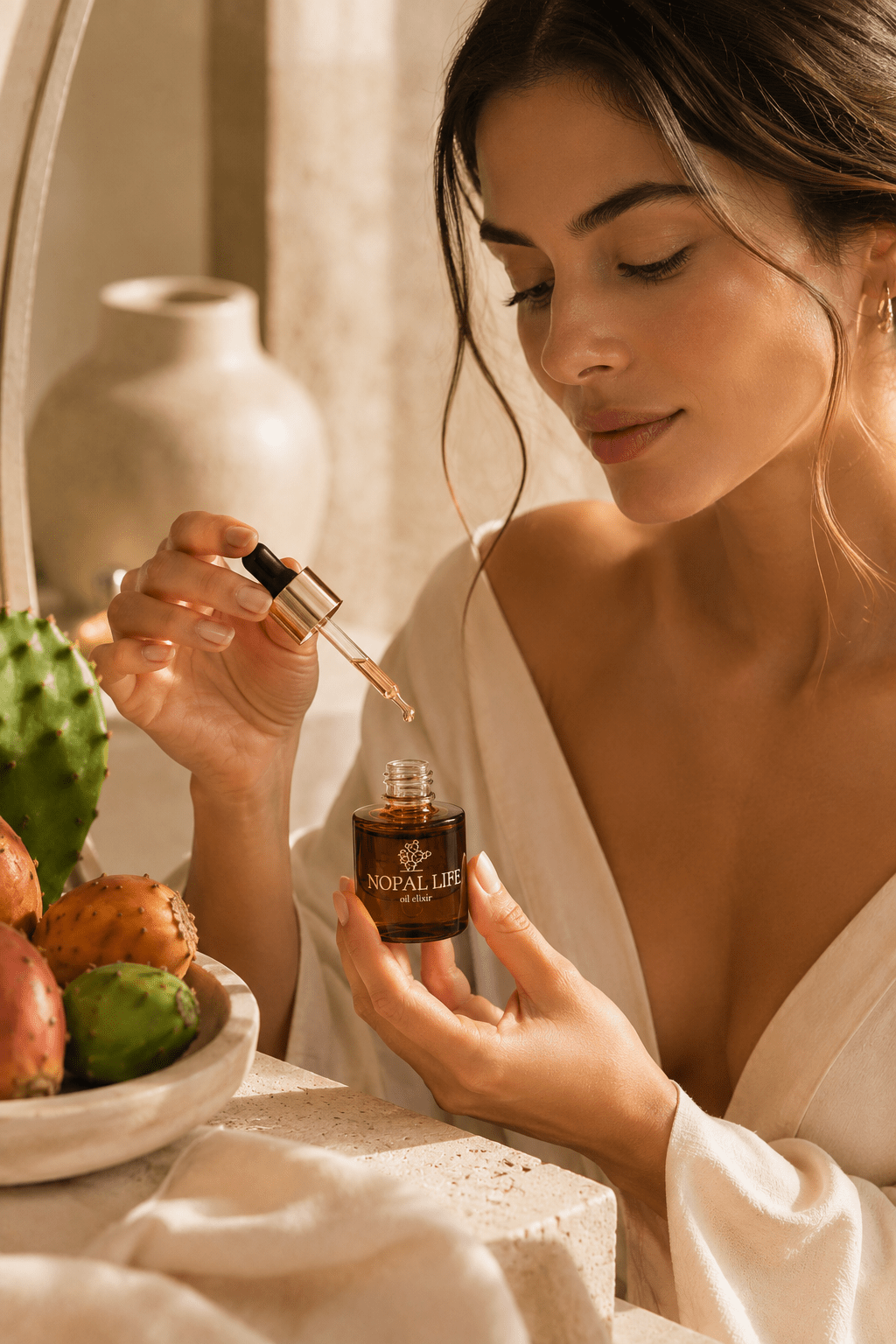
Linoleic acid — present at 48.4% in Nopal Life prickly pear seed oil (lot 2026) — is a natural component appreciated for helping to unify the appearance of skin tone and reduce the visible appearance of marks. This cosmetic use is particularly interesting for marks related to irritation and for the overall visible uniformity of the complexion.
Mistakes to Avoid for a Uniform-Looking Complexion
Certain historical substances have been banned in cosmetics in Europe since 2001 (directive 76/768/EEC). Turn to better-tolerated cosmetic active ingredients: arbutin, kojic acid, niacinamide.
Neglecting photoprotection during a unifying treatment. All unifying active ingredients will have their visible benefits compromised if the skin is re-exposed to the sun without protection. The sun promotes the return of a pigmented appearance, and the skin can regain in a few days the appearance that one sought to reduce over several weeks. A mineral SPF 50+ is recommended daily (UVA rays penetrate windows).
Confusing dull complexion with pigmented appearance. A dull complexion without visible marks is often linked to an accumulation of old cells on the surface, poor microcirculation, or lack of hydration — not an excess of pigment. Gentle exfoliation and hydration are then the right answers, rather than unifying active ingredients.
Under-soothing deeper marks. Some melasma and persistent marks have a deeper component, less accessible to superficial cosmetic care.
Unifying Radiance Routine: Products and Application Order
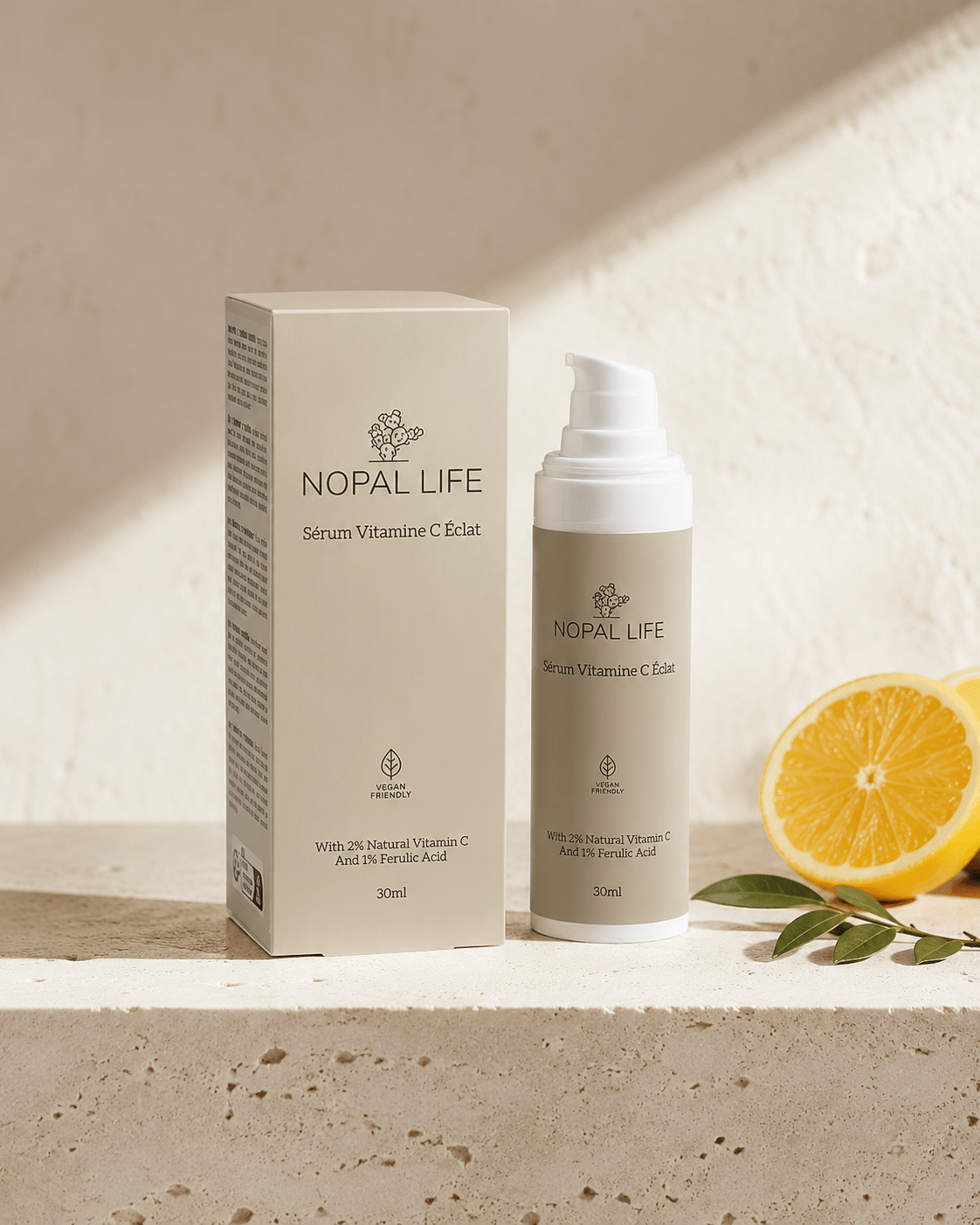
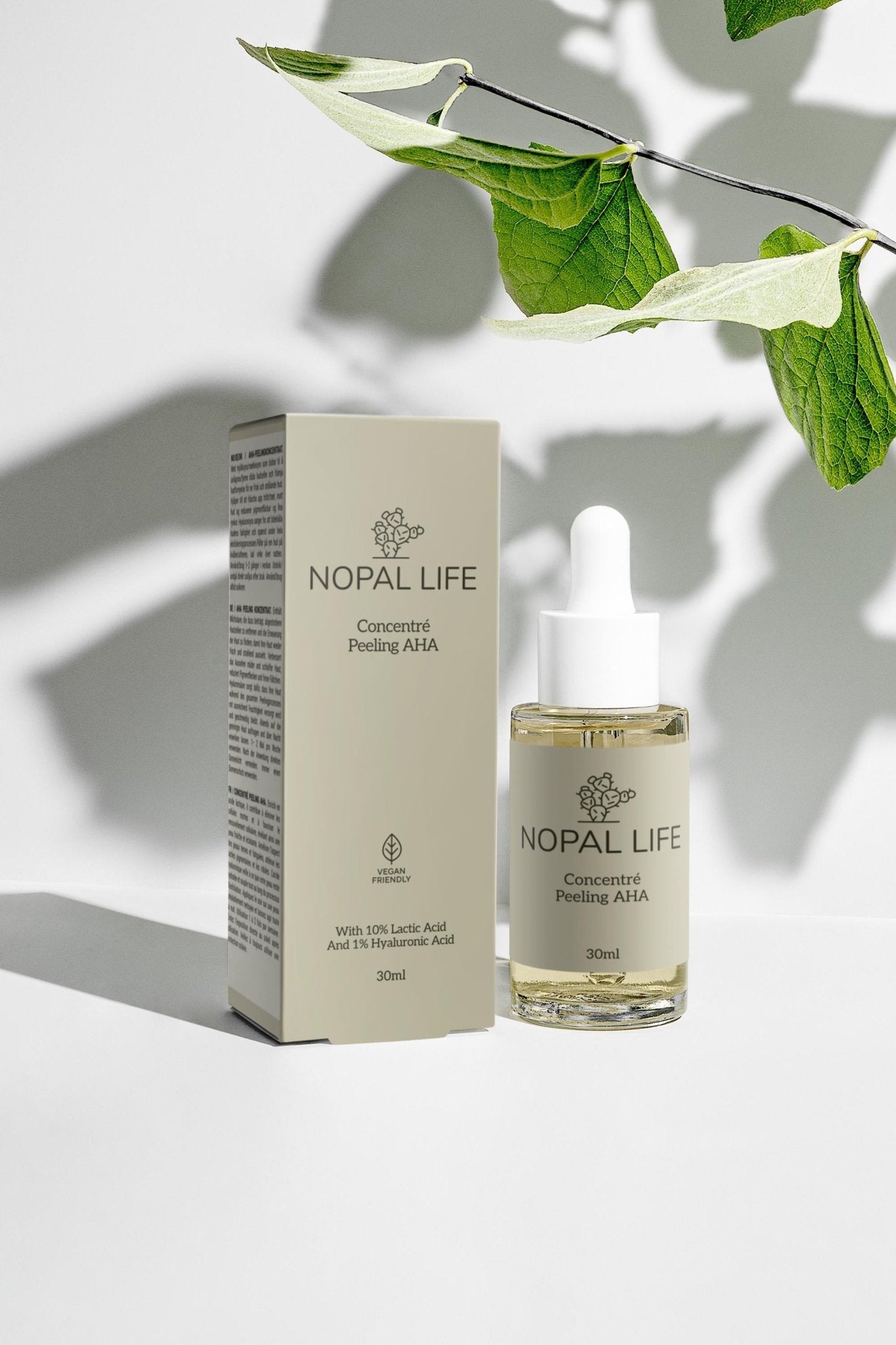
An effective routine to promote a uniform-looking complexion is based on five elements. Morning: gentle cleansing (syndets or oil cleanser), stabilized vitamin C serum 12–15% (main active for unified appearance and antioxidant comfort), Nopal Life prickly pear seed oil 3 drops (linoleic acid + gamma-tocopherol: double unifying and antioxidant asset), mineral SPF 50+. Evening: double cleansing, niacinamide 5% + alpha-arbutin 1% serum (in appearance synergy), azelaic acid 10% on marked areas (optional), 4–5 drops of pure prickly pear seed oil in a light veil. Twice a week: AHA exfoliant (glycolic acid 5–8% or mandelic 10%) to free the surface from old cells and support the skin's natural renewal.
Regularity and patience are the two essential conditions. Localized treatment (unifying active applied only to the mark) can help with isolated areas, but for an overall uniform complexion, the complete daily routine makes the difference. In 8 to 12 weeks, the appearance of most light imperfections or sun marks visibly fades with this protocol.
The Nopal Life Approach to an Even Skin Tone: Natural and Lasting Radiance
At Nopal Life, our philosophy of an even skin tone is based on three pillars: prevention (SPF + daily antioxidants to help preserve skin appearance against the sun), action (linoleic acid from prickly pear seed oil + vitamin C to help unify the visible aspect of the complexion), and renewal (gentle regular exfoliation to support the skin's natural renewal). This triple approach is gentler than aggressive unifying treatments, and it simultaneously supports skin texture, hydration, and antioxidant comfort — an overall appearance benefit that unifying active ingredients alone do not offer. Our online skin diagnosis identifies the predominant type of marks in your case and recommends the most appropriate combination of active ingredients for your phototype and specific concerns.
Frequently Asked Questions — Even Skin Tone
How long does it take to unify the appearance of skin tone with natural skincare?
Between 8 and 16 weeks depending on the appearance of the marks and the consistency of the routine. Recent surface marks (imperfections, light sun exposure) show visible improvement in 6 to 8 weeks. Deeper or older marks (melasma, prominent sun spots) require 3 to 6 months of consistent care, sometimes supplemented by a dermatologist's opinion.
Can prickly pear seed oil help achieve a more even skin tone?
Yes, it is appreciated in cosmetics for two reasons: its linoleic acid (48.4% in our lot 2026) helps unify the visible appearance of the complexion, and its gamma-tocopherol provides comfort to skin prone to irritation marks. It is not an aggressive product but a progressive and respectful unifying active for the skin's appearance.
Can the appearance of melasma completely fade?
In the most superficial forms, a very significant improvement in appearance (up to a marked visible fading) is possible with strict sun protection, appropriate unifying active ingredients, and time. Deeper forms respond less well to superficial cosmetic care and require dermatological advice (specialized techniques).
Can several unifying active ingredients be used at the same time?
Yes, and it's even beneficial — active ingredients that act on different aspects of the complexion complement each other (multi-target approach). The combination of niacinamide + vitamin C + arbutin + linoleic acid is appreciated as effective on appearance and well-tolerated for the vast majority of phototypes.
Are natural unifying active ingredients sufficient for pronounced marks?
For light to moderate marks, yes, with patience and consistency. For pronounced, deep, or extensive marks (severe melasma, multiple spots), the combination of cosmetic care + dermatological advice yields the most visible results.
Can niacinamide and vitamin C be used together?
Yes, contrary to popular belief, their combination is not a problem in well-designed formulas. At cosmetic concentrations (vitamin C < 15%, niacinamide 5%), the combination is not only compatible but complementary for a unified complexion appearance and antioxidant comfort.
Pure Prickly Pear Seed Oil
Linoleic acid to help unify skin tone appearance + soothing gamma-tocopherol — your skin's natural radiance.
Discover the oilFree Skin Diagnosis
Identify your skin's marks and get the unifying protocol adapted to your phototype.
Take the diagnosisRead more
Information provided for cosmetic and educational purposes; it does not constitute medical advice.
Our anti-aging treatments