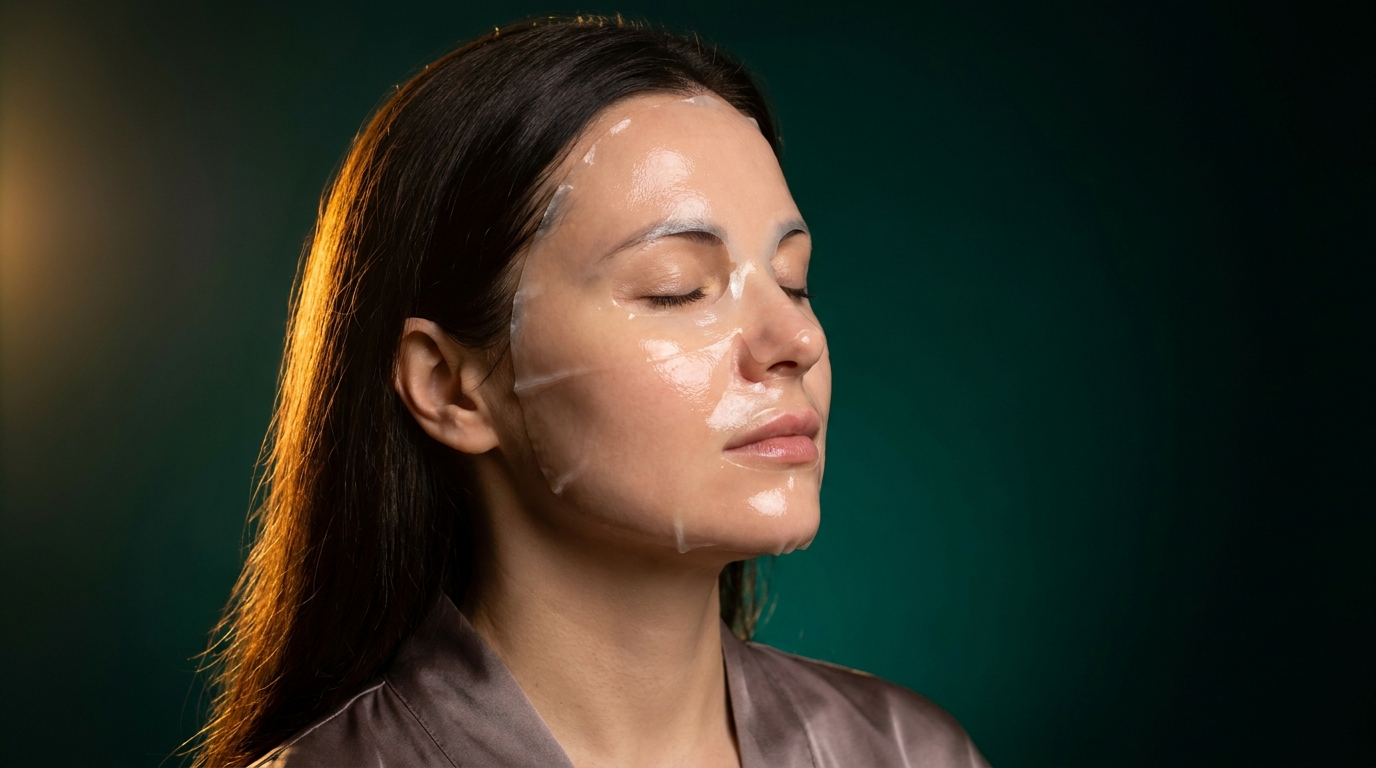
Gentle facial cleanser: how to recognize the right formula
The gentleness of a cleanser is measured after rinsing, not during lathering. A well-chosen product removes the daily film with minimal interaction with the proteins and lipids of the stratum corneum. The formula, temperature, and contact time form a single system.
Choosing a gentle face cleanser relies on observable criteria, reproducible doses, and continued tolerance over time.
The word "gentle" does not have a single definition on the packaging. Therefore, you need to look for clues: a blend of surfactants, a slightly acidic pH, the absence of fragrance if the skin reacts, and the possible presence of lipid-replenishing agents.
The brick-and-mortar model explains tolerance
Corneocytes act as bricks, while intercellular lipids form the mortar. Aggressive washing extracts some of this mortar and alters the proteins. The surface then becomes less flexible and allows more water vapor to diffuse.
A low-interaction product limits this extraction. Polymers can increase the size of surfactant assemblies and reduce their penetration into the stratum corneum.
The module on the skin barrier delves deeper into this architecture.
Syndet, milk, and oil: choosing based on the film to be removed
A syndet is a classic soap-free cleanser, formulated with synthetic or plant-derived surfactants. A milk contains more oil phase and is removed with water or cotton. An oil effectively dissolves filters and makeup.
Gentleness does not depend solely on the category. An oil with a lot of fragrance can be bothersome, while a well-formulated syndet can be very well tolerated.
The product must correspond to the actual film: light makeup requires less detergency than a water-resistant sunscreen.
An acidic pH supports surface enzymes
Several enzymes involved in lipid organization function better in a slightly acidic environment. Alkaline soaps strongly raise the pH after use. A cleanser with a pH around 4.5 to 5.5 is generally more consistent with the face.
The return to the initial pH is not instantaneous. Frequent washing can prolong the disturbance, especially on mature or dry skin.
The page on skin pH specifies variations by area and measurement methods.
The fifteen-minute test
After rinsing, apply nothing for fifteen minutes during the first trial. Note the tightness, redness, shine, and feel to the touch. This delay better reveals the behavior than the glide created by water.
A clear tightness indicates that the dose, contact time, or cleansing system is too intense. A heavy film may signal insufficient rinsing or a very lipid-replenishing formula.
Repeat the test for three days rather than concluding after a single use.
Protocol for fragile or mature skin
Use lukewarm water, a pea-sized amount of product, and twenty seconds of massage. Avoid sponges, brushes, and mitts. Pat dry with a soft towel reserved for the face, without lateral movement.
- Cleanse mainly in the evening.
- In the morning, try a simple rinse.
- Avoid fragrances if the skin stings.
- Apply an emulsion to still slightly damp skin.
- Reduce frequency before adding a richer product.
| Formula indicator | What it suggests | What it doesn't prove |
| pH 5 | Compatibility with the acid mantle | Absolute gentleness |
| Amphoterics | Often a moderate blend | Absence of individual reaction |
| Fragrance-free | Fewer odorous compounds | Minimalist formula |
| Lipid-replenishing agents | Comfort after rinsing | Removal of waterproof makeup |
Oily skin: more cleansing is not always helpful
A shiny surface can encourage washing three or four times a day. This frequency increases exposure to surfactants without permanently altering sebaceous gland activity. Two washes at most are usually sufficient.
A light film of lipids is normal. Seeking a totally dry feel often leads to a formula that is too strong. The oily skin guide proposes a routine that limits stripping.
Mattifying should come from the entire routine, not from repeated washing.
Sensitive skin: distinguishing stinging from effectiveness
A stinging sensation does not indicate that a product works better. It can signal an inadequate pH, a fragrance, a poorly tolerated preservative, or an already compromised barrier. Skin that reacts to water alone deserves a very simple routine.
The sensitive skin protocol advises introducing only one change at a time. In case of persistent redness, significant itching, or lesions, professional advice is necessary.
Cleansing should become almost imperceptible once rinsed.
Measurable criteria for low-interaction washing
A gentle face cleanser often uses surfactants like sodium cocoyl glutamate, coco-glucoside, decyl glucoside, or cocamidopropyl betaine in a balanced blend. The presence of a single ingredient is not enough to classify the formula: concentration, pH, and combination matter. A syndet with a pH of 5 to 6 is generally closer to the acid mantle than an alkaline solid soap. Abundant foam is not an indicator of gentleness or effectiveness.
The dose of a gentle face cleanser corresponds to a pea-sized amount or one pump. Wet the face with lukewarm water, spread the product between your hands, massage for fifteen to twenty seconds, and rinse for ten seconds. Avoid rough mitts and daily brushes. For dry or mature skin, cleanse mainly in the evening. In the morning, a water rinse or a small amount on the T-zone may suffice depending on the film present.
A gentle face cleanser for sensitive skin may contain glycerin, betaine, panthenol, or colloidal oatmeal. An oil or milk is suitable for removing sunscreen and light makeup; a gel is better for watery textures and combination skin. For stubborn makeup, a first oil cleanser followed by a very gentle gel avoids prolonged rubbing. Double cleansing is only useful if it truly removes two types of residues.
The gentle face cleanser test is performed fifteen minutes after rinsing, without applying any other product. Note tightness, redness, stinging, and roughness from 0 to 5. Repeat for seven days with the same dose. Skin that feels tight at 4 out of 5 for three consecutive days indicates that the product, frequency, or water temperature needs to change. Oily skin can also be uncomfortable; oil production does not prove that the barrier tolerates washing.
Keep the gentle face cleanser closed, away from the shower spray, and do not dilute the bottle with water. A pump dispenser limits contamination and stabilizes the dose. If the formula contains fragrance, test it on a small area first. After washing, within two minutes, apply a humectant serum or a suitable cream to reduce evaporation. This step often matters more than adding a sophisticated active ingredient in a rinse-off product.
Differentiating immediate gentleness and repeated tolerance
A product may seem gentle on the first wash thanks to texturizing agents, yet become uncomfortable after two daily uses. Tolerance is therefore judged over seven to fourteen days. Maintain the same duration, water temperature, and towel. Note the presence of flakes around the nose, the sensation on the cheeks, and the time until shine appears. A truly gentle formula maintains a stable result without requiring a very thick layer of cream immediately after each wash.
For mature skin, reduce frequency rather than looking for an even foamier product. For sensitive skin, avoid fragrance, menthol, and essential oils. For combination skin, distribute the dose: more on the forehead and nose, less on the cheeks. For dehydrated skin, apply a serum containing glycerin or sodium PCA after rinsing, then an emulsion. If an area remains persistently red or itchy, stop new active ingredients and seek professional advice.
Drying after rinsing is part of the protocol. Use a dedicated towel, washed at least twice a week, and pat rather than rub. Wait less than two minutes before moisturizing. On very dry skin, apply cream while the surface is still slightly damp. On combination skin, use a pea-sized amount on the forehead and a full pea-sized amount distributed on the cheeks and neck.
If the product contains salicylic acid or another exfoliating active ingredient, consider it an active cleanser and not a neutral base. Start every other evening, especially on sensitive skin. A rinse-off product is exposed for less time than a serum, but repeated use can add to the effects of a retinol or an acid left on the skin. Separate uses and observe tolerance for a week.
Full low-interaction protocol. Wet the face with lukewarm water, dispense 0.3 to 0.5 ml of product into the palm, emulsify for five seconds, then massage for ten to fifteen seconds. Rinse completely, pat dry, and apply a pea-sized amount of cream within three minutes.
A syndet often combines cocamidopropyl betaine, sodium cocoyl glutamate, or decyl glucoside. A milk uses more emollients and is removed with a damp cotton pad or water. An oil dissolves makeup and SPF before emulsifying. The right format depends on the film to be removed.
For dry skin, cleanse mainly in the evening and simply rinse with water or use a very simple lotion in the morning if the skin tolerates it. For oily skin, two short washes are better than one prolonged stripping. For sensitive skin, choose a fragrance-free formula and limit the water temperature to about 30 °C.
| Format | Surfactants | Time | Usage |
| Syndet | Amphoterics/non-ionics | 15 s | Daily |
| Milk | Low rinse | 20 s | Dry skin |
| Oil | Emulsifiable | 30 s | Makeup/SPF |
Perform the fifteen-minute test for three days: after rinsing, apply nothing. Note tightness, stinging, redness, and need for cream. A truly gentle product remains comfortable with repeated use, not just for the first thirty seconds.
To remove stubborn sunscreen, pour a teaspoon of cleansing oil into your palm, massage for thirty seconds on dry skin, add a little water, emulsify until it turns milky, then rinse. Finish with a pea-sized amount of syndet if a film persists.
Glycerin, betaine, panthenol, and amino acids can reduce the feeling of tightness. Ceramides make more sense in a leave-on product, as a cleanser is in contact for less than a minute. The entire formula matters more than a single highlighted ingredient.
Avoid daily rotating brushes, rough mitts, and damp sponges. Wash your hands before your face and dry the towel between uses. Change it two to three times a week.
Skin pH is often around 4.5 to 5.5. An alkaline soap can temporarily increase this pH. A formula close to physiological acidity helps limit this shift, but pH alone does not guarantee tolerance.
For mature skin, choose a milk or cream syndet with squalane, glycerin, and fatty alcohols. Use a measured dose, rinse quickly, and then apply an emulsion containing ceramides, cholesterol, and fatty acids. This sequence reduces unnecessary steps.
For blemish-prone skin, do not aim for a squeaky-clean sensation. Overly aggressive washing can increase discomfort and complicate the use of active ingredients like salicylic acid or niacinamide. Keep the rinse-off product simple and place the active ingredient in the next step.
INCI audit in four lines. First, identify the surfactants, then humectants like glycerin, then texture agents like cetearyl alcohol, and finally fragrance and odorous allergens. This reading avoids judging gentleness based on a single marketing claim.
A system combining sodium cocoyl glutamate, cocamidopropyl betaine, and decyl glucoside can offer moderate foam. A sodium coco sulfate base will often be more detergent. The actual concentration is not visible in the INCI, but the order of ingredients provides a clue.
Comparative test over one week. Use product A for three evenings, take a break for one evening, then use product B for three evenings. Use the same water, the same towel, and the same cream. Note tightness at five, fifteen, and sixty minutes.
Also measure the quantity. A pump often dispenses between 0.2 and 0.5 ml. Weigh five pumps on a kitchen scale, divide by five, and then use a stable dose. Overdosing can turn a tolerated formula into an overly stripping wash.
For dry skin, a single evening use is often sufficient. For combination skin, cleanse in the morning only if a real oily film is present. For oily skin, two short washes are better than three prolonged washes.
After exercise, rinse off sweat and use half a dose if SPF or makeup needs to be removed. Avoid very hot water. Pat dry, then apply a gel-cream with 3 to 5% niacinamide if this concentration is well tolerated.
In the morning, very dry skin can simply use lukewarm water. In the evening, first remove makeup with an oil, emulsify for thirty seconds, rinse, then decide if a second step is necessary. The feel to the touch guides better than automatic habit.
Compatibility with leave-on active ingredients. If the routine contains retinol, glycolic acid, or salicylic acid, choose an even simpler wash. Use 0.3 ml for ten seconds, rinse, then wait until the skin is dry before the active ingredient. A stripping base combined with an exfoliant increases the risk of discomfort.
For the eye area, do not lather directly on the eyelids. Remove makeup with a suitable product, then let the rinse water run over without firm massage. Then apply a rice-sized amount of gel-cream to the orbital bone.
Hard water management. Water rich in calcium and magnesium can leave a residue. Rinse briefly, dry without delay, and apply a simple lotion or cream within three minutes. Avoid multiplying scented mists, which add ingredients without reducing mineral residue.
For mature skin, primarily observe suppleness after an hour. For oily skin, measure shine after two hours. For sensitive skin, note stinging immediately and then at fifteen minutes. Three distinct indicators avoid summarizing tolerance to a single sensation.
An airless bottle or pump limits contamination. Do not dilute the product in the container. Clean the nozzle once a week with a clean cloth and keep the bottle out of the shower if water regularly gets into it.
In the evening, the shortest sequence is often the clearest: oil if necessary, gentle syndet, cream. Then add only one active ingredient for two weeks. This method allows you to identify what improves comfort and what causes a reaction.
What a very gentle cleansing product does not do
It does not necessarily leave skin matte for eight hours and does not eliminate all blackheads. Its role is to remove the film without adding unnecessary disturbance.
It does not replace a specific makeup remover if mascara or sunscreen is stubborn. Insisting with a gentle product for two minutes can ultimately be more aggressive than a quick initial oil phase.
Gentleness is a low-interaction strategy, not a promise of results for all facial concerns.



Go further than this article
Get our skincare guides by email — and start with your free skin diagnostic: 2 minutes, advice tailored to your skin. We ship to the US, UK, Canada, Australia and 27 European countries; somewhere else? Sign up and you will be the first to know when we deliver to your country.
By signing up, you agree to our privacy policy. Unsubscribe in one click.