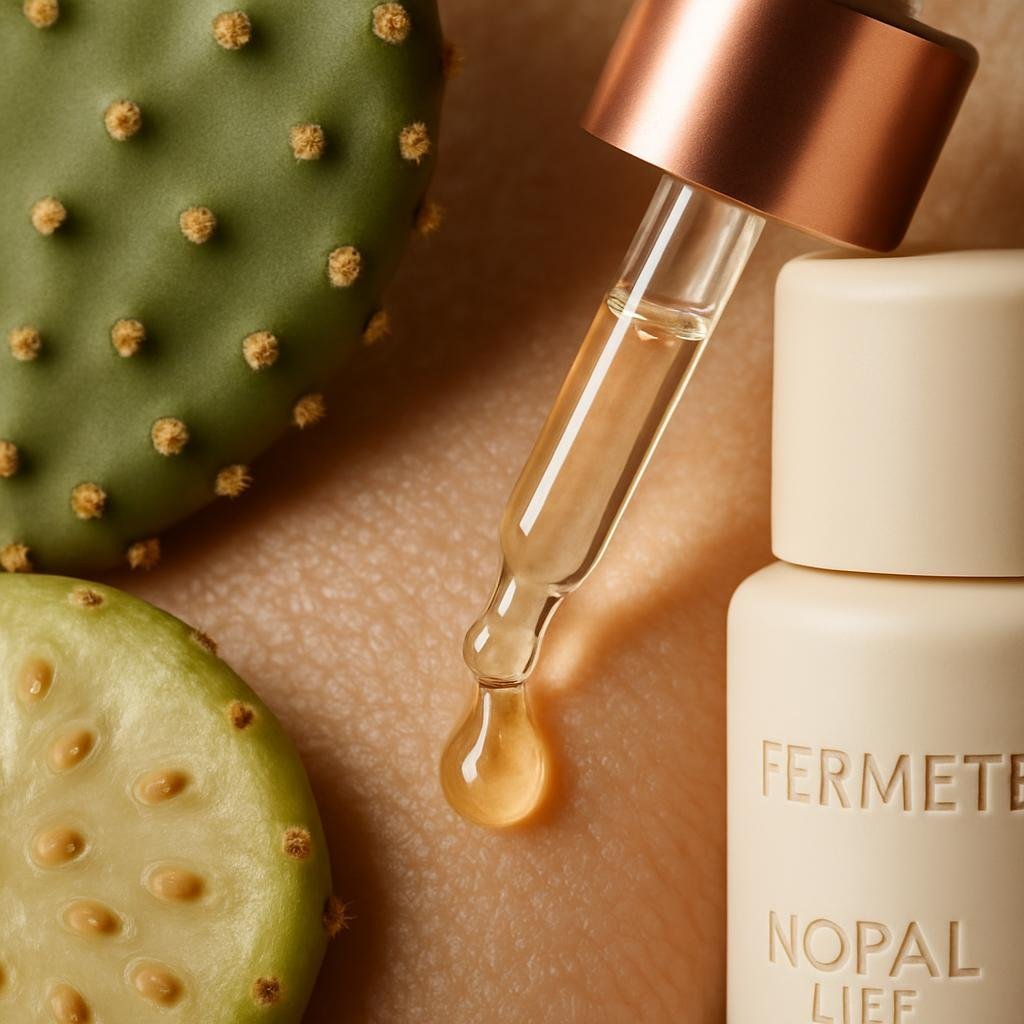
Dry and sensitive skin routine: how to recognize it
Incorrectly identifying your skin type can lead to unsuitable care: lack of hydration, discomfort, excess sebum, or increased sensitivity. Conversely, a well-targeted routine allows you to preserve the skin's radiance, suppleness, and quality, while also acting on fine lines and wrinkles.
Over time, skin changes and its needs become more specific. However, a common confusion often persists: mature skin does not mean dry skin. Mature skin can be dry, combination, or sensitive, and each skin type requires a tailored routine to effectively address the signs of ageing.
Misidentifying your skin type can lead to inappropriate care: lack of hydration, discomfort, excess sebum, or increased sensitivity. Conversely, a well-targeted routine helps preserve the skin's radiance, suppleness, and quality, while also addressing wrinkles and fine lines.
So, how do you recognize your skin type when it becomes mature? Which active ingredients should you prioritize based on your profile? And what routine should you adopt with natural anti-ageing products?
Mature Skin: Understanding its Specifics
A Natural Evolution of the Skin
With age, several mechanisms slow down:
- decrease in collagen
- reduction in Hyaluronic Acid
- loss of essential lipids.
👉 This leads to:
- a loss of firmness
- wrinkles and fine lines
- more fragile skin.
Why Skin Type Remains Crucial
Even when mature, the skin retains its nature:
- dry → lack of lipids
- combination → oily and dry areas
- sensitive → increased reactivity.
👉 Adapting your routine is essential to avoid imbalances.
How to Recognize Dry Mature Skin?
Characteristic Signs
- tightness sensations
- lack of suppleness
- thin and fragile skin
- fine lines accentuated by dehydration.
Specific Needs
- intense nourishment
- lasting hydration
- strengthening of the skin barrier.
Recommended Routine for Dry Mature Skin
Morning and Evening:
- Gentle non-aggressive cleanser
- Hydrating serum (hyaluronic acid + Aloe vera)
- Rich nourishing cream
- Prickly pear oil (a few drops).
👉 This routine provides comfort, suppleness, and protection.
Key Active Ingredients
- hyaluronic acid (hydration)
- Ceramides (skin barrier)
- vegetable oils (nourishment)
- prickly pear (antioxidant and regenerating).

|
 
|
 
|
How to Recognize Combination Mature Skin?
Characteristic Signs
- slightly oily T-zone
- drier cheeks
- visible pores
- localized first wrinkles.
Specific Needs
- balance sebum production
- hydrate without heaviness
- preserve radiance.
Recommended Routine for Combination Mature Skin
Morning:
- Gentle cleanser
- Light hydrating serum
- Balancing fluid cream
Evening:
- Cleansing
- Serum
- Light cream + a few drops of oil if needed.
👉 The goal is not to overload the skin.
Key Active Ingredients
- aloe vera (light hydration)
- hyaluronic acid
- vitamins C (radiance)
- light vegetable oils.
 |
 |
 |
How to Recognize Sensitive Mature Skin?
Characteristic Signs
- redness
- discomfort
- reactivity to products
- thin and fragile skin.
Specific Needs
- soothe
- protect
- strengthen skin tolerance.
Recommended Routine for Sensitive Mature Skin
Morning and Evening:
- Ultra-gentle cleanser
- Soothing serum
- Protective cream
- Vegetable oil as a supplement.
👉 The goal is to limit aggressions.
Key Active Ingredients
- Aloe vera (soothing)
- prebiotics (microbiome balance)
- ceramides (protection)
- gentle vegetable oils.
 |
 |

|
Why Adapting Your Routine is Essential for Anti-Ageing?
Improved Efficacy of Treatments
An adapted routine allows you to:
- target real needs
- optimize results
- avoid imbalances.
Preserving Skin Quality Over Time
By respecting the skin type, we:
- limit irritations
- improve comfort
- slow down the appearance of signs of ageing.
Common Mistakes to Avoid
Thinking All Mature Skin is Dry
This is the most common mistake.
Using the Same Products All Year Round
Needs evolve.
Multiplying Active Ingredients
This can weaken the skin.
Neglecting to Listen to Your Skin
Sensations are a key indicator.
Expert Advice for Choosing Your Skincare
To build an effective routine:
- clearly identify your skin type
- choose certified organic natural products
- prioritize complementary active ingredients
- adapt your routine over time.
👉 A well-targeted routine is more effective than a standard one.
FAQ – Mature Skin and Skin Type
Is mature skin always dry?
No, it can be dry, combination, or sensitive.
Can your skin type change with age?
Skin evolves, but its nature generally remains the same.
Should you use oils on combination skin?
Yes, in small amounts and adapted ones.
Can sensitive skin use anti-ageing active ingredients?
Yes, by prioritizing gentle active ingredients.
How to know if a routine is suitable?
The skin should feel comfortable and balanced.
Conclusion
Recognizing your skin type, even as it matures, is an essential step to adopting an effective anti-ageing routine. Dry, combination, or sensitive skin: each profile requires specific care, capable of meeting its needs while respecting its balance.
By prioritizing natural active ingredients, adapted routines, and a progressive approach, it is possible to support the skin over time, while improving its comfort, radiance, and suppleness. A personalized approach, at the heart of a fairer and more effective anti-ageing strategy.


Go further than this article
Get our skincare guides by email — and start with your free skin diagnostic: 2 minutes, advice tailored to your skin. We ship to the US, UK, Canada, Australia and 27 European countries; somewhere else? Sign up and you will be the first to know when we deliver to your country.
By signing up, you agree to our privacy policy. Unsubscribe in one click.