Homemade facial scrub for mature skin: the radiance guide
Why does mature skin lose its radiance?
As we age, the skin's natural renewal process slows down. For a 20-year-old, the surface cell cycle lasts about 28 days. After 50, this can extend to 45 or even 60 days. The result: dead skin cells accumulate on the surface, creating a thickened layer that dulls the complexion, accentuates micro-reliefs, and makes the skin rougher to the touch. This phenomenon is exacerbated by the gradual decrease in surface lipids, which act as a binder. With age, the reduction in ceramides weakens the barrier function, making gentle and regular exfoliation all the more useful for maintaining an even and radiant complexion. Exfoliation is not a cosmetic luxury reserved for spa rituals. It is a functional step that supports the skin over time. By gently removing accumulated dead cells, the skin's surface is cleared, moisturizers are better absorbed, and the complexion's radiance is revived. The visible result is quick: the complexion becomes more even, fine lines appear less prominent, and the skin regains a smoother texture.Gentle AHA and BHA: What are the differences for mature skin?
Fruit acids, or AHAs (alpha-hydroxy acids), are the most suitable chemical exfoliation tool for mature skin. Glycolic acid (sugar cane), lactic acid (milk or fermentation), and mandelic acid (bitter almonds) help detach surface cells, facilitating their natural desquamation. Their advantage for mature skin: they help reveal a firmer and smoother-looking complexion. Lactic acid has a valuable peculiarity: it is also hygroscopic, meaning it attracts ambient moisture and retains it in the superficial layers of the epidermis. BHAs (beta-hydroxy acids), primarily salicylic acid, are oil-soluble. They penetrate sebum to help decongest the appearance of pores. For mature, non-oily skin, they are less relevant for daily use but can be useful occasionally on combination-prone areas (sides of the nose, forehead). At gentle concentrations (0.5 to 1%), they integrate well into a versatile routine without risk of discomfort. The golden rule for mature skin: prioritize moderate concentrations (5 to 10% AHA) rather than high-concentration formulas. Efficacy is not proportional to dose; it is proportional to regularity and good skin tolerance.Adapted exfoliation protocol: frequency, texture, application
For mature skin, a gentle chemical exfoliant applied twice a week represents the optimal rhythm in most cases, when well-tolerated. More frequent application risks compromising the integrity of the hydrolipidic film, causing redness and accentuating dryness. A lower frequency (once a week) is preferable for very reactive skin or during periods of sensitivity (after sun exposure, stress, seasonal changes). Evening is the recommended time for chemical exfoliation, for two reasons: the skin is in nighttime rest mode, and immediate UV exposure, which can amplify sun sensitivity induced by AHAs, is avoided. Apply the product after cleansing, on clean, slightly damp skin. Leave on for 10 to 20 minutes depending on tolerance before applying the rest of your routine. Never layer a retinol on the same evening as a concentrated AHA, to avoid over-exfoliation. For gentle mechanical exfoliation (fine granular scrub), limit use to once a week maximum, with very light circular movements, without firm rubbing. Papaya or pineapple enzymes offer a gentle alternative, suitable for reactive skin that does not tolerate AHAs.Mistakes to avoid when exfoliating mature skin
Over-exfoliating: This is the most common mistake. Using a concentrated AHA every day, or combining chemical exfoliation and mechanical scrubbing in the same week, weakens the skin barrier, causes persistent redness, hypersensitivity, and, paradoxically, accentuates the tired appearance of the skin. Mature skin is less resilient than young skin: it takes longer to recover. Neglecting sun protection: AHAs increase the skin's sun sensitivity for several days after application. Not applying at least SPF 30 after an exfoliation session carries the risk of accentuating the appearance of dark spots, which are common on mature skin. UV exposure without protection after an AHA also accentuates the visible effects of oxidative stress. Exfoliating already uncomfortable or damaged skin: In case of sunburn, very reactive skin in an uncomfortable phase, or wounds, suspend all exfoliation until the skin returns to normal. Exfoliation is a maintenance treatment, not a treatment for damaged skin; if in doubt, seek professional medical advice. Using overly abrasive exfoliants: Scrubs made from crushed kernels (apricot, coconut) have irregular edges that can mark the epidermis. Prefer jojoba beads, fine sugars, or enzymatic exfoliants. Not moisturizing afterwards: Exfoliation temporarily opens the skin surface and amplifies water loss (TEWL). Never finish an exfoliation session without immediately applying a moisturizing and nourishing treatment.Exfoliation and perceived firmness
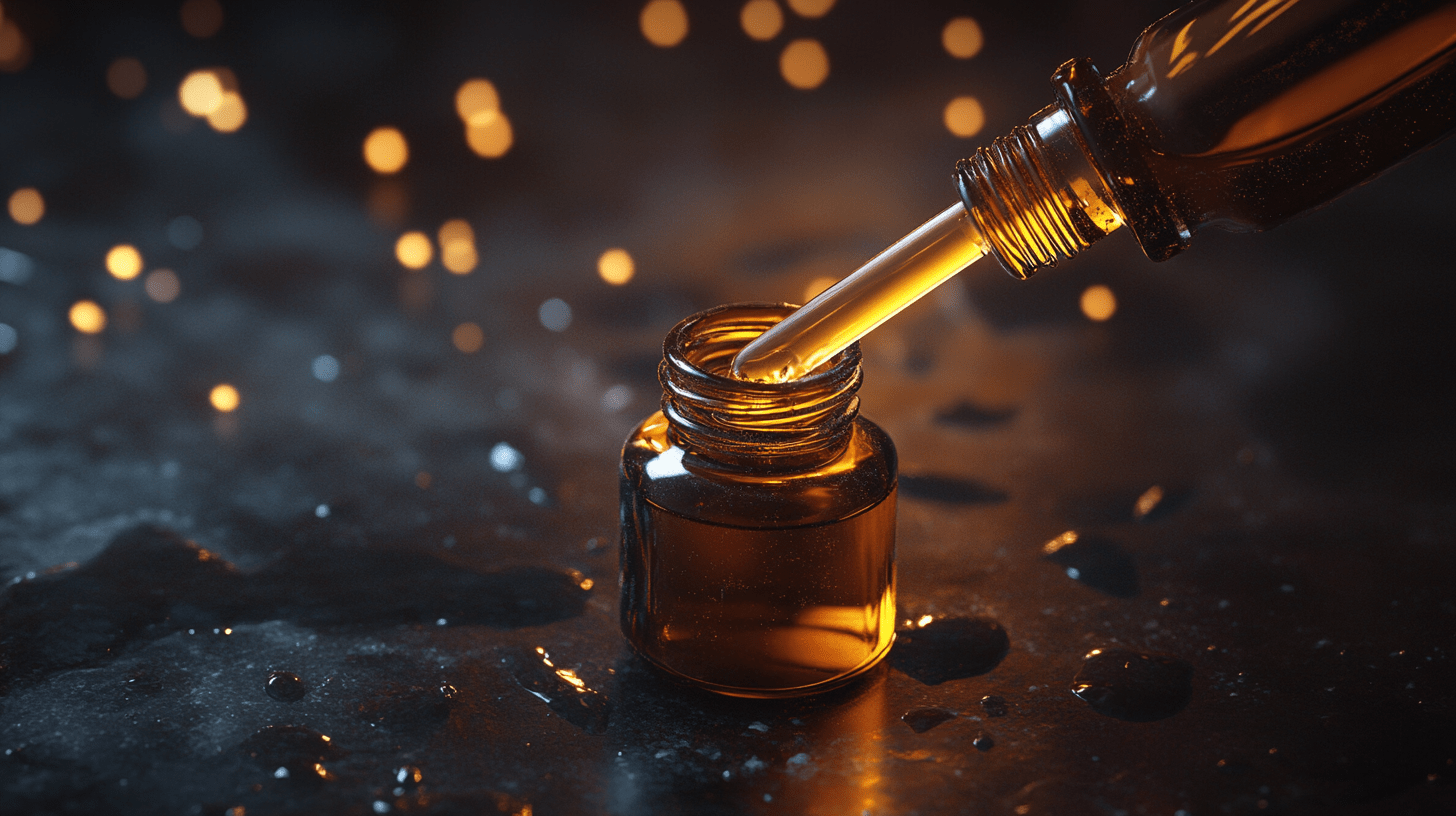
One of the lesser-known benefits of regular exfoliation is its effect on perceived firmness. By supporting the skin's natural renewal, a regular exfoliation routine maintained for 8 to 12 weeks helps reveal a more toned and smoother-looking complexion. Glycolic acid is the most appreciated AHA for this perceived effect. Prickly pear seed oil, rich in essential fatty acids (especially linoleic acid) and tocopherols, perfectly complements this protocol: it does not replace the exfoliant, but nourishes and comforts the skin barrier after each session, promoting optimal recovery and prolonged radiance.Chemical, mechanical, or enzymatic exfoliant: which face scrub to choose?
Not all face exfoliants are created equal, and the right choice depends primarily on your skin type. There are three main families of facial exfoliating treatments, each with its way of eliminating accumulated dead cells on the skin's surface.Mechanical scrub
Mechanical scrubs smooth the skin's surface thanks to a more or less fine grain: exfoliating rice powder, jojoba micro-beads, almond powder. For mature skin, an ultra-gentle grain that respects the hydrolipidic film and does not aggress the skin's texture is preferred.Chemical exfoliants (AHA and BHA)
Chemical exfoliants work without friction. AHAs, like glycolic and lactic acid, loosen the bonds between dead cells and revive radiance; BHA, the best known of which is salicylic acid, penetrates pores and is suitable for combination skin. These are the most popular exfoliating treatments for refining skin texture and visually tightening pores.Enzymatic exfoliation
Fruit enzymes (papaya, pineapple) offer very gentle facial exfoliation, without grains or acids. This is the ideal option for sensitive skin that cannot tolerate a classic facial exfoliant. This comparison summarizes the essentials for each family:| Exfoliant Family | Main Active Ingredient | Gentle Dosage (mature skin) | Recommended Frequency | Key Precaution |
|---|---|---|---|---|
| Mechanical | Rice powder, jojoba beads, almond powder | Ultra-fine grain, no acid | Once a week | Avoid crushed apricot or coconut kernels |
| Chemical AHA | Glycolic, lactic, mandelic acids | 5 to 10% | Up to twice a week, in the evening | Never with retinol on the same evening |
| Chemical BHA | Salicylic acid | 0.5 to 1% | Occasional, combination areas | Localized use (sides of nose, forehead) |
| Enzymatic | Papaya, pineapple enzymes | No acid or grain | Every 10 days | Ideal for sensitive and reactive skin |
Exfoliation and pores: restoring refined skin texture
By removing dead cells from the surface, an exfoliating treatment helps to unclog pores and smooth skin texture. An exfoliating cleanser, used occasionally after makeup removal, helps keep pores looking clear without stripping the skin. However, keep a simple rule in mind: exfoliating facial skin requires more delicacy than body skin, as it is thinner and more reactive. Overly abrasive facial exfoliants accentuate dehydration and weaken the skin barrier.How often should you exfoliate your face according to your skin type?
Exfoliation frequency depends on skin type. One to two times a week is suitable for most skin types; mature skin, being thinner, should adapt the rhythm to its tolerance. The goal is not to exfoliate more, but better: excessive facial scrubbing or chemical exfoliants exhaust the skin instead of revealing it.- Normal to combination skin: 2 times a week, alternating gentle scrub and chemical exfoliant.
- Mature or dry skin: 1 time a week for a mechanical scrub, up to 2 times for a well-tolerated gentle chemical exfoliant, always with a nourishing treatment that supports natural renewal.
- Sensitive skin: every 10 days, enzymatic exfoliation only.
Gentle homemade scrub for mature skin: three fine-grain recipes
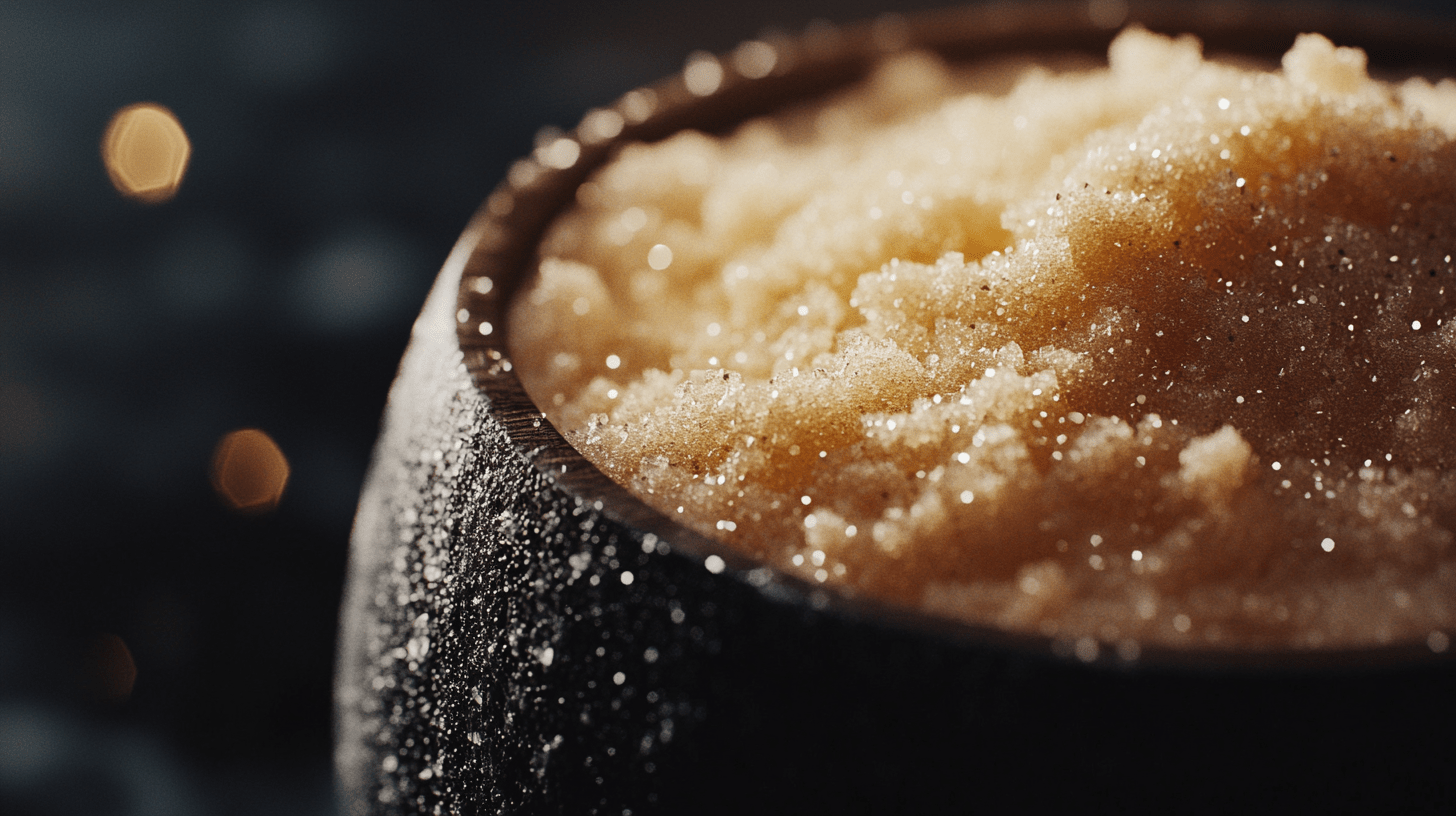
Looking for a homemade face scrub for mature skin? Homemade cosmetics are very effective for skin that is losing its radiance, provided they remain gentle. For thinner and more reactive skin, abrasive ingredients should be banned: a successful homemade scrub relies on ultra-fine grains or fruit enzymes, never on crystals that micro-scratch the skin's surface. Ingredients to absolutely avoid: sugar and coarse salt (their irregular edges mark mature epidermis), pure lemon juice (photosensitizing, it weakens sun-exposed skin), baking soda (its high pH strips the hydrolipidic film), and crushed apricot or coconut kernels. The tolerance test, a non-negotiable step. Before any recipe, perform a patch test: apply a dab of the preparation to the crook of your elbow and wait 24 hours. In the absence of redness or tingling, the treatment can be used on the face. Always prepare your scrub fresh, with fresh ingredients, and do not store it.Recipe 1 — Honey and almond powder scrub
A fine and comforting grain, ideal for gently smoothing the skin's surface. Mix 1 tablespoon of fine almond powder with 1 teaspoon of liquid honey and a few drops of prickly pear seed oil (or a little warm water). Apply in very light circular movements for 1 minute, leave on for 2 to 3 minutes, then rinse with warm water. Frequency: once a week.Recipe 2 — Papaya-pineapple enzymatic exfoliating mask
Without grain or strong acid, this recipe is suitable for the most reactive mature skin. Mix 1 tablespoon of ripe papaya puree, 1 teaspoon of pineapple puree, and 1 teaspoon of plain yogurt (naturally rich in lactic acid). Apply in a thin layer, leave on for a maximum of 5 minutes, then rinse with warm water. Natural papaya enzymes (papain) and pineapple enzymes (bromelain) help detach dead cells without rubbing. Frequency: every 10 days.Recipe 3 — Oatmeal scrub
The gentlest of recipes, designed for sensitive and mature skin. Finely blend 1 tablespoon of oats to obtain a powder, then mix it with 1 tablespoon of milk or floral water until a paste is formed. Massage for 30 seconds with fingertips, then rinse with warm water. Oats are renowned for their comfort on reactive skin. Frequency: once a week. Whatever recipe you choose, always finish with a nourishing treatment: a few drops of prickly pear seed oil seal in moisture and comfort the skin barrier after scrubbing. And because a homemade scrub does not replace sun protection, apply an SPF 30 the next morning.Not sure of your skin type or ideal frequency? Start my free diagnosis (2 minutes) to receive a tailor-made routine, including scrubbing.
Integrating exfoliation into a complete Nopal Life routine
The ideal routine for mature skin wishing to preserve its perceived firmness and regain its radiance is structured in five steps. In the morning: gentle cleansing, antioxidant serum (vitamin C or niacinamide), moisturizing cream, SPF 30. In the evening on exfoliation days (twice a week): double cleansing, application of the AHA exfoliant for 15 minutes, then a plumping serum with hyaluronic acid, and pure prickly pear seed oil as the last treatment to seal in moisture and provide essential fatty acids. Nopal Life prickly pear seed oil, cold-pressed in first extraction, has a remarkable lipid profile among cosmetic vegetable oils: 60 to 65% linoleic acid, 20% oleic acid, and one of the highest contents of vitamin E (tocopherols). This profile makes it particularly suitable for mature skin seeking to comfort its barrier after exfoliation, nourish the superficial layers without heavy occlusive effect, and benefit from prolonged antioxidant action against the visible effects of the sun.Facial exfoliation: your frequently asked questions
Scrub or exfoliant: are they the same thing?
The word "scrub" mainly refers to mechanical exfoliation using grains, while "exfoliant" also includes chemical (AHA, BHA) and enzymatic exfoliants. All share the same goal: to remove dead cells and smooth facial skin texture.Can mature skin be exfoliated every day?
No. A maximum of twice a week, and only with a well-tolerated gentle chemical exfoliant; a mechanical scrub is limited to once a week. Daily exfoliation exhausts the hydrolipidic film instead of helping it.Which AHA is best suited for dry mature skin?
Lactic acid, because it combines gentle exfoliation with a hygroscopic effect (it attracts moisture), making it less drying than glycolic acid.Can AHA and retinol be combined on the same evening?
No. It's better to alternate: AHA two evenings a week, retinol on other evenings, to avoid any discomfort or over-exfoliation.Does exfoliation really help reduce the appearance of fine lines?
Yes, visually. By supporting the skin's natural renewal, regular exfoliation helps to reduce the appearance of surface fine lines over 8 to 12 weeks.Should SPF always be applied after exfoliation?
Yes, absolutely. AHAs increase sun sensitivity: a minimum SPF 30 is essential the morning after an exfoliation session.Is a homemade scrub suitable for mature skin?
Yes, if it remains gentle. We favor fine grains (almond powder, mixed oat flakes) or fruit enzymes (papaya, pineapple), never sugar, salt, or lemon juice, and we always perform a 24-hour patch test before the first use.
Is exfoliation suitable for sensitive skin?
Yes, provided you choose a very gentle facial exfoliant. Sensitive skin should avoid abrasive grains and strong acids, opting instead for enzymatic exfoliation, which is more respectful of the skin barrier.
Do we exfoliate the face and body in the same way?
No: facial skin is thinner than body skin. Grainy scrubs are reserved for the body, and gentle exfoliating treatments and fine exfoliating powders are preferred for the face.
Can prickly pear seed oil be used after an exfoliant?
Yes, it's even recommended. It nourishes and comforts the skin barrier after exfoliation, promoting recovery and prolonged radiance.
At what age should regular exfoliation begin?
From 30-35 years old, the slowdown in natural cell renewal justifies regular exfoliation. It is both a preventive measure and a maintenance treatment.
RECOMMENDED TREATMENT
Pure Prickly Pear Seed Oil
Natural formula · Origin Algeria
DISCOVER THIS TREATMENT →This content is informative and educational; it does not replace medical advice, diagnosis, or dermatological consultation. In case of doubt or persistent skin problems, consult a qualified healthcare professional.
Further reading
- Kobido: What is this facial treatment? The guide
- How to recognize mature skin?
- Types of wrinkles on mature, dehydrated skin: causes, botanical mask…
- Effects of Hyaluronic Acid on wrinkles: myth or real anti-aging effectiveness?
- Anti-aging & Wrinkles: addressing the appearance of wrinkles
- Take my free skin diagnostic (2 min)
To learn more on this specific point, see our guide Sensitive Skin Facial Scrub Guide.
To learn more on this specific point, see our guide Oily Skin Scrub Guide.
To learn more on this specific point, see our guide Men's Facial Scrub Guide.


Go further than this article
Get our skincare guides by email — and start with your free skin diagnostic: 2 minutes, advice tailored to your skin. We ship to the US, UK, Canada, Australia and 27 European countries; somewhere else? Sign up and you will be the first to know when we deliver to your country.
By signing up, you agree to our privacy policy. Unsubscribe in one click.