Facial massage: radiance and comfort for dry and mature skin
The benefits of facial massage: an ancestral wellness practice
Facial modeling is one of the oldest skincare practices, present in Ayurvedic, Chinese, and Egyptian traditions for millennia. Beyond tradition, it is now a cherished wellness gesture appreciated for its visible effect on skin appearance. Performed with moderate pressure, facial massage provides a sensation of relaxation and contributes to a firm and plump facial appearance. This gentle mechanical stimulation benefits the skin texture and contributes to a more rested look.
Massage promotes a healthy glow and helps revive the skin's radiance. Drainage maneuvers contribute to a feeling of lightness and help reduce the puffy appearance sometimes visible in the morning (under-eye bags, marked facial contours). Practiced daily over time, a few-minute facial massage protocol helps maintain the supple and smooth appearance of the facial skin and helps reduce the visible appearance of fine lines around the eyes.
Facial drainage: understanding to practice better
The face is crisscrossed by a network of drainage areas that contribute to the feeling of lightness in the features. This natural fluid movement is accompanied by gentle strokes and pressures, without seeking depth.
When features appear tired — due to lack of movement, stress, fatigue — the face can look puffy, dull, and marked, which one seeks to visually correct. Facial drainage techniques adapted from manual lymphatic drainage (Vodder method) consist of very gentle, rhythmic pressures, directed from the bottom of the face and neck (near the collarbones) towards the areas to be supported, never in the opposite direction. These maneuvers should not be confused with deep muscle massages: their benefit lies precisely in their gentleness.
Modeling techniques: pressures, directions, and sequences
Several facial modeling techniques have been codified and documented. Japanese Kobido massage is often cited as the most comprehensive: it combines rapid percussion gestures, palpations, and smoothing strokes that successively work on the skin's surface and facial features. Its complexity requires specific training. For daily self-use, simplified techniques are equally appreciated.
The pressure-glide technique: apply light pressure with fingertips to a point (3 seconds), then glide in the desired direction. Work from the center of the face outwards, from bottom to top to support a firm facial appearance. Gentle pinching (pinching between thumb and index finger) promotes a healthy glow for the cheeks and chin. Light circular frictions on the forehead and temples promote a sensation of relaxation. For the eye contour, use only the ring finger (the least strong finger) with almost no pressure.
Mistakes to avoid during this facial treatment
The first and most damaging mistake is to apply too much pressure. A facial massage does not permanently work the muscles like a back massage: facial skin is thin, and underlying structures are delicate. Excessive pressure can weaken the skin, mark its appearance, and paradoxically accelerate the visible loss of firmness, or cause discomfort if fingers do not glide sufficiently.
The second mistake is to massage without a lubricating emollient. Massaging dry skin creates friction that harms skin comfort. A vegetable oil (ideally prickly pear oil, for its soothing sterols and optimal fluidity) should always be used as a base. The quantity: a few drops are enough; the skin should be lightly oiled but not saturated.
The third mistake is to massage in the wrong direction. Always work from bottom to top, from the center outwards towards the temples for the forehead and cheeks, never downwards. This massage, working against gravity, helps maintain a firm and toned appearance of the features.
The fourth mistake is to massage irritated or uncomfortable skin. On a sensitive area, massage can accentuate discomfort. Avoid any damaged or marked areas, and if in doubt, seek advice from a healthcare professional.
Gua sha: specific tool, techniques, and benefits
Gua sha is a tool made of jade, rose quartz, aventurine, or stainless steel, traditionally used for "scraping" (gua) and promoting relaxation (sha). Adapted for western facial care, it is used with very gentle pressure (nothing like body gua sha, which is much more vigorous). Its varied shapes (curved, concave, or notched edges) allow for precise work on each area of the face.
Specific benefits of facial gua sha include a healthy glow, relaxation of tense facial areas for people prone to jaw clenching, and a visible smoothing effect on the surface by redistributing the feeling of lightness. Its effectiveness is optimal when used daily, after oil application, with gentle pressures and long glides of 3 to 5 repetitions per area. Used after a treatment oil, gua sha pleasantly accompanies the application of products applied to the surface before this modeling.
Frequency and optimal protocol: integrating massage into your routine
The ideal frequency for a drainage massage is 5 to 10 minutes, 3 to 5 times a week. Daily modeling provides a quicker sense of well-being but is not essential. Consistency over the long term is key. Two to three months of regular practice are generally noticeable for observing a visible change in the appearance and contour of the face.
The ideal time is in the evening, as a night treatment, after applying a few drops of oil. The skin benefits from nocturnal rest, and this modeling pleasantly accompanies the application of active ingredients applied to the surface. For people with puffy eyes in the morning, a 2-minute mini-drainage upon waking (gentle pressures from the orbital contour towards the temples, then along the neck towards the collarbones) can provide an immediate and visible sensation of freshness.
Frequently asked questions about facial modeling
Can facial massage accentuate redness?
A too vigorous or too warm massage can temporarily accentuate the appearance of redness. For skin prone to redness, use only very light pressures, cool draining movements, and avoid any friction or excessive heat.
Do I need a tool (gua sha, jade roller) or are hands enough?
Hands are just as appreciated as tools if the technique is correct. Tools provide uniform pressure and a cooler temperature (jade, quartz) which provides a pleasant toning sensation. They are a pleasant complement, not an obligation.
Is facial modeling contraindicated during pregnancy?
This gentle facial modeling is generally safe during pregnancy. However, certain pressure points used in Chinese traditions should be avoided (acupressure points on the temples and neck). Consult a healthcare professional if in doubt.
How long does it take to see results?
An immediate effect of radiance and relaxation is visible from the first session. More lasting visible changes (contour appearance, reduction of puffiness) generally require 6 to 12 weeks of regular practice.
Which oil to use for facial modeling?
Prickly pear oil is ideal due to its fluid, non-greasy texture, rapid absorption, and soothing properties. One to three drops are sufficient for massaging the entire face. Other suitable oils: rosehip, jojoba, argan.
Can this facial modeling replace cosmetic surgery?
No, the effects are not comparable. Massage supports a healthy glow, a sensation of relaxation and lightness, not deep structures. It is a wellness complement, not an equivalent to medical interventions.
Can you massage your face after a botox injection or fillers?
No, you must wait at least 2 weeks after any injection. This modeling can displace the injected product if performed too soon. Always ask your practitioner for validation before resuming a post-injection modeling routine.
Is massage suitable for blemish-prone skin?
On areas without visible discomfort, yes. Avoid areas marked by sensitive blemishes. For blemish-prone skin, favor light pressures and avoid pinching maneuvers that could sensitize the skin.
At-home facial self-massage: where to begin
No need for a salon to enjoy the benefits of self-massage: a few minutes a day, with your fingertips, are enough. Start by applying a vegetable oil, then perform slow upward movements on the face, from the center outwards. This self-massage routine, integrated in the morning to awaken the complexion or in the evening to relax features, gently revives radiance and quickly becomes a beauty ritual one eagerly anticipates.
Self-massage, a beauty gesture to adopt
In summary, facial self-massage is a simple, free, and pleasant beauty gesture: practiced regularly, with fingertips, it relaxes features, revives a healthy glow, and brightens the skin's appearance, session after session. A few minutes are enough to transform your routine into a true wellness ritual.
Why choose Nopal Life for visible radiance and firmness
Caring for your skin's appearance involves cosmetics with appreciated active ingredients and a regular routine. Nopal Life prickly pear oil, rich in essential fatty acids omega-6 and omega-9, vitamin E, and plant sterols, is appreciated for the suppleness and comfort it provides to the skin's film. It helps maintain the skin's firm and plump appearance, contributes to reducing the visible appearance of dehydration fine lines, and supports skin comfort for a visible smoothing effect from the first few weeks.
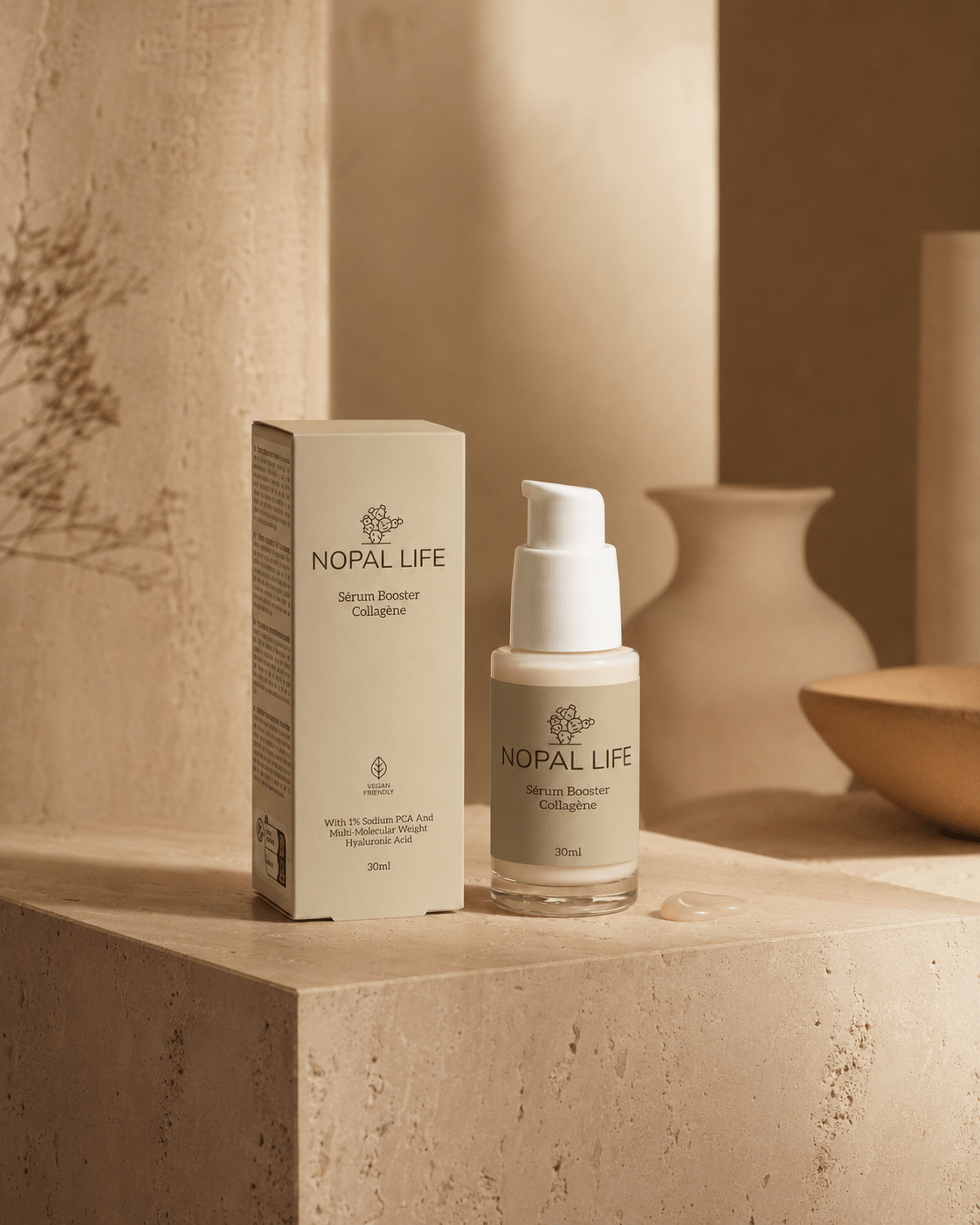
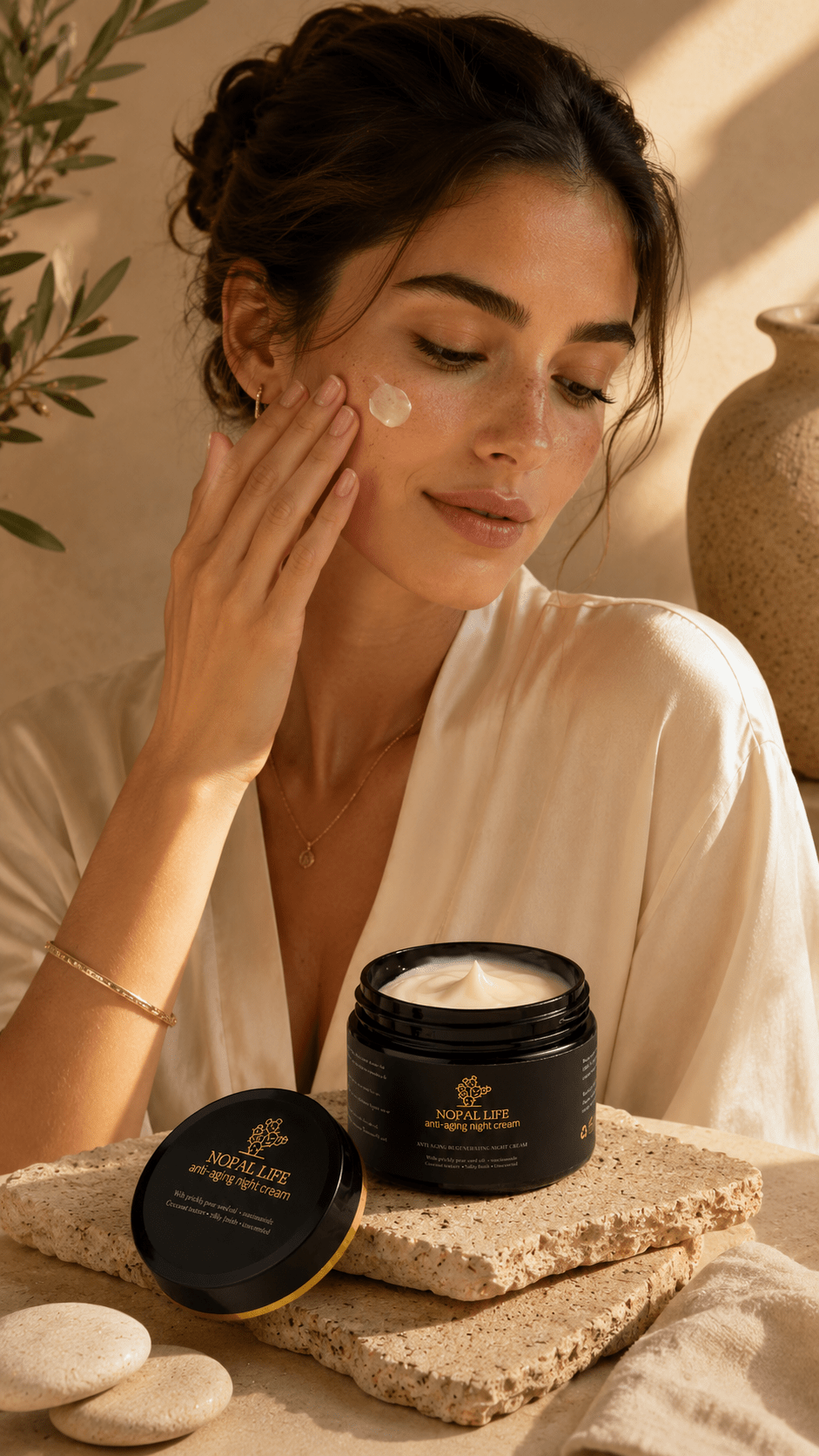
Combine it with our radiance and firmness night cream and our serum for a complete synergy, day and night. Your skin regains a firm, radiant, and comfortable appearance long-term. Discover the Nopal Life formulation designed for your skin profile thanks to our free Skin Intelligence diagnosis.
This content is informative and educational; it does not replace medical advice, diagnosis, or dermatological consultation. In case of doubt or persistent skin problems, consult a qualified healthcare professional.
RECOMMENDED TREATMENT
Pure Prickly Pear Seed Oil
Natural formula - Origin Algeria
DISCOVER THIS TREATMENTOur anti-aging treatments