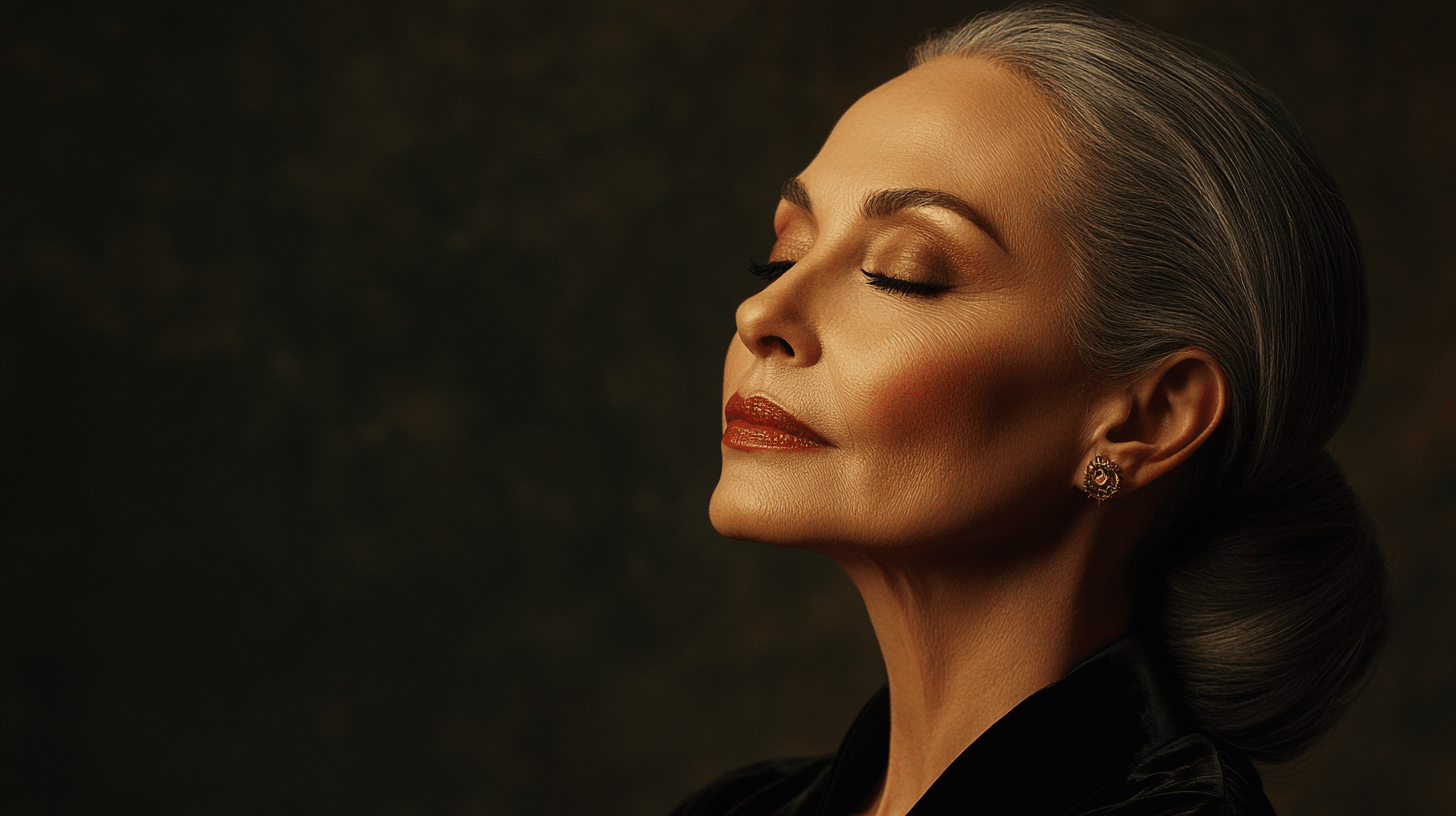
Environmental aging: radiance and comfort
As the years go by, skin changes—and so do its needs. This guide provides clear benchmarks and concrete steps to support it, in the NOPAL LIFE spirit: natural, precise, without exaggerated promises.
The Skin Exposome: Understanding Environmental Aggression on Dry, Mature Skin
Skin aging is a natural process, but not all factors that seem to accelerate it are genetic. The exposome refers to all the environmental exposures our skin is subjected to throughout life: ultraviolet radiation, air pollution, tobacco, oxidative stress, thermal variations. For dry, mature skin, these external aggressions can accentuate the appearance of signs of aging, by weakening the comfort of an already stressed skin barrier. UV rays are among the main environmental factors associated with the appearance of a dull complexion and lack of radiance. On mature, dry skin, this reality requires special attention, as natural comfort and radiance seem harder to preserve with age when faced with daily exposures. Understanding the factors of the exposome is therefore the first step to building a visible and lasting protection strategy.
UV and Pollution: The Two Major Enemies of Skin Radiance and Comfort
UV radiation is divided into two categories with complementary and cumulative effects: UVB, associated with sunburn, and UVA, repeated exposure to which is often linked to the appearance of signs of aging and visible loss of firmness. Added to this double exposure is air pollution, particularly PM2.5 fine particles, nitrogen oxides, and ozone, which settle on the superficial layers of the epidermis and can alter skin comfort throughout the day. This phenomenon, often referred to as "inflammaging," is frequently associated with a visible accentuation of the signs of aging. For dry, mature skin, the direct consequence is a double alteration: on the one hand, loss of comfort (sensation of tightness, discomfort, increased reactivity), and on the other hand, decreased radiance (dull complexion, lack of uniformity, accentuated micro-reliefs). Addressing these two factors must therefore be simultaneous and complementary, combining external protection and daily skincare.
Anti-Exposome Skincare Protocol: Radiance-Comfort Strategy in 4 Steps
Faced with exposome aggressions, a coherent skincare strategy relies on four complementary pillars. The first is sun protection, non-negotiable all year round, with a broad-spectrum SPF 50+ UVA/UVB applied every morning as the last step of the routine. The second pillar is the provision of antioxidant active ingredients: daily application of active ingredients such as stabilized vitamin C, vitamin E, resveratrol, or prickly pear polyphenols helps preserve skin radiance against daily oxidative stress. The third pillar is supporting the comfort of the skin barrier through ceramides, essential fatty acids, and vegetable oils rich in omega 7 and omega 9—of which prickly pear oil is the most accomplished example, with a remarkable composition of linoleic and oleic acids. The fourth pillar is night care: night is a privileged moment for cocooning active ingredients (low-dose retinol, peptides, low molecular weight hyaluronic acid) that support the skin's natural renewal and help soothe the appearance of skin stressed during the day. This four-step protocol offers comprehensive coverage against the visible effects of the exposome on dry, mature skin.
Mistakes to Avoid When Dealing with Environmental Aging
The first and most common mistake is underestimating sun protection in winter or on cloudy days. UVA rays penetrate clouds and glass, and their cumulative effect is the same regardless of the season. Applying SPF only in summer means protecting yourself only 25% of the actual exposure time. The second mistake is layering antioxidant active ingredients without respecting compatibilities: vitamin C in ascorbic acid form is unstable and oxidizes quickly in the presence of certain metals or exposure to light, which makes it less effective, or even uncomfortable. It is preferable to choose stabilized forms (ascorbyl glucoside, 3-O-ethyl ascorbate) for prolonged stability. The third mistake is neglecting make-up removal and cleansing in the evening: pollution particles settle on the hydrolipidic film throughout the day and must be carefully removed with a gentle and complete cleanser before applying night care. Finally, a common mistake is ignoring diet in the anti-exposome strategy: dietary antioxidants (vitamin C from citrus fruits, polyphenols from green tea, lycopene from tomatoes) complement the action of topical treatments and contribute to skin well-being from within.
Antioxidant Decline and Skin Comfort After 50
Natural aging changes how the skin preserves its radiance against daily exposures. With age, natural radiance and skin comfort seem harder to maintain, which explains why the same levels of UV or pollution exposure appear to have more pronounced effects on mature skin than on young skin. In parallel, mature skin tends to be more reactive and recover its comfort less quickly. For dry and mature skin, this context creates a particularly sensitive ground for the visible effects of environmental exposures. Providing the skin with targeted and coherent topical care is therefore not a cosmetic luxury but a true comfort gesture to help preserve the skin's appearance and suppleness.
Nopal Life's Answer: Prickly Pear Oil, A Natural Radiance Ally
Faced with the challenges posed by environmental aging, prickly pear oil positions itself as one of the most complete and best-tolerated active ingredients for dry and mature skin. Its remarkable richness in linoleic acid (omega 6), natural vitamin E, and plant sterols gives it a triple visible action: it helps preserve the comfort of the skin barrier, supports skin radiance against oxidative stress, and nourishes to restore the comfort of dehydrated skin. Its essential fatty acid profile helps support the cohesion of the skin surface and preserve the sensation of suppleness by limiting discomfort related to dryness. Used every evening as a concentrated treatment or mixed with your usual cream, Nopal Life's pure prickly pear oil works in synergy with the skin's natural rhythm during the night. Combined with rigorous sun protection in the morning, it constitutes the ideal anti-exposome duo for dry and mature skin that gradually regains radiance, comfort, and suppleness.
Frequently Asked Questions
Q: Can prickly pear oil be applied under sunscreen?
A: Yes, absolutely. Prickly pear oil is applied as a night treatment or as a serum under your day cream. In the morning, it makes an excellent nourishing base before applying your SPF. Its dry and non-comedogenic feel allows for this layering without absorption issues or affecting sunscreen adhesion.
Q: How often should topical antioxidants be applied to combat the exposome?
A: Daily application, ideally in the morning before SPF, is recommended to maintain a regular supply of antioxidants to the superficial layers of the epidermis. Consistency of application is more important than concentration: a 10% antioxidant applied every day is more beneficial than a 20% antioxidant used twice a week.
Q: Does indoor pollution (heating, screens) also affect the skin?
A: Yes. Blue light from screens and particles generated by combustion heating are sources of oxidative stress for the skin. Screens emit high-energy visible (HEV) light, often cited among daily factors that can stress the skin. Daily antioxidant protection is therefore relevant even for people who spend little time outdoors.
Q: Is environmental aging reversible?
A: Partially. Signs accumulated over several decades do not completely disappear, but consistent and regular care can visibly improve the skin's appearance, support its natural renewal, and revive radiance and texture. It's never too late to start an antioxidant and protective routine.
Q: Is a different SPF needed for dry mature skin?
A: Dry mature skin particularly benefits from cream or fluid sunscreens enriched with hydrating agents (hyaluronic acid, glycerin, shea butter). Mineral formulas (titanium dioxide, zinc oxide) are often better tolerated on sensitive and mature skin. Avoid alcohol-based formulas that exacerbate dryness.
Q: How to combine vitamin C and vegetable oil in an anti-exposome routine?
A: Vitamin C is best applied in the morning to clean, dry skin, before moisturizer and SPF. Prickly pear oil is used in the evening, alone or mixed with your night cream. This morning/evening separation highlights each active ingredient and avoids potential interactions with sunscreens.
Q: Does prickly pear protect against UV?
A: Prickly pear oil is not a sunscreen and does not replace SPF. However, its natural antioxidants (vitamin E, sterols, polyphenols) help preserve skin radiance after sun exposure. It is used as a complement to SPF, not a substitute.
Q: At what age should anti-exposome protection be integrated into one's routine?
A: The sooner the better: dermatologists recommend daily sun protection from adolescence. For topical antioxidants, a gradual introduction from the age of thirty is ideal, in parallel with the first signs of skin aging. For mature skin aged 45 and over, the entire anti-exposome protocol described in this article becomes a priority.
RECOMMENDED TREATMENT
Pure Prickly Pear Seed Oil
Natural formula - Origin Algeria
DISCOVER THIS TREATMENTInformation provided for cosmetic and educational purposes only; it does not constitute medical advice.
Read More


Go further than this article
Get our skincare guides by email — and start with your free skin diagnostic: 2 minutes, advice tailored to your skin. We ship to the US, UK, Canada, Australia and 27 European countries; somewhere else? Sign up and you will be the first to know when we deliver to your country.
By signing up, you agree to our privacy policy. Unsubscribe in one click.