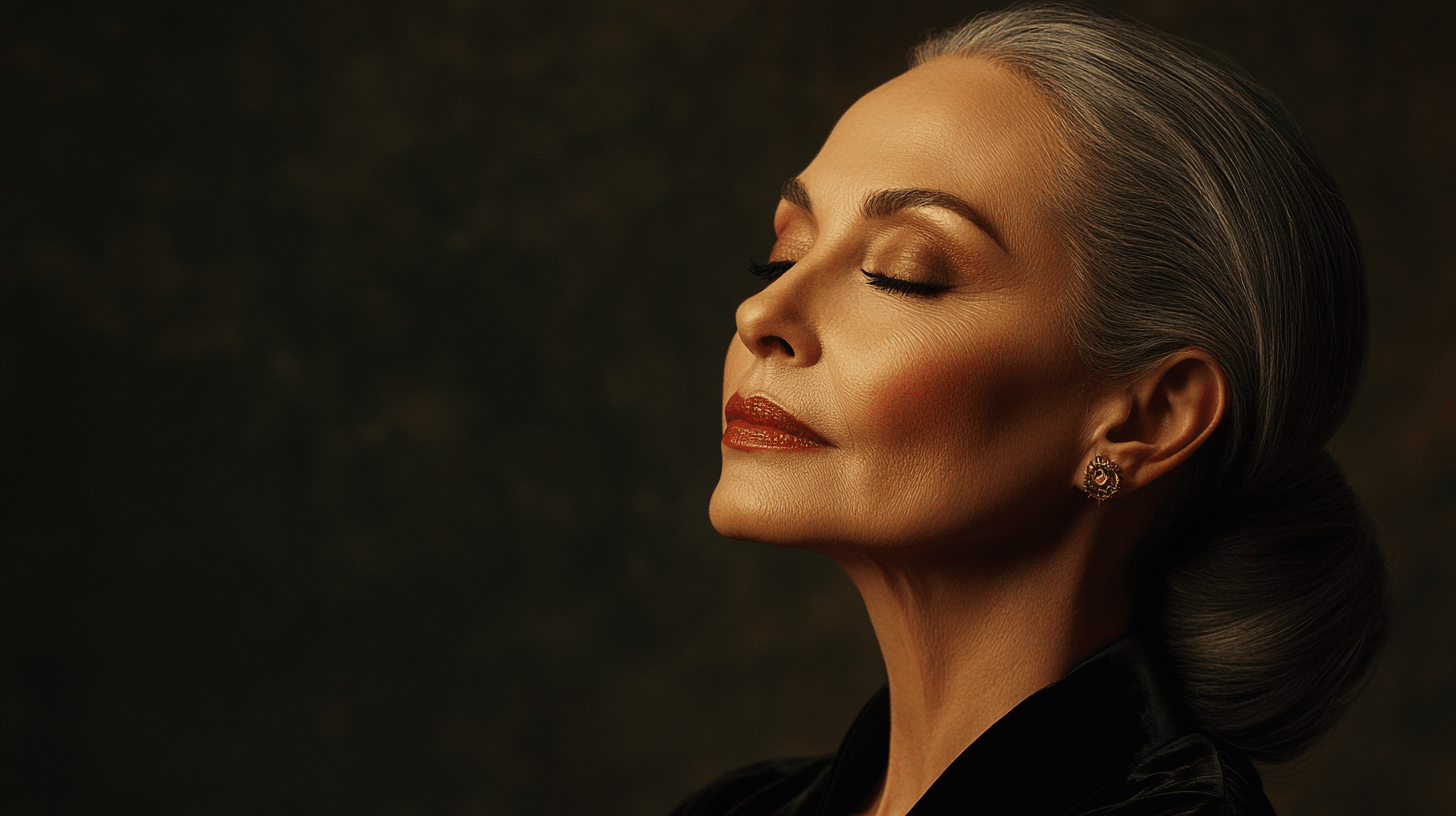
Dull mature skin menopause: hormonal transition, radiance, and skin renewal
Dull, mature skin isn't just about a lack of hydration. Behind that grayish complexion, persistent enlarged pores, and uneven texture, there's often a particular period: the hormonal transition of menopause. At this time of life, the skin changes its appearance: it can seem thinner, less radiant, and its natural renewal appears to slow down. Understanding this context is the first step to intelligently addressing it — with the right active ingredients, at the right time, in the right order.
This P1 guide is for skin in transition: those who oscillated between a dull/combination skin profile and are gradually shifting towards mature dryness accompanied by a visible loss of radiance, texture, and freshness. A skin profile that neither classic anti-aging treatments nor mattifying creams can properly address.
Menopause as an accelerator of skin dullness
Between 45 and 55, a woman's hormonal context changes profoundly. Hormones not only support the reproductive cycle: this period is often accompanied by an evolution in the skin's appearance — its perceived thickness, its plumpness, the appearance of shiny areas, and the speed at which it seems to renew itself.
Concretely, skin can appear less firm and less dense over the years following menopause. Its ability to retain hydration in the superficial layers also seems to decrease, which weakens the comfortable aspect of the skin barrier. Natural renewal, more visible and rapid at 25, appears to space out after 50. The result: a surface that appears dull, irregular micro-reliefs, and fading radiance.
What is particularly misleading in dull-combination skin in transition: the T-zone can remain shiny while the cheeks and lip contour dry out and become dull. This dual signal often leads to skincare errors — we will come back to this.
Hormones, firmness, and prickly pear seed oil: the plumpness triangle
The firm and plump appearance of the skin evolves with the hormonal context. When mature skin appears less supported, contours seem to sag and the complexion appears hollowed out. This is a very common change in appearance, which is primarily addressed on the surface, through care and hydration.
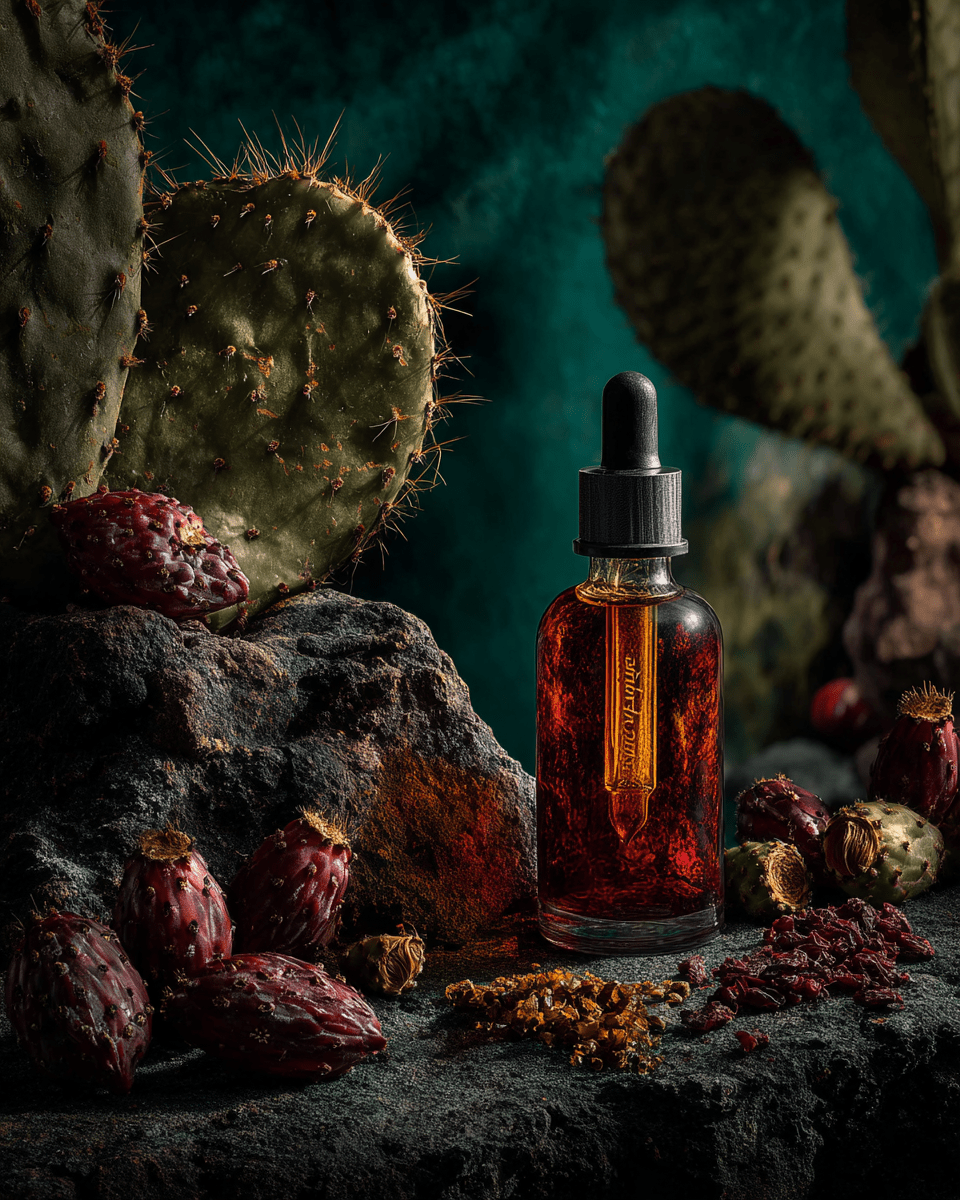
This is where prickly pear seed oil (Opuntia ficus-indica), Nopal Life's signature active ingredient, comes in. Exceptionally rich in linoleic acid (60-65%), vitamin E tocopherol, and plant sterols, it helps to strengthen the comfort of the superficial skin barrier and limit the sensation of tightness associated with moisture loss. Its gamma-linolenic acid composition distinguishes it from most vegetable oils and makes it a choice active ingredient for mature skin lacking comfort lipids.
Combined with a collagen serum, prickly pear seed oil forms a complementary duo: the serum provides targeted active ingredients for a firm and plump appearance, while the oil helps to seal in hydration and restore the comfort of the surface film. This protocol precisely addresses the post-menopausal dull mature skin profile.
The collagen serum protocol: how to integrate it into your anti-aging firmness routine
A visible radiance and firmness routine for dull mature skin is not improvised. The order of application, textures, and frequency determine the actual comfort of the active ingredients. Here is the protocol recommended by our team for skin in hormonal transition.
Morning:
- Gentle cleansing (sulfate-free, pH 5.5)
- Alcohol-free toner (low molecular weight hyaluronic acid)
- Collagen Hydration & Plump Serum — 2 to 3 drops, gently patted onto cheeks and forehead
- Barrier moisturizing cream (ceramides, urea)
- SPF 50+ (essential: UV rays accelerate the appearance of visible signs of aging)
Evening:
- Double cleansing: oil cleanser then gentle foam
- Enzymatic exfoliation 2×/week (papaya, pineapple) — no strong AHAs during transition
- Collagen serum (same amount as in the morning)
- Pure prickly pear seed oil — 3 to 4 drops as the last step (seals in the serum)
This visible radiance and firmness routine simultaneously supports the skin's natural renewal, its firm and plump appearance, and surface comfort. Visible results (radiance, visible firmness, even skin tone) generally appear after 4 to 6 weeks of regular application.
Radiance and uniformity: reviving the appearance of dull complexions
The radiance and uniformity of dull mature skin are achieved through three complementary levers: gentle exfoliation, toning massage, and helping to reduce the visible appearance of spots associated with hormonal fluctuations.
1. Enzymatic exfoliation 2×/week. Fruit enzymes (bromelain, papain) gently help remove accumulated dead cells on the surface without irritating the barrier. They are preferred over AHAs for mature skin because they are considered gentler on already weakened skin — a significant advantage during hormonal transition.
2. Toning massage. Daily facial massage (jade or rose quartz Gua Sha, 5 minutes in the evening) provides a healthy glow and helps revive the skin's radiance. This often underestimated gesture directly contributes to a luminous complexion in 3 to 4 weeks.
3. Gentle unifying active ingredients. Niacinamide (5%) helps to even out the skin tone and reduce the visible appearance of spots associated with the hormonal context of menopause. It is perfectly compatible with the collagen serum and can be applied in layers.
To further personalize your approach, the Preserve Youth Skin collection brings together Nopal Life skincare products specifically formulated for this skin profile.
Mistakes to avoid with dull mature skin
The most common mistakes with dull mature skin during hormonal transition are often counterintuitive. Here they are, ranked by frequency and impact.
Mistake #1 — treating the T-zone as oily skin. Residual shine in the post-menopausal T-zone is not a sign of oily skin: it is often a sign of skin lacking comfort lipids. Applying an aggressive mattifying product or an acidic serum further dries out the skin and accentuates the overall dull effect.
Mistake #2 — Over-exfoliating. The post-menopausal skin barrier is often more fragile. A physical scrub or strong AHA peel 3 times a week weakens the barrier before it can regain its comfort. Result: redness, sensitivity, an even duller complexion due to discomfort reaction.
Mistake #3 — Neglecting SPF. UV rays are one of the main factors in the appearance of visible signs of aging. On mature skin whose firm appearance is already evolving with the hormonal context, unprotected sun exposure visibly accentuates the loss of firmness over time. Daily SPF 50+ is not optional.
Mistake #4 — Stacking anti-aging active ingredients without a protocol. Retinol + AHA + vitamin C + fruit acids in the same routine = discomfort and loss of active ingredient effectiveness. The collagen serum is a fundamental active ingredient that combines very well with hyaluronic acid, niacinamide, and vegetable oils — but not with strong retinol or concentrated glycolic acids in the same application.
Mistake #5 — Ignoring diet. Beautiful skin is accompanied by a balanced diet, rich in vitamin C, glycine, proline, and zinc. A diet deficient in these micronutrients can limit the perceived benefits of topical treatments. Citrus fruits, legumes, bone broths, and pumpkin seeds are daily wellness allies.
Personalize your routine: the Nopal Life skin diagnosis
Dull mature skin is not a single profile. Some skin types transition gradually over 5 to 10 years, while others shift in a few months following surgical menopause or hormonal changes.
To address this reality, Nopal Life developed the Skin Intelligence™ diagnosis: an 11-question skin analysis tool that identifies your exact profile and generates a personalized routine from 6 possible profiles. It is accessible for free from your mobile or computer, no account needed.
If you want to get straight to the point, our Collagen Hydration & Plump Serum is formulated to address the priority needs of dull mature skin: plump appearance, hydration comfort, and luminous complexion in 4 weeks.
FAQ — Dull mature skin and hormonal transition
At what age does dull mature skin appear?
Dullness associated with the hormonal context of menopause often begins during peri-menopause (42-48 years old), sometimes earlier in cases of early menopause. However, it can occur earlier in individuals subjected to daily stress or a diet deficient in essential micronutrients.
Can collagen serum really improve the firm appearance of the skin?
A well-formulated collagen serum acts on two levels: collagen peptides (hydrolysates) help maintain the skin's firm and plump appearance, while co-factor active ingredients (vitamin C, hyaluronic acid) provide an environment conducive to skin comfort. It does not replace an instant treatment, but gradually supports the plump appearance of the skin.
Can prickly pear seed oil be used on combination skin that is still oily?
Yes. Prickly pear seed oil is particularly suitable for combination skin because its lipid profile, rich in linoleic acid, helps to mattify the appearance of shiny areas (unlike oils rich in oleic acid which can overload the skin's appearance). Applied in the evening in 2 to 3 drops, it does not clog pores.
How long before visible results?
The first signs of improvement (radiance, smoother surface) generally appear between 3 and 4 weeks. Effects on the firm appearance and visible density of the skin require 8 to 12 weeks of regular protocol. Patience is an integral part of visible radiance and firmness care.
Is SPF really essential in winter?
Yes. UVA — associated with premature skin aging — penetrates clouds and windows all year round. They represent the majority of UV radiation reaching the skin's surface, regardless of the season. For dull mature skin whose firm appearance is already evolving, unprotected exposure to UVA is counterproductive.
It does not disappear instantly but fades gradually over 3 to 6 months of rigorous care.
Should nutritional supplements be taken in parallel?
Nutritional supplements (hydrolyzed marine collagen, liposomal vitamin C, zinc) can support skin wellness in addition to topical treatments. They do not replace skincare but constitute a relevant complementary lever during hormonal transition.
Is the Nopal Life Skin Intelligence™ diagnosis suitable for dull mature skin?
Yes, it is precisely for this profile that the tool was designed. The diagnosis identifies the exact nature of your dullness (dehydration, accumulation of dead cells, less firm appearance, appearance of spots) and generates a personalized routine with corresponding Nopal Life products. It integrates parameters specific to mature skin: perceived elasticity, presence of spots, sensitivity, reactivity to active ingredients.
RECOMMENDED TREATMENT
Anti-aging & Firmness Routine
Natural formula · Origin Algeria
DISCOVER THIS TREATMENT →Read more
Information provided for cosmetic and educational purposes; it does not constitute medical advice.


Go further than this article
Get our skincare guides by email — and start with your free skin diagnostic: 2 minutes, advice tailored to your skin. We ship to the US, UK, Canada, Australia and 27 European countries; somewhere else? Sign up and you will be the first to know when we deliver to your country.
By signing up, you agree to our privacy policy. Unsubscribe in one click.