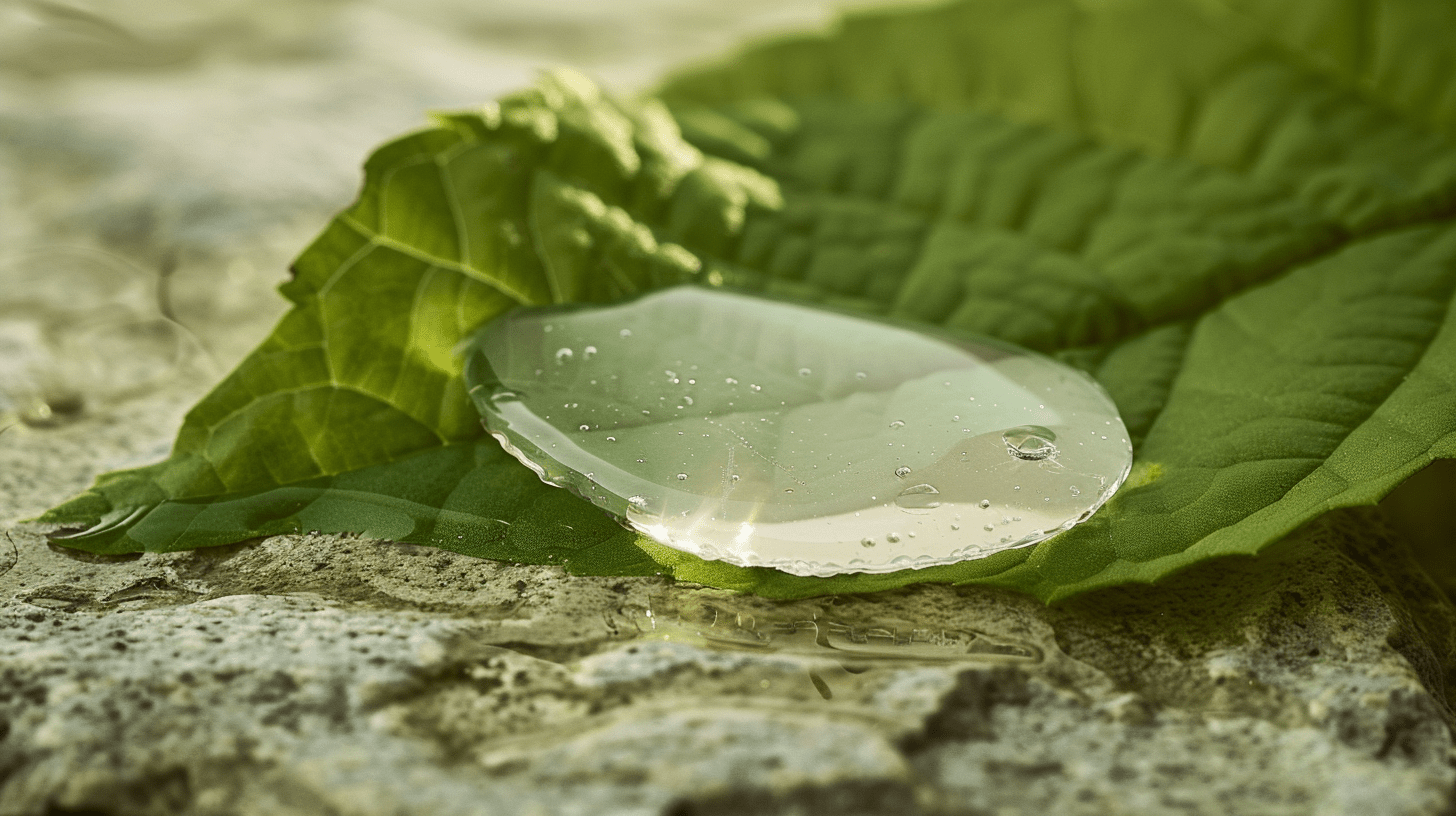
Squalane: benefits and uses for the face
Some active ingredients captivate with their richness, others with their discreet elegance. Plant-derived squalane belongs to the latter family: a melting, almost imperceptible texture that seamlessly integrates into any routine with rare naturalness. Through this Beauty Lab guide, NOPAL LIFE helps you understand this refined active ingredient, know when to incorporate it, and with which products to combine it — with the precision and botanical nourishment that are so important to us.
What is plant-derived squalane and what does it do for the skin?
Squalane is a lipid naturally similar to squalene, a fatty substance that the skin itself produces within its hydrolipidic film. Over the years, this production tends to decrease, and the skin may lose some of its suppleness. In cosmetics, it is now most often of plant origin, derived particularly from olives or sugar cane. This kinship with skin lipids explains its remarkable affinity with the skin: it blends in instantly, without a greasy film or sticky effect.
In terms of skincare, plant-derived squalane is primarily an emollient and a comfort active. It helps to soften the skin, limit water evaporation, and strengthen the sensation of a preserved surface barrier. Skin appears softer, smoother, and visibly plumper. Its dry and light feel makes it one of the few fatty substances appreciated even by skin types that shy away from rich textures.
Stable and resistant to oxidation, squalane is also an excellent carrier: it transports other active ingredients, thins textures, and provides a silky finish. Where some oils can become rancid over time, it maintains its stability for a long time, making it a reliable and durable ingredient.
What skin types is squalane suitable for?
The great strength of plant-derived squalane is its versatility. Known to be non-comedogenic and well-tolerated, it suits almost all skin profiles.
Dry and dehydrated skin finds in it an ally for comfort, which seals in moisture and reduces feelings of tightness: on these skins that struggle to retain water, it forms a surface layer that prolongs comfort without weighing it down. Mature skin appreciates its softening action, which helps to smooth the appearance of dehydration lines and restore bounce to the complexion.
More surprisingly, combination to oily skin readily adopts it: its light texture does not saturate the skin or make it feel heavy. As for sensitive or reactive skin, it benefits from its gentleness and simplicity, as squalane is a mild active ingredient, unlikely to cause irritation. If you are unsure where to place it in your routine, a skin diagnostic will provide helpful guidance.
When and how to incorporate it into your face routine
Plant-derived squalane can be used morning and evening, depending on your needs. Light and dry to the touch, it fits well into both a daytime routine, under sun protection, and a more comforting evening routine.
The order of application remains key. As squalane is a fatty substance, it should be applied at the end of your routine, after water-based products. The layering logic dictates starting with the most fluid textures — lotion, hydrating serum — and finishing with the richest, which seal in comfort. Squalane thus locks in the hydration provided by the previous steps.
Specifically, after cleansing and applying a hydrating product, dispense a few drops into the palm of your hand and gently press onto slightly damp skin. You can also add one to two drops directly into your cream to enrich its texture, or smooth a thin layer over areas that feel tight.
A few common-sense precautions. Squalane is one of the best-tolerated active ingredients, but caution is still advised with any new product: a patch test on the inside of the elbow can verify tolerance. It is a cosmetic active ingredient for comfort, which supports the skin without replacing medical advice in case of persistent problems.
Skin Diagnosis · Free
Curious to know what your skin really needs?
Take my 2-min diagnostic →
With which active ingredients should plant-derived squalane be combined?
Discreet and agreeable, squalane is an ideal partner: it blends with almost everything and enhances the active ingredients it accompanies.
With hyaluronic acid and humectants. This is the ultimate combination. Hyaluronic acid and glycerin attract and retain water in the superficial layers; squalane then seals this hydration to limit its evaporation. The water + lipids duo forms the basis of supple and lastingly comfortable skin.
With nourishing botanical oils. Squalane blends wonderfully with richer botanical oils, making them more fluid and penetrative. Cold-pressed prickly pear seed oil, naturally concentrated in vitamin E and essential fatty acids, perfectly complements its lightness with more intense nourishment: a choice duo for dry and mature skin.
With more powerful active ingredients. Because it is soothing and well-tolerated, squalane often accompanies exfoliating active ingredients or cosmetic retinol, helping to temper any discomfort. It is then applied as a comfort layer, over the active treatment.
Few false notes. Squalane is distinguished precisely by its almost universal compatibility. To explore products already built around these synergies, the Face Oils collection and the Hydration & Comfort collection from NOPAL LIFE bring together textures designed for skin suppleness and comfort.
Mistakes to avoid with squalane
Even an active ingredient as easy to use benefits from being applied correctly. The first common mistake: applying too much. A few drops are enough; an excess would leave an unnecessary shiny finish, especially on combination skin.
Second pitfall: using it at the wrong step. Applied before a water-based serum, a fatty substance like squalane can hinder water penetration; the rule remains to follow the order from most fluid to richest. Finally, don't rely solely on squalane to hydrate thirsty skin: it seals in water but doesn't provide it. Without a humectant beforehand, there's simply not much to lock in.
Go further with a personalized diagnostic
Squalane is an easy-to-use active ingredient, but its exact place depends on your needs: sealing in hydration, accompanying a more powerful active, or simply providing daily comfort. To choose wisely, there's nothing like a structured assessment of your skin.
The Nopal Life Skin Intelligence™ asks you a few targeted questions in two minutes and guides you towards the active ingredients and textures truly suited to your profile. You can then delve deeper into each need in the Skin Guide, our library of expert advice.
Frequently Asked Questions
Q: Is plant-derived squalane suitable for oily skin?
A: Yes. This is one of its great strengths: known to be non-comedogenic and with a dry touch, it does not saturate the skin or make it feel heavy. Combination to oily skin readily adopts it, provided it is applied in a thin layer.
Q: When should squalane be applied in the routine?
A: Preferably at the end of the routine, after water-based products, as it is a fatty substance that seals in hydration. It can be used morning and evening, under sun protection during the day.
Q: Are squalane and hyaluronic acid compatible?
A: Very compatible, and even complementary. Hyaluronic acid attracts and retains water, and squalane then seals this hydration to limit its evaporation. This is one of the most popular combinations.
Q: Can squalane replace a rich botanical oil?
A: Not entirely. Squalane provides lightness and comfort, but it nourishes less intensely than a rich oil. The ideal for dry skin is to combine it with a nourishing botanical oil to combine lightness and nourishment.
Q: Is squalane of animal origin?
A: The squalane used in cosmetics today is most often of plant origin, particularly from olives or sugar cane. It is this botanical version that natural formulas prioritize.
Q: Can squalane be applied daily?
A: Yes, it is a comfort active that can be integrated into a daily routine, morning and evening as needed. Its good tolerance makes it suitable for regular use.
Q: Is squalane suitable for sensitive skin?
A: Often yes, because it is a mild and well-tolerated active ingredient, unlikely to cause irritation. As a precaution, do a patch test on the inside of the elbow before the first application. In case of reaction or persistent skin problems, consult a healthcare professional.
RECOMMENDED PRODUCT
Cold-pressed organic prickly pear seed oil
DISCOVER THIS PRODUCT →
PERSONALIZED ROUTINE
Nopal Life Skin Intelligence™ · Free diagnostic · 2 minutes
DISCOVER MY ROUTINE →
Light, melting, and remarkably versatile, plant-derived squalane is one of those active ingredients that simplify your routine without ever diminishing it. Applied at the end of your skincare, combined with hyaluronic acid or a nourishing botanical oil, it seals in hydration and leaves the skin supple, soft, and comfortable.
Read more
Information provided for cosmetic and educational purposes; it does not constitute medical advice.


Go further than this article
Get our skincare guides by email — and start with your free skin diagnostic: 2 minutes, advice tailored to your skin. We ship to the US, UK, Canada, Australia and 27 European countries; somewhere else? Sign up and you will be the first to know when we deliver to your country.
By signing up, you agree to our privacy policy. Unsubscribe in one click.