How to use aloe vera gel: The right steps
A dab under your morning cream, a generous layer after sun exposure, a few touches on hair lengths: aloe vera gel is suitable for almost all skincare routines, provided you know the right amounts, the right time, and the right order of application. This NOPAL LIFE practical guide answers a specific question: how to use aloe vera gel daily — on the face, body, and hair — without mistakes and without waste.
Before you start: the essentials in thirty seconds
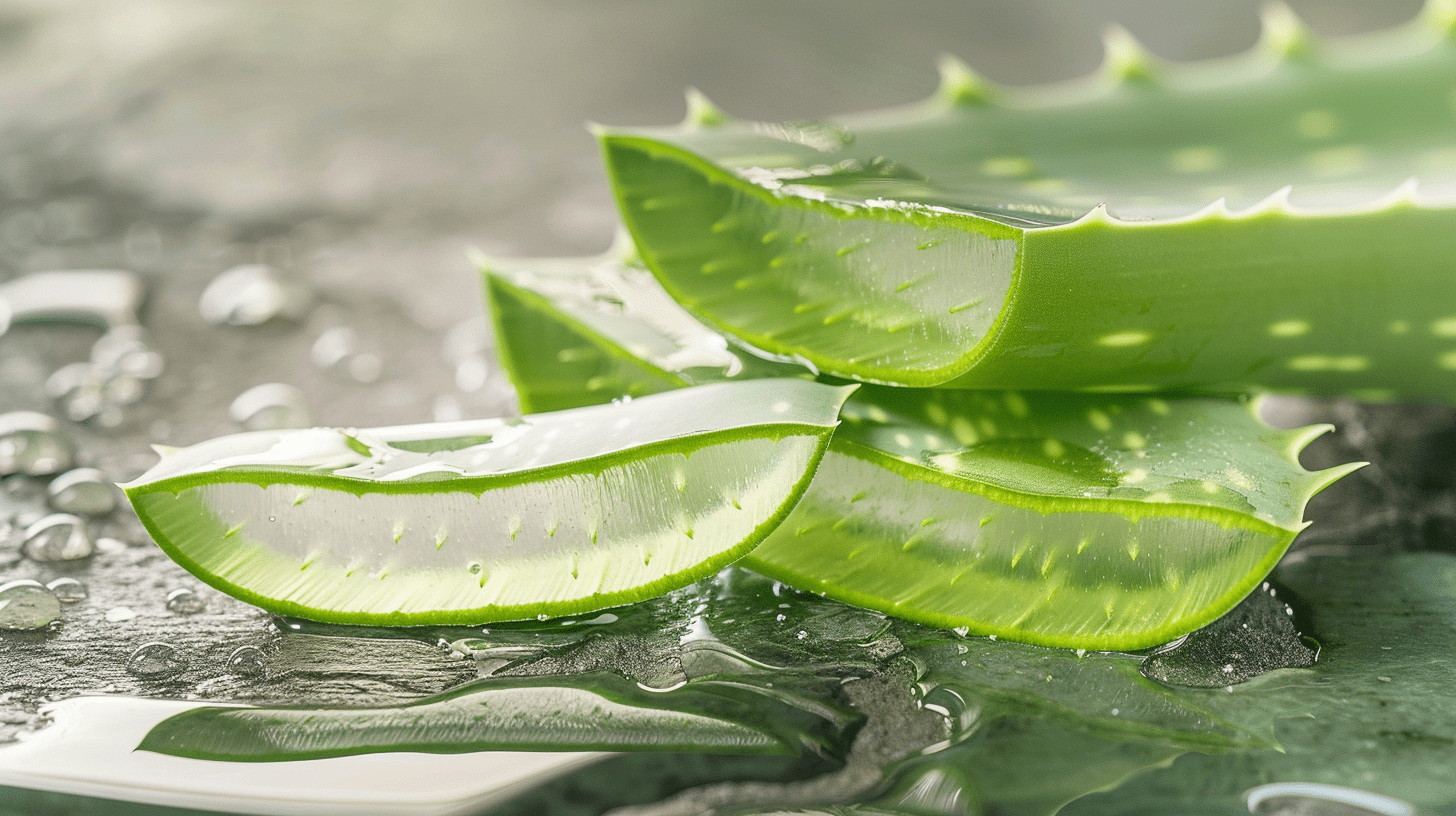
Aloe vera gel is extracted from the pulp of aloe leaves, a succulent plant rich in water. Largely composed of water and enriched with polysaccharides, it acts as a natural humectant: it deposits water on the skin's surface and provides an immediate sensation of freshness and comfort. Its benefits and properties are detailed in our article on aloe vera and its benefits for the skin; its composition and complete profile can be found on the aloe vera ingredient sheet in the NOPAL LIFE reference guide. Here, we deliberately focus on application: quantities, areas, order of application, and preservation.
One principle to keep in mind before starting: aloe vera gel provides water, not lipids. Used alone on dry skin, the water it deposits eventually evaporates, and the freshness can give way to a slight tautness. For lasting comfort, it is almost always sealed with a cream or vegetable oil.
How much aloe vera gel should you apply?
This is the most common mistake: using too much. The gel spreads very easily, and a small amount is enough to cover a large area. Here are the guidelines we use at the NOPAL LIFE Beauty Lab, area by area.
| Area | Reference Quantity | Ideal Time | Correct Application |
|---|---|---|---|
| Face | A dab | Morning and/or evening, after cleansing | Smooth on slightly damp skin, then seal with a cream or oil |
| Eye Contour | Half a grain of rice | Evening | Gently tap with your ring finger, without direct contact with the eye |
| Body after sun exposure | A generous layer | After exposure, on clean skin | Apply broadly, reapply if warming sensation persists |
| Hands | A dab | After washing | Massage until absorbed, focusing on cuticles |
| Hair lengths | One to two dabs | On damp hair, no rinse | Smooth from lengths to ends to tame and add shine |
| Scalp | A dab | Before shampooing | Massage with fingertips, leave on for about ten minutes |
A dab remains the reference unit for the face: if the skin is still sticky two minutes after application, the dose was too generous. A thin, reapplied layer is better than a thick layer that pills under cream.
How to apply aloe vera gel to the face?
The face is the area where the order of steps matters most. The protocol consists of five steps, applicable morning and evening.
- Cleanse. The gel is always applied to clean skin: a gentle cleanser is sufficient, followed by a rinse with lukewarm water.
- Leave the skin slightly damp. Like any humectant, aloe vera retains water better when it finds it available: there's no need to completely dry your face.
- Apply a dab of gel. Smooth from the center of the face outwards, avoiding direct contact with the eyes.
- Allow to penetrate for one to two minutes. The light, non-greasy texture leaves a fresh finish, without a sticky film.
- Seal. A cream or a few drops of vegetable oil retain the deposited water and prolong comfort.
In the morning, this fresh base awakens features and prepares the skin: cream, sunscreen, and then makeup apply more easily to this light moisturizing veil.
In the evening, application occurs after cleansing and before richer treatments. After a day of pollution, air conditioning, or friction, aloe vera gel helps the skin regain a soothing sensation.
As an express mask, a more generous layer left on for about ten minutes acts as a thirst-quenching treatment in itself. Remove excess with fingers or a cotton pad, then continue your routine.
Around the eyes, caution is advised: half a grain of rice tapped with the ring finger is sufficient for the contour, without ever touching the eye. The gel temporarily smooths the appearance of dehydration fine lines; it does not claim to erase established wrinkles — it's important to be clear about that.
How to use it on the body?
After sun exposure. This is the most popular use. On skin warmed by exposure, a generous layer of chilled aloe vera gel provides an immediate sensation of freshness and comfort. However, in case of burns, blisters, or severe sunburn, the right response is not cosmetic: seek medical advice immediately.
After shaving or waxing. A thin layer on the affected areas provides comfort and reduces the sensation of warmth. Wait a few minutes before dressing.
On areas of occasional dryness. Elbows, shins, hands damaged by washing: the gel helps nicely, provided it is sealed with a cream or vegetable oil for a lasting effect.
How to use it on hair and scalp?
The use of aloe vera is not limited to skin care: hair also benefits from its light, non-greasy action.
On lengths, no rinse. One to two dabs emulsified between palms, smoothed on damp hair from lengths to ends: the gel tames frizz and adds shine without weighing down, even on fine hair.
As a pre-shampoo mask. On the scalp, massage a dab with fingertips, leave on for about ten minutes, then wash with a gentle shampoo. A simple gesture that provides a pleasant sensation of freshness to the scalp.
As a natural styling gel. A very small amount on dry hair helps to reposition rebellious strands, with light hold and a flexible finish.
What to combine aloe vera gel with?
Its watery texture makes it an excellent first layer, on which the routine is built from the thinnest to the richest.
With a nourishing vegetable oil. The most balanced duo: the gel provides water, the oil seals this comfort and limits evaporation. Cold-pressed prickly pear seed oil, rich in vitamin E and essential fatty acids, ideally complements aloe vera: first apply the gel to damp skin, then a few drops of oil for supple and comfortable skin.
With hyaluronic acid. Two humectants that reinforce each other: hyaluronic acid draws water into the superficial layers, the gel provides freshness and comfort on the surface. Together, they visibly plump the skin, especially in cold or fatigued periods.
With niacinamide. For combination skin seeking comfort and a clear complexion: the gel serves as a fresh base, niacinamide works on evening out the complexion over it. A gentle combination, ideal for starting to layer skincare.
To build a coherent routine around these products, explore the NOPAL LIFE Natural Facial Skincare collection and the Hydration & Comfort collection.
Skin Diagnosis · Free
Curious to know what your skin truly needs?
Take my 2-min diagnosis →
Mistakes that spoil application
- Using it alone on dry skin. Without cream or oil to seal it, the water evaporates and tautness returns. The gel is a starting point, not a complete treatment.
- Dosing too generously. Beyond a dab on the face, the product pills under cream or makeup.
- Applying it to uncleaned skin. Applied over sebum and impurities from the day, the gel loses much of its effectiveness.
- Choosing a poor-quality gel. A product low in pulp, loaded with unnecessary colorants or fragrances, dilutes the experience. Prioritize an organic aloe vera gel, rich in pulp, with a short ingredient list: the quality of the formula makes all the difference.
- Confusing cosmetic use with food use. Aloe vera juices and detox drinks are food products: a cosmetic gel should not be drunk, and this guide only concerns skincare application.
- Ignoring skin signals. For reactive skin, do a patch test on the inside of your arm and wait twenty-four hours before applying to the face. For broken skin or persistent redness, seek advice from a healthcare professional rather than using multiple products.
How to store aloe vera gel?
Storage affects both the freshness of the product and the pleasure of use. Many gels should be kept in the refrigerator after opening, which enhances their refreshing effect — a real delight in summer. Close the container tightly after each use, keep it away from heat and direct light, and rely on the manufacturer's instructions for the period of use after opening.
Special case: gel taken directly from a fresh plant leaf. Without preservatives, this homemade pulp only keeps for a few days in the refrigerator, in a clean, sealed container. At the slightest change in color or odor, discard without hesitation. For daily use, a good quality stabilized gel remains the safest and most practical choice.
Frequently Asked Questions
Q: Can aloe vera gel be used daily?
A: Yes, morning and evening if your skin likes it. Its light texture is generally very well tolerated. For reactive skin, a preliminary patch test on the inside of the arm is still a good practice before any new use.
Q: Should it be applied in the morning or evening?
A: Both are suitable. In the morning, it provides a fresh base under cream and sunscreen; in the evening, it provides a soothing sensation after the day. Kept cool, its refreshing effect is even more pleasant.
Q: In what order should it be applied in the routine?
A: After cleansing, on slightly damp skin, before richer textures. The gel provides water, then a cream or oil seals in this comfort. It's an excellent routine base, from thinnest to most nourishing.
Q: Is aloe vera gel suitable for oily skin?
A: Yes. Its non-greasy texture, which penetrates in a few moments, makes it a popular treatment for combination to oily skin. It provides freshness and comfort without weighing down, and serves as a good base before a targeted serum.
Q: Can it be combined with a vegetable oil?
A: It's even the ideal combination. First the gel on damp skin for water and freshness, then a few drops of oil to seal. The water + lipid duo is one of the most balanced there is.
Q: How to use it on hair?
A: One to two dabs smoothed on damp lengths, no rinse, for shine; or a dab massaged into the scalp for about ten minutes before shampooing. In both cases, the application remains light.
Q: How do I know if my gel is still good?
A: Check the period of use indicated by the manufacturer, keep the product tightly closed, ideally in the refrigerator. A change in color, odor, or texture indicates that it's time to replace it.
Q: Does the online diagnosis replace a dermatologist's advice?
A: No. The Skin Intelligence™ diagnosis is a cosmetic guidance tool for choosing a suitable routine. For persistent redness, itching, or established marks, consult a healthcare professional.
RECOMMENDED CARE
Cold-pressed prickly pear seed oil · Organic
DISCOVER THIS TREATMENT →
PERSONALIZED ROUTINE
Nopal Life Skin Intelligence™ · Free Diagnosis · 2 minutes
DISCOVER MY ROUTINE →
Properly using aloe vera gel ultimately comes down to three reflexes: the right dose (a dab is enough almost everywhere), the right order (on clean, damp skin, under a cream or oil), and the right storage (in the cool, well-sealed). The rest is a matter of regularity. And to know exactly what place to give it according to your skin type, the Skin Intelligence™ diagnosis transforms observation into a tailored routine.
Read more
- Aloe vera: benefits and properties for the skin
- Ingredient sheet: aloe vera
- Skin Guide — all our advice
Information provided for cosmetic and educational purposes; it does not constitute medical advice.
Next read


Go further than this article
Get our skincare guides by email — and start with your free skin diagnostic: 2 minutes, advice tailored to your skin. We ship to the US, UK, Canada, Australia and 27 European countries; somewhere else? Sign up and you will be the first to know when we deliver to your country.
By signing up, you agree to our privacy policy. Unsubscribe in one click.