Aloe Vera: Benefits and How to Use the Gel
Tightness, discomfort, a thirst for freshness: all skin experiences these moments when hydration becomes urgent. Aloe vera, a water plant born from arid lands, responds with disarming simplicity. This guide brings together its benefits, practical usage tips — and its beautiful synergy with prickly pear seed oil, the other desert treasure dear to NOPAL LIFE.
The water plant that quenches the skin's thirst
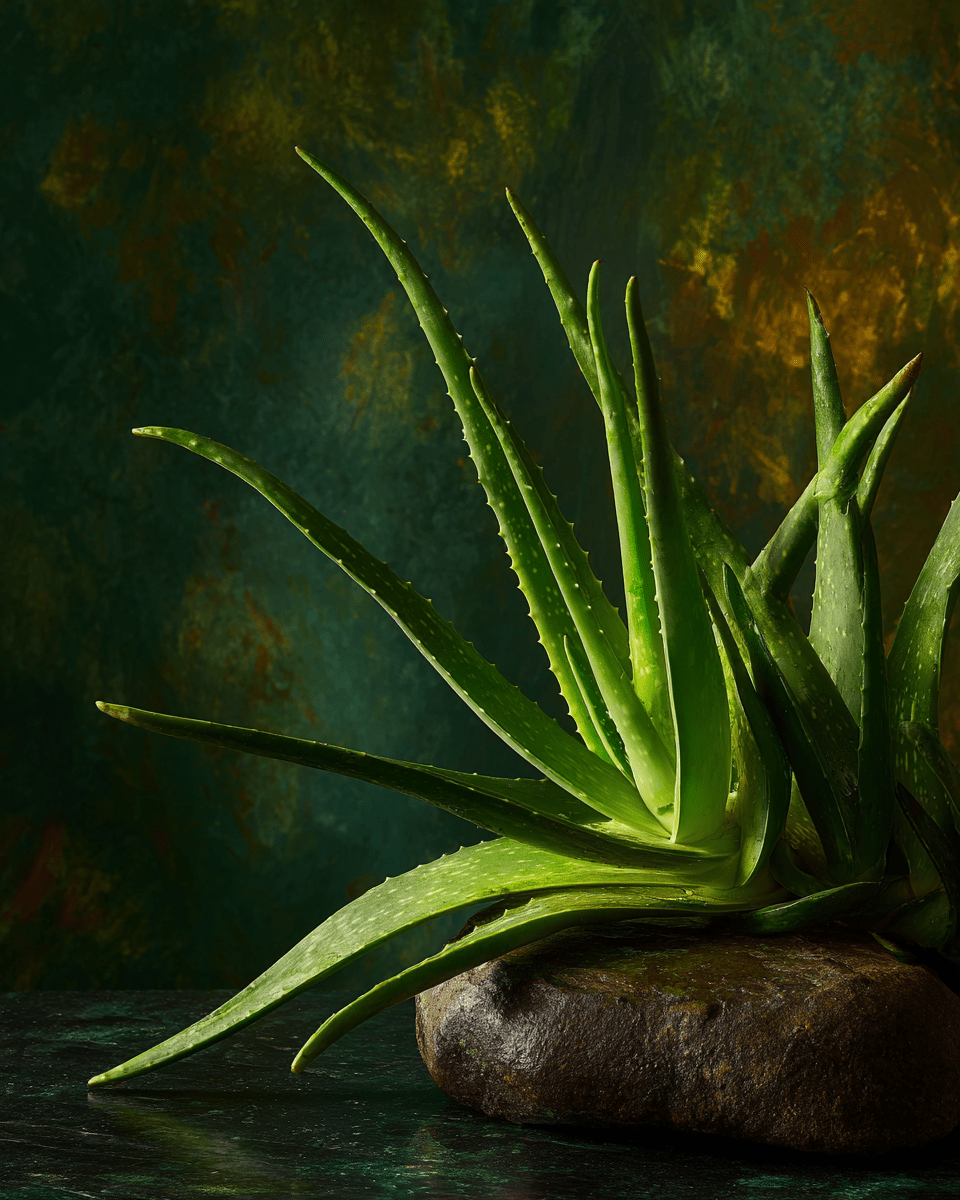
Behind its fleshy leaves, aloe vera (Aloe barbadensis Miller) — one of the most studied plants in cosmetics — hides a translucent gel, over 98% water. The rest makes all the difference: polysaccharides (including acemannan), vitamins A, C, E and B12, minerals, amino acids, and plant sterols. This richness explains the properties and versatility of the extract, from after-sun gel to radiance serum.
At the heart of its moisturizing power: mucopolysaccharides. These branched plant sugars retain water and form a light film on the surface, much like a low molecular weight hyaluronic acid. This action creates a feeling of comfort and suppleness that builds day after day.
Its benefits for the face and body
Long recognized and supported by numerous cosmetic studies, aloe vera gel plays several roles on the skin at once. Here's an overview of its main virtues and properties.
- It hydrates without weighing down. Its watery texture penetrates quickly, on the face and body, without leaving a greasy film.
- It soothes. On skin overheated by the sun, wind, or exfoliation, it helps restore a feeling of freshness and calm.
- It supports the comfort of the skin barrier. On days of tightness, it helps preserve suppleness and reduce the appearance of fine lines and dehydration wrinkles.
- It provides antioxidants. Vitamins C and E help preserve the skin's appearance against daily aggressions.
Its excellent reputation for tolerance makes aloe vera valuable for sensitive and reactive skin: applied in a thin layer, it helps reduce the appearance of visible redness, for a more comfortable complexion. Reputedly non-comedogenic (index 0), it is also suitable for combination to oily skin and blemish-prone skin, which it hydrates without clogging pores.
In short, its effects can be summed up in three words: hydrate, soothe, preserve skin's appearance — three virtues useful for almost all skin types.
Aloe or hyaluronic acid: which to choose?
They are often contrasted; in reality, they complement each other. Here's how to position aloe vera and hyaluronic acid relative to each other.
| Criterion | Aloe gel | Hyaluronic acid |
|---|---|---|
| Main role | Hydrate and soothe | Capture and retain water |
| Water retention | Moderate | Very high |
| Soothing and antioxidant actives | Yes (vitamins, polysaccharides) | No |
| Texture | Watery, fresh gel | More concentrated serum |
| Ideal timing | Beginning of routine, after cleansing | Serum, on damp skin |
In short: aloe vera provides freshness, soothing, and a first veil of hydration; hyaluronic acid, for its part, excels at retaining water. Combining them — aloe as preparation, followed by hyaluronic acid serum — builds multi-level hydration, particularly appreciated by mature skin lacking comfort.
How to use aloe vera gel, step by step
Aloe vera gel can be integrated into several steps of your routine. Choose according to your needs.
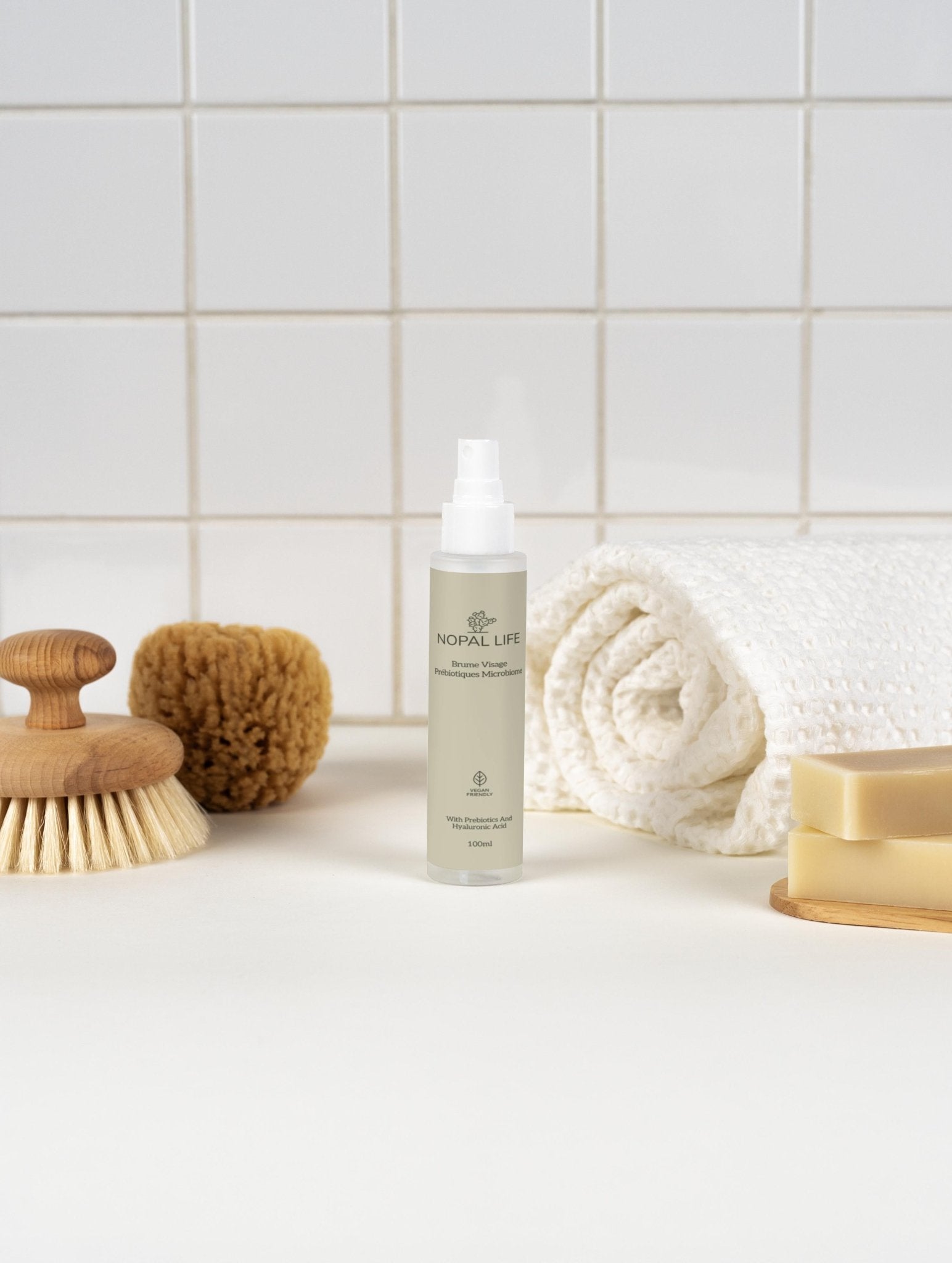
- As a preparatory mist — diluted (50 to 80%), just after cleansing, to refresh and prepare the skin for subsequent treatments.
- As an express serum — a thin pure layer, left on for 10 to 15 minutes, for a hydration boost; rinse before continuing.
- As a treatment base — some formulas use it as an aqueous phase, instead of water, for its active ingredients.
For application, one principle is key: apply it to slightly damp skin, never completely dry — residual moisture multiplies its effect. And never leave it as the last step in dry or windy weather: without a cream or oil to seal it in, it risks drawing water from the skin rather than providing it. Always finish with a richer treatment.
Daily use: face, body, and hair
Aloe vera's versatility is its signature.
- Face — pure as a light gel in the morning under cream, or as a hydrating mask in the evening.
- Body — on areas warmed by the sun, or on rough and thirsty skin, without stickiness.
- Hair and scalp — a small amount on lengths tames curls and adds shine, without a greasy effect.
One bottle, three uses: it's hard to be more economical in a bathroom.
How to choose it well, and mistakes to avoid
Not all aloe vera products are equal, and quality makes all the difference to its effects. Here are some pointers to avoid making mistakes.
- Aim for organic quality, rich in fresh pulp — "Aloe Barbadensis Leaf Juice" at the top of the INCI list, and as few ingredients as possible.
- Avoid alcohol — ethanol or benzyl alcohol at the top of the formula can irritate sensitive skin and dilute the treatment's benefits.
- Gel, not juice — juice (crushed whole leaves) contains aloin; prefer the mention "inner fillet" (inner gel), the only one suitable for regular cosmetic use.
- Store in a cool place — formulas with few preservatives should be kept in the refrigerator and used within 6 to 12 months. Bonus: the coolness enhances the soothing effect.
If in doubt, test on a small area before widespread application.
The signature duo: aloe and prickly pear seed oil
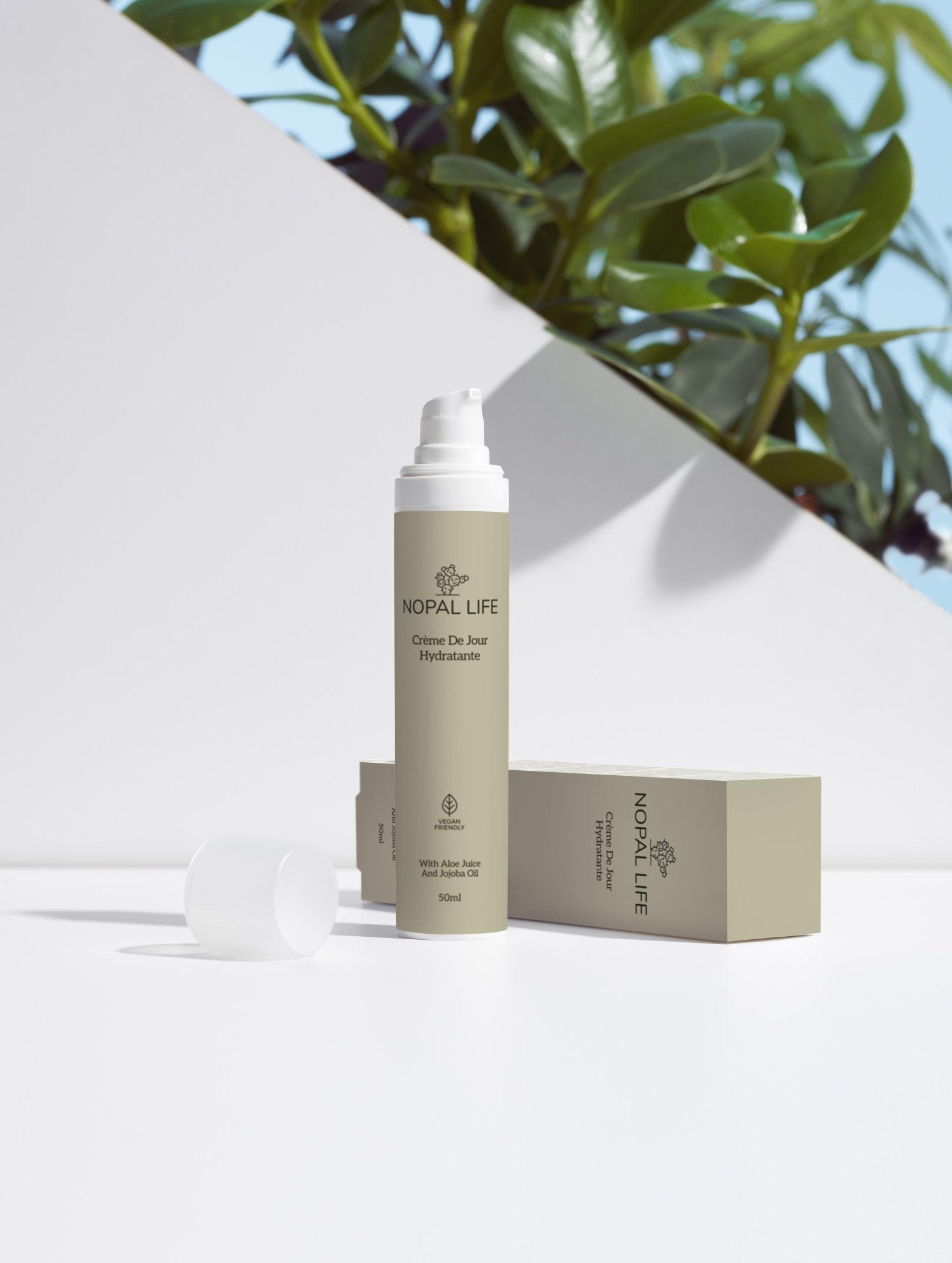
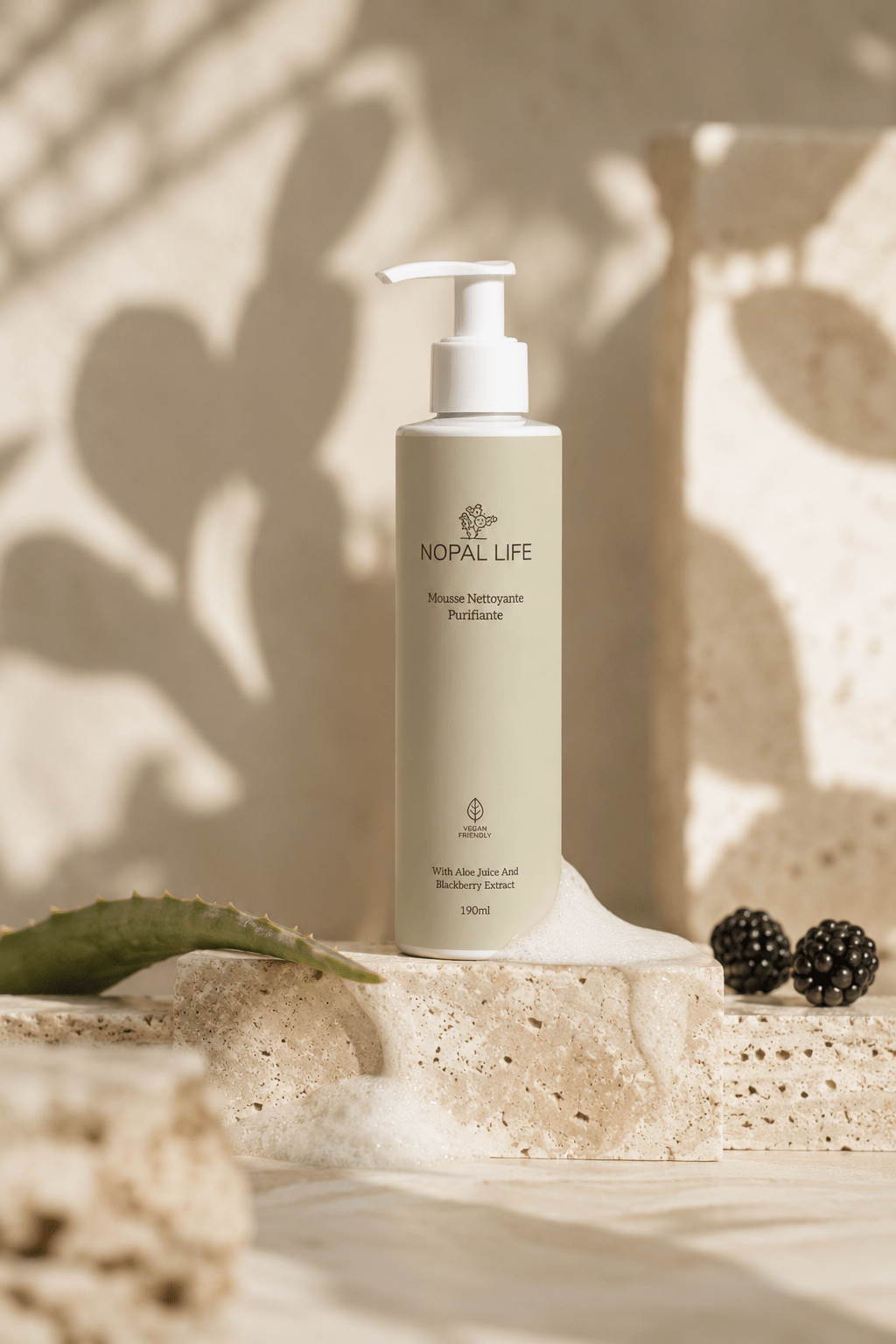
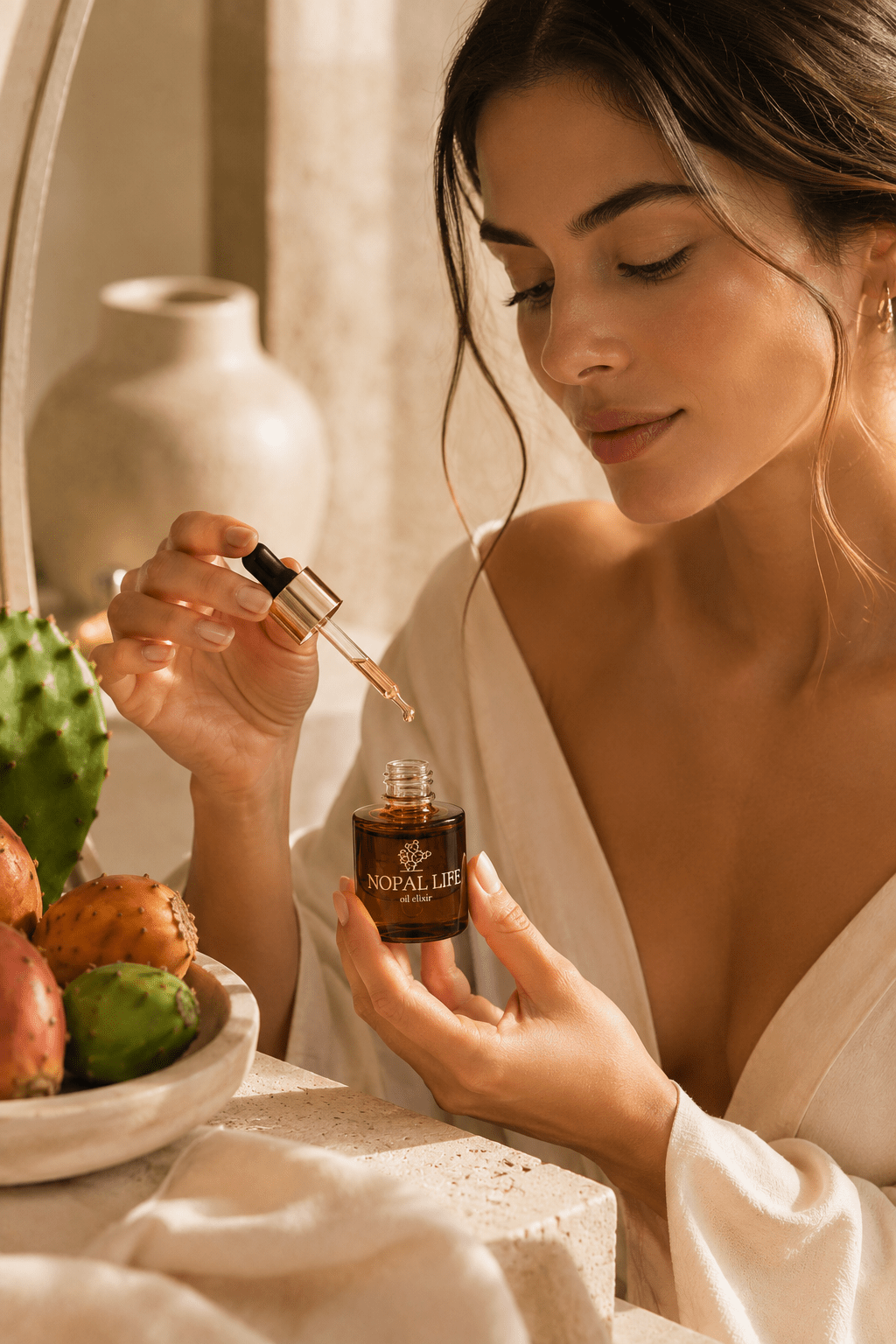
At NOPAL LIFE, aloe has a partner of choice: prickly pear seed oil. One opens the routine, the other closes it. Aloe vera gel, an aqueous phase, hydrates, soothes, and prepares the skin; prickly pear seed oil, as a finishing touch, seals this work and provides its fat-soluble active ingredients — tocopherols, phytosterols, linoleic acid — which aqueous formulas cannot offer.
This aqueous-then-oil sequence mimics the skin barrier itself, organized in alternating layers of water and lipids. By respecting this, we support skin comfort in a progressive and lasting way: aloe vera quenches thirst, prickly pear seed oil nourishes and protects.
Want a routine designed for your skin? Start my free diagnosis — it only takes two minutes.
Frequently Asked Questions
Is it suitable for all skin types?
Yes, in the vast majority of cases. Aloe vera is known for its excellent tolerance, from dry to oily skin.
Can it be applied to sunburn?
For mild sunburn, it is one of its most well-known uses: it helps soothe the sensation of discomfort and heat, for visibly more comfortable skin. Opt for a pure, alcohol-free gel, kept in the refrigerator for a cooling effect. For extensive or painful burns, consult a healthcare professional.
Can it replace hyaluronic acid?
Partially. Aloe vera provides a real sensation of hydration, but hyaluronic acid remains superior for capturing water. The two are complementary rather than interchangeable.
Should aloe vera gel be rinsed off after application?
Not necessarily. As a mist or light serum, it remains in place under subsequent treatments. For an express mask (10 to 15 minutes), rinse before applying the rest of the routine.
How to combine aloe vera and prickly pear seed oil?
Aloe vera first (mist or light serum), then prickly pear seed oil as the final treatment. This sequence from lightest to richest respects the skin's logic and gets the most out of each active ingredient.
Key takeaway
Fresh, hydrating, and remarkably versatile, aloe vera gel finds its place in almost all routines: face, body, and hair, daily. A simple and economical treatment, choose organic and good quality — and combine with prickly pear seed oil to reveal its full potential.
RECOMMENDED TREATMENT
Pure Prickly Pear Seed Oil
Natural formula · Origin Algeria
DISCOVER THIS TREATMENT →
Read more
Information provided for cosmetic and educational purposes; it does not constitute medical advice.
Our anti-aging treatments