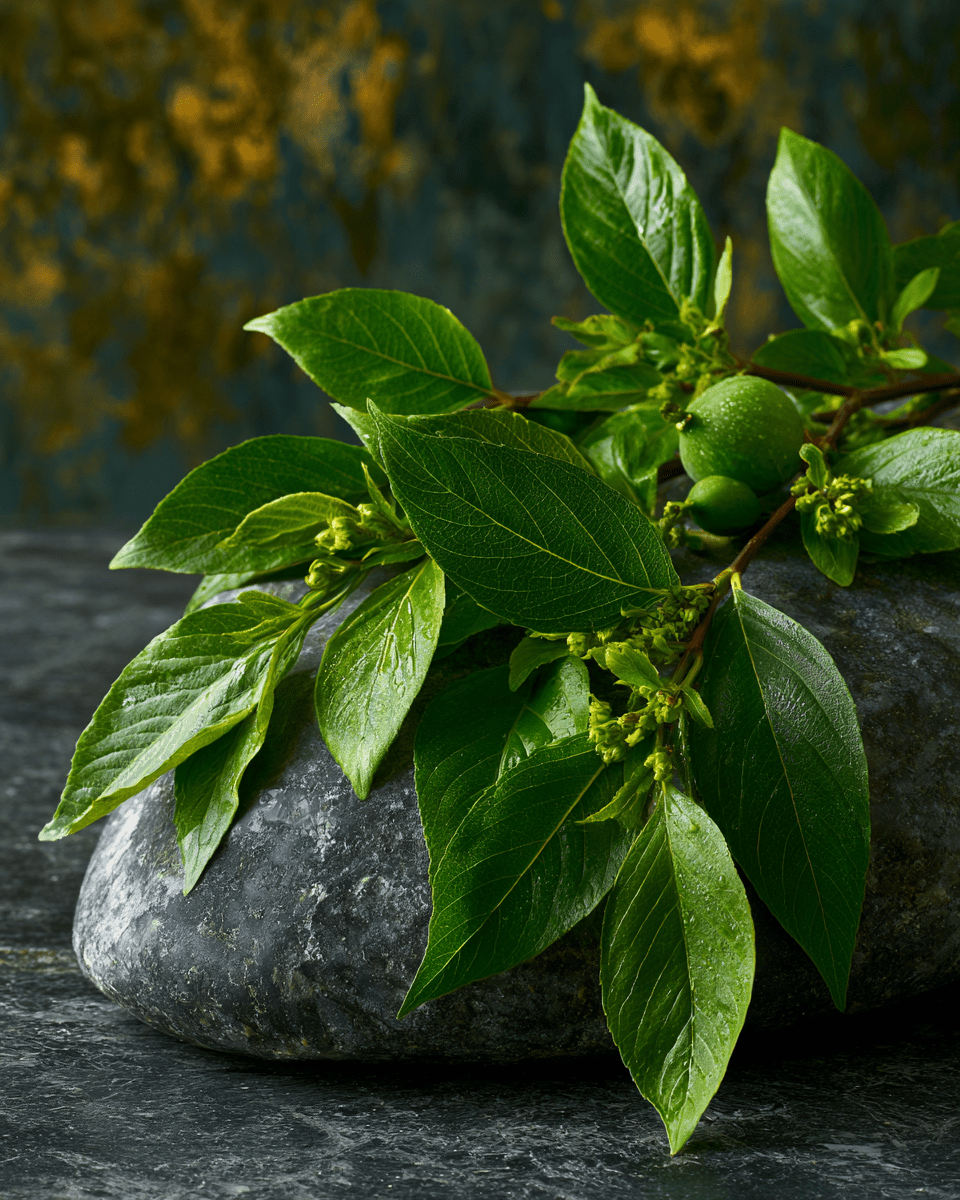
Deep hydration: the method, textures, doses
It feels tight by the end of the day, absorbs its treatment in thirty seconds, reveals fine lines that disappear when you smile. Deep hydration is not about budget or willpower, but about three interconnected actions: providing water, retaining it, and stopping its escape. No single product does all three. Here are the corresponding figures—oil phase, absorption time, drops, minutes, cost per application.
Key takeaways
- Dehydration and dryness are not corrected in the same way: the 90-second test distinguishes between the two.
- A treatment is chosen by its oil phase, from 0-2% for a watery texture to over 40% for a balm: six families compared below.
- The 60-second rule: applying to still-damp skin is more important than the price of the bottle.
- The true purchasing benchmark is not the displayed price but the cost per application, calculated in three steps.
- Three families of active ingredients are sufficient: humectant, emollient, cohesive agent.
Where does moisture go?
The stratum corneum, 10 to 20 micrometers thick on the face, resembles a wall: the bricks are corneocytes, the cement a mixture of cholesterol, free fatty acids, and ceramides, the latter representing about half. This wall slows down evaporation, which is measured by insensible loss (TEWL, in grams per square meter per hour). When it cracks—harsh cleansing, hot rinsing, dry cold, air conditioning, friction—evaporation exceeds intake.
Inside the corneocytes, the natural moisturizing factor (NMF)—free amino acids, pyrrolidone carboxylic acid (PCA), lactic acid, urea, minerals—captures ambient moisture. Since it is soluble, prolonged immersion or an overly surfactant cleanser can wash away some of it: a cleansing action can therefore dry out the skin.
Hyaluronic acid, on the other hand, mainly acts on the surface. Its molecular weight determines everything: high fractions form a film that immediately smooths the skin texture, while low fractions diffuse into the stratum corneum and last longer. A good serum combines several, between 0.1 and 2% in total; beyond that, the texture becomes sticky without visible gain. In a very dry atmosphere, a humectant alone can draw moisture from the epidermis itself: hence the rule of layering—humectant on damp skin, emollient on top, never the other way around.
Water deficit or lipid deficit?
| Observed indicator | Dry skin (lipid deficit) | Dehydration (water deficit) |
|---|---|---|
| Feel | Rough, grainy, sometimes flaky | Smooth but soft, lacking bounce |
| T-zone shine | Absent all day | Possible, even pronounced by midday |
| Fine lines | Pronounced and stable | Fine, cross-hatched, disappear when stretched |
| After cleansing | Lasting tightness, 30 minutes or more | Brief tightness, 5 to 10 minutes |
| Variability | Constant, underlying condition | Fluctuating: season, stress, sleep, travel |
| What to add | Lipids: vegetable oils, butters | Humectants: hyaluronic acid, glycerin, aloe vera |
The two often combine after age 45 or under strong heating: you don't choose, you layer, in order.
The 90-second test
A reproducible home protocol, to be done in the morning before any products. It settles the fundamental question in ninety seconds.
- 0 to 30 s — The pinch. Pinch your cheekbone between your thumb and forefinger for one centimeter, release, count. Instant return: correct hydration level. Visible crease for more than 2 seconds: insufficient water intake.
- 30 to 60 s — The paper. Place a blotting paper on your forehead and the side of your nose for 15 seconds, without pressing. Clear oily trace: sebum is present, so not dry skin. No trace upon waking, after a night without skincare: dry skin.
- 60 to 90 s — The smile. Smile broadly and observe your cheek in daylight. Fine cross-hatching, absent at rest, indicates a water deficit. Wrinkles visible at rest are a different issue.
Interpretation. Crease + oily trace: dehydrated combination to oily skin, prioritize watery textures. Crease without trace: dry and dehydrated skin, both layers are needed. Neither crease nor trace: simply dry skin, prioritize lipids. Repeat the test at two-week intervals, noting the date: it's the variation that matters.
To go further than these three indicators, our Skin Intelligence™ diagnostic cross-references eleven parameters in two minutes.
Six textures, one variable
Beyond the words on the labels, one variable determines everything: the oil phase, meaning the percentage of oils, butters, and esters. It dictates absorption, finish, season of use, and, to a large extent, the displayed price. Price ranges observed on the French market.
| Texture | Oil Phase | Absorption | Target Profiles | Season · Area | Indicative Price / 100 ml |
|---|---|---|---|---|---|
| Water-based gel | 0 to 2% | 10 to 20 s | Combination, oily, young skin | Summer · face, T-zone | €15 – €45 |
| Gel-cream | 3 to 8% | 20 to 40 s | Combination, normal, dehydrated skin | Mid-season · face, neck | €18 – €55 |
| Sorbet cream | 8 to 15% | 30 to 60 s | Normal, sensitive skin | Spring, summer · face | €20 – €60 |
| Fluid milk | 10 to 20% | 40 to 90 s | Normal, extensive dry skin | Year-round · after bath/shower | €4 – €20 |
| Rich cream | 20 to 35% | 2 to 4 min | Dry, mature, very uncomfortable skin | Winter · face, hands | €25 – €90 |
| Balm / cerate | 40 to 100% | 5 min and more | Very dry, exposed areas | Extreme cold · lips, elbows, heels | €8 – €50 |
The price does not follow density, and the ideal formula does not exist in absolute terms: it depends on the season and the area.
The three families of active ingredients
Everything else—fragrances, colorants, front-facing promises—does not affect water balance. These three families are sufficient to decipher an INCI list.
Humectants: they capture moisture
- Glycerin — the benchmark, 2 to 10%. Beyond 15%, the sensation becomes sticky.
- Hyaluronic acid (Sodium Hyaluronate) — 0.1 to 2%, in several molecular weights.
- Aloe (Aloe Barbadensis Leaf Juice) — juice rich in polysaccharides, appreciated for its freshness; at the top of the formula, it indicates a massively watery composition that will need to be sealed.
- Sodium PCA, betaine, low-dose urea — similar to NMF, 0.5 to 2.5%.
Emollients: they smooth
- Prickly pear oil (Opuntia Ficus-Indica Seed Oil) — dominated by linoleic acid, dry to the touch, estimated comedogenic rating of 1 out of 5.
- Squalane — very stable, light sensoriality, widely tolerated.
- Shea butter, plant esters (Coco-Caprylate) — from most occlusive to most silky.
- Cetyl alcohol (Cetyl Alcohol) — despite its name, a solid fatty alcohol that thickens the cream and softens the finish.
Cohesion agents: they retain
- Skin-identical lipids — "ceramide technology" reintroduces the components of intercellular cement, often at less than 1%.
- Phytosterols, waxes, and butters — a film that mechanically slows evaporation; effective but heavy.
The Nopal Life protocol
Upon waking — provide, seal, protect
- Gentle cleansing, 30 seconds. pH 4.5 to 5.5, lukewarm rinse: beyond this, NMF is washed away. Pat dry without rubbing, leave damp.
- Humectant, within 60 seconds. The HA & Sodium PCA Hydrating Gel on still-damp skin: the residual film amplifies moisture capture. Pat, do not rub. The most cost-effective step in the routine, and free.
- Emollient, without waiting for complete absorption. The HA Hydrating Day Cream, enriched with prickly pear oil, forms the semi-occlusive film that retains the previous application. In summer, prefer a light emulsion.
- Sunscreen SPF 30 minimum, daily, SPF 50 for prolonged exposure: UV accentuates water loss and weakens the skin barrier. Two fingers for face and neck.
At bedtime — remove makeup, soothe, nourish
- Double cleansing, 2 minutes, only if wearing makeup or sunscreen. Otherwise, just one pass: over-cleansing is the primary cause of established dehydration.
- Humectant again, alone or under night care.
- 3 to 5 drops of pure prickly pear oil mixed with night cream in the palm of your hand: 5 drops for very dry skin in winter, 2 on the cheeks only for a combination profile. Warm between palms for more even spreading.
Once or twice a week, a 15-minute mask temporarily saturates the stratum corneum; massage in the excess rather than rinsing, then seal with your usual skincare product.
The body: 97% of the surface area
The face represents only 3%. Daily washing is the most drying part of the day, and three adjustments change its effect: water temperature of 35 to 37 °C—every degree above dissolves more surface lipids; duration of 5 to 8 minutes; superfatted cleansing base rather than alkaline soap, whose pH of 9 to 10 is far from the skin's surface pH of 4.5 to 5.5.
The 3-minute rule. Pat dry and apply moisturizing milk within three minutes, while skin is still damp: residual moisture is captured instead of evaporating. Count 10 to 12 ml for the whole body: a pea-sized amount per limb, two for the torso. For elbows, knees, heels, and hands, switch to a balm. One application daily is sufficient, two in winter.
Twelve months, four adjustments
| Period | Dominant Constraint | Face Texture | Adjustment |
|---|---|---|---|
| December – February | Dry cold, heating, indoor air below 40% humidity | Nourishing cream | + 3 to 5 drops of oil at bedtime; mask 2×/week |
| March – May | Wind, temperature fluctuations, return of UV | Melting cream | Reintroduce daily SPF 30 |
| June – August | Heat, perspiration, air conditioning | Water-based texture | SPF 50; aloe moisturizer during the day |
| September – November | Decrease in humidity, return of heating | Light emulsion then cream | Gradually thicken, not all at once |
Choosing your moisturizing cream without making a mistake
When faced with a shelf or a results page, three filters are sufficient. First, the skin type: a product formulated for dry skin does not have the same oil phase as an emulsion designed for combination skin. Second, its place in the routine: a serum provides deep hydration but seals nothing, a moisturizing cream seals but captures little—one does not replace the other. Finally, the price relative to use, detailed just after.
What these filters prevent: paying twice for the same function. Sorting a range by bestsellers or new arrivals says nothing about your profile, and a new formula isn't better just because it's new. When a refill exists, compare the cost of ongoing use rather than the initial purchase.
Two common-sense benchmarks to finish: the best moisturizers are those applied morning and evening without a second thought, and a beauty routine maintained for six months is better than a perfect ritual abandoned in three days. A well-chosen moisturizer, applied twice a day, does more for deep hydration than an exceptional product used randomly.
Reading price and packaging
Sorting a range by ascending or descending price is the most common reflex online, and the most misleading: for the same price, the cost of use can vary from single to triple. The method involves three steps.
- Convert to 100 ml. €32 for 30 ml = €106.70; €24 for 50 ml = €48. The second is half the price, even though it appears later in an ascending price sort.
- Estimate the dose. Approximately 1 ml per application on the face, twice a day; 10 to 12 ml for the whole body. A 50 ml bottle covers about fifty applications, or 25 days.
- Divide. €24 ÷ 50 = €0.48 per application. This figure alone allows comparing a light texture and a dense texture.
| Segment | Price / 100 ml | What the price buys | Watch out for |
|---|---|---|---|
| Entry-level | €4 – €20 | A functional base: glycerin, a simple emollient, a preservative | High-placed fragrance, star active ingredient under 1% |
| Mid-range | €20 – €45 | Several humectants, refined texture, packaging that protects the formula | Check the actual rank of the highlighted active ingredient |
| Premium | €45 – €90 | Rare oils, sensoriality, airless bottle, precise dosage | Part of the price pays for the brand, not the formula |
This table does not mean that a high price is unjustified: it means that beyond €45 per 100 ml, the extra cost mainly covers the rarity of oils and the packaging. A correctly formulated mid-range moisturizer ensures daily hydration; premium is justified for a rare active ingredient—prickly pear seed oil, for example, whose material yield alone explains the price.
Regarding packaging, four benchmarks. A pump or airless bottle protects better than a wide jar, exposed to air and fingers. Oils should be stored in tinted glass, as light accelerates their oxidation. The PAO symbol — "6M," "12M" — indicates the period of use after opening: note the date with a marker. Finally, recyclable packaging is identifiable by its single material, and refills significantly reduce material per application.
Five mistakes that cancel out the rest
- Cleansing too much, or too harshly. A cleanser that leaves skin feeling "squeaky clean" and tight should be changed: it's the primary suspect for lack of hydration.
- Applying to perfectly dry skin. Humectants then have nothing to absorb; the 60-second window is not a minor detail.
- A serum without anything over it. The benefits evaporate in a few tens of minutes without an emollient layer on top.
- Changing products every two weeks. Allow at least four weeks to judge a moisturizing product based on comfort and appearance.
- Layering five active ingredients on the same day. Exfoliants and concentrated active ingredients stress the protective film: space them out, do not combine them.
Prickly pear seed oil, a common thread
Cold-pressed from the seeds of Opuntia ficus-indica, it is among the rarest vegetable oils: it takes about 30 kilograms of seeds — nearly a ton of fruit — to produce one liter. It contains 55-62% linoleic acid (omega-6), valued for skin comfort and suppleness; 18-25% oleic acid (omega-9), which provides a nourishing finish; 600-900 mg/kg tocopherols, among the highest levels in vegetable oils, contributing to the oil's stability against oxidation; phytosterols and polyphenols, which help smooth the skin's appearance.
In practice, it is a dry oil: fast penetration, non-greasy finish, estimated comedogenic index of 1 out of 5 — usable even for combination skin types. This is why it is used throughout the Nopal Life range. To compare an oil dominated by linoleic acid with an oil containing gamma-linolenic acid, read our article Borage oil: gamma-linolenic acid (GLA), routine.
RECOMMENDED TREATMENT
Pure prickly pear seed oil
Cold-pressed · 3 to 5 drops at bedtime
DISCOVER THIS TREATMENT →Frequently Asked Questions
What is "deep hydration" really?
Hydration that doesn't stay on the surface: humectants that draw moisture into the stratum corneum — hyaluronic acid of various weights, glycerin, betaine — and lipids that help limit its evaporation. Attract, then retain.
Why do my treatments not make a difference?
Almost always one of the two halves is missing: a light texture without humectants underneath absorbs little, a serum without emollients on top allows everything to escape in 30 to 60 minutes.
Can a single moisturizer be enough all year round?
Rarely: the same formula is too light in January and too dense in July. The most economical compromise remains a mid-season moisturizer, lightened in summer with a watery texture and strengthened in winter with 3 to 5 drops of oil.
How long before I see results?
Comfort is felt from the first application. For a stable healthy appearance and visible reduction of dehydration lines, allow 4 weeks of regular routine, including moisturizer, twice a day.
Is an aloe vera gel sufficient in winter?
No, not alone. With 0 to 2% fat phase, it has nothing to retain what it provides when indoor air drops below 40% humidity. Keep it as a first layer and seal with a texture with 20-35% fats, or 3 to 5 drops of prickly pear seed oil.
Sources — Rawlings A.V., Harding C.R., « Moisturization and skin barrier function », Dermatologic Therapy, 2004; Verdier-Sévrain S., Bonté F., « Skin hydration: a review on its molecular mechanisms », Journal of Cosmetic Dermatology, 2007; Ramadan M.F., Mörsel J.-T., « Oil cactus pear (Opuntia ficus-indica L.) », Food Chemistry, vol. 82, 2003; Regulation (EC) No 1223/2009 on cosmetic products.
Skin Intelligence™
Eleven parameters analyzed to determine your hydration and lipid needs
Start my free diagnosis →Read more
Information provided for cosmetic and educational purposes only; it does not constitute medical advice.


Go further than this article
Get our skincare guides by email — and start with your free skin diagnostic: 2 minutes, advice tailored to your skin. We ship to the US, UK, Canada, Australia and 27 European countries; somewhere else? Sign up and you will be the first to know when we deliver to your country.
By signing up, you agree to our privacy policy. Unsubscribe in one click.