Japanese facial care: the principles of a precise ritual, not a ten-step routine
The Japanese facial care routine is often summarized as a spectacular succession of steps. This image is appealing, but it obscures the essential: the Japanese approach to skincare is primarily based on regularity, gentle cleansing, layering thin textures, and daily protection. It is not necessary to use ten products to draw inspiration from it.
A philosophy of continuity
In many Japanese rituals, skincare is considered a daily discipline rather than an emergency correction. Cleansing is done without stripping the skin, hydration is built up in light layers, and then this hydration is protected with an emulsion or cream.
This approach is particularly suitable for people who prefer to adjust textures rather than completely change their routine according to the seasons. It also encourages observing the face: more comfort when the air is dry, fewer layers when it is hot.
Two-step cleansing: useful, but not mandatory
Double cleansing is probably the best-known Japanese skincare step. A first oil-based phase dissolves makeup, sebum, and stubborn sunscreens. A second water-based cleanser removes any remaining residue.
This technique makes sense in the evening when wearing makeup or tenacious sun protection. It is not essential on bare or very dry skin. Deep cleansing should never be confused with a feeling of tight skin.
Use about half a teaspoon of oil or balm, massage for thirty seconds on dry skin, emulsify with a little water, then rinse. The subsequent cleanser should be gentle and used sparingly.
Hydration through thin layers
After cleansing, the Japanese beauty routine often incorporates watery lotions, sometimes called essences depending on the brand. Their function is less to exfoliate than to provide a first hydrating layer.
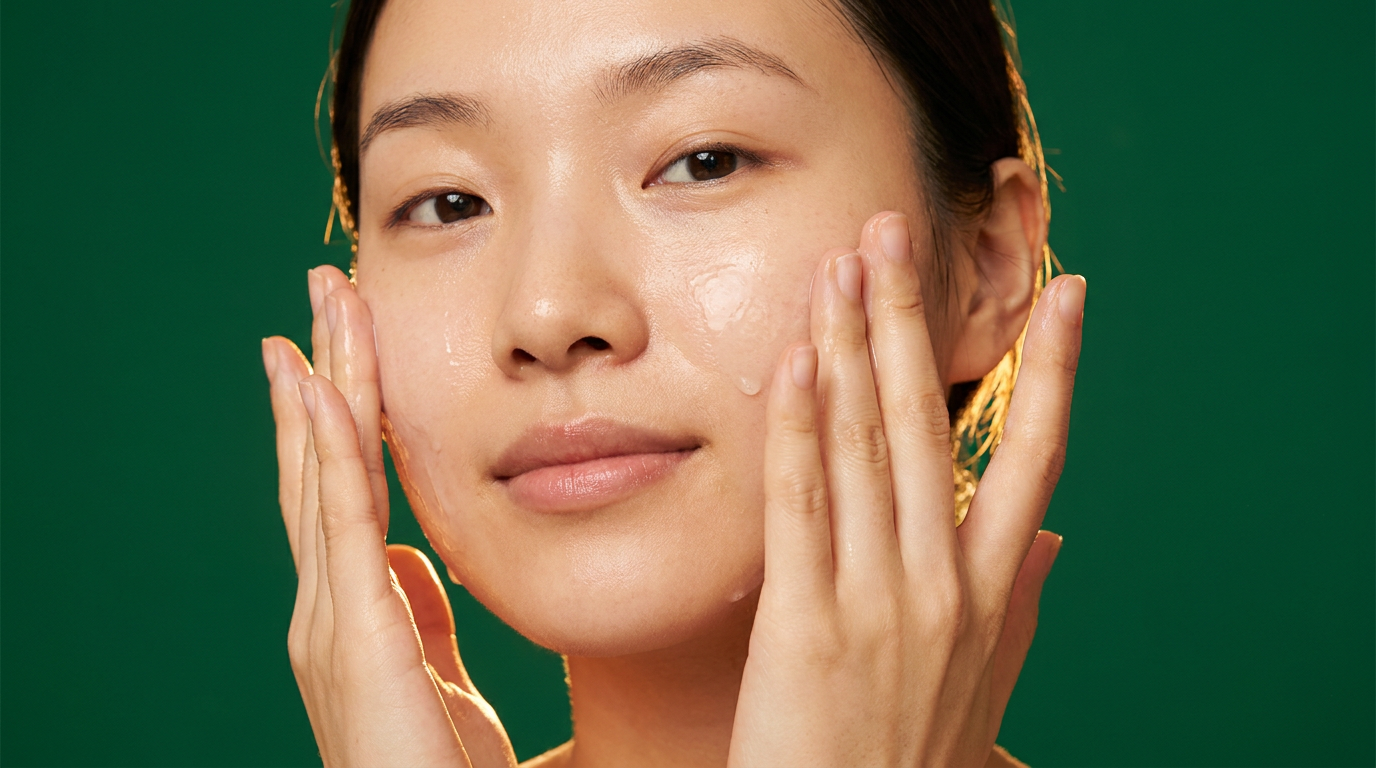
A small amount can be applied to the hands and then gently pressed onto the face. A second layer is possible if the skin absorbs it comfortably. The goal is not to saturate the skin, but to build hydration gradually.
A serum containing hyaluronic acid or other humectants can follow. The moisturizer then completes the routine by limiting evaporation.
Oil, emulsion, and order of application
The simplest rule is to go from the most fluid textures to the richest. Lotion, serum, emulsion, final treatment, then possibly oil. This progression facilitates distribution and prevents an oily film from blocking the application of a water-based product.
For dry or mature skin, two drops of vegetable oil as a final step can improve suppleness. Prickly pear seed oil naturally integrates into this phase, especially in the evening.
Oily skin does not inherently need to add an oil. Japanese rituals are interesting when customized, not when they become a rigid ceremony.
Active ingredients often associated with Japanese beauty
The Japanese market uses a wide variety of ingredients. Hyaluronic acid is common in moisturizing products, as is glycerin. Plant extracts, rice derivatives, or tea also appear in many formulas.
However, tradition and efficacy must be distinguished. A popular ingredient in Japan is not automatically superior. The formulation, concentration, and tolerance remain more important than its cultural origin.
The collagen present in some creams primarily acts as a film-forming or moisturizing agent when applied topically. It should not be attributed with directly rebuilding dermal collagen.
Facial massage
Massage techniques play an important role in the imagination of Japanese facial care. They can make application more pleasant and promote a sense of relaxation. Use clean palms, a sufficiently slippery texture, and light pressure.
One minute is enough. Make movements from the center outwards without pulling strongly on the skin. Around the eye contour, use your ring finger and avoid any deep pressure.
Massage does not permanently reshape the face and does not replace a treatment for sagging skin. Its main interest is sensory and behavioral: it transforms care into a ritual that is followed regularly.
Example of morning routine
Upon waking, rinse or use a gentle cleanser depending on your skin type. Then press a hydrating lotion, apply a light serum, and then a thin cream. Finish with sun protection.
If your complexion appears dull, avoid compensating with multiple exfoliants. Consistent photoprotection and hydration often provide more radiance than an accumulation of active ingredients.
Example of evening routine
Remove makeup with an oil-based phase if necessary, then cleanse gently. Apply a lotion, a targeted serum, and a cream. For dry skin, add a few drops of oil as a final step.
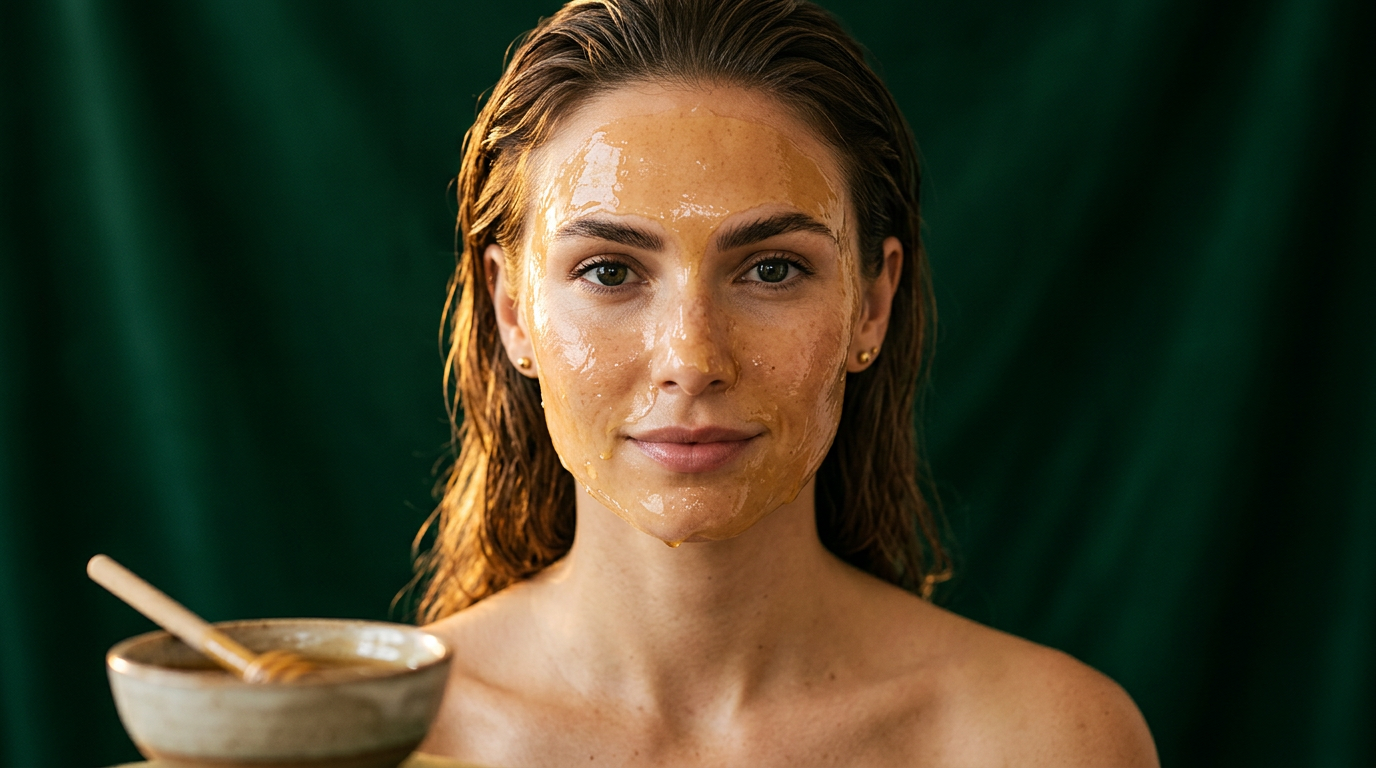
A hydrating mask can be used once a week. There is no need to leave it on beyond the time indicated by the manufacturer: efficacy does not increase proportionally with minutes.
Adapting the ritual to skin types
Sensitive skin benefits from a reduced number of products and gradual introduction. Combination skin can limit layers on the T-zone. Mature skin can prioritize a more comfortable night cream and well-tolerated anti-aging active ingredients.
This principle of adaptation is more faithful to an intelligent approach than the exact copy of an online protocol.
What Japanese rituals do not guarantee
They do not automatically give you "poreless" skin, do not eliminate wrinkles, and do not biologically slow down aging simply by multiplying the steps. The result depends on formulation, sun exposure, genetics, and regularity.
The best lesson from Japanese skincare is therefore not a secret product. It is a method: cleanse with moderation, hydrate with compatible textures, protect during the day, and adjust the ritual to the actual condition of the skin. This discipline naturally aligns with the NOPAL LIFE philosophy of progressive and respectful care.


Go further than this article
Get our skincare guides by email — and start with your free skin diagnostic: 2 minutes, advice tailored to your skin. We ship to the US, UK, Canada, Australia and 27 European countries; somewhere else? Sign up and you will be the first to know when we deliver to your country.
By signing up, you agree to our privacy policy. Unsubscribe in one click.