Post-sun care routine for mature skin: repair, antioxidants, rehydration
What Sun Exposure Does to Mature Skin
After 50, the skin has fewer resources to cope with sun exposure. Collagen renews more slowly, natural ceramides deplete, and natural antioxidant systems (superoxide dismutase, glutathione) become less effective. An afternoon of unprotected exposure can thus leave visible marks that the skin will take several weeks to partially fade.
UVA rays generate reactive oxygen species (ROS) that can weaken surface lipids and alter the appearance of the skin's film, contributing to a loss of firm and plump appearance. UVB rays, on the other hand, promote redness and skin discomfort. Mature skin, being less elastic, shows these signs more prominently.
Immediate Priorities After Exposure
Within two hours of significant exposure, three actions are priorities. First, gently cleanse the skin to remove sunscreen, sweat, and impurities. A creamy cleanser or an oil-gel makeup remover are preferred over aggressive foaming gels on potentially sensitive skin.
Second, immediately apply a soothing active ingredient. Pure aloe vera gel is the classic first calming gesture. For mature skin, a serum based on niacinamide (5%) and panthenol (2-5%) helps soothe redness and support the comfort of the skin barrier.
Third, rehydrate. Heat and perspiration significantly increase water loss. A multi-molecular weight hyaluronic acid serum applied to slightly damp skin captures available water and helps retain it in the epidermis.
Antioxidants for Post-Sun Comfort
The skin's needs after exposure are different from those for preventive protection. Free radicals continue to be generated for several hours after exposure ceases (delayed photo-oxidation phenomenon). A topical application of antioxidants on the evening post-exposure helps limit this secondary wave of aggressions.
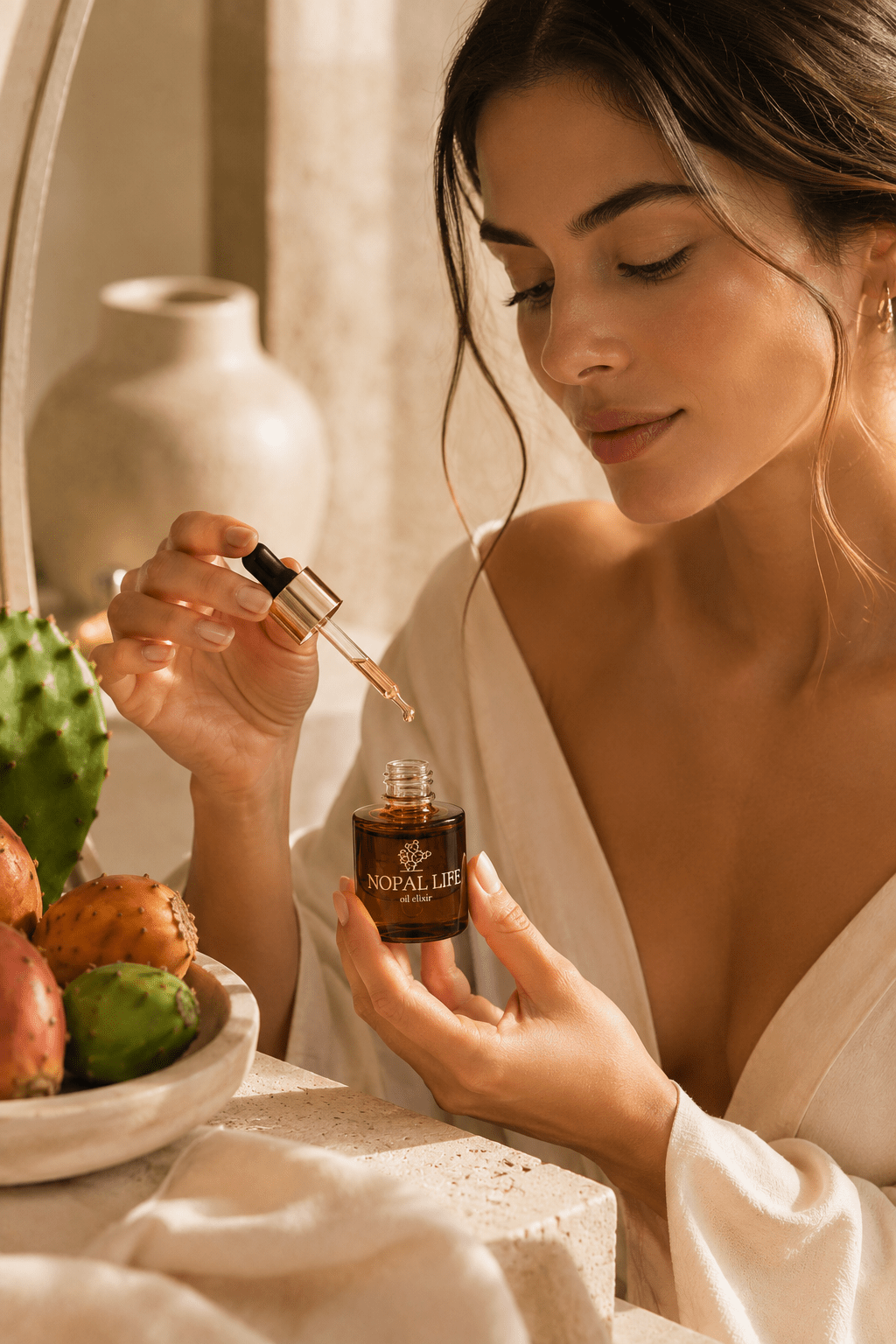
Vitamin E (tocopherol) is particularly valued at this stage because it helps protect lipid membranes from external aggressions. Prickly pear oil, with its exceptional concentration of tocopherol and tocotrienol (up to 760 mg/kg), is one of the most concentrated natural active ingredients in bioavailable vitamin E. Applied in the evening after cleansing, it integrates into the skin's film to exert a local antioxidant action.
Marine polyphenols (astaxanthin, fucoxanthin) are also valued for helping to reduce the appearance of sun-related signs. Topical resveratrol is appreciated for its action on the firm and plump appearance of the skin. These active ingredients, incorporated into a post-exposure night serum, help the skin regain its visible comfort.
Lasting Rehydration: Technique and Ingredients
Post-sun dehydration in mature skin is doubly problematic: dehydration lines add to existing wrinkles, and the weakened barrier loses even more water. The layering technique (superimposing moisturizing layers) is most effective here.
Step 1: thermal water or alcohol-free toner to prepare the skin and provide a first layer of mineral hydration. Step 2: concentrated hyaluronic acid serum applied to still-damp skin. Step 3: nourishing cream or oil to lock in the previous layers. For mature skin, pure prickly pear oil (a few drops as the last step) acts as a light natural occlusive that helps seal in hydration without suffocating the skin.
Comforting Actives for Mature Post-Exposure Skin
Retinol or its derivatives (retinaldehyde, retinyl palmitate) is an active ingredient appreciated for targeting the appearance of wrinkles, provided it is not applied on the evening of intense exposure. Wait 24 hours if the skin is red. Signaling peptides (matrixyl, argireline) help preserve the firm and plump appearance of the skin without irritation, ideal for reactive mature skin.
Centella asiatica and its derivatives (madecassoside, asiaticoside) help comfort the skin and soothe it after exposure. Actives that help unify the appearance of the complexion (kojic acid, alpha-arbutin, licorice extracts) can be used from day +1 to help preserve the uniformity of the complexion's appearance, often sought after by exposed mature skin.
Some active ingredients offered by premium brands (adenosine, concentrated plant extracts) are highlighted for supporting the fresh and rested appearance of the skin. These ingredients, though costly, are appreciated by skin that has undergone repeated unprotected exposures.
Mistakes to Avoid in a Post-Exposure Routine for Mature Skin
Washing your face with very cold water after exposure: Thermal shock can accentuate discomfort and weaken capillaries already dilated by heat. Use only lukewarm water, then gradually cool it.
Applying an exfoliant on the evening after significant exposure: The barrier is weakened, and acids (AHA, BHA) can irritate sensitized skin. Wait 48-72 hours before resuming exfoliation.
Using insufficient SPF the next morning for fear of weighing down sensitized skin: It is precisely when the barrier is weakened that maximum protection is needed. Apply generously.
Neglecting body care after exposure: The face often benefits from post-sun care, but the décolleté, arms, and shoulders are just as exposed. Apply an after-sun lotion rich in aloe, shea butter, and tocopherol to all exposed areas.
FAQ
How long does it take for mature skin to recover from intense UV exposure?
Most redness subsides within 48-72 hours. The appearance of sun-related signs takes 4-6 weeks to partially improve, and the appearance of pigmented spots can take 3-6 months.
Can prickly pear oil replace a classic after-sun?
It is an excellent antioxidant and comforting supplement, but after-suns often contain aloe vera and aqueous soothing actives that oil alone cannot fully replace. Ideal combination: pure aloe + a few drops of prickly pear oil.
Can you swim in the sea without sun protection if you are already tanned?
No. Tanning offers a natural SPF of 2 to 4, which is insufficient to prevent UV damage. A minimum SPF 30 is still necessary even on dark or tanned skin.
When should you restart retinol after exposure?
Wait until redness is completely resolved (minimum 48-72 hours). Resume at a reduced dose for the first few applications after a break.
Do antioxidant food supplements really help after sun exposure?
Oral vitamin C (500-1000 mg/day), vitamin E (400 IU/day), and astaxanthin (6-12 mg/day) are often cited for helping to limit the impact of UV rays, in conjunction with topical care. Consult a healthcare professional before any supplementation.
Should mature skin avoid the sun completely?
No. 10-15 minutes of exposure during gentle hours (before 10 am, after 5 pm) are beneficial for the body. But prolonged and unprotected exposure is still not recommended.
Conclusion
After sun exposure, mature skin primarily requires gentleness and comfort. By acting quickly—soothing, lasting rehydration, and providing antioxidants—you help the skin regain its comfort and radiance while limiting the sun's impact on the appearance of skin aging. The essentials are three actions: refresh, replenish with water, and protect in the following days. A well-thought-out post-sun routine transforms after-sun care into a true comfort treatment.
Why choose Nopal Life to support the appearance of mature skin
Supporting the appearance of skin aging involves active ingredients appreciated and studied by cosmetic research. Nopal Life prickly pear oil, rich in essential omega-6 and omega-9 fatty acids, vitamin E, and plant sterols, contributes to the suppleness and comfort of the skin's film. It helps preserve a firm and plump appearance, reduces the look of dehydration lines, and supports the comfort of the epidermal barrier for a visible smoothing effect from the first few weeks.
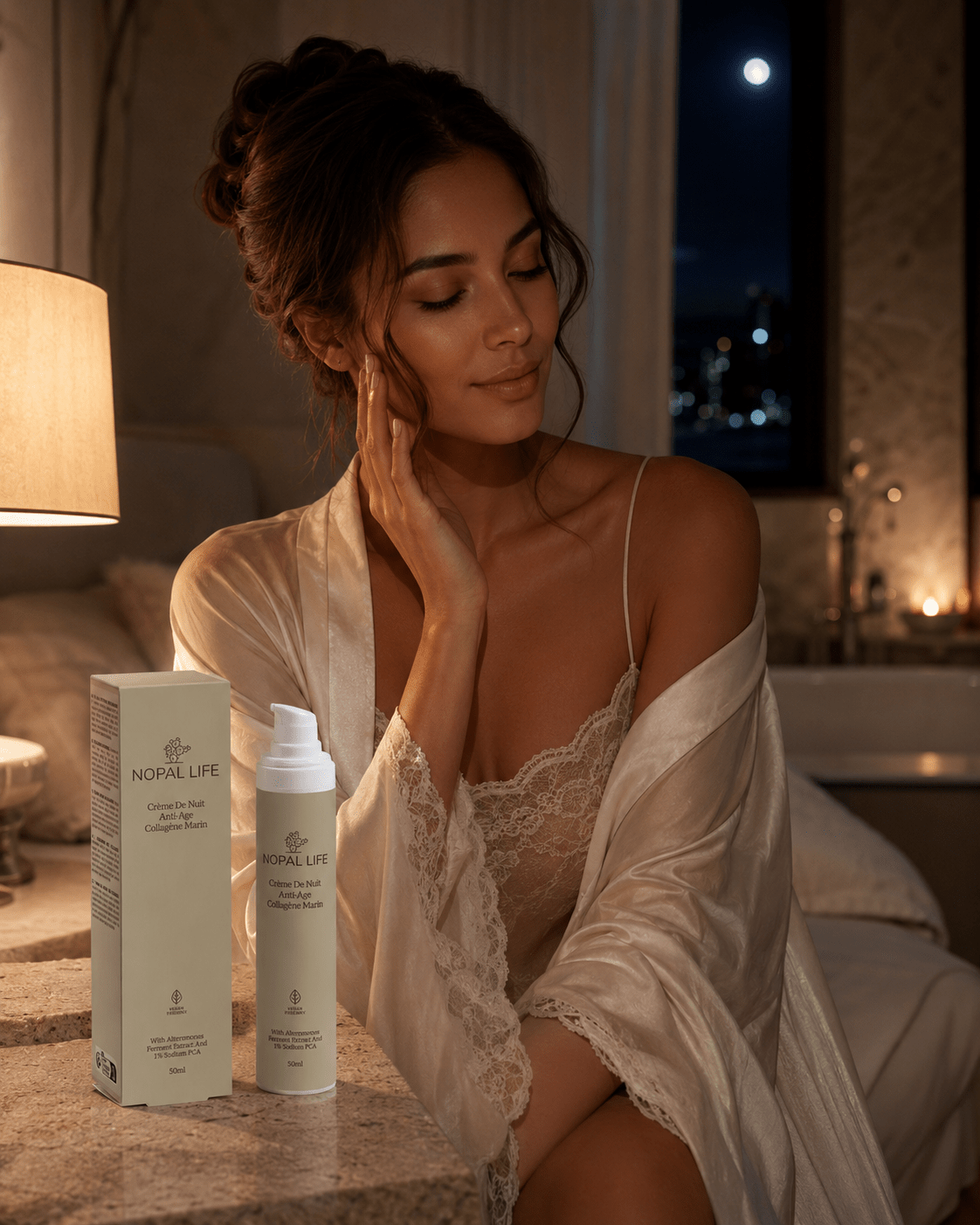
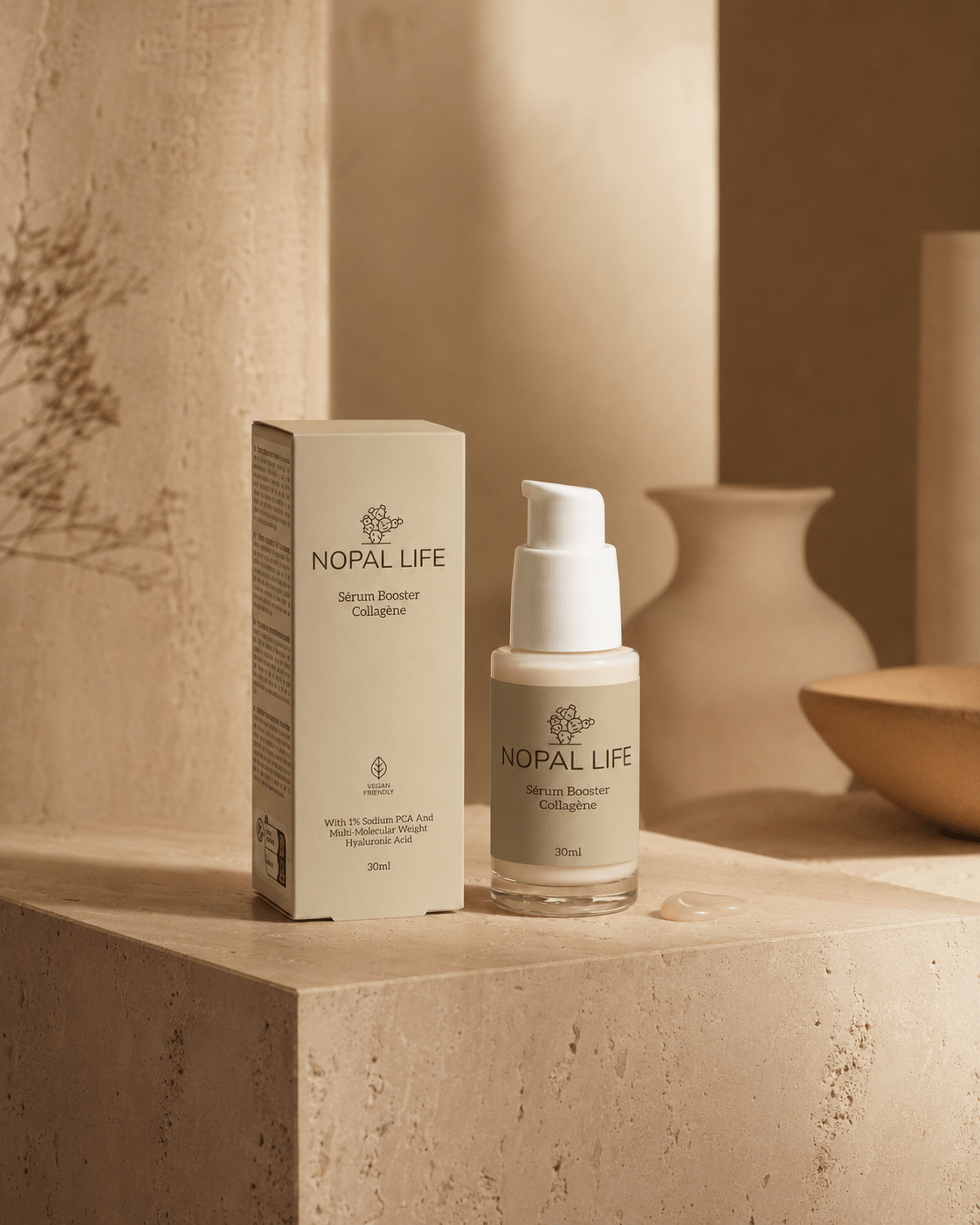
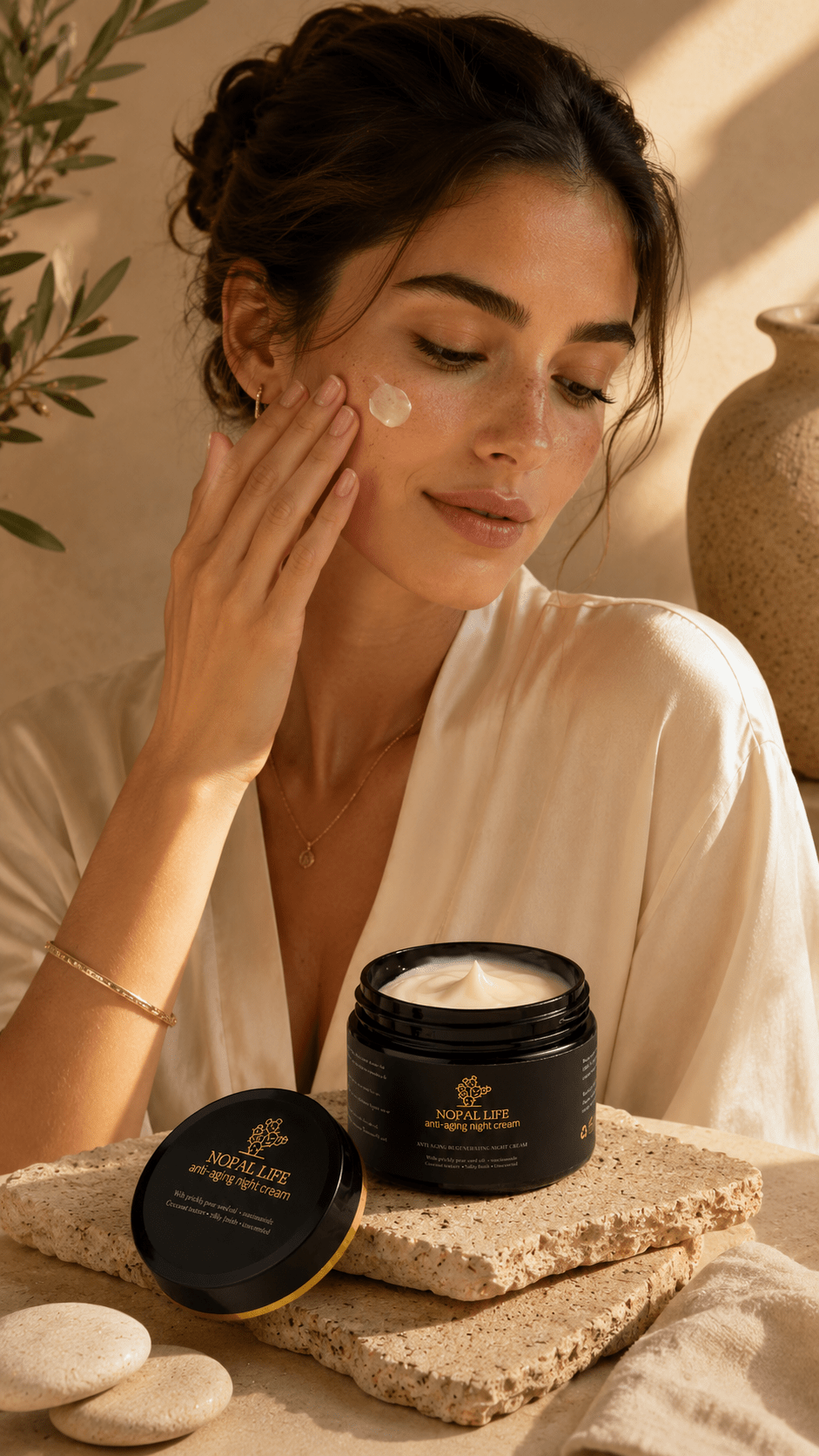
Pair it with our anti-aging night cream and brightening serum for a complete synergy, day and night. Your skin regains suppleness, radiance, and lasting comfort. Discover the Nopal Life formulation designed for your skin profile with our free Skin Intelligence diagnostic.
PERSONALIZED ROUTINE
Nopal Life Skin Intelligence™
Free diagnostic · 2 minutes
DISCOVER MY ROUTINE →This information is provided for educational purposes and does not replace professional medical advice.
Information provided for cosmetic and educational purposes; it does not constitute medical advice.
Our anti-aging treatments