Dull combination sensitive skin routine: slow-stitching, therapeutic window and gentle renewal
Sensitive, Dull Combination Skin: The Paradox of Skin Renewal
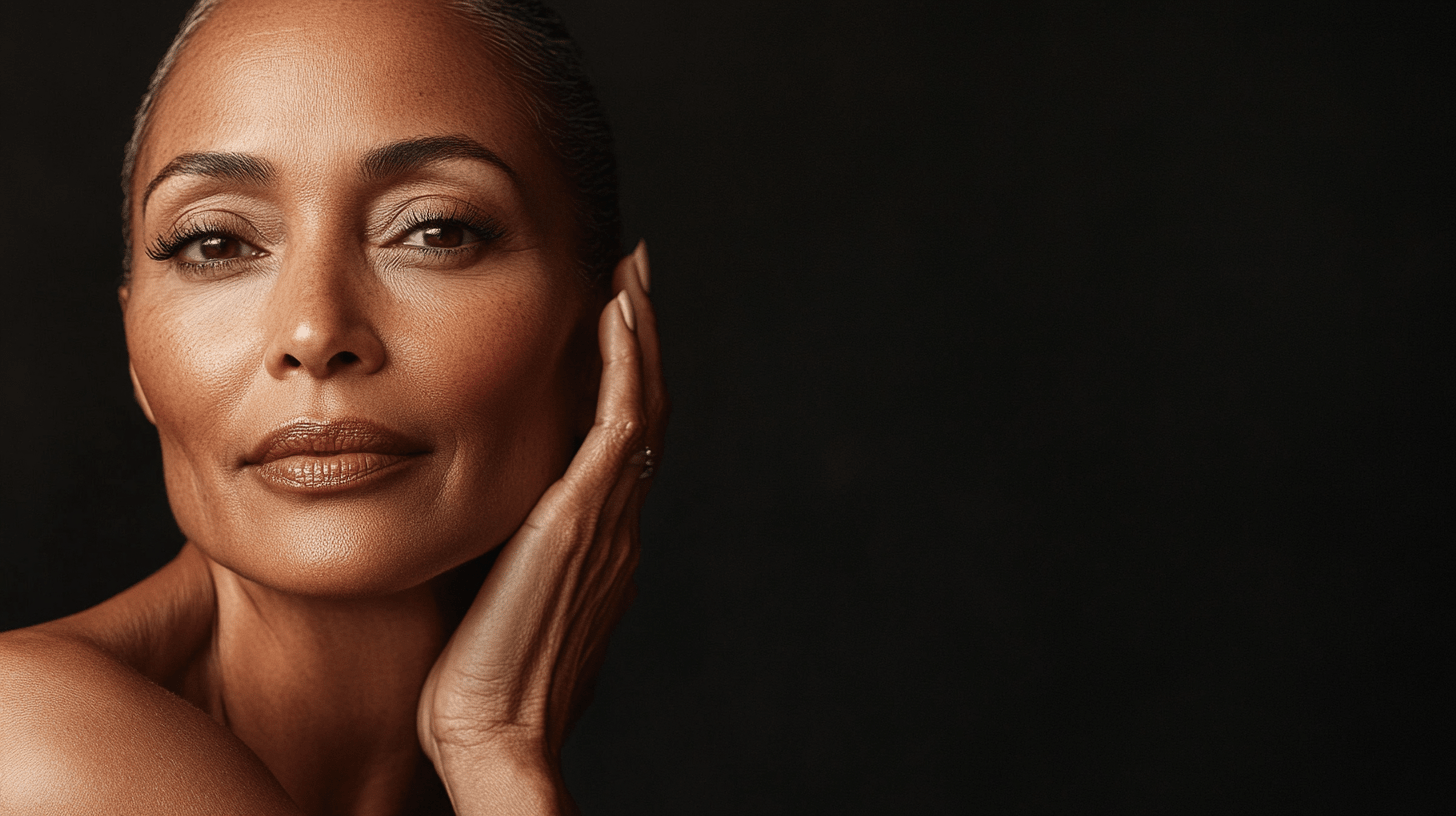
Sensitive, dull combination skin occupies an uncomfortable position in the world of facial care: it simultaneously presents a marked need for gentleness and support for natural skin renewal, and an intolerance to the most powerful exfoliating active ingredients. This paradox is not a cosmetic myth. The skin barrier of sensitive skin is often weakened on the surface: comfort is reduced, the skin retains less hydration, and a feeling of discomfort is frequently observed. The result: the surface appears uneven, the complexion dull, with alternating oily/dry areas characteristic of the combination profile.
Adding an AHA, BHA, or classic retinol to support renewal can then be like opening a window in a load-bearing wall: the exfoliating benefit in terms of appearance is real, but the risk of barrier discomfort is immediate. Redness, tightness, burning sensations—sensitive skin reacts strongly to any too-rapid introduction of active ingredients. This is where the rule of slow-stitching comes into play, as a skincare methodology in its own right.
To discover all the issues related to this profile, consult our selection of articles on dull combination skin and its natural solutions.
The Slow-Stitching Rule: Gradual Introduction of Exfoliating Actives
The term slow-stitching refers to a strategy for acclimatizing sensitive skin to exfoliating active ingredients, by adapting the progression to the actual capacity of the skin barrier to remain comfortable. The textile analogy is intentional: you don't pull on a fragile fabric all at once; you connect stitch by stitch, checking the strength of the assembly at each step.
The protocol unfolds in three distinct phases:
- Phase 1 — 1× per week (weeks 1 to 3): Introduce the exfoliating active once a week, ideally in the evening after gentle cleansing. The goal is not maximum efficacy but confirmed minimal tolerance. No persistent redness, no tingling beyond 30 seconds = positive signal.
- Phase 2 — 2× per week (weeks 4 to 6): If phase 1 is tolerated, increase the frequency to two weekly applications spaced at least 72 hours apart. It is at this stage that the first visible effects appear: radiance, refined texture, gradual uniformity.
- Phase 3 — EOD / Every other day (weeks 7 and beyond): Some sensitive skin can reach this rhythm in a few months. Others stop permanently at 2× per week. There is no universal goal—the right frequency is one that the barrier validates without signs of discomfort.
Slow-stitching also requires a clear priority rule: never introduce two exfoliating active ingredients simultaneously. If a PHA-based serum is being acclimated, wait for full validation before considering a retinol or a concentrated niacinamide. This discipline is non-negotiable for sensitive combination skin.
Find our complete advice for working on radiance, texture, and renewal for fragile skin.
The Pre-Fragilized Barrier and the Narrow Application Margin
The concept of application margin refers to a frequency range within which an active ingredient is beneficial for appearance without becoming uncomfortable. For sensitive skin, this margin is particularly narrow when it comes to exfoliation. Below a certain threshold, the active ingredient has no visible effect on the skin's appearance. Above it, it causes discomfort that further weakens the barrier's comfort rather than improving it.
Several markers indicate a pre-fragilized barrier even before the first treatment:
- Feeling of tightness less than two hours after cleansing
- Diffuse redness appearing upon contact with cold water or wind
- Reactivity to fragrances, even natural ones, in cosmetic formulas
- Lasting discomfort after applying alcohol-based products
- Recurrent flaky areas on the cheekbones or chin
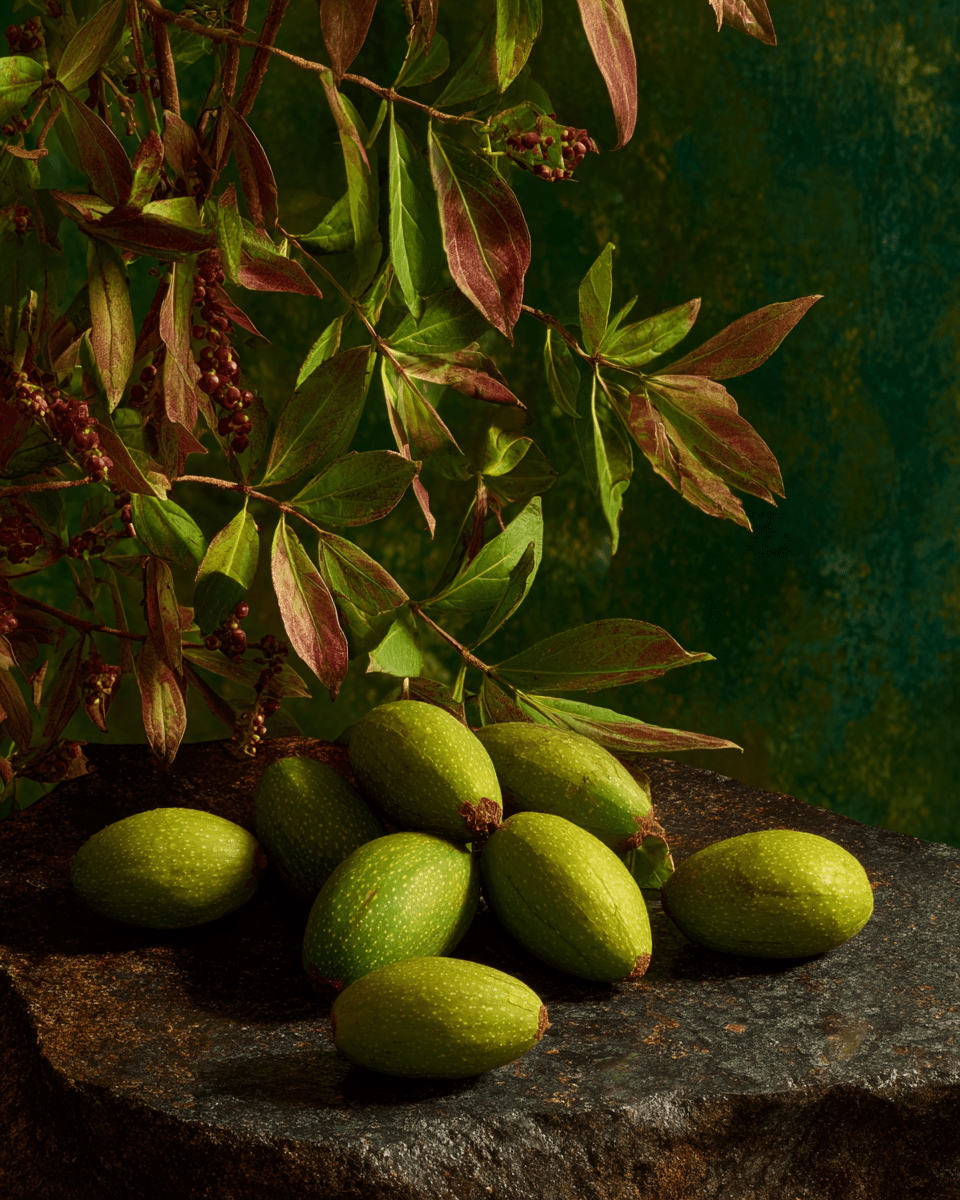
In this context, the skincare sequence does not begin with exfoliation: it begins with supporting barrier comfort. A 3 to 4-week cycle focused on film-forming active ingredients (prickly pear seed oil, plant-based ceramides, unrefined shea butter) is recommended before any introduction of exfoliants. Prickly pear seed oil occupies a unique place here: rich in linoleic acid (omega-6, ~60%), it provides essential fatty acids valued by skins whose barrier lacks comfort, while also containing a sterol fraction (β-sitosterol, stigmasterol) for a soothing sensation.
To go further on uniformity and radiance, explore our content dedicated to skin radiance and uniformity.
Hypoallergenic Collagen Serum: Protocol for Dull Combination Skin
Once the barrier is soothed and comfortable, the next step in the sensitive dull combination skin protocol is the introduction of a highly tolerant active care product. Low molecular weight marine collagen precisely meets this requirement: unlike retinol or AHAs, it does not accelerate exfoliation, but gently supports the skin's firm and plump appearance. This type of care is generally much better tolerated by sensitive skin.
Nopal Life's Collagen Hydration Rebound Skin Serum has been formulated with this hypoallergenic approach in mind. Its composition combines:
- Hydrolyzed marine collagen (<500 Da): fine and fluid texture, for care without a sensation of friction on the barrier.
- Tri-molecular weight hyaluronic acid: hydrating comfort (low weight HA), surface effect (high weight HA), and plumped sensation (medium weight HA).
- Prickly pear seed oil: sensation of lipidic barrier cohesion, supple and comfortable finish that prepares the skin for aqueous care.
- Nopal extract (Opuntia ficus-indica): flavonoids (isorhamnetin, kaempferol) appreciated for their antioxidant and soothing sensation.
As part of slow-stitching, this serum is used as a base layer before any exfoliant: its lipid-protective finish provides comfort on areas of weakened barrier, creating a kind of natural buffer that widens the application margin.
This product naturally integrates into a complete facial routine. To identify the most suitable protocol for your skin, use our personalized skin diagnosis.
Building Your Routine Step-by-Step: Order of Care and Application Rules
An effective routine for sensitive dull combination skin relies on a precise order of application that respects both the pH of the active ingredients and the logic of building/protecting barrier comfort.
Morning:
- Gentle sulfate-free cleanser (pH 4.5–5.5)
- Alcohol-free toner (rose water or cornflower floral water)
- Hypoallergenic collagen serum on slightly damp skin
- Light emulsion or barrier cream (ceramides + squalane)
- Mineral SPF 50+ (essential—a complexion treated with gentle exfoliation protects itself from the sun)
Evening (non-exfoliating days):
- Double cleansing (oil cleanser then gentle foaming cleanser)
- Collagen serum or hyaluronic acid serum
- Pure prickly pear seed oil as a night balm treatment (3-4 drops, seal step)
Evening (exfoliating days—slow-stitching phase in progress):
- Double cleansing
- Collagen serum (buffer layer, wait for complete absorption 3 min)
- Gentle exfoliant (PHA gluconolactone or mandelic 5% max) — 1 thin layer
- Wait 10 minutes, do not rinse
- Rich barrier cream to close the circuit
This sequence respects the logic of the application margin: the collagen serum creates a comfortable lipidic finish before the exfoliant, without canceling its action—simply accompanying it gently.
To further explore the radiance and visible firmness dimension of this protocol, consult our complete guide on the radiance and firmness routine.
Mistakes to Avoid with Sensitive Dull Combination Skin
Most routine failures on sensitive combination skin boil down to six recurring mistakes.
1. Over-exfoliating to compensate for slow results. This is the number one mistake. Doubling the dose or frequency of an exfoliant because results are slow to appear is exactly contrary to the slow-stitching logic. The resulting discomfort weakens the skin's appearance and no longer supports natural renewal—the visible effect is the opposite of what is sought.
2. Combining several exfoliating active ingredients simultaneously. AHA in the morning + retinol in the evening + weekly physical scrub = guaranteed barrier discomfort on sensitive skin. The rule is clear: only one exfoliating active ingredient at a time, validated over time before any addition.
3. Neglecting SPF during exfoliation phases. Regular exfoliation leaves the skin more exposed on the surface. Without sun protection, UVA and UVB can mark these fragile areas, promoting the appearance of spots and canceling the appearance benefits of exfoliation.
4. Choosing an exfoliant with too low a pH to start. AHAs at pH 3.5 are very powerful but poorly tolerated on sensitive skin. For slow-stitching, start with PHAs (gluconolactone, lactobionic) at pH 3.8–4.2, which are gentler for a comparable result on the outermost layers of the stratum corneum.
5. Ignoring the preliminary barrier comfort phase. Introducing an exfoliant without first supporting barrier comfort for 3 to 4 weeks with soothing active ingredients (prickly pear seed oil, ceramides) is equivalent to exfoliating an already sensitized surface. The risk of reaction is maximal.
6. Abandoning the protocol at the slightest mild reaction. A slight tingling for 15 seconds during the first application of an exfoliant is common. This is not a stop signal—it is a temporary and frequent response. The real stop signal is redness that persists for more than 2 hours or a burning sensation that extends beyond the application area. In case of a stop signal, return to the previous phase and maintain for an additional 2 weeks before trying again.
Conclusion
For sensitive, dull, and combination skin, gentle renewal is better than harsh actions. Very gradual exfoliation and soothing care refine the skin's texture without triggering reactions. Respect for the barrier is paramount. A gentle routine reveals a more luminous and even complexion, durably.
Frequently Asked Questions — Routine for Sensitive Dull Combination Skin
Q: Can a collagen serum be used daily on sensitive skin?
Yes, provided its formula is hypoallergenic and free of alcohol, fragrance, and aggressive preservatives (parabens, MIT). Hydrolyzed low molecular weight collagen is not an irritating active ingredient—it is used gently and can be applied morning and evening without a sensation of accumulation or cumulative reaction.
Q: How long does it take to see results with slow-stitching?
The first visible results (radiance, texture refinement) generally appear between the 4th and 6th week of the protocol—that is, once phase 2 is reached (2× per week). Lasting improvement in the appearance of a dull complexion and uneven texture requires 3 to 6 months of regularity. Slow-stitching is not an express solution; it is a fundamental method.
Q: Is prickly pear seed oil suitable for oily and combination skin?
Yes, and it is precisely its lipid profile that makes it suitable. With 60% linoleic acid, it belongs to the category of "dry touch" oils with rapid penetration, without a greasy film-forming effect. It helps to mattify the appearance of shiny areas by providing fatty acids that complement the skin's film, while also providing comfort to dry areas.
Q: Can collagen serum and retinol be combined in slow-stitching?
Not simultaneously. Collagen serum is used as a buffer layer before retinol, but only once retinol is already in phase 1 of slow-stitching (1× per week for 3 weeks without reaction). Collagen does not "block" retinol but provides comfort by limiting its direct contact on areas of weakened barrier.
Q: Should the protocol be adapted according to the season?
Absolutely. In winter, the skin barrier is often more weakened by cold and dry indoor air—you should either stay in phase 1 (1× per week) or reduce the concentration of the exfoliant. In summer, ambient humidity improves tolerance and can allow phase 3 (EOD) to be reached more quickly, provided SPF 50+ is rigorously applied.
Q: How to distinguish a normal reaction from true intolerance?
Tolerable signal: slight tingling upon application, disappeared in less than 15–20 minutes, no visible skin modification. Stop signal: visible and persistent redness beyond 2 hours, localized heat, patches, abnormal flaking, or a reaction that extends beyond the treated area. In case of a stop signal, return to the previous phase and maintain for an additional 2 weeks before trying again.
Q: What is the role of niacinamide in a sensitive dull combination skin routine?
Niacinamide (vitamin B3) is a valuable active ingredient for this profile because it provides comfort, helps to mattify the appearance of shiny areas, and improves radiance without direct exfoliating action. For sensitive skin, it is used at a maximum of 5% (beyond that, risk of burning sensation on some reactive skin). It can be combined with collagen serum daily, but not with concentrated AHAs in the same application.
Q: Can the skin diagnosis help me personalize my slow-stitching?
Yes, our Nopal Life skin diagnosis includes a specific dimension on sensitivity and tolerance to active ingredients. In 11 questions, it identifies your exact profile (reactive sensitivity, physiological sensitivity, dehydrated combination skin, or lipid-deficient combination skin) and suggests a personalized slow-stitching sequence with adapted references from the range.
Ready to start your slow-stitching protocol for sensitive dull combination skin?
Discover the Collagen Serum Take my skin diagnosisWhy choose Nopal Life for visible radiance and firmness
Caring for the appearance of skin that shows the signs of time involves active ingredients recognized in cosmetics. Nopal Life prickly pear seed oil, rich in essential omega-6 and omega-9 fatty acids, vitamin E, and plant sterols, brings suppleness and comfort to the skin's film. It helps preserve a firm and plump appearance, reduces the appearance of dehydration fine lines, and supports the comfort of the epidermal barrier for a visible smoothing effect from the first weeks.
Combine it with our radiance and firming night cream and our collagen serum for a complete synergy, night and day. Your skin regains a firm appearance, radiance, and lasting comfort. Discover the Nopal Life formulation designed for your skin profile with our free Skin Intelligence diagnosis.
RECOMMENDED TREATMENT
Radiance & Firmness Routine
Natural formula · Origin Algeria
DISCOVER THIS TREATMENT →This content is for informational and educational purposes; it does not replace medical advice, a diagnosis, or a dermatological consultation. In case of doubt or persistent skin problems, consult a qualified healthcare professional.


Go further than this article
Get our skincare guides by email — and start with your free skin diagnostic: 2 minutes, advice tailored to your skin. We ship to the US, UK, Canada, Australia and 27 European countries; somewhere else? Sign up and you will be the first to know when we deliver to your country.
By signing up, you agree to our privacy policy. Unsubscribe in one click.